54 articles· Page 4 of 5
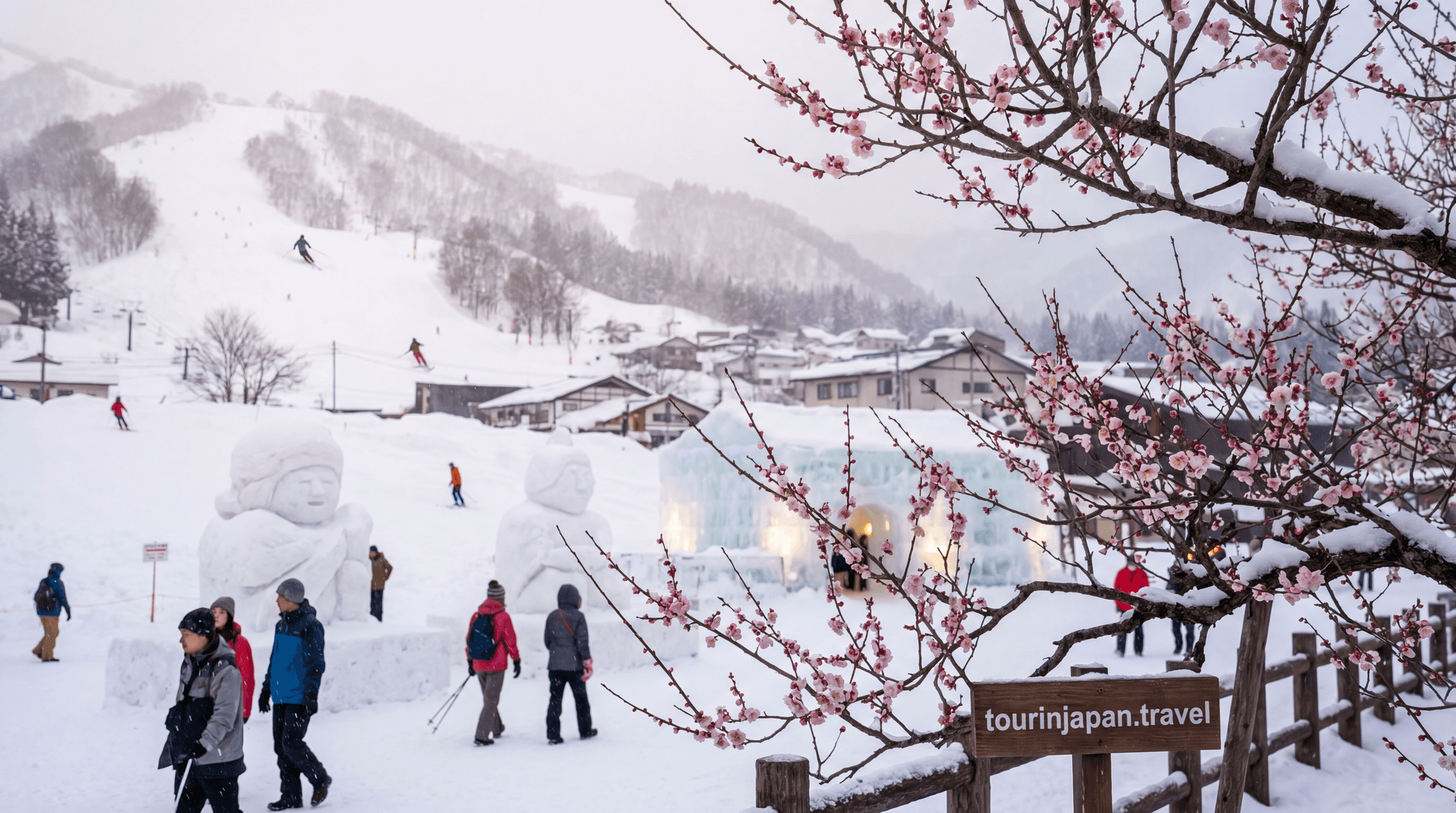
Japan in February offers plum blossom viewing, the Sapporo Snow Festival and peak ski season, with practical details on festivals, gardens and resorts.
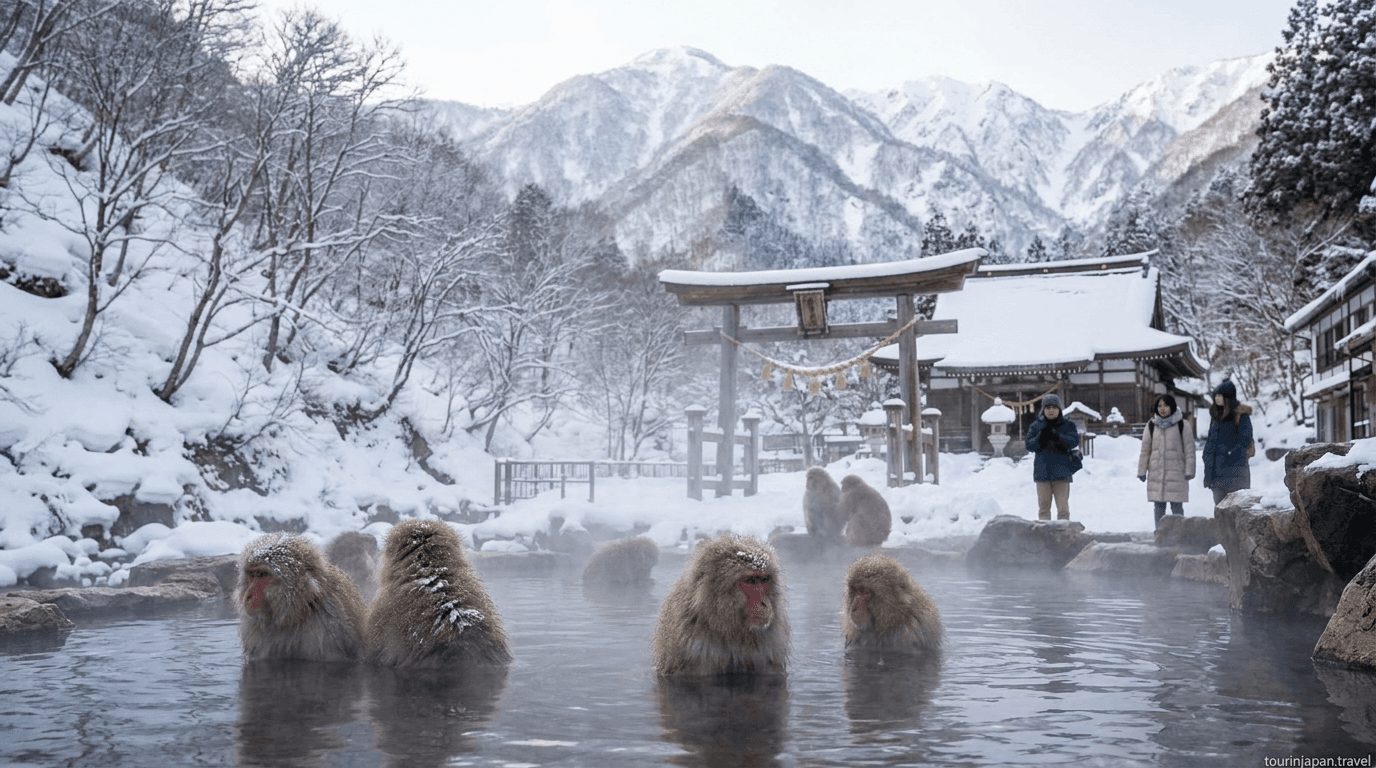
January in Japan brings New Year shrine visits, fukubukuro lucky bags, snow monkeys in Nagano and skiing in Hokkaido, plus winter travel passes.
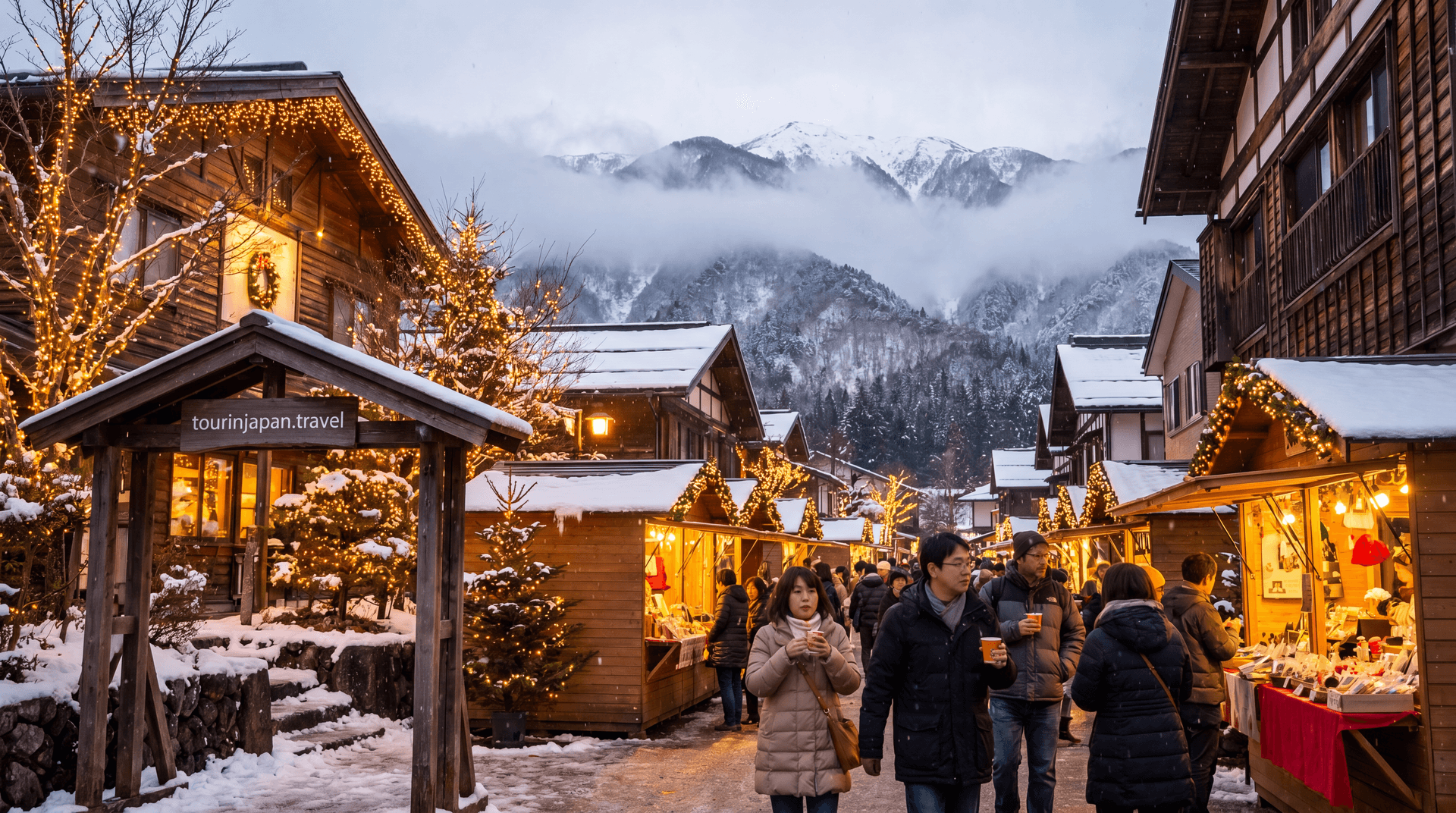
December brings winter illuminations, the start of the ski season and year-end traditions, with fewer crowds than in spring or autumn.
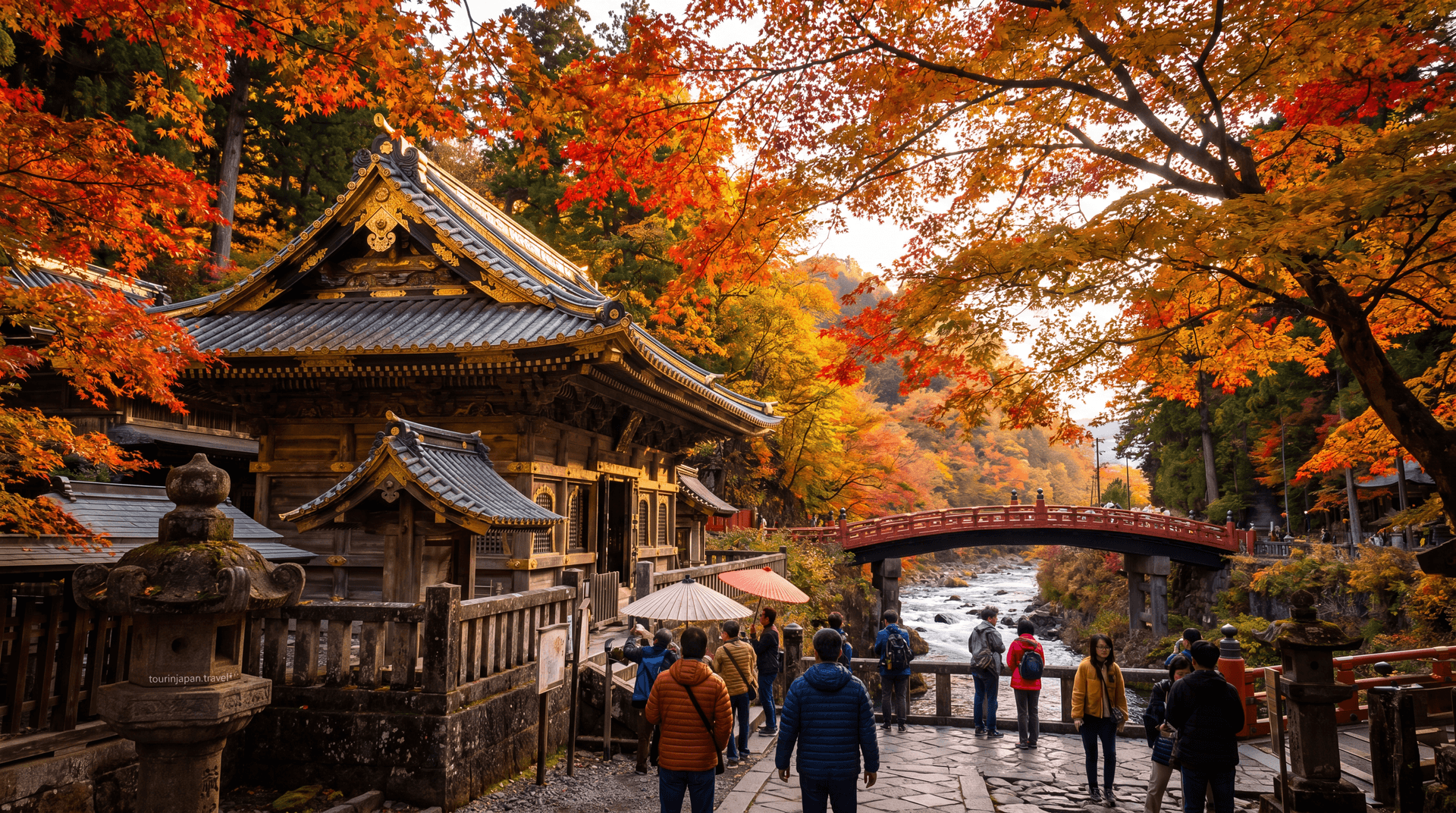
Nikko's autumn colours move from Oku-Nikko to the World Heritage shrines, peaking in early November, with falls, lake views and Senjogahara trails.
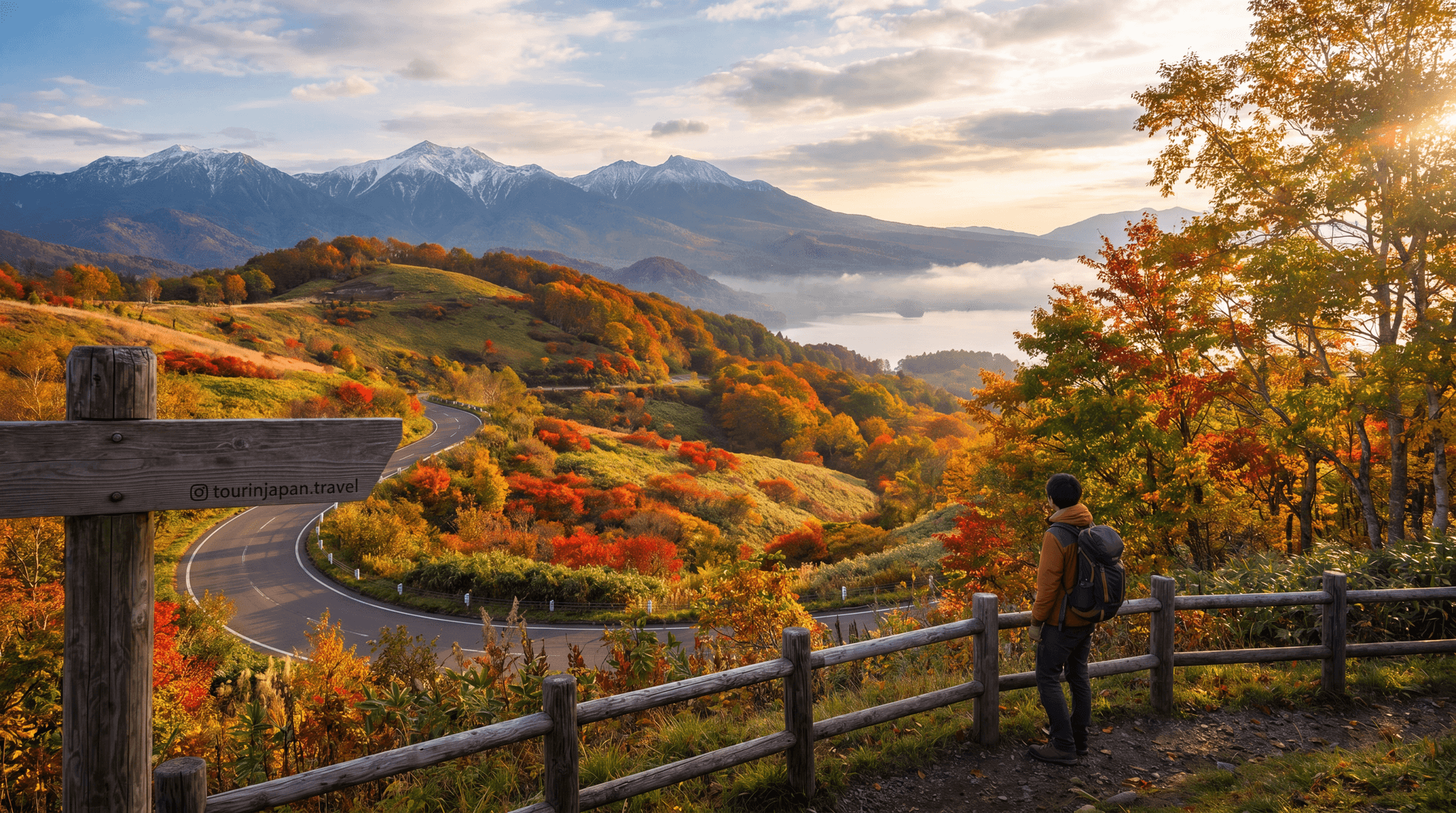
Autumn colour starts early in Daisetsuzan, moves through Biei's farm hills, and extends to Lake Towada and the Oirase Stream, with access and transport notes.
Japan's cheapest travel windows include June's rainy season and weekdays in January and February. Avoid Golden Week, Obon, New Year and cherry blossom season.
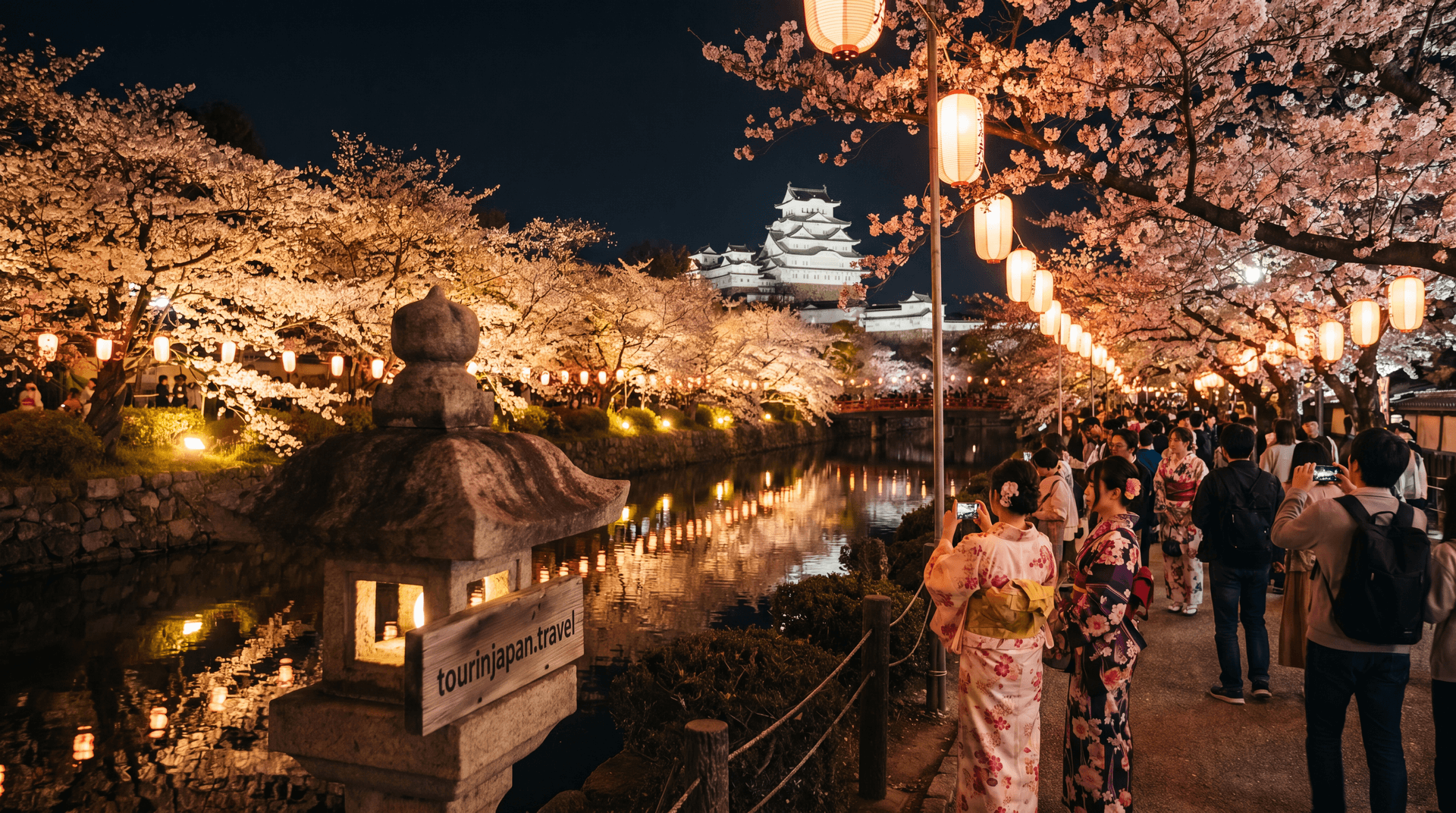
A guide to ten yozakura spots across Japan, from Tokyo rivers and gardens to Hirosaki and Mt Yoshino, with practical notes on illumination and access.
Overnight highway buses are usually cheapest; Shinkansen is faster, and a Japan Rail Pass rarely pays off for a Tokyo–Kyoto round trip alone.
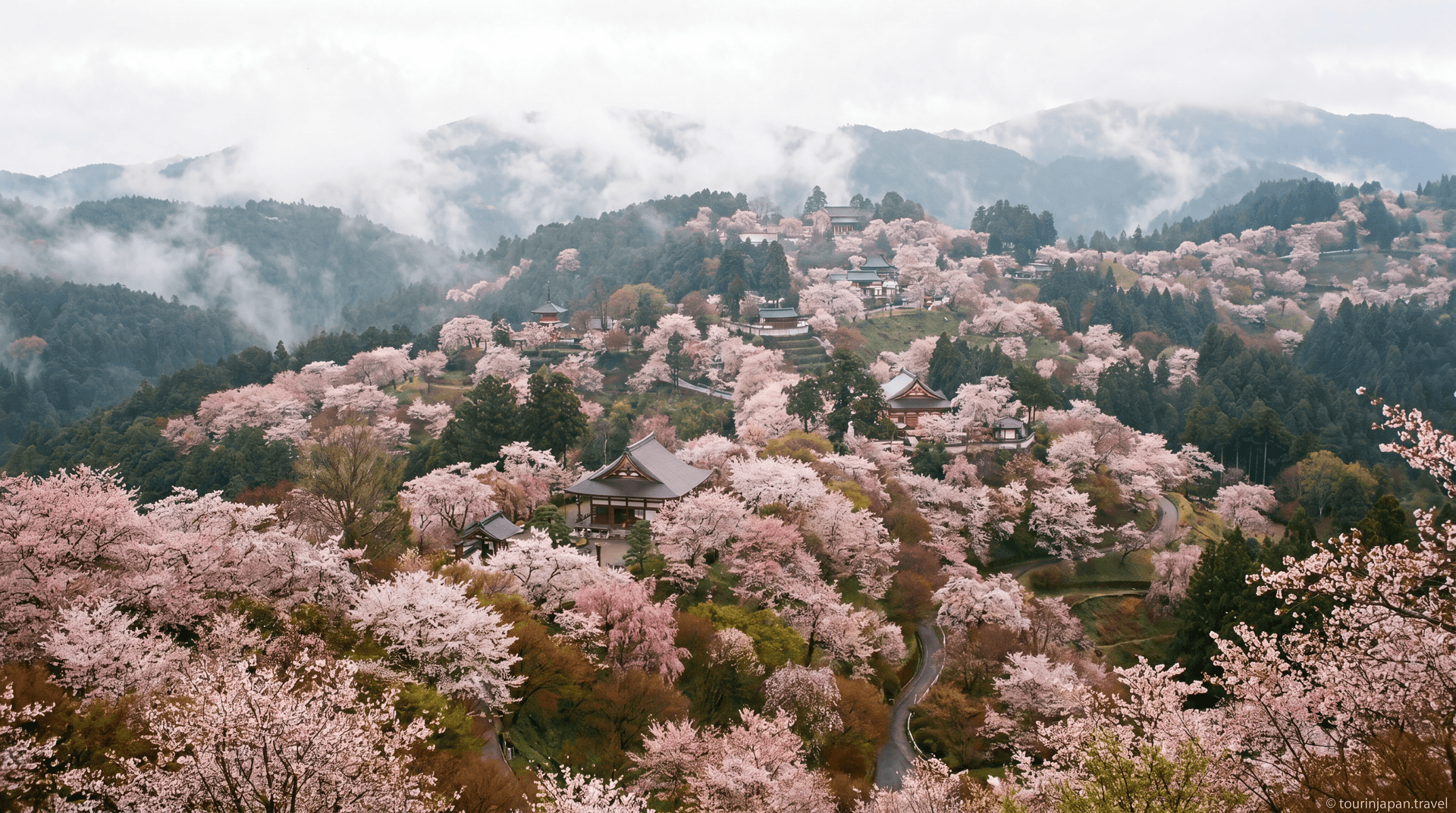
Mount Yoshino in Nara has about 30,000 cherry trees in four groves at different altitudes, so bloom moves up the slopes. Early to mid-April is usually best.
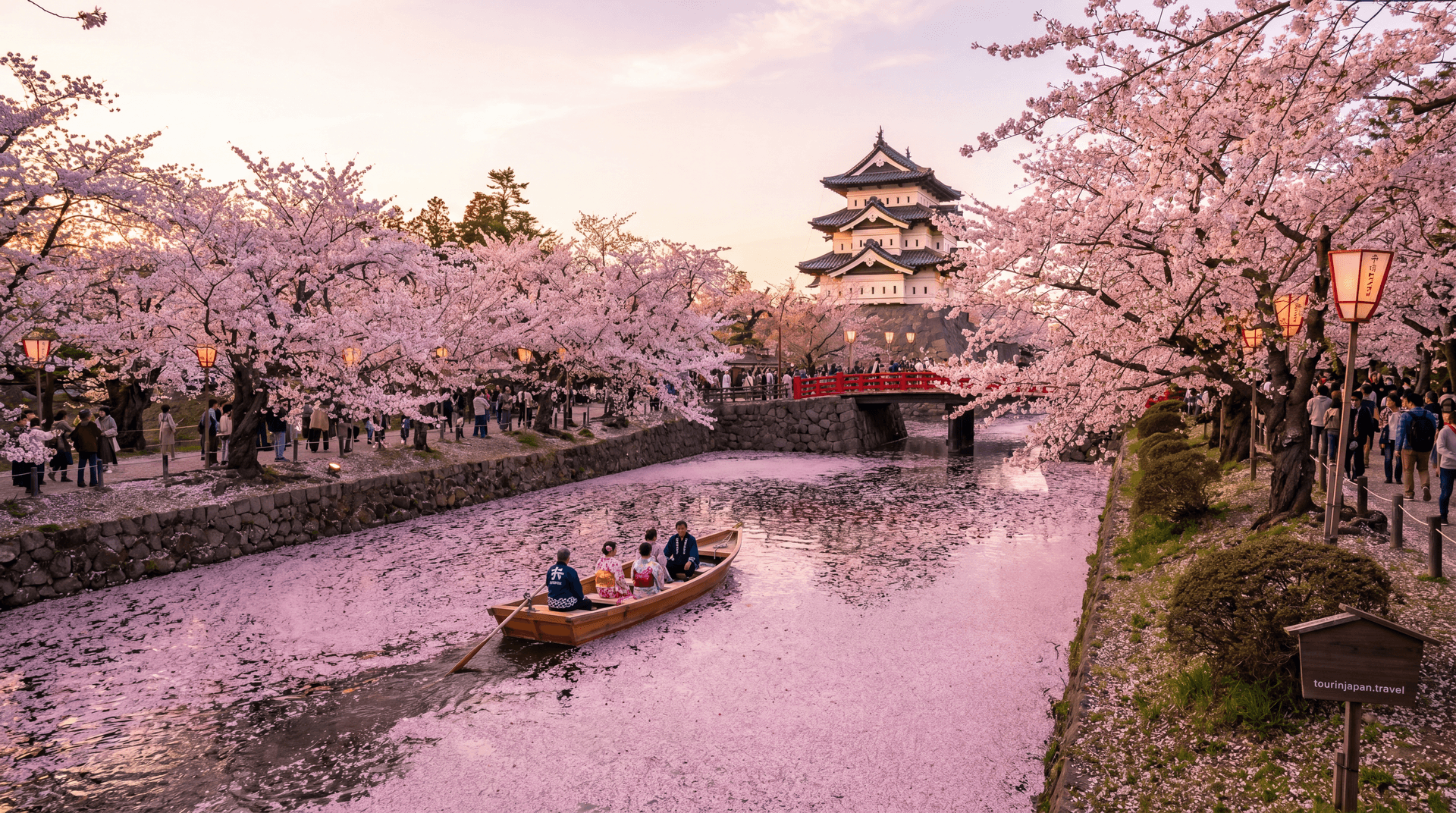
Hirosaki’s spring festival turns the castle park into a hanami highlight, with 2,600 cherry trees, petal-covered moats and evening illuminations.
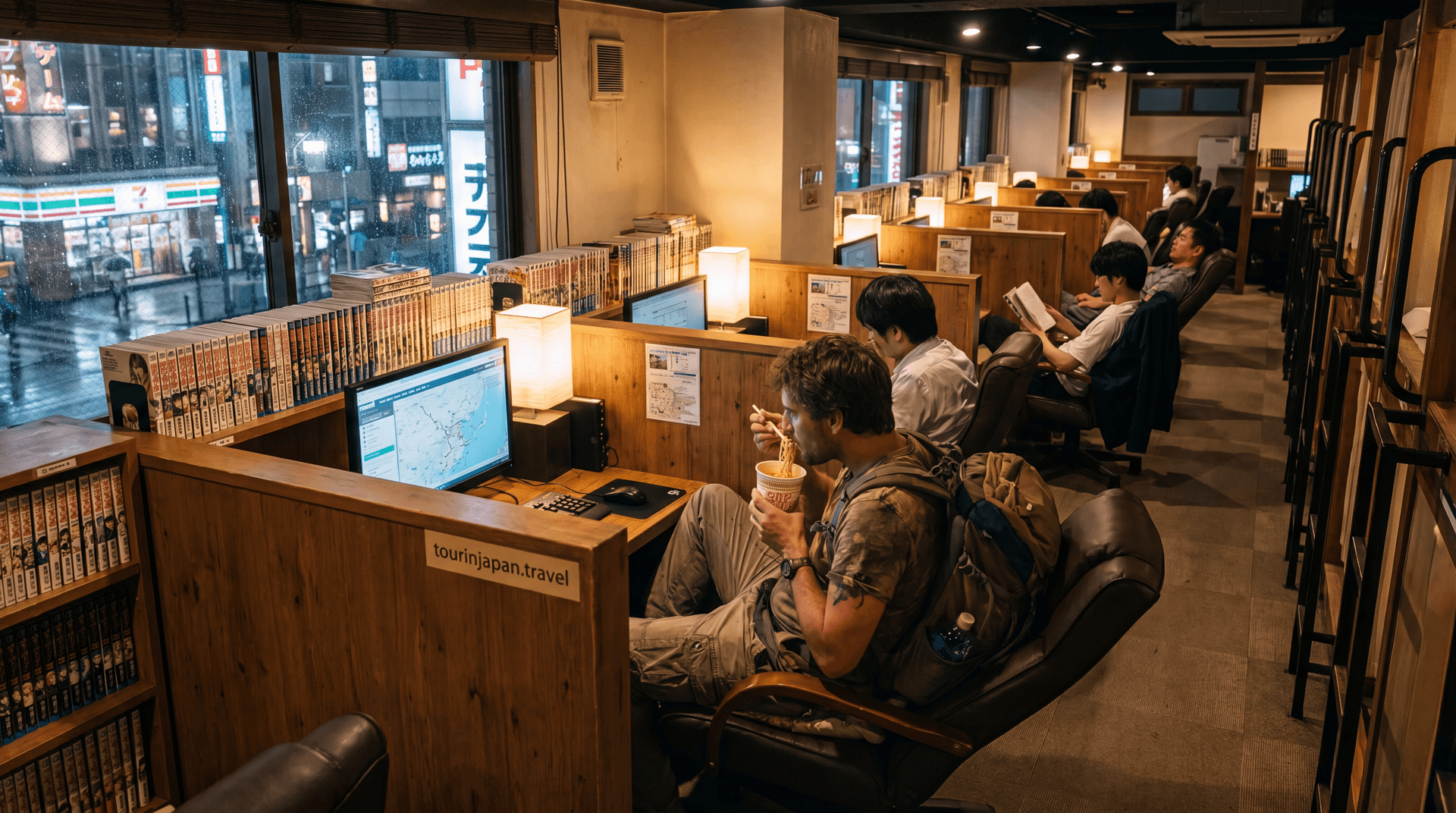
Japanese internet cafes, or manga kissa, offer private booths, manga, free drinks and sometimes showers. Prices and facilities vary by branch; check first.
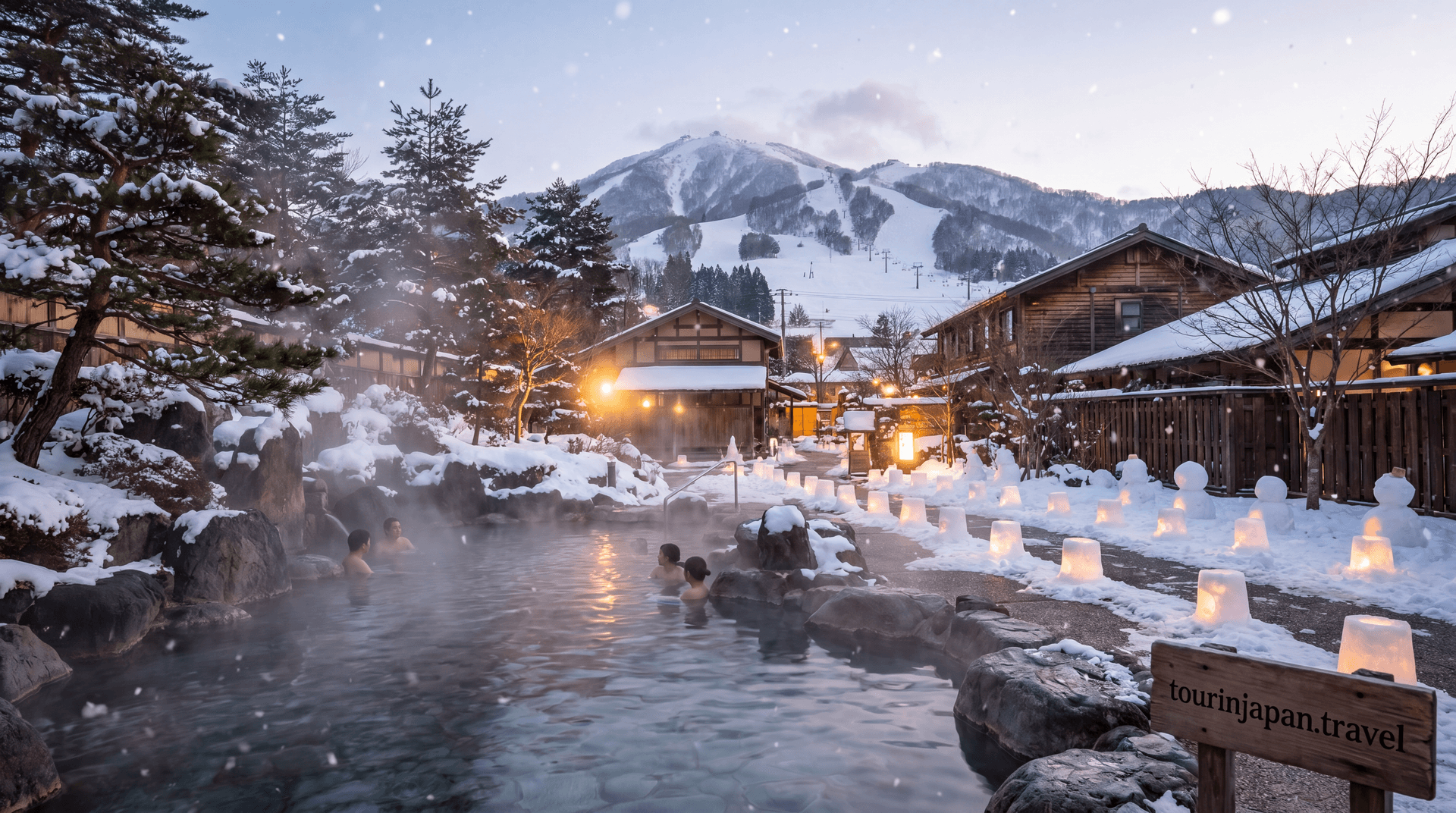
A midwinter route linking Hokkaido ski resorts, Sapporo and Otaru snow festivals, and onsen at Noboribetsu and Zao. Check dates and prices before booking.
Monthly stories, hidden gems, and exclusive deals — straight to your inbox.