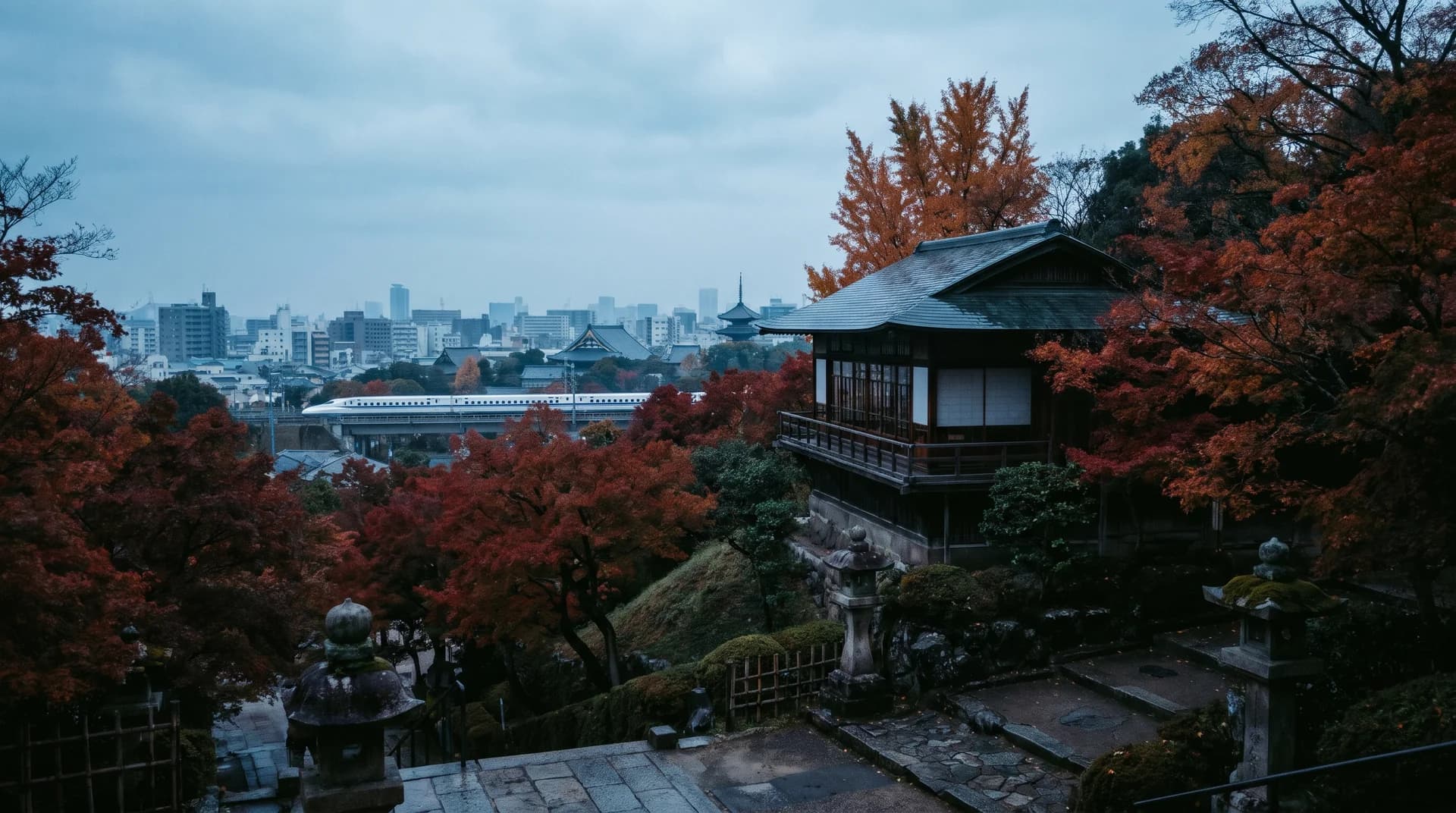
Japan Autumn Travel Guide: Tokyo, Kobe, Nagano Itinerary
Plan a 7-day autumn route linking Tokyo medical clinics, Kobe kochia fields at Nunobiki Herb Gardens, and Nagano's Flying Mud Boat teahouse. Expect ¥15,000–¥25,000 daily ($100–$170) for mid-range travel including Shinkansen segments.
Crimson kochia carpets the slopes of Nunobiki Herb Gardens in Kobe each October, a sea of fire‑red bushes that peaks during the Garden Fest 2026 Autumn event reported by SoraNews24 on 21 October 2026. Two hours west by Shinkansen, a teahouse shaped like a flying mud boat hangs suspended over a Nagano valley, documented by reporter Natsuno Futon on 20 October 2026. Back in Tokyo, English‑speaking aesthetic clinics offer Botox, fillers, HIFU, and skin boosters for visitors combining medical appointments with sightseeing, per Metropolis Japan. This guide is for independent travelers building a 7‑to‑10‑day autumn itinerary who want concrete rail logistics, dual‑currency budgets, and seasonal timing — not generic listicles. The primary keyword Japan autumn travel guide appears here because the season dictates every booking window.
By Yuki Tanaka, published 15 March 2026, updated 15 March 2026
Essential Highlights & Local Itinerary
Day 1–2: Tokyo — Clinics and Capital Logistics
Start in Tokyo where Metropolis Japan lists English‑friendly aesthetic clinics for Botox, fillers, HIFU, and skin boosters. Most cluster in Shibuya (Dogenzaka area, Shibuya‑ku), Ginza (Chuo‑ku), and Ebisu (Shibuya‑ward). All three neighbourhoods sit on the JR Yamanote Line, making transfers straightforward.
How to get there:
- From Narita Airport, take the Narita Express (N’EX) to Tokyo Station (≈ 1 h 15 min, ¥3,020). Transfer to the Yamanote Line and alight at Shibuya Station (Exit 1C for Dogenzaka).
- From Haneda Airport, hop on the Tokyo Monorail to Hamamatsucho, then switch to the Yamanote Line for Shibuya.
- For Ginza, use the Tokyo Metro Ginza Line (G09) from Shibuya to Ginza (G09→G10). Exit B5 leads directly onto the main shopping arcade where many clinics sit on the 2nd floor of the Ginza Six complex.
- Ebisu is a two‑stop ride on the Yamanote Line from Shibuya; Exit 2 opens onto the Ebisu Garden Place area where the HIFU clinic is located.
Clinic hours generally run 10:00–19:00, though some upscale locations in Ginza stay open until 20:30. A typical initial consult lasts 30–45 minutes, and most clinics require a photo ID and a brief medical questionnaire. Book consultations at least three weeks ahead; autumn is peak season for both tourism and local patients.
Payments & cancellations: Clinics accept major credit cards, but confirm cancellation policies in writing — many charge 100 % for same‑day cancellations.
Transport cards: After appointments, use a Suica or Pasmo IC card (¥2,000 deposit + ¥1,500 credit, ~$13 + $10, ≈ €12 + €9, varies with exchange rate) for subway, bus, and convenience‑store purchases. The card can be topped up at any JR East ticket machine.
JR Pass vs point‑to‑point: The 2026 JR Pass nationwide ordinary car costs ¥50,000 ($340, ≈ €310, varies) for 7 days; calculate whether point‑to‑point Shinkansen tickets (Tokyo–Shin‑Kobe ¥14,500 / $99 one‑way, ≈ €90, varies) are cheaper for your route. If you plan to add a day trip to Nikko or Hakone, the Pass usually pays off.
Seasonal tips: Late October sees the city’s parks turn amber, especially in Shinjuku Gyoen (open 9:00–16:30, ¥500). Dress in layers; a light jacket and a compact umbrella are advisable.
Day 3–4: Kobe — Nunobiki Herb Gardens and Kochia Peak
Take the 07:30 Shinkansen from Shinagawa (JR East Tokaido Shinkansen) to Shin‑Kobe (JR West Sanyo Shinkansen) — 2 h 45 min. Shin‑Kobe Station (JR Kobe Line, Sannomiya‑Kita exit) is a short walk to the Shin‑Kobe Ropeway base station; follow signs to the “Kobe City Ropeway” and descend the escalator to the ticket hall. The Kobe Municipal Subway Seishin‑Yamate Line also stops at Shin‑Kobe (S03) for those preferring a subway ride.
Ropeway details: The ropeway (¥1,200 / $8 round‑trip, ≈ €7, varies) climbs to Nunobiki Herb Gardens at 400 m elevation. It operates 9:00–17:00 (varies seasonally); the last departure is 16:30. Purchase tickets at the ropeway ticket office (cash only) or use a Suica card at the automated gate.
Garden Fest 2026 Autumn: Runs mid‑October through early November; kochia (bassia scoparia, locally called kokia) turns brilliant red in late October per SoraNews24 21 October 2026. The gardens open 9:30–17:00 (last entry 16:30, varies). Allow 3–4 hours for the gardens, herb museum, and glasshouse café. Highlights include the seasonal “Kochia Light Tunnel” where thousands of red stems line a narrow path, and a pop‑up tea stall serving matcha‑flavoured sweets.
How to get around Kobe: After the ropeway, descend via the “Kobezaka” path to the main garden entrance and catch the city bus (Kobe City Bus route 8) back to Sannomiya Station. Sannomiya is a major hub where the JR Kobe Line, Hankyu Kobe Line, and Hanshin Main Line intersect.
Accommodation: Stay near Sannomiya Station (JR Kobe Line, Hankyu Kobe Line, Hanshin Main Line) for dinner — Kobe beef teppanyaki runs ¥8,000–¥15,000 ($54–$102, ≈ €50–€95, varies) per person. Recommended hotels include the Hotel La Suite Kobe Harborland (walkable from Harborland Station on the Kobe Municipal Subway Kaigan Line) and the boutique Guest House Kobe (a budget option two minutes on foot from Sannomiya).
Additional autumn events: The Kobe Luminarie, a light festival commemorating the 1995 earthquake, runs from early December to early February, but the city also hosts a “Harvest Food Market” on weekends in the Kobe Port Tower plaza during October. Check the Kobe City tourism website for exact dates.
Day 5–6: Nagano — Flying Mud Boat Teahouse
Return to Shin‑Kobe, ride the Shinkansen to Nagoya (JR Central Tokaido Shinkansen, 1 h 10 min), transfer to the Limited Express Shinano (JR Central) to Nagano (≈ 3 h). Total travel ≈ 4 h 30 min.
Nagano Station arrival: Use Exit A2 to reach the bus terminal; the “Nagano City Loop Bus” (green line) departs every 20 minutes and can drop you at the “Matsukawa” stop, a short 10‑minute walk to the rental‑car desk.
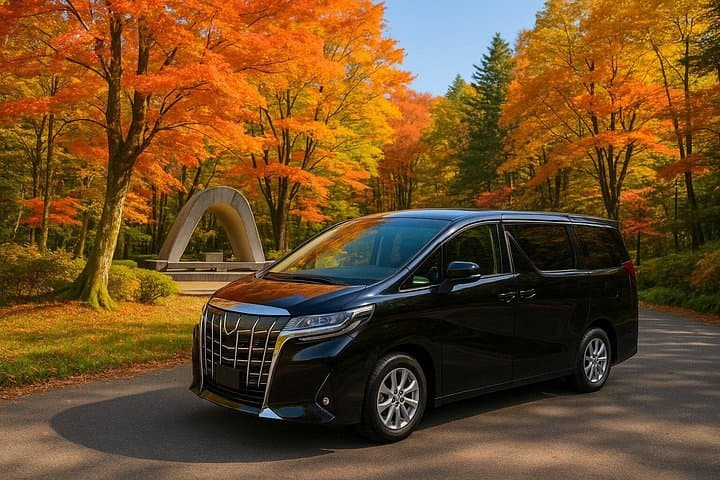
Car rental: Rental agencies (Toyota Rent a Car, Nippon Rent‑a‑Car) operate counters inside Nagano Station. Rates are ¥8,000–¥12,000 / $54–$82 per day, ≈ €50–€75, varies. Book online in advance to secure a compact hybrid, which is easier on mountain roads.
Flying Mud Boat teahouse (Doshu-an, 土舟庵): The teahouse sits at 1,100 m elevation in the Togakushi highlands, 32 km northwest of Nagano Station via Prefectural Route 36 (approx. 50 min drive). The structure — a glass‑walled tea room cantilevered on a steel frame over a forested ravine — was featured by reporter Natsuno Futon on 20 October 2026. Access requires a rental car (¥8,000–¥12,000 / $54–$82 per day, ≈ €50–€75, varies) or a pre‑booked taxi (¥15,000 / $102 round‑trip from Nagano Station, ≈ €95, varies per Nagano Taxi Association 2026 rate card). No public bus serves the site. The mountain road (Pref. Route 36) is narrow with hairpin turns; after the first frost (typically early November), snow chains are mandatory per Nagano Prefecture road regulations.
Opening hours: Open 10:00–16:00; last entry 15:30. No reservation system — arrive early, especially on weekends when local school groups visit. The interior features floor‑to‑ceiling windows offering panoramic views of the surrounding forest; tea service includes matcha, hojicha, and seasonal sakura‑infused sweets (price varies, typically ¥800–¥1,200 / $5–$8).
Nearby attractions: Pair the teahouse with a visit to Zenko‑ji Temple (free entry, ¥500 / $3.40 for inner sanctuary, ≈ €3, varies; temple grounds open 6:00–16:00, varies) located a 15‑minute walk from Nagano Station. The temple’s iconic “Night Market” runs on the 3rd Saturday of each month, offering street‑food stalls and craft vendors.
Togakushi Shrine: Take the Alpico Kotsu bus (¥1,500 / $10 round‑trip from Nagano Station, ≈ €9, varies) to Togakushi (approximately 1 h 30 min). Buses run roughly hourly; check the timetable at the Nagano Station information desk. The shrine complex consists of four separate sites; the main entrance (Togakushi‑san) is famous for its cedar‑lined path and the “Ninja Museum” (¥800).
Seasonal considerations: Late October brings crisp air (10–15 °C) and the first color change of the Japanese maple (momiji) in the Nagano highlands. If you travel after the first week of November, snow may begin to accumulate at higher elevations, making the mountain road to the teahouse more challenging.
Day 7: Return or Extend
From Nagano, the Hokuriku Shinkansen (JR East) reaches Tokyo in 1 h 30 min (¥8,000 / $54, ≈ €50, varies). Seats can be reserved free of charge with a JR Pass at any ticket office; otherwise, a non‑reserved seat costs ¥5,500.
Alternative exit: If you prefer to fly out of Kansai, take the Limited Express Thunderbird (JR West) from Nagano to Osaka (≈ 3 h). Transfer at Osaka Station to the Kansai Airport Express (JR West) for Kansai International Airport (≈ 75 min, ¥1,200).
Extension ideas: Extend one day to visit the historic town of Matsumoto (JR Shinano Line, 1 h 15 min from Nagano) to see Matsumoto Castle (¥610) and the Nawate‑dori shopping street. Or head to the hot‑spring town of Yudanaka (JR Hokuriku Line, 1 h 45 min) for an onsen experience and to watch the famous snow monkeys at Jigokudani (¥800 bus fee, varies).
Practical Details & Dual‑Currency Budget
Best Season & Weather: Late October to early November delivers peak kochia color and comfortable 15–20 °C days. Typhoon risk drops sharply after mid‑October but monitor JMA alerts. Golden Week (late April–early May) and cherry blossom season (late March–early April) see tripled accommodation prices — avoid unless booked six months ahead.
Budget Breakdown (per person, 2026 rates, USD at 147 JPY/USD):
- Budget: ¥12,000–¥15,000 ($82–$102, ≈ €75–€95) daily — hostels ¥3,500 ($24, ≈ €22), convenience meals ¥1,200 ($8, ≈ €7), local transport ¥1,500 ($10, ≈ €9), attraction fees ¥2,000 ($14, ≈ €13).
- Mid‑range: ¥20,000–¥30,000 ($136–$204, ≈ €125–€190) daily — business hotels ¥10,000 ($68, ≈ €63), sit‑down meals ¥3,500 ($24, ≈ €22), Shinkansen segments ¥14,500 ($99, ≈ €90) as needed, ropeway/entry fees ¥3,000 ($20, ≈ €18).
- Luxury: ¥50,000+ ($340+, ≈ €315+) — ryokan with kaiseki ¥35,000 ($238, ≈ €220), Green Car Shinkansen ¥20,000 ($136, ≈ €125), private clinic treatments ¥50,000–¥200,000 ($340–$1,360, ≈ €315–€1,260).
Transit & Access: Purchase Suica/Pasmo at any JR East station (¥2,000 deposit). JR Pass must be bought overseas before arrival; exchange at JR East Travel Service Center in Tokyo Station (Marunouchi side). Shinkansen seat reservations are free with the pass — book at ticket machines or counters. Ride‑hailing apps (Go, Uber Japan) work in Tokyo, Kobe, Nagano; cash still preferred in rural taxis.
Where to Eat & Local Food Secrets
Kobe: Beyond beef, try akashiyaki (octopus dumplings in dashi, ¥600 / $4, ≈ €3.5) at stalls near Sannomiya Central Street (Sannomiya‑Ekimae exit) — vendor “Akashiyaki Honpo” has operated since 1952 per Kobe City food guide 2026. Order "omakase" at a counter teppanyaki for chef's selection — confirm price before sitting. The Kobe Harborland area also hosts a night‑market (Harborland Mosaic) where you can sample takoyaki and yakisoba for ¥500‑¥800.
Nagano: Togakushi soba (buckwheat noodles served cold with grated daikon, ¥1,200 / $8, ≈ €7) at shops along the shrine approach — “Soba-ya Yamaguchi” (200 m from Togakushi‑san torii) is Michelin Bib Gourmand 2026. Oyaki (steamed dumplings with vegetable filling, ¥200 / $1.40, ≈ €1.3) make portable snacks; the best stalls are near the Togakushi‑san entrance per Nagano Prefecture tourism brochure 2026. In downtown Nagano, the "Matsukawa‑dori" alley offers grilled river fish (ayu) for ¥1,000.
Tokyo: Tsukiji Outer Market opens 5:00–14:00; grilled scallop ¥500 ($3.40, ≈ €3), tamago‑yaki ¥300 ($2, ≈ €1.8) per vendor price boards October 2026. Department store depachika (basement food floors) discount bentos 30–50 % after 19:00. For a budget‑friendly dinner, head to Omoide‑yokocho in Shinjuku (open until late) where yakitori skewers cost ¥150‑¥250 each.
Dining etiquette: Say "itadakimasu" before eating, "gochisousama deshita" after. Don't stick chopsticks upright in rice. Tipping is refused — excellent service is standard.
Essential Traveler Checklist
- Pack layers: 15 °C mornings, 22 °C afternoons, possible rain — Uniqlo HEATTECH base layers (¥1,500 / $10, ≈ €9, varies) compress small.
- Get a Japan Travel eSIM (Ubigi, Airalo) before departure — 10 GB/30 days ~$25 (≈ €23, varies); airport kiosks cost 2× more.
- Carry ¥30,000 ($204, ≈ €190, varies) cash; many clinics, rural restaurants, and temples don't accept cards. 7‑Eleven ATMs take foreign cards 24/7.
- Temple/shrine dress: shoulders covered, no shorts above knee. Carry a lightweight scarf (¥500 / $3.40, ≈ €3, varies at konbini).
- Key phrases: "Sumimasen" (excuse me), "Onegaishimasu" (please), "Ikura desu ka?" (how much?), "Eigo no menyu arimasu ka?" (English menu?).
Autumn in Japan rewards planners who book Shinkansen seats, clinic slots, and ropeway windows early — the kochia won't wait.
Frequently Asked Questions
How much does the Kobe Nunobiki Ropeway cost?
The round‑trip fare is ¥1,200 (approximately $8 USD, ≈ €7, varies) per adult. The ropeway operates from Shin‑Kobe Station to the herb gardens at 400 m elevation. Garden Fest 2026 Autumn runs mid‑October through early November according to SoraNews24 on 21 October 2026.
Is the JR Pass worth it for a Tokyo–Kobe–Nagano–Tokyo loop?
A 7‑day nationwide ordinary JR Pass costs ¥50,000 ($340, ≈ €315, varies). The Tokyo–Shin‑Kobe Shinkansen alone is ¥14,500 ($99, ≈ €90, varies) one‑way. Adding Shin‑Kobe–Nagoya–Nagano–Tokyo segments often exceeds the pass price, so calculate your exact route before purchasing. The pass must be bought overseas before arrival.
When is the best week to see kochia at Nunobiki Herb Gardens?
Late October typically delivers peak crimson color. SoraNews24 reported the Garden Fest 2026 Autumn event on 21 October 2026 with kochia in full display. Check the official Nunobiki Herb Gardens website for real‑time foliage updates before traveling.
Can I visit the Flying Mud Boat teahouse without a car?
Access requires a rental car (¥8,000–¥12,000 / $54–$82 per day, ≈ €50–€75, varies) or a pre‑booked taxi (approximately ¥15,000 / $102 round‑trip from Nagano Station, ≈ €95, varies). No public bus serves the site. The teahouse opens 10:00–16:00 with last entry at 15:30 per SoraNews24 on 20 October 2026.
Do Tokyo aesthetic clinics accept walk‑ins for Botox or fillers?
Most English‑friendly clinics listed by Metropolis Japan require appointments booked at least three weeks ahead. Autumn is peak season for both tourism and local patients. Confirm cancellation policies in writing — many charge 100 % for same‑day cancellations.
Related reading
- Nara and Tokyo Travel Guide: Culture, Bathhouses, and Logist
- Japan October 2026 Events, Food, and Safety Guide
- Tokyo and Kyoto Logistics: Etiquette and Hidden Spots
- Tokyo Autumn Guide: Foliage, Ghibli Events and Local Eats
- Japan Autumn Travel Guide: Foliage Forecasts and Snacks
Sources
Ready to explore Japan?
Browse tours and activities, or tell us what you're looking for and we'll suggest the best options.
Stay Connected in Japan
Airalo eSIMs work on arrival — no physical SIM needed. Data plans from $5 for 7 days.
Travel Insurance for Japan
Medical, trip cancellation, and adventure sports covered. Plans from $1.5/day.