
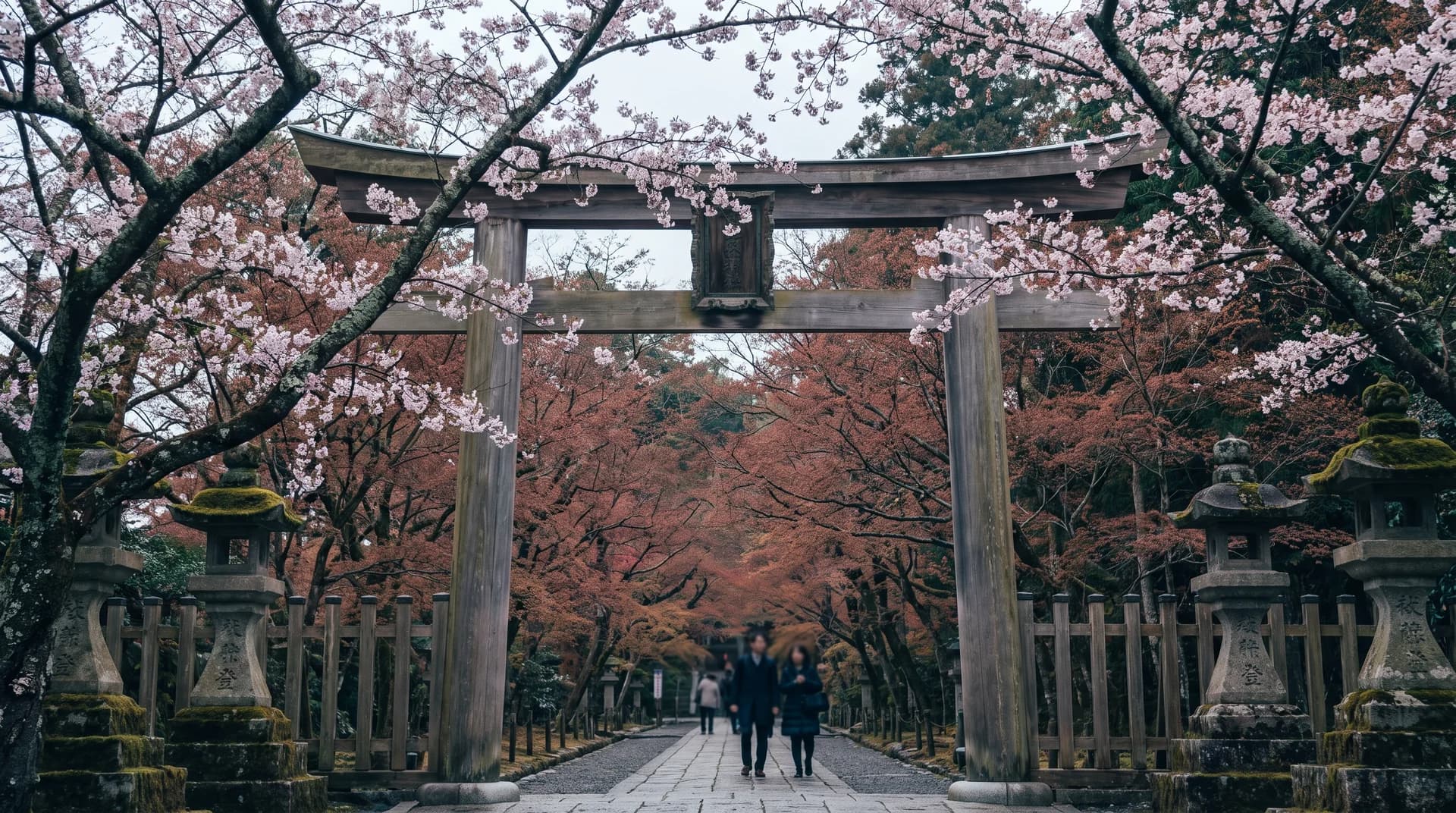
Tokyo and Kyoto Logistics: Etiquette and Hidden Spots
By Tour in Japan editors · Updated
This guide unlocks a mix of Tokyo's Asagaya neighborhood and Kyoto's Fushimi Inari. Budget approximately ¥15,000 / ~$100 USD per day for mid-range travel.
The smell of toasted sesame and the sound of distant train whistles define the narrow alleys of Asagaya. While most visitors stick to the neon chaos of Shinjuku or the crowded intersections of Shibuya, the real pulse of residential Tokyo beats in these quieter pockets. This guide to Tokyo and Kyoto logistics is for the independent traveler who wants to balance high-energy city exploration with respectful visits to Japan's most sacred sites. Whether you are navigating the playful food scene in western Tokyo or trekking through thousands of vermilion gates in Kyoto, the key is knowing the unwritten rules of the road.
For many, the first encounter with Japan is a blur of vending machines and polite bows. But to move beyond the surface, you need to understand the logistics of the 'neighborhood' experience. In Tokyo, this means venturing into districts like Asagaya, where the pace slows down and the cafes are more experimental. In Kyoto, it means recognizing that a shrine is a place of worship first and a photo opportunity second. This itinerary balances the whimsical side of Tokyo with the spiritual gravity of Kyoto, providing the exact costs and transit routes needed to execute the trip without stress.
Essential Highlights & Local Itinerary
Tokyo: The Asagaya Experience
Asagaya (杉並区) is a residential gem in Suginami, far removed from the tourist traps. It is the perfect spot for those who want to see how Tokyoites actually live. Unlike the polished facades of Ginza, Asagaya is defined by its "shotengai"—covered shopping arcades that house everything from 50-year-old tofu shops to avant-garde bookstores.
One of the most unique stops here is the local cafe scene. In Asagaya, you will find establishments that challenge the typical "coffee and cake" paradigm. Some cafes specialize in tactile experiences, where desserts are designed to be disassembled, painted with fruit syrups, or sculpted, mimicking childhood curiosity. These experiences are designed to break the rigidity of adult life through tactile, edible art, often utilizing ingredients like matcha-infused clays or molecular gastronomy foams that change texture as you eat them.
How to get there: Take the JR Chuo Line (Rapid) from Shinjuku Station to Asagaya Station. The ride takes approximately 15 minutes and costs ¥170. From the station, exit via the North Exit to immediately enter the heart of the shopping district. The best way to explore is on foot, weaving through the narrow side-streets where small galleries and independent vinyl shops hide.
Timing: Visit between 11:00 AM and 3:00 PM to catch the lunch crowds and the best lighting for the cafe installations. Plan for 3 to 4 hours to wander the side streets. If you visit on a weekend, look for the local flea markets that occasionally pop up near the station.
Estimated Cost: Cafe entries and specialty sweets typically range from ¥1,200 to ¥2,500 / ~$8 to $17 USD. A full "interactive set" (drink, main dessert, and activity materials) usually lands around ¥1,800.
Kyoto: Fushimi Inari Taisha
Fushimi Inari (伏見稲荷大社) is world-famous for its thousands of torii gates. However, it has recently become a flashpoint for etiquette disputes. The shrine administration has explicitly asked foreign tourists to stop filming dance videos (TikToks/Reels) and performing disruptive acts beneath the gates. The site is a sacred space dedicated to Inari, the god of rice and prosperity; maintaining a quiet, respectful demeanor is mandatory.
How to get there: From Kyoto Station, take the JR Nara Line to Inari Station. It is a 5-minute ride costing ¥150. The shrine entrance is directly across from the station. Alternatively, you can take the Keihan Main Line to Fushimi-Inari Station, which is a slightly longer walk but puts you closer to the local residential shops.
Timing: Arrive by 7:00 AM to avoid the massive crowds. The "Instagrammable" lower sections become congested by 9:00 AM. If you hike to the summit of Mount Inari, allow 2 to 3 hours for the round trip. The higher you climb, the thinner the crowds become, and the more authentic the spiritual atmosphere feels.
Estimated Cost: Entry to the shrine grounds is free. Small offerings at the altars typically cost ¥5 or ¥10 coins. If you purchase an ema (wooden prayer plaque) to write your wishes on, expect to pay ¥1,000 to ¥1,500.
If you are planning your visit during the cooler months, be sure to check the Japan Autumn Travel Guide: Foliage Forecasts and Snacks to time your Kyoto visit with the changing leaves, which peak in mid-to-late November.
Tokyo: Ueno and Beyond
For those staying in central Tokyo, Ueno provides a great anchor for museum-hopping and park walks. It serves as a logistical hub for those arriving via the Shinkansen. While in the area, you can explore the local bike culture—Ueno is a great place to rent a mamachari (city bike) to navigate the park's hidden ponds and the outskirts of the Yanaka Ginza district.
How to get there: Accessible via the JR Yamanote Line or the Ginza Subway Line to Ueno Station. From the station, it is a 5-minute walk to the Ueno Park entrance.
Timing: Morning is best for the museums (opening at 9:00 AM), specifically the Tokyo National Museum. The evening is better for the Ameyoko market, where the energy peaks between 5:00 PM and 8:00 PM as workers stop for street food and drinks.
Estimated Cost: Museum entries vary, but generally cost between ¥600 and ¥1,500 / ~$4 to $10 USD. A street food dinner at Ameyoko typically costs ¥2,000 / ~$13 USD.
For more details on navigating this specific area, see the Ueno Tokyo Travel Guide: New Cafe, Bike Rules & Local Secret.
The Play: Step-by-Step Logistics
Executing a trip between Tokyo and Kyoto requires a precise sequence of movements to avoid wasting hours in transit or fighting crowds. Here is the concrete blueprint for a 7-day split.
Step 1: The Arrival & Setup (Day 1-2)
- Landing: Upon landing at Narita (NRT) or Haneda (HND), immediately activate your eSIM. Do not rely on airport Wi-Fi for navigation.
- IC Card Acquisition: If you don't have a digital Suica/Pasmo on your phone, buy a physical "Welcome Suica" at the airport. Load it with ¥5,000 immediately. This covers your trains, buses, and even convenience store purchases.
- The Tokyo Base: Check into a hotel in a central but accessible area. For Asagaya access, staying near Shinjuku or Nakano is ideal.
Step 2: The Deep-Dive Exploration (Day 3)
- 09:00 AM: Head to Asagaya. Walk the North Exit shotengai. Stop at a local bakery for a melon pan (¥200).
- 11:30 AM: Enter one of the interactive cafes. Order the seasonal set. Spend 90 minutes engaging with the food art.
- 02:00 PM: Wander the residential alleys. Look for the small shrines tucked between houses—these are the "true" Tokyo logistics of daily spirituality.
- 05:00 PM: Return to Shinjuku for dinner. Budget ¥3,000 for a high-quality ramen and gyoza meal.
Step 3: The Kyoto Transition (Day 4)
- 08:00 AM: Arrive at Tokyo Station. Use the Midori-no-madoguchi (ticket office) or a vending machine to purchase your Shinkansen ticket to Kyoto.
- The Ride: Choose a seat on the right side of the train (Seat E) to increase your chances of seeing Mount Fuji as you pass Shizuoka.
- Kyoto Arrival: Upon arriving at Kyoto Station, store your luggage in a coin locker (¥600–¥800) if your hotel is not nearby. This allows you to head straight to your first site without hauling bags.
Step 4: The Sacred Trek (Day 5)
- 06:30 AM: Wake up and head to Inari Station.
- 07:00 AM: Enter Fushimi Inari. Walk the lower gates quickly, then push upward toward the Yotsutsuji intersection for the best view of the city.
- 10:00 AM: Descend and visit the local tofu shops. Buy a piece of Yuba (tofu skin) for ¥400.
- 01:00 PM: Use the Kyoto city bus (flat fare of ¥230) to reach the Gion district or Kiyomizu-dera.
Practical Details & Dual-Currency Budget
Best Season & Weather
Spring (March to May) and Autumn (September to November) are the peak seasons. Spring brings the cherry blossoms, while Autumn offers mild temperatures and vibrant maples. Summer (June to August) is punishingly hot and humid, often coinciding with the rainy season in June. Winter (December to February) is cold but dry, offering the clearest views of Mount Fuji from the city.
Budget Breakdown
Japan can be scaled to various budgets, but for an independent traveler, these are the daily estimates:
Budget Traveler: ¥6,000 – ¥9,000 / ~$40 – $60 USD per day.
- Lodging: Hostel dorm (¥3,000).
- Food: Konbini breakfast, beef bowl (Yoshinoya) lunch, and supermarket dinner (¥2,500).
- Transit/Entry: IC card top-ups and free shrines (¥1,500).
Mid-Range Traveler: ¥15,000 – ¥25,000 / ~$100 – $170 USD per day.
- Lodging: Business hotel like APA or Toyoko Inn (¥8,000–¥12,000).
- Food: Cafe brunch, mid-tier izakaya dinner, and street snacks (¥5,000).
- Transit/Entry: Shinkansen amortized daily, museum entries, and taxis for short hops (¥3,000–¥5,000).
Transit & Access
For Tokyo and Kyoto logistics, the most efficient method is using an IC card (Suica or Pasmo). You can add these to your Apple Wallet or Google Pay for seamless tapping. In Tokyo, the JR Yamanote Line is your primary loop. In Kyoto, the bus system is extensive, though the subway is faster for reaching the city center.
Pro Tip: In Kyoto, the buses can get incredibly crowded. Use the "Raku Bus" lines designed for tourists, or better yet, rent an electric bicycle for ¥1,500 a day to bypass traffic entirely.
If you are venturing toward the mountains or the coast, you might consider a regional pass. For those heading south toward the coast, the Wakayama Coast Guide: Hashigui-iwa and Regional Logistics provides a blueprint for managing transport outside the major hubs.
Real-World Example: The "Smooth Operator" Itinerary
To illustrate how these logistics work in practice, let's look at a hypothetical traveler, Sarah, visiting for 5 days.
Day 1 (Tokyo): Sarah lands at Narita, taps her digital Suica for the Narita Express (¥3,070), and checks into a hotel in Nakano. She spends ¥2,000 on a dinner of Tonkatsu and a drink from a vending machine. Day 2 (Tokyo): She takes the Chuo Line to Asagaya (¥170). She spends 3 hours in a "childhood nostalgia" cafe, paying ¥2,200 for a dessert set. She spends the afternoon browsing a local stationery shop and spends ¥1,500 on Washi tape. Total daily spend: ¥5,000 (excluding hotel). Day 3 (The Shift): Sarah takes the Shinkansen to Kyoto (¥14,000). She uses a coin locker at the station (¥700) and takes a bus to her Ryokan (¥230). Dinner is a traditional Kaiseki meal costing ¥8,000. Total daily spend: ¥23,000. Day 4 (Kyoto): She arrives at Fushimi Inari at 6:45 AM. She spends ¥1,200 on a prayer plaque and ¥800 on Inari-zushi. She spends the afternoon at the Kyoto National Museum (¥1,500). Total daily spend: ¥4,000 (excluding hotel). Day 5 (Return): She takes the Shinkansen back to Tokyo (¥14,000) and finishes her trip with a shopping spree at Don Quijote, spending ¥10,000 on skincare and snacks. Total daily spend: ¥24,000.
Sarah's Total Trip Cost: Approximately ¥70,000 + hotels. By following the "early start" rule at Fushimi Inari and using an IC card, she avoided 4 hours of queuing and ticket-machine confusion.
Where to Eat & Local Food Secrets
Asagaya's Creative Cafes
In Asagaya, look for small, independent cafes that specialize in "interactive" desserts. These are not your standard coffee shops; they are spaces where the food is designed to be manipulated or played with. You might find a dessert that looks like a miniature garden where you "plant" fruit seeds into a mousse soil.
Typical Price: A specialty dessert and coffee set usually costs ¥1,500 / ~$10 USD. If you order an additional piece of artisanal cake, add ¥600.
Kyoto's Street Snacks
Near the entrance of Fushimi Inari, you will find vendors selling Inari-zushi (vinegared rice in fried tofu pouches), which are named after the fox deities of the shrine. Also, look for Kitsune Udon (udon with fried tofu), which is the hearty version of the same theme.
Typical Price: A portion of Inari-zushi typically costs ¥500 to ¥800 / ~$3 to $5 USD. A bowl of Kitsune Udon is usually ¥900 to ¥1,200.
Dining Etiquette
When eating at small shops in Asagaya or Kyoto, remember that tipping is not practiced in Japan and can sometimes be seen as confusing or rude. If you leave money on the table, the server will likely chase you down the street to return it.
The Money Tray: Always use the provided small plastic tray (called a cash tray) to hand over your money. Placing money directly into a cashier's hand is considered slightly uncouth.
Walking and Eating: In Kyoto's more traditional areas, especially around Gion and Fushimi Inari, avoid eating while walking (tabearuki). It is considered poor manners in residential neighborhoods. Instead, stand to the side of the vendor's stall or find a designated seating area to finish your snack.
Essential Traveler Checklist
- Cash is King: While IC cards work for transit, many small cafes in Asagaya and shrines in Kyoto only accept cash (JPY). Carry at least ¥10,000 in small bills for these instances.
- eSIM Setup: Purchase a travel eSIM (like Airalo or Ubigi) before landing for immediate access to Google Maps. Tokyo's side streets are a labyrinth; you will need GPS to find the hidden cafes in Asagaya.
- Shrine Dress Code: While there is no strict dress code for Fushimi Inari, avoid overly revealing clothing. Most importantly: never film dance videos or use a tripod in the narrow paths of the torii gates, as this blocks the flow of worshippers.
- Comfortable Footwear: You will likely walk 15,000 to 20,000 steps a day. Bring broken-in walking shoes. Avoid brand-new shoes that cause blisters during the 3-hour Fushimi Inari hike.
- Basic Phrases: Learn "Sumimasen" (Excuse me/Sorry) to get a waiter's attention, and "Arigato gozaimasu" (Thank you very much) to show gratitude. In Kyoto, a simple "Konnichiwa" (Hello) goes a long way with local shop owners.
Sign up for our newsletter for weekly travel updates and hidden gem guides.
Frequently Asked Questions
How much does a typical day in Tokyo cost?
For a mid-range traveler, expect to spend between ¥15,000 and ¥25,000 (~$100 to $170 USD) per day. This includes a business hotel room (¥8,000), three meals including one nice dinner (¥6,000), local transit (¥1,000), and one paid attraction (¥1,500).
Is it okay to take photos at Fushimi Inari?
Yes, photography is allowed and encouraged. However, disruptive behavior, such as filming dance videos, using large lighting rigs, or blocking the path of other worshippers, is strictly prohibited and frowned upon by the local community. Be mindful of the signs indicating where photography is restricted (usually inside the innermost sanctums).
How do I get from Tokyo to Kyoto?
The most efficient way is via the Shinkansen (bullet train). The trip takes approximately 2 hours and 15 minutes from Tokyo Station to Kyoto Station. A one-way reserved seat costs roughly ¥14,000 / ~$95 USD. You can buy tickets via the SmartEX app in advance to save time and sometimes secure a lower fare.
Related reading
Stay Connected in Japan
Yesim eSIMs work on arrival — no physical SIM needed. Japan data plans from $5.