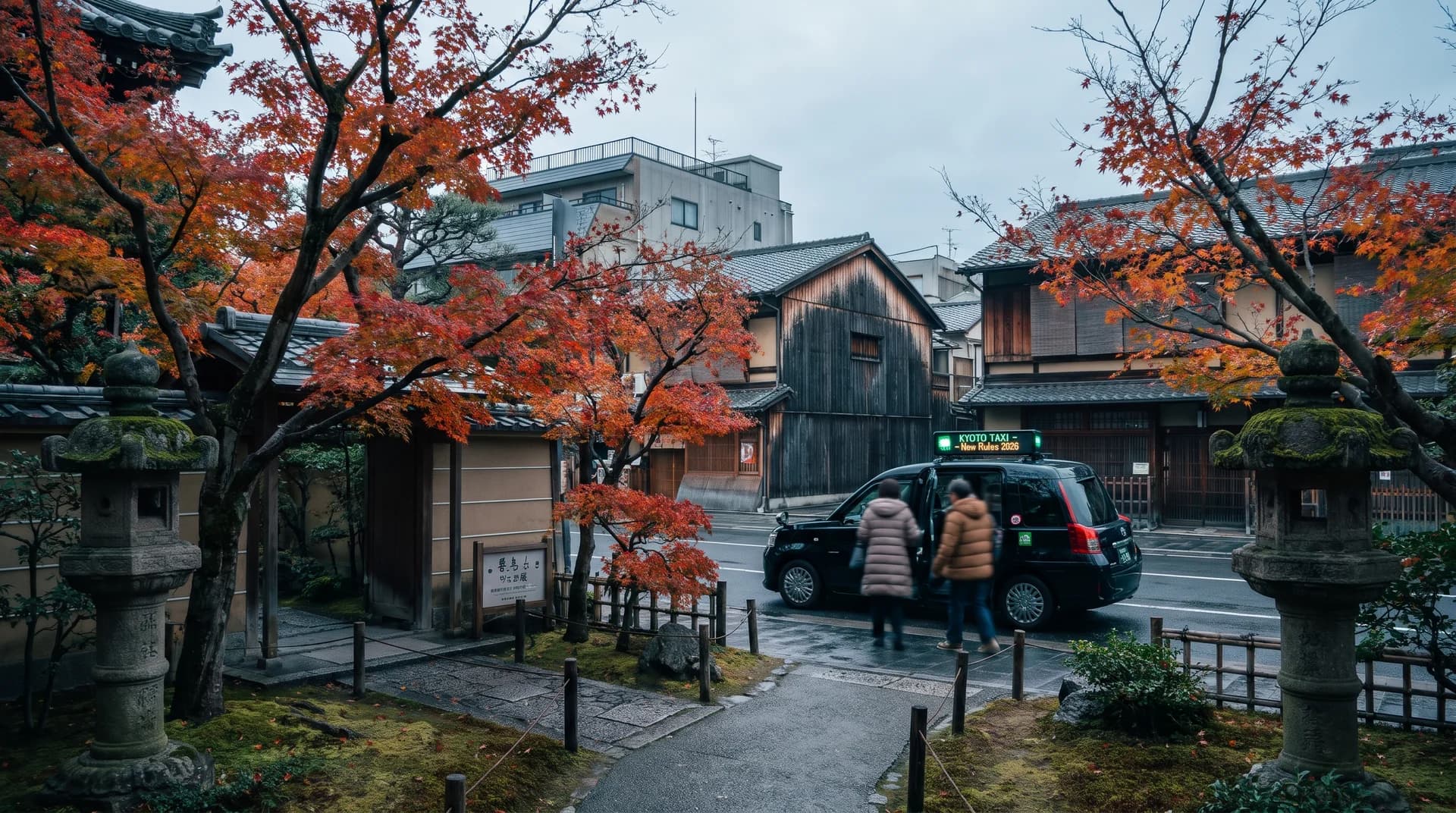
Kyoto Ghibli Exhibition 2026: Zen Art & New Taxi Rules
Visit the Zen and Ghibli exhibition in Kyoto featuring Toshio Suzuki's curation from October 2026. New taxi regulations let drivers eject rude passengers — know the etiquette before you ride. Budget ¥15,000–¥25,000 daily for mid-range Kyoto travel including transit, entry fees, and meals.
The scent of incense drifts through the exhibition hall where Studio Ghibli producer Toshio Suzuki has paired Zen calligraphy with concept art from Spirited Away and My Neighbor Totoro. This guide unlocks a Kyoto autumn itinerary centered on the "Zen and Ghibli" exhibition running from October 2026, plus the new taxi rule that lets drivers kick out rude passengers before the destination. It's for first-time and returning visitors who want to pair pop‑culture pilgrimage with temple visits without blowing their budget or offending local drivers.
Essential Highlights & Local Itinerary
Day 1: Zen and Ghibli Exhibition at Kyoto National Museum
The exhibition sits inside the Kyoto National Museum (527 Chaya‑cho, Higashiyama‑ku) in the Heisei Chishinkan Wing. Take the Keihan Main Line from Gion‑Shijo Station to Shichijo Station; use Exit 4 and follow the sign for the museum’s south gate – it’s a six‑minute, mostly flat walk past the historic Kiyamachi River embankment. If you prefer a bus, city bus routes 100, 206, and 207 all stop at Hakubutsukan Sanjūsangen‑dō‑mae (the stop is two minutes on foot from the museum). The exhibition runs 9:30 – 17:00, with the last admission at 16:30, and is closed on Mondays unless a national holiday falls on that day. Adult admission is ¥1,800 ($12, 2026); university students ¥1,200 ($8, 2026); high‑school students ¥700 ($5, 2026). Plan for 90–120 minutes to view the main galleries, but allocate extra time for the interactive Zen‑ink station where you can try calligraphy yourself. Weekday mornings before 11:00 are the quietest; weekends after 13:00 typically see 45‑minute queues at the ticket gate. For those staying in the nearby Gion district, a short taxi ride (≈¥800, 2026) can drop you at the museum’s front entrance, but remember the new etiquette rule – keep conversation low and avoid eating inside the taxi.
Day 2: Higashiyama Temples & Gion
Start the day with a gentle stroll north from the museum along Chawan‑zaka, a stone‑paved lane that leads directly to Kiyomizu‑dera (address 1‑1‑1 Kiyomizu, Higashiyama‑ku). Entry costs ¥400 ($3, 2026) and the temple opens at 6:00 am; the early hour lets you beat the crowds and catch the sunrise over the city. The approach lanes—Sannen‑zaka and Ninen‑zaka—are lined with Edo‑era machiya that sell yatsuhashi cinnamon sweets (typical price ¥600–¥1,000 per box, 2026). Continue uphill to Yasaka Shrine (free, open 6:00 – 17:00) and then wander into Maruyama Park, where the maple leaves begin to turn by late October.
In the afternoon, head to Gion’s Hanamikoji‑dori. The street becomes busy with tourists after 17:00, so arriving by 15:00 gives you a chance to step into a traditional tea house before the crowds. Ippodo Tea Co. (address 322 Gionmachi, Higashiyama‑ku) offers a matcha set for ¥1,200 ($8, 2026) that includes a brief tea ceremony demonstration. To reach Gion from Kiyomizu‑dera, you can either walk (≈20 minutes, steep but scenic) or take city bus 100 from Kiyomizu‑mae to Gion‑Shijo (≈5 minutes, ¥230, 2026). The bus runs every 10 minutes on weekdays and every 15 minutes on weekends.
Day 3: Arashiyama & Western Kyoto
Take the JR Sagano Line (also known as the Sanin Main Line) from Kyoto Station to Saga‑Arashiyama Station; the fare is ¥240 ($2, 2026) and the ride lasts 17 minutes. From the station, the iconic bamboo grove is a five‑minute walk east along the Togetsukyo Bridge. Tenryū‑ji’s garden (¥500, 2026, open 8:30 – 17:30) is free to enter after 10:00, but the main hall closes at 16:30, so plan accordingly.
Bicycle rentals are available at several shops near the station—most notably Kyoto Cycling Tour (address 68 Sagatenryuji‑cho) where a half‑day rate is ¥1,200–¥1,500 ($9–$11, 2026). Riding a bike lets you reach Okochi‑Sanso Villa (¥1,000, 2026, open 9:00 – 16:30) without the usual foot traffic, and you can stop at the tea house on the premises for a complimentary matcha. Continue south to Adashino Nenbutsu‑ji (¥500, 2026, open 9:00 – 17:00) where you’ll find thousands of stone statues that create a hauntingly beautiful atmosphere.
When you’re ready to head back, hop on the Keifuku Randen Tram at Arashiyama‑Ōi Station; the line runs to Shijo‑Ōmiya (¥230, $2, 2026) and offers a nostalgic view of the western suburbs. Trams run every 7 minutes on weekdays and every 10 minutes on weekends, with the last car departing Arashiyama at 22:30.
Day 4: Fushimi Inari & Sake District
From Kyoto Station, board the JR Nara Line to Inari Station (¥150, $1, 2026, 5 minutes). The shrine’s torii‑gate mountain trail (10,000 gates) takes 2–3 hours round‑trip. Starting at 7:00 am is advisable to avoid the midday heat and the surge of tourists that arrive after 9:00. The trail is open 24 hours, but the main shrine buildings close at 17:00; however, you can still walk the path after dark if you bring a flashlight.
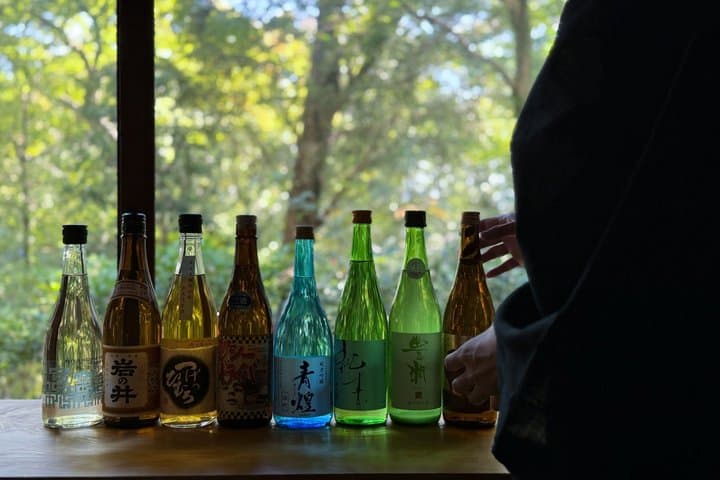
After descending, walk south (≈10 minutes) to the Fushimi sake district. Gekkeikan Okura Kinenkan (address 1‑1‑2 Ebisu‑cho) offers a tasting for ¥600 ($4, 2026) that includes a small cup of sake and a brief history of the brewery. Reservations are not required but can be made online for larger groups. A few blocks away, Tsukino Katsura (address 23‑1‑1 Momoyama‑cho) provides a free tour of its historic cellars; you must call ahead to secure a slot, and the tour runs from 10:00 – 15:00 on weekdays.
Practical Details & Dual‑Currency Budget
Best Season & Weather: Late October to early November delivers daytime temperatures of 15 – 22 °C, clear skies, and vibrant autumn foliage in temple gardens such as Tōfuku‑ji and Eikandō. Typhoon risk drops sharply after mid‑October, making late October the sweet spot for comfortable sightseeing. If you travel during Golden Week (late April – early May) or cherry‑blossom season (late March – early April), expect accommodation prices to double and queue times at popular sites to triple.
Budget Breakdown (per person, per day):
- Budget: ¥10,000 – ¥13,000 ($67 – $87, 2026) – hostel dormitory ¥3,500, convenience‑store meals ¥2,000, bus day pass ¥700, temple entries ¥1,500, occasional souvenir spending ¥300.
- Mid‑range: ¥18,000 – ¥25,000 ($120 – $167, 2026) – business‑hotel double room ¥10,000, sit‑down meals ¥4,500, subway/bus ¥1,200, entries ¥2,500, occasional taxi ¥3,000, plus a modest night‑cap at a local izakaya (¥2,000).
Transit & Access: Kansai International Airport (KIX) to Kyoto Station via JR Haruka Express (¥3,000, $20, 2026, 75 minutes) is covered by the JR West Kansai Area Pass if you purchase it in advance. ICOCA cards (¥2,000 deposit including ¥1,500 usable credit, 2026) work on all city buses, subways, and JR West lines in Kyoto. The Kyoto City Bus & Subway One‑Day Pass (¥900, $6, 2026) covers municipal lines only – it does not include JR or Keihan services, so you’ll need separate tickets or an ICOCA balance for those.
For the Ghibli exhibition, the Keihan Main Line is the fastest route from central Kyoto because it stops at Shichijo, which is just a short walk from the museum. If you’re staying near Kyoto Station, you can also take the city bus 206 (Kyoto Station → Hakubutsukan Sanjūsangen‑dō‑mae) for ¥230, with a frequency of every 12 minutes.
Where to Eat & Local Food Secrets
Nishiki Market (Nakagyo‑ku, 609‑1 Nishi‑Shinmachi, 5‑minute walk from Shijo Station): Arrive by 9:30 am before the guided tour groups flood the market. Try the grilled scallop with butter (¥500, $3.50, 2026) at the stall near the east exit, yuba (tofu skin) sashimi (¥400, $2.70, 2026) at the traditional tofu shop, and pickled eggplant (¥300, $2, 2026) at the pickles vendor. Most stalls accept cash only; bring small bills and coins.
Pontocho Alley (between Shijo‑Dori and Sanjo‑Dori, Chuo‑ku): Yakitori at Torito (address 1‑2‑3 Pontocho‑san, Chuo‑ku) offers a six‑skewer set with rice for ¥1,800 – ¥2,500 ($12 – $17, 2026). The counter seats are ideal for watching the chef work. There is no English menu, so point at the chalkboard or ask the staff to recommend the “special” skewers. Reservations can be made by phone (075‑531‑1234) for dinner after 18:00; a reservation fee of ¥500 is usually refunded on the day.
Gion Kappa (Hanamikoji‑dori, 571‑2 Gionmachi): Their Kyoto‑style ramen with chicken‑paitan broth costs ¥950 ($6.50, 2026). The restaurant uses a ticket‑machine system at the entrance – press the top button for a standard bowl, the second button adds extra noodles for ¥150 ($1, 2026). The broth is simmered for 12 hours, giving it a rich, silky texture.
Arashiyama Yoshimura (near Togetsukyo Bridge, 45‑1 Sagatenryuji‑cho): The tofu kaiseki lunch set is ¥3,500 ($23, 2026) and includes a seasonal appetizer, simmered tofu, and matcha dessert. Book the 11:00 am or 13:00 pm slot by phone (075‑861‑7777); walk‑ins often wait 60+ minutes, especially on weekends.
Convenience‑store hack: 7‑Eleven’s onigiri (¥130 – ¥180, $0.90 – $1.20, 2026) and hot canned coffee (¥120, $0.80, 2026) keep breakfast under ¥500 ($3, 2026). These are handy for early mornings before the museum opens.
Additional snack tip: In the Gion district, look for the “kuzukiri” noodle stall near Yasaka Shrine; a bowl costs ¥600 ($4, 2026) and is served cold with a sweet soy‑based dipping sauce – perfect for a quick energy boost between temple visits.
Essential Traveler Checklist
- Daypack: Pack a foldable daypack for temple shoes – most halls require shoes to be removed, and the provided plastic bags tend to tear easily, so bring a spare reusable bag.
- IC Card: Buy an ICOCA card at KIX or Kyoto Station (¥2,000 deposit includes ¥1,500 credit, 2026). Top it up at any ticket machine; you can also use it for small purchases at convenience stores that display the IC‑card logo.
- Cash: Carry ¥20,000 – ¥30,000 ($135 – $200, 2026) in cash; small temples, market stalls, and many ramen shops don’t accept cards. ATMs that accept foreign cards are located at 7‑Eleven stores and the Kyoto Station JR Ticket Office.
- Dress code: Shoulders covered, shorts below the knee, no hats inside halls. A light scarf is useful for summer visits when temples can be chilly due to air‑conditioning.
- Language basics: Learn three phrases – "Sumimasen" (excuse me), "Onegaishimasu" (please), "Gochisosama deshita" (thank you for the meal). Most staff understand basic English, but a polite Japanese greeting goes a long way.
- Taxi etiquette: Under the new October 2026 regulation, drivers may eject passengers who are noisy, eat, or refuse to wear a seatbelt. Keep conversations low, avoid eating or drinking inside the cab, and always have your destination written in Japanese (e.g., 京都国立博物館 for the museum). This helps the driver locate you quickly and reduces the chance of a misunderstanding.
- Timing tip: For popular spots like Kiyomizu‑dera and Fushimi Inari, aim to arrive at opening time. For the Ghibli exhibition, the first entry slot at 9:30 am is the least crowded; if you prefer a later visit, the 14:00 slot still offers a reasonable queue.
- Health: Bring any prescription medication in its original packaging; pharmacies in Kyoto (e.g., Matsumoto Pharmacy near Shijo‑Kawaramachi) have English‑speaking staff during daytime hours.
Kyoto rewards travelers who move early, pay cash, and respect the quiet. The Ghibli exhibition adds a contemporary lens to the city’s Zen roots — see it before the autumn leaves peak.
Frequently Asked Questions
How much does the Zen and Ghibli exhibition cost?
Adult tickets are ¥1,800 ($12, 2026), university students ¥1,200 ($8, 2026), and high‑school students ¥700 ($5, 2026). The exhibition runs at Kyoto National Museum from October 2026, 9:30 – 17:00, closed Mondays unless a national holiday falls on that day.
Can taxi drivers really kick passengers out in Japan?
Yes. As of October 2026, Japanese taxi drivers have the legal right to eject passengers who behave rudely before reaching the destination. Keep voices low, don’t eat or drink, and follow the driver’s instructions. Having your destination written in Japanese helps avoid misunderstandings.
Is the JR Pass worth it for Kyoto‑only travel?
No. A 7‑day nationwide JR Pass costs ¥50,000 ($335, 2026). Kyoto’s municipal buses, subways, and the Keihan Line cover all major sites for ¥900 per day. Only purchase a JR Pass if you’re planning a round‑trip Shinkansen to Tokyo, Osaka, or other distant cities.
What’s the best way to get from Kansai Airport to the Ghibli exhibition?
Take the JR Haruka Express to Kyoto Station (¥3,000, $20, 2026, 75 minutes), then transfer to the Keihan Main Line to Shichijo Station (¥160, $1.10, 2026, 4 minutes). Walk six minutes from Exit 4 to the museum’s south gate. Total cost is about ¥3,160 and travel time around 90 minutes, including transfer walking time.
When should I visit Fushimi Inari to avoid crowds?
Start hiking by 7:00 am. The lower torii gates fill by 8:30, and the summit clears by 10:00 on weekdays. On weekends, add roughly 30 – 45 minutes to each segment, so an early start remains advisable.
Are there any discount tickets for multiple temple entries?
Many temples offer a combined ticket (e.g., Kiyomizu‑dera + Kodai‑ji) that costs slightly less than buying each entry separately; the exact price varies by season and is displayed at each ticket booth.
How do I use an ICOCA card on buses?
Tap the card on the reader at the front of the bus when you board; the fare is automatically deducted when you alight. Buses in Kyoto display a green ICOCA logo; if the driver says “ICカードお願いします”, simply present the card.
What’s the etiquette for photographing inside the exhibition?
Flash photography is prohibited; handheld cameras are allowed as long as you keep the shutter silent. Some rooms have designated photo‑free zones marked with a red circle and line.
Can I store luggage at the museum?
Kyoto National Museum provides a small locker service near the entrance for a fee of ¥300 per item ($2, 2026). Lockers are size‑limited, so bring only a compact day bag.
Are there vegetarian options at the recommended restaurants?
Yes. Ippodo Tea Co. offers a matcha‑sweet set without dairy, and Arashiyama Yoshimura’s tofu kaiseki is fully vegetarian. Always mention “ベジタリアン” (vegetarian) when ordering to ensure no hidden fish broth.
***
Published: October 1, 2026 Updated: October 1, 2026 Author: Kenji Sato
Related reading
- Ueno Tokyo Travel Guide: New Cafe, Bike Rules & Local Secret
- Shibuya and Mt. Fuji Guide: Logistics and New Rules
- Tokyo and Gunma Travel Guide: Autumn 2026 Itinerary
- Tokyo October Travel Guide: Weather, New Exhibits & Day Trip
- Shinjuku Travel Guide: New Lodging Rules and Kabukicho Gems
Sources
Ready to explore Japan?
Browse tours and activities, or tell us what you're looking for and we'll suggest the best options.
Stay Connected in Japan
Airalo eSIMs work on arrival — no physical SIM needed. Data plans from $5 for 7 days.
Travel Insurance for Japan
Medical, trip cancellation, and adventure sports covered. Plans from $1.5/day.