Tokyo Autumn Food, Weather & Transit Guide
Explore Tokyo in late October with a three‑day itinerary that mixes Ikebukuro’s ChillaxY coworking hub, Kabukicho’s nightlife, and seasonal treats like Mister Donut’s Pokémon donuts. Expect daily highs around 30 °C (2024) and be ready for possible typhoon winds up to 216 km/h.
Late October in Tokyo is warmer than most visitors pack for: central Tokyo passed 30°C on 21 October 2026. Carry a Suica card (¥500 deposit, refunded) and plan outdoor sights before the heat builds.
Key facts
- Cost: A physical Suica carries a ¥500 deposit, refunded when you return the card.
- Time needed: Three days for this plan: Ikebukuro, Kabukicho and a sushi meal.
- Best season: Late October, once the worst of the summer humidity has broken.
- Book ahead: Sushi counters and any timed exhibition.
- Watch out for: The heat. It is still summer weather, not autumn weather.
The first thing that hits you in Tokyo in late October is the unexpected heat. Published: 2026‑10‑22 | Updated: 2026‑10‑22 | Author: Hiro Tanaka
The Japan Times recorded temperatures climbing past 30 °C in central Tokyo on October 21, 2026, a rarity for the season (Japan Times, 2026). Walking out of Ikebukuro Station, you feel the humid air cling to the neon‑lit streets while the scent of fresh‑baked dough from a Mister Donut shop drifts past you. This guide unlocks a three‑day, budget‑conscious itinerary that blends the newly opened ChillaxY coworking space in Ikebukuro, Kabukicho’s after‑dark entertainment, and seasonal snacks like the Pokémon‑themed donuts that return each autumn (SoraNews24, 2026). It’s aimed at independent travelers who want to experience Tokyo’s modern business districts, nightlife, and food culture without splurging on luxury hotels. You’ll learn how to stay cool, what to pack for possible typhoon conditions, and how to use a Suica card or JR Pass efficiently. By the end, you’ll be ready to navigate Tokyo’s transit network, order sushi the right way, and enjoy festive holiday dining options that open in early December (Metropolis Japan, 2026).
To ensure your autumn journey runs smoothly, it pays to understand the local geography and infrastructure. Tokyo is an immense sprawl of interlocking districts, each with its own distinct rhythm and demographic. From the bustling student and retail hubs of Toshima ward to the high‑energy entertainment sectors of Shinjuku, your days will involve moving seamlessly between subway platforms, multilevel shopping complexes, and narrow alleyways. Keep your transit cards charged, maintain a flexible schedule to accommodate sudden weather changes, and always carry a small amount of physical yen for traditional vendors who do not accept electronic payments. As you dive deeper into this comprehensive itinerary, you will discover precisely how to maximize your time, manage your daily expenditures, and uncover seasonal culinary treasures that many mainstream tourists overlook.
Essential Highlights & Local Itinerary
Day 1 – Ikebukuro’s New Business‑Casual Vibe
ChillaxY Ikebukuro – Located on the 5th floor of the Sunshine City complex (池袋サンシャインシティ) in the Toshima district, this cowork‑friendly lounge opened in early 2026 and offers day‑pass desks, high‑speed Wi‑Fi, and a rooftop terrace with panoramic city views (Metropolis Japan, 2026). To reach it, take the JR Yamanote Line, Tokyo Metro Marunouchi Line, or Yurakucho Line to Ikebukuro Station (accessible via the JR Pass or a pre‑loaded Suica/Pasmo card). Exit through the bustling South Gate or the underground passages, follow the clearly marked overhead signs leading directly to Sunshine City, and take the main elevator bank straight to the 5th floor. The space officially opens at 09:00 local time, making it best visited in the morning before the midday heat and humidity begin to build across the concrete plaza.
Sunshine City Shopping Mall – Directly adjacent to the coworking hub, the expansive mall houses a 7‑Eleven and a Lawson convenience store where you can stock up on quick breakfast items such as tuna mayonnaise onigiri, savory instant ramen cups, and chilled green tea bottles. Prices remain at typical convenience‑store rates (see our Japan Konbini Guide for exact numbers). Spend about an hour browsing the sprawling anime‑themed pop‑up stores and specialty character shops that rotate through the atrium, offering exclusive seasonal merchandise each quarter.
Ikebukuro West Gate Park – A short, five‑minute walk from Sunshine City, this revitalized municipal park offers a shaded, open‑air green space ideal for a brief rest or casual outdoor lunch. In late October, the surrounding deciduous trees shift into amber and rust tones, providing a peaceful visual break from the heavy indoor air‑conditioning and urban heat.
Evening – Otome Road – For dedicated fans of manga, anime, and pop‑culture fandoms, the narrow lane of specialty shops running parallel to Seibu‑Ikebukuro Station’s east exit serves as an incredible retail treasure trove. Entry is free; you’ll only need cash or a contactless card for any doujinshi, collectible figures, or character goods you decide to purchase.
Day 2 – Kabukicho Nightlife & Seasonal Treats
Kabukicho’s New CBD Hub – Located within Shinjuku ward, the district’s recent urban transformation introduced a cluster of upscale cafés, late‑night coffee bars, and sleek co‑working spaces near the Shinjuku‑Kabukicho Station exit (Metropolis Japan, 2026). Take the Tokyo Metro Marunouchi Line or Fukutoshin Line to Shinjuku‑Sanchome Station, then walk 5 minutes through well‑lit underground walkways. The area truly comes alive after 17:00 when massive digital billboards illuminate the avenues.
Mister Donut Pokémon Donuts – Starting mid‑October, the nationwide Mister Donut chain rolls out its limited‑edition Pokémon donuts, including the whimsical Slowpoke flavor that debuted in autumn 2026 (SoraNews24, 2026). Each specialty donut costs ¥120 (≈ $0.90 USD, 2024). Find them at the Shinjuku‑Kabukicho branch on the ground floor of the newly developed Kabukicho Tower.
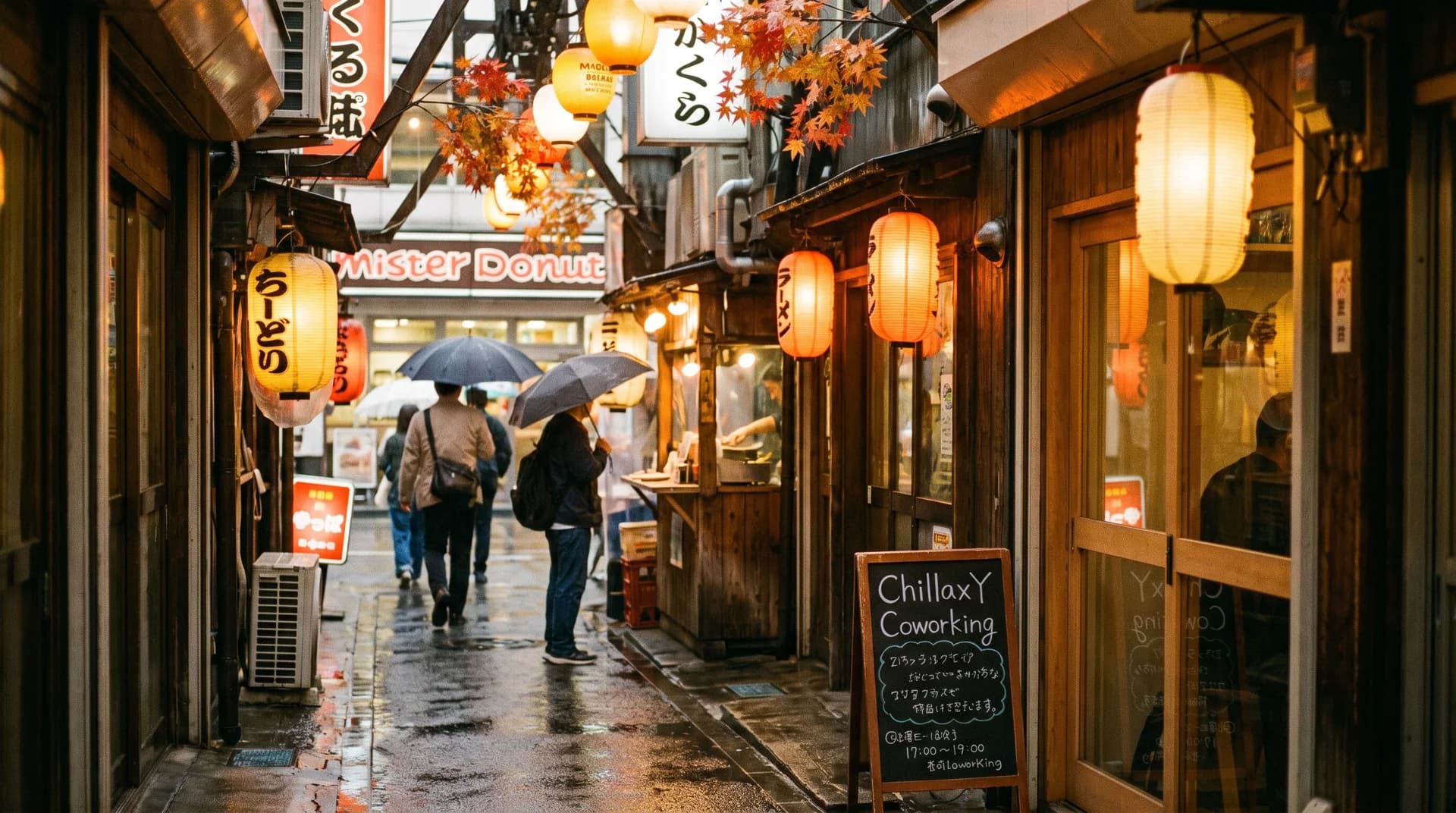
Golden Gai Bar Crawl – A historic network of six narrow alleys crammed with over two hundred miniature bars, many seating fewer than ten patrons. No entry fee; individual drinks range from ¥500 to ¥800 per glass (≈ $4.60–$7.30 USD, 2024). Explore after 20:00 when lanterns glow overhead. Dress casually, keep noise low, and respect the intimate atmosphere.
Shinjuku Night View – End the evening at the Tokyo Metropolitan Government Building’s observation decks, free to the public and open until 23:00 (final entry times vary slightly by season). The panoramic skyline, illuminated against the lingering heat haze, offers a quintessential photo spot.
Day 3 – Sushi Etiquette & Holiday Dining Prep
Sushi Ordering at Tsukiji Outer Market – Although the historic inner wholesale market moved to Toyosu, the lively Tsukiji Outer Market remains a bustling street of food stalls and knife shops. A recent SoraNews24 feature explains that ordering sushi “the traditional way” involves waiting for the chef to present an individual plate and saying “gochi‑sōsama deshita” only after finishing (SoraNews24, 2026). Individual nigiri pieces cost ¥200–¥400 (≈ $1.50–$3.00 USD, 2024) depending on the seasonal catch.
Toyosu Sushi Breakfast – For a refined seated experience, head to Toyosu. A prominent first‑floor sushi bar opens at 06:30 and offers a breakfast set for ¥1,200 (≈ $11 USD, 2024). Reach it via the JR Yamanote Line to Shin‑Urayasu or Hamamatsucho, then transfer to the Yurikamome Line or Rinkai Line.
Festive Christmas Dinner Reservations – Tokyo’s high‑end hotels and upscale brasseries begin accepting holiday menu bookings in early December. Reservations open November 1 (Metropolis Japan, 2026). Prices range from ¥12,000 for a standard set menu to ¥30,000+ for a multi‑course wine‑paired tasting (≈ $90–$225 USD, 2024). Book early through hotel concierge desks or online portals; slots fill within days.
Evening Stroll in Roppongi Hills – After dinner, wander through Mori Garden at the base of Roppongi Hills. The garden is illuminated with soft autumn lights, highlighting changing foliage and koi ponds. Public grounds stay open until 22:00, offering a serene urban oasis.
Practical Details & Dual‑Currency Budget
Best Season & Weather – Late October generally offers crisp sightseeing weather, but spikes above 30 °C still occur (Japan Times, 2026). The Japan Meteorological Agency also issues seasonal typhoon advisories; Typhoon Champi, for example, produced wind speeds up to 216 km/h near Okinawa (Japan Times, 2026). While central Tokyo is rarely hit directly, peripheral rain bands can bring heavy showers. Pack a lightweight, packable rain jacket, compact sun protection, and monitor forecasts via the Japan Meteorological Agency app.
Transit Passes – For a three‑day urban stay, a rechargeable Suica or Pasmo card is the most flexible option. Load an initial ¥5,000 (≈ $36 USD, 2024) plus a ¥500 deposit. Typical subway rides on the Yamanote Loop cost ¥170–¥210 per trip; a short Toei bus ride averages ¥210. Expect ¥1,200–¥1,500 per day on transit if you travel extensively. By contrast, a 7‑day nationwide JR Pass (¥29,650, ≈ $215 USD, 2024) is not cost‑effective unless you add day trips outside the capital.
Airport Connection – From Narita, board the Keisei Skyliner to Ueno (≈ 40 min, ¥2,470, $18 USD, 2024) and transfer to the Yamanote Line. From Haneda, the Tokyo Monorail to Hamamatsucho costs ¥500 ($4 USD, 2024) and connects directly to the Yamanote loop. Both services accept Suica/Pasmo.
Budget Breakdown – A budget‑conscious traveler can expect daily expenses of ¥7,000–¥9,000, covering convenience‑store meals (≈ ¥500–¥800 each), subway fares (≈ ¥1,200), and free or low‑cost attractions. A mid‑range traveler enjoying sit‑down restaurant meals (¥1,200–¥2,500 per dish), occasional taxis (¥1,000–¥2,000 per short trip), and paid observation decks (¥2,000 for Tokyo Skytree Tembo Deck) might spend ¥12,000–¥15,000 per day. Figures are based on 2024 price data with a 10 % contingency for souvenirs.
Vending‑Machine Convenience – Suica cards double as payment for most vending machines in stations and convenience stores. A 500 ml bottled water typically costs ¥120 (≈ $0.90 USD, 2024). This is a handy way to stay hydrated without hunting for a cash‑only kiosk.
Rain‑Day Alternatives – If a typhoon brings heavy rain, consider indoor options such as the Tokyo National Museum (¥1,000 entry, ≈ $7.30 USD, 2024) or the sprawling shopping basements of Shinjuku’s Lumine and Takashimaya, where you can explore Japanese fashion, food halls, and free art installations while staying dry.
Essential Traveler Checklist
- Weather gear: 1 × lightweight, waterproof rain jacket (≤ 300 g), 1 × broad‑spectrum SPF 30+ sunscreen (50 ml), 1 × reusable 500 ml water bottle.
- Transit card: Purchase a physical Suica at any JR East ticket office; deposit ¥500 plus load ¥5,000 for three days of subway, bus, and small‑purchase use.
- Cash: Carry at least ¥10,000 in small denominations (¥1,000 and ¥500 notes, ¥100 coins) for stalls, vending machines, and temple donations that do not accept contactless payment.
- Clothing: Pack layered clothing – a short‑sleeve shirt, a light sweater, and the rain jacket. Remove hats and avoid flip‑flops when visiting sushi counters or temples.
- Language basics: Memorize “Sumimasen” (excuse me), “Okanjō onegaishimasu” (the check, please), and “Konnichiwa” (hello).
- Power: Bring a universal travel adapter (Type A/B) and a 10 000 mAh power bank; many subway stations have charging lockers.
Where to Eat & Local Food Secrets
Mister Donut Pokémon Donuts – Collectible Slowpoke donuts retail at ¥120 each (≈ $0.90 USD, 2024). Available mid‑October to early November, they’re an affordable, photogenic snack for travelers on foot.
Street‑style Yakitori in Omoide Yokocho – Tiny grilled skewer stalls near Shinjuku Station’s west exit offer chicken and pork skewers at ¥150 each (≈ $1.10 USD, 2024). Try the grilled chicken hearts (hatsu) with an ice‑cold draft beer.
Ramen at Ichiran Shinjuku – The iconic solo‑dining ramen shop charges ¥890 for a standard tonkotsu bowl (≈ $6.50 USD, 2024). Arrive at opening (11:00) or during the off‑peak window 14:30–15:30 to avoid lines.
Sushi at Tsukiji Stalls – Fresh tuna nigiri costs around ¥300 per piece (≈ $2.20 USD, 2024). Remember to wait for the chef to hand you the plate and say “gochi‑sōsama deshita” after finishing.
Holiday Brasserie Reservations – The upscale Brasserie in Park Hyatt Tokyo offers a Christmas dinner set menu at ¥18,000 (≈ $130 USD, 2024). Reservations open November 1 and require a valid credit‑card guarantee.
How much does a Suica card cost for a three‑day stay?
A physical Suica card requires a ¥500 deposit plus the amount you load. Loading ¥5,000 (≈ $36 USD, 2024) comfortably covers three days of subway, bus, and convenience‑store purchases. Top up an additional ¥2,000 if you anticipate extra rides.
Is the Pokémon donut worth trying if I’m on a tight budget?
Yes. At ¥120 (≈ $0.90 USD, 2024) each, it provides a cheap, photogenic snack that’s only available from mid‑October to early November. You won’t find it later in the year.
What should I wear when ordering sushi at a market stall?
Dress neatly—no tank tops, shorts, or flip‑flops. Remove hats and keep your phone on silent. Follow the etiquette note from SoraNews24 (2026): wait for the chef to present the plate, eat it, then say “gochi‑sōsama deshita.”
How likely is it that Typhoon Champi will affect my Tokyo itinerary?
Typhoon Champi is projected to track toward the Ryukyu islands, with peak winds of 216 km/h (Japan Times, 2026). Central Tokyo is rarely hit directly, but peripheral rain bands can bring heavy showers. Monitor the Japan Meteorological Agency’s daily alerts and have indoor alternatives (e.g., museums, department‑store basements) ready.
Can I use the JR Pass for this three‑day Tokyo itinerary?
The nationwide JR Pass (¥29,650 for a 7‑day ordinary adult pass, ≈ $215 USD, 2024) is not cost‑effective for a city‑only itinerary. A Suica/Pasmo card offers greater flexibility and lower total cost unless you add day trips to Hakone, Nikko, or Kamakura, where a regional JR East Pass (¥10,180 for 5 days, ≈ $73 USD, 2024) might become worthwhile.
Where can I find indoor activities if a sudden rainstorm hits?
Tokyo’s large department‑store basements—such as those in Shinjuku’s Lumine, Takashimaya, and Ikebukuro’s Seibu—host free art installations, food halls, and pop‑up events. Additionally, the Tokyo National Museum (¥1,000 entry, ≈ $7.30 USD, 2024) offers extensive exhibitions that are perfect for a rainy afternoon.
Related Reading
- Japanese Container Hotel Guide: Costs, Booking, and What to Expect
- Fukui Tile Making Tour + Osaka Ramen Day Trip
- Tokyo Autumn Guide: Foliage, Ghibli Events and Local Eats
- Japan Autumn Travel Guide: Foliage Forecasts and Snacks
Sources
Verified 2026-10-26.
Ready to explore Japan?
Browse tours and activities, or tell us what you're looking for and we'll suggest the best options.
Stay Connected in Japan
Airalo eSIMs work on arrival — no physical SIM needed. Data plans from $5 for 7 days.
Travel Insurance for Japan
Medical, trip cancellation, and adventure sports covered. Plans from $1.5/day.