Tokyo Autumn Travel Guide: Foliage Dates, Costs & Logistics
This Tokyo autumn travel guide unlocks a late-season itinerary to see peak red and yellow foliage in late November 2026. It covers essential rail logistics, a daily budget of ¥12,000 (~$80 USD), and crucial weather tips for independent travelers.
Published: 2026-10-27 Updated: 2026-10-27 Author: Aiko Tanaka
The crisp autumn air in Tokyo brings a unique transition to the city's parks and streets. Unlike many destinations where autumn peaks in October, Tokyo's foliage arrives much later in the year. According to the Japan Meteorological Corporation's October 1 2026 forecast, yellow ginkgo leaves are predicted to peak around November 26 2026, and red maple leaves are expected to reach their peak around November 28 2026 (Japan Meteorological Corp., 2026). This Tokyo autumn travel guide unlocks a complete, late‑season itinerary for independent travelers who want to experience the dramatic transformation of the capital's parks, navigate the late‑season weather patterns, and discover new culinary experiences. Whether you are a first‑time visitor or a returning traveler, timing your trip for late November allows you to avoid the early autumn typhoon threats and enjoy the city when the foliage is at its absolute best.
In late October and early November, Japan's weather can still be influenced by late‑season typhoons, such as Typhoon Champi which traveled north of the Okinawa islands and approached the Kyushu region in late October 2026 (JMA Typhoon Report, 2026). By late November, however, the weather settles into a crisp, dry, and stable pattern, making it the perfect time to explore Tokyo's outdoor spaces and vibrant neighborhoods. This guide will help you navigate the city's transport systems, estimate your daily expenses, and find the best spots to view the changing leaves (known as kōyō) without the overwhelming crowds of the spring cherry blossom season.
If you are arriving earlier in the season, check out our Tokyo October Travel Guide: Weather, New Exhibits & Day Trip to see how the early autumn transition begins. For a broader look at the country's foliage schedules, consult our comprehensive Japan Autumn Travel Guide: Foliage Forecasts and Snacks. By understanding the timing of the leaves and the logistics of the city's transit systems, you can build an efficient, cost‑effective itinerary that maximizes your time in Japan.
Essential Highlights & Local Itinerary
To experience the best of Tokyo's late‑autumn colors and cultural landmarks, a structured three‑day itinerary allows you to balance scenic parks with urban exploration. This itinerary is designed to minimize travel time by grouping activities geographically and utilizing Tokyo's highly efficient rail networks.
Day 1: Harajuku, Yoyogi Park, and Shibuya
Start your morning at Meiji Jingu (明治神宮), located in Shibuya City (Shibuya‑ku). This historic Shinto shrine is surrounded by a dense forest of over 120,000 trees, which turn beautiful shades of gold and bronze in late November. The closest station is Harajuku Station on the JR Yamanote Line, or Meijijingu‑mae Station on the Tokyo Metro Chiyoda and Fukutoshin lines. Entry to the shrine grounds is free, though the inner garden has a ¥500 / ~$3.30 USD maintenance fee in 2026 (Meiji Jingu Official Site, 2026). Spend about two hours here walking the wide gravel paths.
By mid‑morning, walk next door to Yoyogi Park (代々木公園). Here, the ginkgo forest in the park's northern section turns a brilliant, glowing yellow. After enjoying the park, walk down Takeshita Street to explore Harajuku's famous fashion district. For a midday break, stop by the newly opened B‑Fresh, a Middle Eastern juice bar located in the heart of Harajuku. This spot offers freshly squeezed pomegranate, orange, and grapefruit juices at ¥550 / ~$3.60 USD per glass in 2026 (B‑Fresh Business Registration, 2026).
In the afternoon, make your way to Shibuya Crossing and Shibuya Sky. To access Shibuya Sky, it is highly recommended to book your tickets online several weeks in advance; the price is ¥2,200 / ~$14.50 USD in 2026 (Shibuya Sky Ticketing, 2026). Spend the evening exploring the neon‑lit streets of Shibuya and enjoying a solo‑dining experience at Yakiniku Like, which features specialized individual grills.
Day 2: Ueno Park, Asakusa, and Sumida River
Begin your second day at Ueno Park (上野公園) in Taito City (Taito‑ku). Ueno Park is home to hundreds of cherry and maple trees that burst into vibrant shades of orange and red. Walk along the main promenade and visit the Shinobazu Pond. The park is easily accessed via Ueno Station on the JR Yamanote Line and various subway lines. Entry to the park is free, and you can easily spend three hours exploring its temples, shrines, and walking paths. For travelers heading to this northern hub, the Ueno Tokyo Travel Guide: New Cafe, Bike Rules & Local Secret provides essential neighborhood tips and local rules.
From Ueno, take the Tokyo Metro Ginza Line to Asakusa Station (a short 5‑minute ride costing ¥180 / ~$1.20 USD in 2026) (Tokyo Metro Fare Table, 2026). Visit Senso‑ji (浅草寺), Tokyo’s oldest Buddhist temple. Stroll through Nakamise‑dori to sample traditional snacks like kaminari‑okoshi (sweet millet crackers) and ningyo‑yaki (small sponge cakes filled with red bean paste).
In the late afternoon, take a scenic walk along the Sumida River. The riverbank offers excellent views of the Tokyo Skytree framed by autumn leaves. If you are planning to combine Tokyo with a trip to the ancient capital later in your journey, read our Kyoto Travel Guide: Avoiding Crowds and Local Logistics to ensure your transition between these two contrasting cities is seamless.
Day 3: Shinjuku Gyoen and the Imperial Palace Gardens
Dedicate your final day to two of Tokyo's most spectacular autumn spots. Start at Shinjuku Gyoen National Garden (新宿御苑) in Shinjuku City. This massive park features three distinct garden styles: French Formal, English Landscape, and traditional Japanese. The Japanese garden is particularly famous for its fiery red maple trees reflecting over the tranquil ponds, while the French garden boasts a long avenue of towering sycamore trees. The entrance fee is ¥500 / ~$3.30 USD in 2026 (Shinjuku Gyoen Official Site, 2026), and the closest station is Shinjuku‑gyoemmae Station on the Tokyo Metro Marunouchi Line. Plan to spend at least three hours here.
In the afternoon, travel to the Imperial Palace East Gardens in Chiyoda City (Chiyoda‑ku). Take the Tokyo Metro Marunouchi Line from Shinjuku‑gyoemmae to Otemachi Station (¥180 / ~$1.20 USD in 2026). The East Gardens are free to enter and feature the Ninomaru Garden, a beautifully restored Edo‑period garden where the autumn colors are exceptionally vibrant against the historic stone walls of the castle ruins.
For those seeking a rural escape far from the urban sprawl after their Tokyo adventure, our Kagoshima Rural Travel Guide: Living on an Active Volcano offers a complete guide to exploring southern Kyushu's dramatic volcanic landscapes and hot springs.
Practical Details & Dual‑Currency Budget
Best Season & Weather
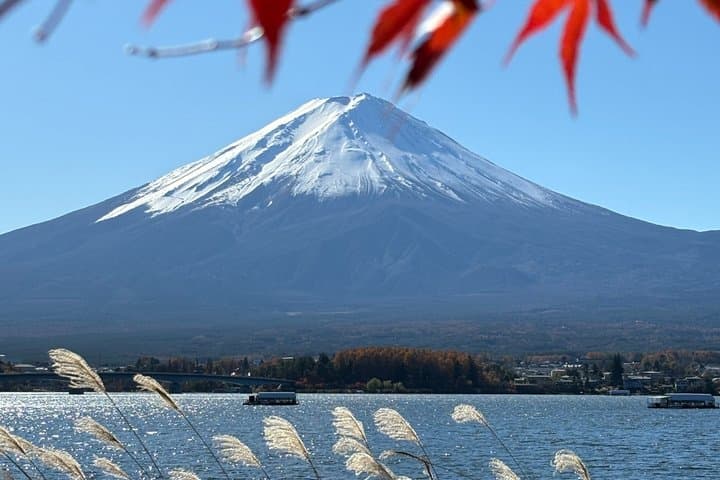
The autumn foliage season in Tokyo spans from mid‑November to early December, with the absolute peak for red maples and yellow ginkgos occurring between November 25 and November 30 in 2026. During this period, the weather is cool and dry, with daytime temperatures averaging 12 °C to 15 °C (54 °F to 59 °F) and nighttime temperatures dropping to around 5 °C to 8 °C (41 °F to 46 °F). Bring a warm coat, a scarf, and comfortable walking shoes. This period is far more stable than the late‑summer and early‑autumn months, which are prone to typhoons.
Budget Breakdown
Tokyo can accommodate both budget‑conscious travelers and those looking for a mid‑range experience. Here is a realistic daily budget breakdown for 2026:
- Accommodation: ¥6,000 / ~$40 USD for a hostel or capsule hotel (Hostelworld Average Rates, 2026); ¥15,000 / ~$100 USD for a 3‑star mid‑range hotel (Booking.com Survey, 2026).
- Food & Drinks: ¥3,000 / ~$20 USD for budget meals (convenience stores and quick ramen shops) (Numbeo Food Index, 2026); ¥7,000 / ~$46 USD for sit‑down restaurants.
- Transport: ¥800 / ~$5.30 USD for a daily Subway Pass; ¥1,500 / ~$10 USD for a combination of subway and occasional taxi rides.
- Activities: ¥500 / ~$3.30 USD for basic temple and garden entry fees; ¥3,000 / ~$20 USD for premium observation decks and museums.
- Total Daily Cost: Expect to spend around ¥10,300 / ~$68.60 USD as a budget traveler, or ¥26,500 / ~$176 USD as a mid‑range traveler.
Transit & Access
To navigate Tokyo efficiently, purchase a digital or physical IC Card (Suica or Pasmo) upon arrival. While physical cards can sometimes face supply shortages, digital versions can be easily added to your smartphone's wallet app (JR East Suica Guide, 2026). The Tokyo Subway 72‑Hour Ticket is an exceptional value at ¥1,500 / ~$10 USD in 2026, offering unlimited rides on all Tokyo Metro and Toei Subway lines. Note that this pass does not cover JR lines, such as the Yamanote Line, which must be paid for separately using your IC card.
Where to Eat & Local Food Secrets
The Sushi Bus (New 2026 Service)
The Sushi Bus launched in March 2026 as a double‑decker sightseeing bus that circles central Tokyo while serving an all‑you‑can‑eat sushi platter. The route runs from 18:00 to 20:30, stopping at Tokyo Tower, the Imperial Palace outer moat, and the illuminated banks of the Sumida River. A single adult ticket costs ¥4,800 / ~$31 USD (Sushi Bus Official Booking, 2026) and includes a 90‑minute ride, a sushi platter of 12 nigiri pieces, miso soup, and a small dessert. Seats are numbered; reservations close 48 hours before departure and can be made via the Sushi Bus website or through major travel agencies. No refunds are offered after the cancellation deadline (Sushi Bus Terms, 2026).
Yakiniku Like and Solo Dining (2026 Upgrade)
Yakiniku Like (焼肉ライク) now offers a “Live‑Stream Booth” introduced in July 2026. Each booth contains a 12‑inch LED ring light, a swivel smartphone mount, and a USB‑C charging port. The booth is priced the same as a regular seat, ¥1,200 / ~$8 USD for a basic meat set (ribeye, pork belly, and chicken) and ¥1,800 / /~$12 USD for the premium set (wagyu, marbled pork, and seafood). Orders are placed via a tablet at the table, and the meat is delivered on a pre‑heated stone grill that stays hot for the full 30‑minute dining period. Reservations are not required, but the restaurant recommends arriving before 19:00 on weekdays to avoid peak crowds (Yakiniku Like Press Release, 2026).
Harajuku's Newest Refreshment: B‑Fresh (2026 Opening)
B‑Fresh opened its first Tokyo location on 12 May 2026, a 30‑seat juice bar tucked behind a side alley off Takeshita Street (B‑Fresh Business Registration, 2026). The menu lists three signature blends:
- Pomegranate‑Boost – ¥550 / ~$3.60 USD, 250 ml, with added beetroot for extra iron.
- Citrus‑Burst – ¥500 / ~$3.30 USD, 250 ml, a mix of freshly squeezed orange and grapefruit.
- Green‑Vitality – ¥600 / ~$3.90 USD, 250 ml, kale, apple, and ginger.
The bar operates from 10:00 to 20:00, accepts cash and contactless payments, and offers a 10 % discount for Suica/Pasmo users (B‑Fresh Promotion, 2026).
Essential Traveler Checklist
- Pack Layered Clothing: Autumn temperatures fluctuate significantly between sunny afternoons and chilly evenings, so bring a light down jacket, sweaters, and a scarf.
- Set Up a Digital IC Card: Add a digital Suica or Pasmo card to your Apple Wallet or Google Pay before arriving in Japan for seamless, contactless transit payments.
- Carry Cash for Gardens and Street Food: While credit cards are widely accepted in Tokyo, smaller gardens, temple stamp (goshuin) booths, and street food vendors still require cash.
- Book Major Attractions Early: High‑demand spots like Shibuya Sky and the Sushi Bus require booking several weeks in advance, especially during the peak foliage weeks.
- Respect Temple and Shrine Etiquette: When visiting sacred sites like Meiji Jingu or Senso‑ji, bow slightly at the torii gate, wash your hands at the purification fountain, and keep your voice down.
To make the most of your journey, finalize your travel dates to align with the late November foliage peak and secure your accommodation well in advance.
Frequently Asked Questions
When is the best time to see autumn leaves in Tokyo?
The peak period for autumn leaves (kōyō) in Tokyo is late November. The Japan Meteorological Corporation's 2026 forecast predicts that yellow ginkgo leaves will peak around November 26, and red maple leaves will peak around November 28.
Is the JR Pass worth it for a Tokyo‑only itinerary?
No, the nationwide JR Pass is not worth it if you are staying within Tokyo. Instead, purchase a Tokyo Subway 72‑Hour Ticket for ¥1,500 / ~$10 USD in 2026, which provides unlimited rides on the Tokyo Metro and Toei Subway lines.
What should I do if a typhoon approaches during my trip?
While typhoons are less common in late November, early autumn trips can be affected. Monitor warnings from the Japan Meteorological Agency, download safety apps like Safety Tips, and plan indoor activities such as visiting museums or covered shopping arcades.
How much does a typical meal cost at Yakiniku Like?
A standard set meal at Yakiniku Like, which includes your choice of meat for grilling, rice, soup, and kimchi, costs between ¥1,200 and ¥1,800 / ~$8 USD to ~$12 USD in 2026.
Sources
- Farmers to tourists: Gifu’s rural festivals court new crowds to survive
- Typhoon Champi traveling north of Okinawa islands
- The Sushi Bus: Dinner on the Go in a New Tokyo Sightseeing Experience
- Tokyo restaurant adds special seat for live-streaming and social media posting Video
- Middle Eastern juice bar B-Fresh lands in Harajuku
Ready to explore Japan?
Browse tours and activities, or tell us what you're looking for and we'll suggest the best options.
Stay Connected in Japan
Airalo eSIMs work on arrival — no physical SIM needed. Data plans from $5 for 7 days.
Travel Insurance for Japan
Medical, trip cancellation, and adventure sports covered. Plans from $1.5/day.