Tokyo Autumn Hiking Trails 2026: 9 Routes, Costs & Transit
This guide covers nine Tokyo hiking trails for autumn 2026 with exact transit routes from central stations, entry costs (mostly free), and the new cycling rules affecting trail access. Budget ¥2,000–¥5,000 ($13–$33) per day for transport and snacks.
Affiliate link — we may earn a commission at no extra cost to you. Affiliate disclosure
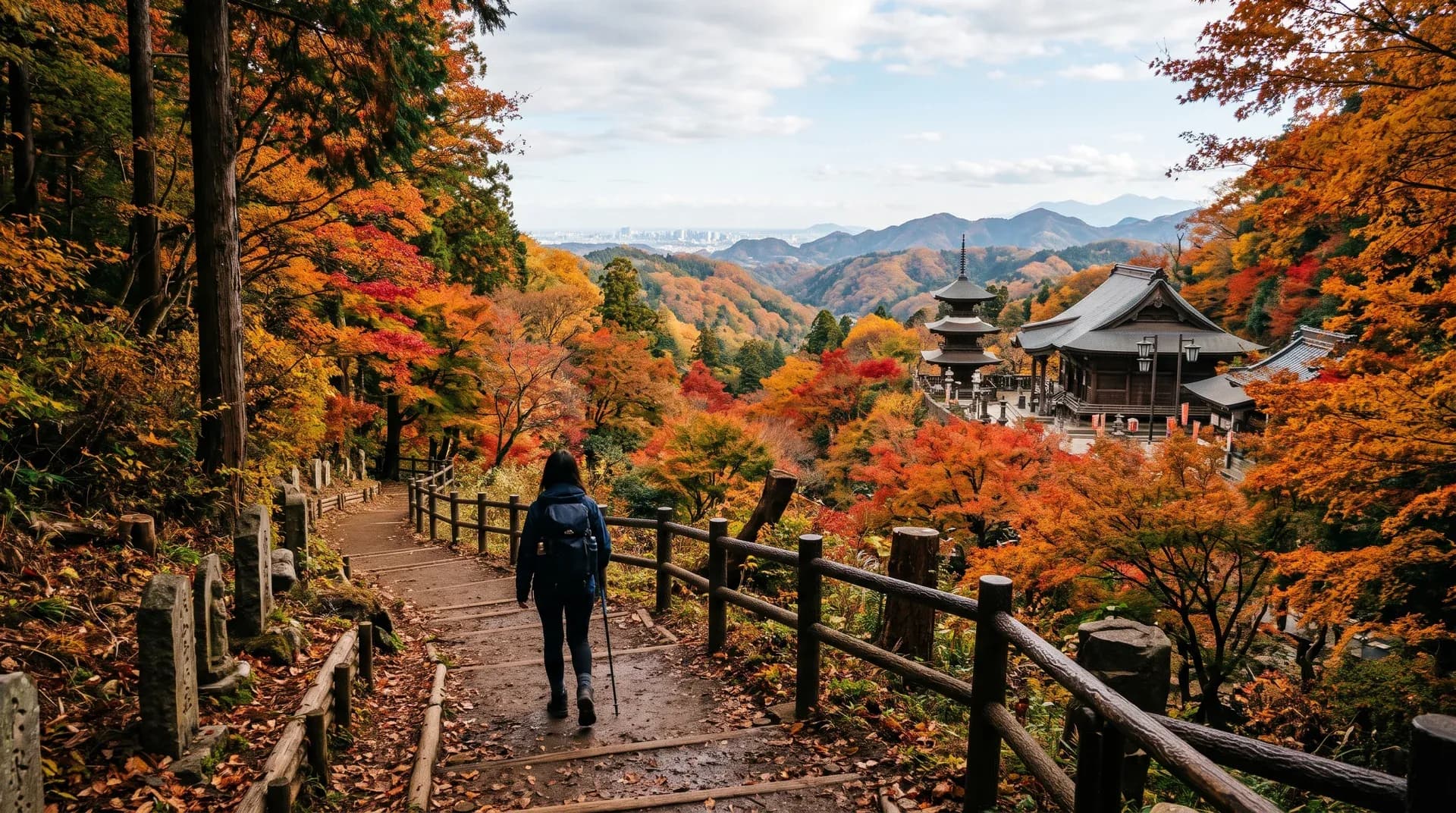
The ginkgo leaves along the Keio Line turn a sharp, buttery yellow by mid-November, and the air on Mount Takao carries the scent of cedar and roasted sweet potatoes from vendor carts near the summit. This guide unlocks nine Tokyo hiking trails for autumn 2026, each reachable by public transit within 90 minutes of Shinjuku or Tokyo Station, with current costs, updated cycling regulations, and food stops that locals actually use. It is for independent travelers who want day hikes without overnight gear, prefer trains over tour buses, and need to know which trails now restrict bicycles under Japan's revised traffic rules effective June 2026.
Essential Highlights & Local Itinerary
Mount Takao (高尾山) — Hachioji, Western Tokyo
Begin your journey at Shinjuku Station's Keio Line platform, board the express train bound for Takaosanguchi, and ride for 50 minutes to the bustling Takaosanguchi Station (¥320 / $2.10 one way). The main trail (Trail 1) is a well-maintained paved path that winds through mixed forest, covering 3.8 km round-trip and taking 90–120 minutes at a steady pace for most hikers. For those seeking aerial perspectives, the cable car ascends from the station base to the 599-meter summit (¥490 / $3.20 up, ¥950 / $6.20 round-trip), while the adjacent chairlift offers an alternative route (¥480 / $3.10 up, ¥930 / $6.10 round-trip); both operate daily from 9:00–17:00 throughout the autumn season. Peak autumn foliage at Mount Takao typically unfolds from mid-November through early December, when the ginkgo trees along the railway embankment blaze golden and the maple leaves turn fiery red. At the summit, visitors will find a cluster of traditional restaurants including the long-standing Toraya, established in 1878, which serves tororo soba with grated yam topping (¥1,300 / $8.50), while nearby vendor carts dispense grilled mochi skewers (¥300 / $2.00) and other seasonal treats. Clean toilets and multiple vending machines dot the summit area, ensuring hikers remain comfortable throughout their visit. Weekend crowds can be substantial, so arriving before 8:00 AM provides access to quieter trail sections and better parking availability at the base.
Mount Mitake (御岳山) — Ome, Western Tokyo
Travelers should depart from Shinjuku Station and board the JR Chuo Line toward Ome, alighting at Ome Station after 75 minutes (¥950 / $6.20). From there, transfer to the JR Ome Line for a brief 10-minute journey to Mitake Station (¥200 / $1.30), followed by a local bus ride to the Takimoto Cable Car departure point (¥300 / $2.00, approximately 10 minutes). The cable car ascends to the upper station where a gentle 2.5 km trail leads visitors up through ancient cedar forest to the historic Musashi-Mitake Shrine, taking roughly 60 minutes to complete. This route sees significantly fewer tourists than Mount Takao, offering a more serene hiking experience amid towering trees that have stood for centuries. After descending, hikers can refuel at local lodges where meals range from ¥1,500–¥2,500 ($10–$16). For those wishing to extend their stay, shukubo (temple lodging) accommodations are available at Mount Mitake, with rates from ¥8,000–¥12,000 ($52–$78) that include both dinner and breakfast, providing an authentic cultural immersion experience.
Mount Kumotori (雲取山) — Okutama, Far Western Tokyo
Reaching Mount Kumotori, Tokyo's highest peak at 2,017 meters, requires a longer journey beginning at Shinjuku Station's JR Chuo Line platform. Travelers head toward Ome Station, then transfer to the JR Ome Line reaching Okutama Station after approximately 2 hours total travel time (¥1,170 / $7.60). From Okutama Station, a bus journey to Kamosawa takes an additional 30 minutes (¥500 / $3.30). The full 10 km round-trip trek to the summit demands 6–7 hours of dedicated hiking time, making it essential for visitors to carry sufficient supplies including 2 liters of water, packed lunch, and appropriate rain gear, as no facilities exist beyond the trailhead. Autumn colors along this route typically peak later than lower elevations, from late October through mid-November, offering vibrant displays before higher-altitude foliage begins its descent. Hikers should remain vigilant for wildlife encounters, particularly bear sightings, and carry an appropriate bell for warning purposes. The return journey relies on hourly bus service from Kamosawa, with the final departure at 16:30, necessitating careful timing to ensure safe return to Okutama Station before the last train back to central Tokyo.
Mount Jinba (陣馬山) — Hachioji, Border of Tokyo and Yamanashi
Access to Mount Jinba begins with a journey from Shinjuku Station via the JR Chuo Line to Takao Station, followed by another transfer to the JR Chuo Line bound for Fujino Station (¥680 / $4.40 total from Shinjuku). The final leg involves a 25-minute bus ride to Jinba Kogen (¥600 / $3.90), leading to a gentle 3 km ridge walk that reaches the 857-meter summit and takes approximately 2.5 hours for the complete round-trip. On clear days, hikers are rewarded with panoramic 360-degree views encompassing Mount Fuji in the distance. The summit features a tea house where visitors can warm themselves with hearty udon (¥900 / $5.90) and traditional amazake (¥400 / $2.60), a sweet fermented rice beverage popular in autumn. The optimal visiting window for larch foliage occurs from late October through mid-November, when the distinctive golden needles create striking contrasts against the surrounding forest canopy.
Todoroki Valley (等々力渓谷) — Setagaya, Central Tokyo
Todoroki Valley offers one of the most accessible green spaces within Tokyo's urban core. Travelers can reach the valley by boarding the Tokyu Oimachi Line from Shibuya Station and traveling 20 minutes to Todoroki Station (¥250 / $1.60). The valley's primary attraction is a gentle 1.2 km walking path that follows the Yazawa River through a lush forested ravine, taking approximately 30 minutes to complete one-way at a leisurely pace. Entry is completely free, making it an ideal option for budget-conscious travelers. Along the route, visitors encounter Todoroki Fudo Temple, a peaceful resting spot where incense wafts through the air and visitors can ring the temple bell for good luck. After the hike, a short journey north to Jiyugaoka reveals numerous cafes and restaurants, with the Setsugetsuka tea house offering matcha with traditional wagashi sweets (¥800 / $5.20) for those seeking a refined afternoon tea experience before continuing their exploration of the city.
Institute for Nature Study (自然教育園) — Shirokanedai, Minato Ward
For those seeking a more controlled environment within Tokyo itself, the Institute for Nature Study provides a unique urban oasis. Access is available via either the Tokyo Metro Namboku Line or Mita Line to Shirokanedai Station (¥210 / $1.40 from Tokyo Station). This 20-hectare forest preserve features approximately 2 km of well-maintained trails that wind through native woodland, offering a surprisingly wild experience just steps from major business districts. Entry costs ¥320 / $2.10, with opening hours from 9:00 to 16:30 (last entry at 16:00), and the facility closes permanently on Mondays, requiring visitors to plan accordingly. Autumn colors here typically reach their peak in late November, with the institute's protected ecosystem creating a microclimate that preserves foliage longer than many surrounding areas. The site includes quiet sections specifically designed for wheelchair accessibility, and while no food services exist within the preserve itself, a convenience store at Shirokanedai Station provides essential supplies for visitors. This makes it an excellent destination for a 2-hour nature break between museum visits or as part of a larger downtown sightseeing itinerary.
Mount Mitake Gorge (御岳渓谷) — Ome, Western Tokyo
Building upon the Mount Mitake access described earlier, the gorge trail offers a distinct experience along the Tama River. Starting from Mitake Station, hikers can follow the 4 km riverside path toward Sawanoi Sake Brewery, taking approximately 90 minutes to complete one-way on what is largely a flat, well-maintained trail. Entry is free, making this an attractive option for families and casual walkers. The Sawanoi area features a charming riverside cafe where visitors can sample sake tasting sessions (¥500 / $3.30 for three pours) alongside traditional soba dishes (¥1,200 / $7.80). The return journey is easily accomplished via the JR Ome Line from Sawanoi Station, allowing visitors to combine both the mountain ascent and gorge walk into a comprehensive full-day experience without backtracking.
Takao 599 Museum & Trail 6 Loop — Hachioji
In addition to the popular Trail 1, Mount Takao offers alternative routes for hikers seeking less crowded experiences. The Takao 599 Museum, located at the station base, provides free admission and serves as an educational resource detailing local ecology, wildlife, and seasonal changes in the surrounding forest ecosystem. Trail 6, also known as the Inariyama Course, presents a 3.3 km unpaved loop featuring steeper sections that challenge even experienced hikers, typically requiring 2.5 hours to complete round-trip. This route connects seamlessly to the main summit area, allowing visitors to customize their hike duration and difficulty level. Vending machines are available exclusively at the museum location, so hikers planning to consume beverages should stock up before beginning their journey. Trail 6 sees significantly fewer visitors than Trail 1, making it an excellent choice for those seeking solitude and a more intimate connection with nature.
Okutama Mukashi-Michi (奥多摩むかし道) — Okutama
The historic Okutama Mukashi-Michi represents a unique blend of cultural heritage and natural beauty along the old Ome Kaido route. Access begins at Okutama Station via the JR Ome Line, where visitors can embark on a 10 km pilgrimage path that combines paved sections with forest trails, typically requiring 3–4 hours to complete one-way. Bus transportation returns visitors from Lake Okutama (¥600 / $3.90, approximately 30 minutes), enabling a convenient loop hike without the need for backtracking. Autumn foliage along the river valley peaks in early November, when the changing leaves create a picturesque backdrop to this centuries-old route. Given the limited convenience stores along the path, visitors are strongly advised to stock up on provisions at Okutama Station before beginning their journey. The route's historical significance is evident throughout, with remnants of old post towns and traditional architecture providing context for Japan's transportation evolution.
Practical Details & Dual-Currency Budget
Best Season & Weather: The autumn foliage season in Tokyo's mountains unfolds progressively from mid-October through early December, with lower elevations reaching peak color mid-November and higher altitudes displaying earlier changes. Mount Takao and the central valleys typically showcase their most vibrant displays from mid-November through early December, while higher peaks like Mount Kumotori and Mount Mitake begin their transformation from late October to mid-November. Daytime temperatures during this period range comfortably between 15–20°C (59–68°F), though visitors should prepare for significantly cooler conditions at elevation, with morning temperatures potentially dropping to 5°C (41°F) on mountain summits. The typhoon season concludes by late October, reducing weather-related disruptions and creating more predictable hiking conditions. In contrast, Golden Week in late April through early May and summer weekends generate substantially greater crowds, making autumn the optimal period for those seeking more tranquil mountain experiences.
Budget Breakdown (per person, per day):
- Budget: ¥2,000–¥3,500 ($13–$23) — train/bus fares, onigiri from konbini (¥150 / $1.00), water, no cable cars.
- Mid-range: ¥4,500–¥7,000 ($29–$46) — includes one cable car, sit-down soba lunch (¥1,200 / $7.80), tea house stop, return transit.
- Splurge: ¥12,000+ ($78+) — shukubo stay at Mount Mitake with meals, private guide, taxi to remote trailheads.
Transit & Access: All trains, subways, and buses mentioned accept Suica or Pasmo IC cards for seamless payment throughout the journey. Visitors should note that a Japan Rail Pass is not cost-effective for these particular day trips, as the pass covers only JR lines while most approaches utilize private railways such as Keio and Tokyu, or shorter JR local segments that are cheaper than the pass's daily value. Purchasing a Suica at any JR East station requires an initial deposit of ¥2,000 ($13) plus whatever amount visitors choose to load onto the card, providing flexibility for both transportation and purchases at participating vending machines and convenience stores. For destinations requiring bus connections like Mount Kumotori and Okutama, checking bus timetables the night before departure becomes essential, as weekend schedules often differ significantly from weekday service. While ride-hailing applications such as Go and Uber operate within western Tokyo, their availability diminishes considerably beyond Okutama Station, necessitating reliance on public transportation for most trail accesses.
New Cycling Rules (Effective June 2026): Japan's revised Road Traffic Act, effective June 2026, now officially classifies bicycles as vehicles subject to stricter enforcement protocols. On shared hiking trails such as the Tama River cycling path and certain sections of the Okutama Mukashi-Michi, cyclists must adhere to 20 km/h speed limits, yield completely to pedestrians, and activate proper lighting equipment after sunset. Violations carry fines starting at ¥6,000 ($39), with increasing penalties for repeat offenses. Several trailheads including those at Mount Mitake and Mount Kumotori have installed designated bike parking areas to accommodate visitors arriving by bicycle, though it's important to note that riding on unpaved mountain trails remains strictly prohibited under the new regulations. Individuals considering bicycle rental in Tokyo should budget ¥1,500–¥2,500 ($10–$16) per day and verify that rental shops provide adequate insurance coverage for trail use, as standard policies may exclude incidents occurring on designated hiking paths.
Where to Eat & Local Food Secrets
Mount Takao Summit: The Yakuoin Temple approach hosts five distinct soba shops, each offering variations on this traditional noodle dish. Among these, Toraya stands out as the most historic establishment, having served tororo soba with grated yam topping since 1878, priced at ¥1,300 ($8.50) for this premium preparation. Visitors can also find grilled mochi skewers from vendor carts positioned near the cable car upper station, priced at ¥300 ($2.00) each and offering a perfect sweet complement to the smoky aroma of charcoal grills. Multiple vending machines throughout the summit area dispense hot canned corn soup (¥130 / $0.85) and other convenient meal options for those preferring a quick bite before descending.
Mount Mitake: Accommodation at shukubo lodgings includes traditional shojin ryori, a Buddhist vegetarian cuisine featuring tofu prepared through various methods, seasonal mountain vegetables, steamed rice, and miso soup, all included in the accommodation rate. Day visitors may wish to make reservations for lunch at Komadori Sanso, where a complete meal costs ¥2,200 ($14.30) and showcases the mountain's culinary offerings. Along the Mount Mitake Gorge, Sawanoi Sake Brewery's cafe provides the unique experience of sake-kasu soft serve (¥450 / $2.90), a sweet frozen dessert made from the pulp left after sake production.
Gozasoro Imagawayaki: The Gozasoro chain operates multiple locations throughout Tokyo's railway system, selling imagawayaki—traditionally round red bean-filled cakes—for ¥100 ($0.65) each at key stations including Shinjuku, Shibuya, and Takaosanguchi. These warm, crisp-edged treats with smooth anko filling make excellent trail snacks, and purchasing two for ¥200 ($1.30) provides convenient energy for longer hikes. All locations are situated within station fare gates, allowing visitors to tap their IC cards to enter, make purchases, and exit without additional travel complications.
Okutama Area: Okutama Station's kiosk offers vacuum-packed grilled ayu (sweetfish) for ¥800 ($5.20), which hikers can enjoy cold along the trail as a protein-rich snack option. At Lake Okutama's rest house, visitors can savor hoto noodle stew (¥1,300 / $8.50) featuring pumpkin and seasonal mushrooms in a rich broth, providing warmth and sustenance after a morning of hiking. The convenience store at Okutama Station stocks reliable options including onigiri, boiled eggs, and hot coffee (¥120 / $0.78) for those preferring familiar flavors.
Todoroki Valley: Setsugetsuka tea house, open daily from 10:00–17:00 (closed Tuesdays), offers matcha with traditional wagashi sweets (¥800 / $5.20), creating a refined experience within the valley's natural setting. Following the hike, Jiyugaoka Station's proximity makes numerous bakeries and cafes accessible, with Kagetsudo's famous Melon Pan (¥250 / $1.64) representing a popular choice for visitors seeking a sweet treat after their morning walk.
Dining Etiquette: At traditional soba shops, slurping noodles is not only acceptable but encouraged, as it demonstrates appreciation for the chef's craftsmanship and helps cool the hot broth. Payment occurs at the register after dining concludes, rather than at the table, requiring visitors to settle their bills before departing. Many mountain establishments operate on a cash-only basis, making it essential to carry ¥5,000–¥10,000 ($33–$65) in small denomination bills to avoid inconvenience. As Japan continues to emphasize environmental consciousness, hikers should pack out all waste from trails, as public trash receptacles are scarce in natural areas.
Essential Traveler Checklist
- Pack layers: moisture-wicking base, fleece mid-layer, windproof shell; temperatures drop 5–10°C at summit vs. station.
- Carry ¥10,000 cash in ¥1,000 bills; most mountain vendors and buses don't accept cards or IC.
- Download offline maps (Yamap or Maps.me) — cell signal fades past Mount Mitake.
- Wear broken-in hiking shoes; Trail 1 Takao is paved but Trail 6 and Kumotori are rocky and slippery when wet.
- Learn two phrases: "Sumimasen, toire wa doko desu ka?" (Excuse me, where is the toilet?) and "Kore wa nan desu ka?" (What is this?) for food stalls.
Autumn in Tokyo's mountains means golden ginkgo, crimson maple, and the smell of woodsmoke from mountain lodges — all reachable on a ¥2,000 train ride. Pick one trail, check the bus timetable, and go.
Frequently Asked Questions
How much does a day hike at Mount Takao cost?
A round-trip from Shinjuku on the Keio Line costs ¥640 ($4.20). Adding the cable car round-trip brings it to ¥1,590 ($10.40). Budget ¥2,000–¥3,000 ($13–$20) total with snacks and a soba lunch.
Is the JR Pass worth it for Tokyo autumn hiking?
No. Most trailheads use private railways (Keio, Tokyu) or JR local segments cheaper than the pass daily rate. A Suica IC card is more practical.
When is peak autumn foliage at Mount Takao in 2026?
Mid-November to early December, based on historical patterns. Higher peaks like Mount Kumotori color earlier, late October to mid-November.
Can I bring a bicycle on Tokyo hiking trails?
Unpaved mountain trails prohibit bicycles. Shared paths like the Tama River cycling route allow bikes under new 2026 rules: 20 km/h limit, pedestrian priority, lights after dark. Fines start at ¥6,000 ($39).
Are there toilets on the Mount Kumotori trail?
Only at the Kamosawa trailhead. No facilities on the 6–7 hour round-trip. Use the toilet before departing Okutama Station.
Published: November 20, 2026 | Updated: November 20, 2026 | Author: Tour in Japan Editorial Team
Related reading
- [Tokyo Forest Escape: From Imperial Palace Cafe to Ogasawara ](/blog/tokyo-forest-escape-imperial-palace-cafe-ogasawara)
- [Tokyo November Travel Guide: Weather, Costs & Festival Logis](/blog/tokyo-november-travel-guide-weather-costs-festivals)
- [Tokyo Autumn Festivals Itinerary: Halloween, Food, Godzilla ](/blog/tokyo-autumn-festivals-itinerary)
- [Tokyo Pop Culture & Nature Itinerary: Art, Nails, Mt. Takao](/blog/tokyo-pop-culture-nature-itinerary-art-nails-mt-takao)
- [Shibuya and Mt. Fuji Guide: Logistics and New Rules](/blog/shibuya-mt-fuji-logistics-rules)
Sources
- Six months on, have Japan’s new biking rules made cycling safer?
- Guide to Tokyo Hiking in Autumn 2026
- Best Tokyo New Year’s Eve Countdown Events, Parties and Temples 2026–2027
- Gozasoro’s amazingly cheap Imagawayaki are one of Japan’s sweetest sweets deals
- Japan’s beautiful new Pokémon hotel room gives you and Dragonite a place to take a break
Ready to explore Japan?
Browse tours and activities, or tell us what you're looking for and we'll suggest the best options.
Stay Connected in Japan
Airalo eSIMs work on arrival — no physical SIM needed. Data plans from $5 for 7 days.
Travel Insurance for Japan
Medical, trip cancellation, and adventure sports covered. Plans from $1.5/day.