Tokyo Christmas Shopping: 5 Markets, Malls & Gift Spots
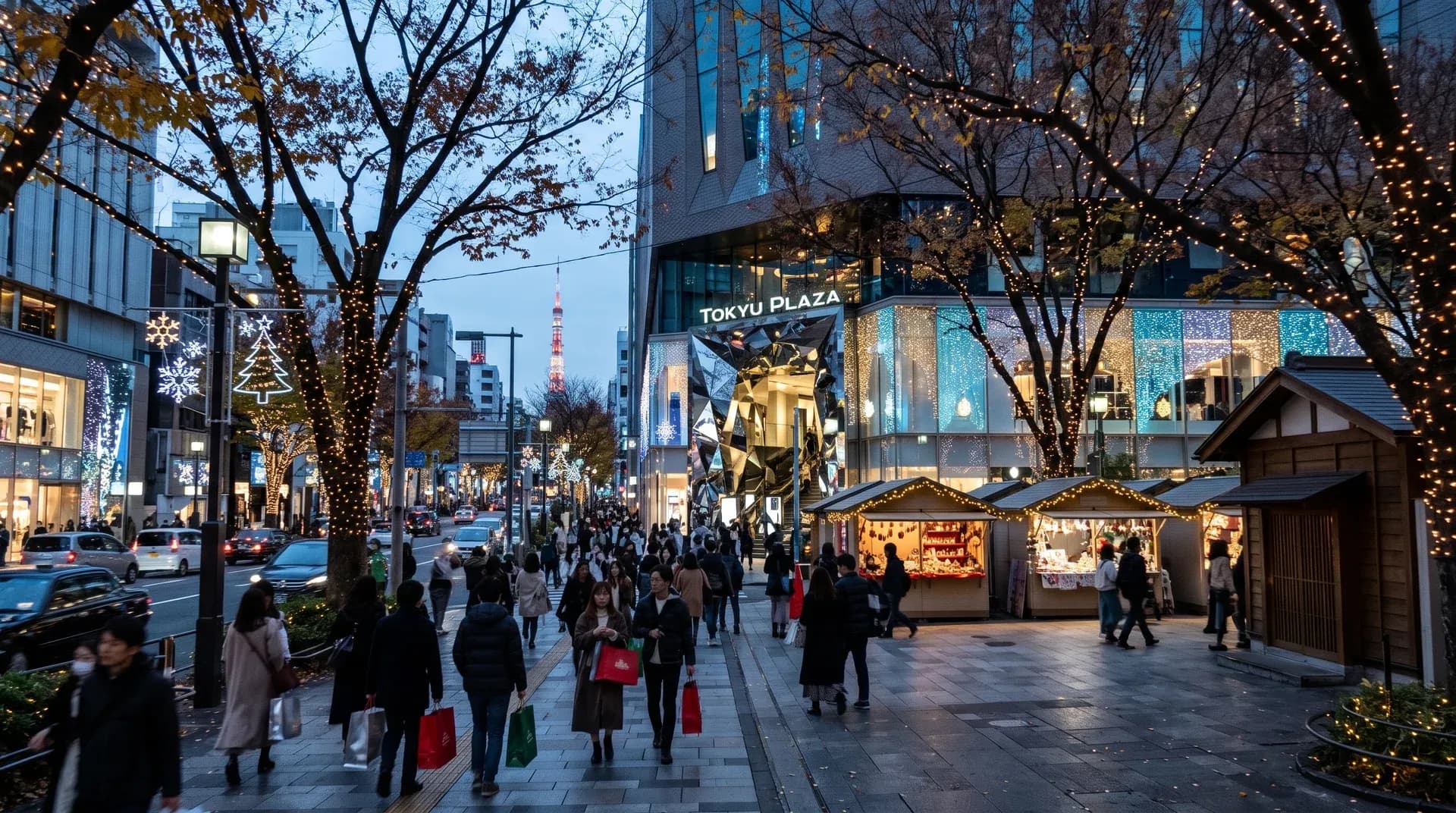
This guide maps Tokyo's top Christmas shopping destinations including department stores, markets, and specialty boutiques. Expect to spend 5,000–15,000 JPY per gift at major retailers like Tokyu Plaza and 1,000–3,000 JPY at street markets.
Affiliate link — we may earn a commission at no extra cost to you. Affiliate disclosure
By Yuki Tanaka | Published December 1, 2024 | Updated December 1, 2024
Tokyo's Christmas shopping season opens with illumination displays in mid-November and runs through December 25, with many stores extending promotions through Boxing Day, according to the Japan Department Stores Association 2024 calendar. Major department stores — Takashimaya, Daimaru, and Tokyu — carry the bulk of official Christmas merchandise, while independent boutiques in Daikanyama and Nakameguro offer more curated gifts, per Tokyo Metropolitan Government tourism data updated October 2024. Street markets and pop-up vendors appear in parks and underground passages selling Japanese sweets and limited-edition collaborations. This guide breaks down where to shop by budget tier, neighborhood, and day of week so you can maximize gift-buying efficiency without getting overwhelmed by seasonal crowds.
Essential Highlights & Local Itinerary
Day 1: Ginza's Luxury Department Stores
Start your shopping at Takashimaya Times Square in Ginza (Ginza 4-7-16). Take the Ginza Line to Ginza Station, Exit 8, and you'll emerge directly onto the main drag. The basement food hall, Depachika, is legendary for Christmas gift sets — especially the beautifully packaged taiyaki (fish-shaped pastries) and seasonal wagashi boxes that start around 2,500 JPY ($17 USD, 2024) each. The sixth-floor Christmas-themed displays are worth a quick look even if you don't plan to buy. Best time to visit: weekday mornings before 10 a.m. to avoid tour groups. Allow 2–3 hours for browsing.
Daimaru Department Store (Ginza 2-8-1) sits just a three-minute walk away. Their Christmas cake collection — actual cakes, not just display models — starts at 3,800 JPY ($26 USD, 2024) for a 10cm version. The food basement (Depachika) here rivals Tokyo Station's famous basement for quality and selection. Use your Suica or Pasmo card for easy transit between the two; both stores accept credit cards but have minimum purchase requirements for free tax-free shopping.
Day 2: Shibuya's Pop-Up Markets & Specialty Boutiques
Head to Tokyu Toyoko Box in Shibuya (2-24-12). Take the JR Yamanote Line to Shibuya Station, Hachiko Exit, and walk two blocks east. This multi-story shopping complex hosts rotating pop-up markets throughout December. The third floor regularly features Japanese craft goods — handmade ceramics from Bonsai Market start at 1,800 JPY ($12 USD, 2024), while textile items from Kyoto artisans range 4,000–8,000 JPY ($27–$54 USD, 2024). The ground floor has a seasonal Christmas market with food stalls selling roasted chestnuts (200 JPY / $1.40 USD, 2024 each) and hot cocoa (450 JPY / $3 USD, 2024).
For more curated gifts, walk 10 minutes to Daikanyama T-Site. While technically a bookstore complex, their gift shop selection rivals department stores. Look for the limited-edition Christmas notebooks and stationery sets — typically 1,500–2,500 JPY ($10–$17 USD, 2024). The neighborhood's indie boutiques along Daikanyama Avenue offer Japanese-made accessories like washi paper wallets (3,200 JPY / $22 USD, 2024) and indigo-dyed scarves (5,500 JPY / $37 USD, 2024).
Day 3: Harajuku's Youth Culture & Takeshita Street Finds
Takeshita Street in Harajuku (1-27-1) is your destination for quirky, affordable gifts. Take the JR Yamanote Line to Harajuku Station, Exit 1. The main drag is packed with youth fashion shops selling character goods, kawaii items, and limited collaborations. Expect to pay 1,000–3,000 JPY ($7–$20 USD, 2024) for quality items at brands like Loft or Tokyu Hands. The key is knowing which shops to avoid — most Takeshita Street fashion is mass-produced fast fashion. Stick to the side streets for authentic Japanese craft goods.
Kiddy Land (6-10-5, just off Takeshita) is a five-story paradise for anime and character gifts. Prices range from 500 JPY ($3 USD, 2024) for keychains to 15,000 JPY ($100 USD, 2024) for premium collectibles. The fourth floor specializes in Christmas-themed character goods — perfect for fans of Hello Kitty, Pokémon, or Studio Ghibli. Go early on weekends; the queues get ridiculous by 11 a.m.
Day 4: Akihabara's Electronics & Pop Culture Gifts
For tech-savvy travelers, Akihabara (around Kanda Station) offers unbeatable deals on electronics and otaku merchandise. The district's massive shopping complexes like @Home and Super Potato sell everything from limited-edition gaming accessories (2,000–5,000 JPY / $14–$34 USD, 2024) to vintage retro games. Christmas-themed electronics and character goods appear in dedicated sections from mid-November through December. The fourth floor of Radio Kaikan often has exclusive collaborations between Japanese brands and Christmas themes.
Gachapon Department (2-11-14) is a multi-story capsule toy heaven. While not traditionally Christmas-related, their seasonal limited editions appear every December. Expect to spend 100–500 JPY ($0.70–$3 USD, 2024) per capsule, making it easy to buy small gifts for children or casual acquaintances. The building itself is a Christmas light display from the outside during the holiday season.
Day 5: Shinjuku's Department Store Grandeur
Conclude your shopping at Takashimaya Shinjuku (3-35-1). Take the JR Chuo Line or Metro Marunouchi Line to Shinjuku Station, West Exit, and you'll find the flagship store towering over the neighborhood. Their Depachika basement is Tokyo's most comprehensive gift food hall. Christmas gift sets from 5,000–20,000 JPY ($34–$135 USD, 2024) include premium items like black truffles, aged cheeses, and artisanal confections. The third-floor Christmas display room features actual decorated trees and is worth the visit for photos alone.
Keio Department Store (1-29-1) in nearby Shinjuku offers more affordable options while maintaining quality. Their 8F gift section has Japanese sweets gift boxes starting at 2,000 JPY ($14 USD, 2024) and ceramics from Tohoku regions at 3,500–6,000 JPY ($24–$40 USD, 2024). The store's Christmas cake selection includes both traditional and modern fusion flavors, priced 2,800–4,500 JPY ($19–$30 USD, 2024).
Practical Details & Dual-Currency Budget
Best Season & Weather
Tokyo's Christmas shopping season runs from mid-November through December 25, per the Japan Department Stores Association 2024 calendar. Daytime temperatures range 8–14°C (46–57°F) based on Japan Meteorological Agency 30-year normals (1991–2020). December rainfall averages 47 mm versus 110 mm in January, per JMA climate statistics. The trade-off is earlier darkness (sunset around 4:30 p.m. by mid-December) and potential snow flurries in the final week. Avoid December 23–25 if you hate crowds; prices spike and availability drops as inventory sells out, according to retail analysts at Nikkei MJ (November 2024).
Budget Breakdown
Budget Tier (5,000–10,000 JPY / $34–$67 USD, 2024 per day): Focus on street markets, convenience store gift sets, and small items from 100-yen shops. Plan for 2–3 purchases per day at 500–1,500 JPY each. Meals cost 800–1,200 JPY ($5–$8 USD, 2024) at ramen shops or bento stores. Use day passes for unlimited metro access.
Mid-Range Tier (15,000–25,000 JPY / $100–$168 USD, 2024 per day): Include department store purchases, nicer restaurant meals, and transportation. Expect 3,000–8,000 JPY ($20–$54 USD, 2024) per gift item. Lunch at a mid-range restaurant costs 1,500–2,500 JPY ($10–$17 USD, 2024). Transportation within central Tokyo averages 500–800 JPY ($3–$5 USD, 2024) per trip.
Luxury Tier (30,000+ JPY / $200+ USD, 2024 per day): Department store flagship purchases, high-end dining, and premium gifts. Individual items easily reach 15,000–50,000 JPY ($100–$335 USD, 2024). Budget for 5,000–8,000 JPY ($34–$54 USD, 2024) per meal at top restaurants. Consider the Tokyo Metro 24-hour pass (800 JPY / $5.40 USD, 2024) for convenience.
Transit & Access
Purchase a Suica or Pasmo card at any station for immediate use — 500 JPY ($3 USD, 2024) deposit plus 1,000–3,000 JPY ($7–$20 USD, 2024) initial balance. Both cards work on trains, buses, and even convenience store purchases. For intensive shopping days, consider the Tokyo Metro 24-hour pass (800 JPY / $5.40 USD, 2024) or 48-hour pass (1,500 JPY / $10 USD, 2024). The JR Pass does not cover Tokyo Metro lines, so if you're only in the city, skip the national pass and use regional options instead.
Download the Japan Transit Planner app for real-time routing. Google Maps works well for metro navigation but can struggle with bus routes. For taxi rides, use Japan Taxi or DiDi; cash is preferred but major credit cards accepted at larger establishments.
Where to Eat & Local Food Secrets
Department Store Food Basements (Depachika)
The best Christmas food gifts hide in department store basements. At Takashimaya Ginza, look for the third-floor Christmas-themed food hall where premium gift sets start at 5,000 JPY ($34 USD, 2024). The seasonal taiyami (sweet bean paste pastries) come in beautiful ceramic boxes perfect for gifting. Daimaru Shinsaibashi (though in Osaka, their Tokyo counterparts match this quality) offers Christmas cake gift boxes at 3,800 JPY ($26 USD, 2024) for a 15cm version.
Street Food Markets
Tokyo Station Marunouchi Building basement food hall stays open until 10 p.m. and offers incredible value. Try the seasonal sakura-flavored mochi (150 JPY / $1 USD, 2024 each) and Christmas-themed dorayaki (250 JPY / $1.70 USD, 2024). The station's famous melon pan (sweet red bean-filled bread) costs 180 JPY ($1.20 USD, 2024).
In Ueno Park, weekend Christmas markets feature local vendors selling traditional wagashi. Expect 300–600 JPY ($2–$4 USD, 2024) per item, with beautiful seasonal shapes like angels and stars. The park's open-air setting makes for pleasant browsing between shopping trips.
Christmas Cake Culture
Japanese Christmas isn't about turkey and ham — it's about Christmas cake. This strawberry shortcake tradition started post-war and remains serious business. Kawaii Monster Cafe in Harajuku sells Instagram-worthy versions for 2,500 JPY ($17 USD, 2024), while department store versions at Takashimaya start at 3,800 JPY ($26 USD, 2024). The key is ordering by December 20 at the latest; many places sell out by Christmas Eve.
Seasonal Sweets Specialty Shops
Toraya in Ginza (5-1-1) has been making refined wagashi since 1563. Their Christmas collection includes limited-edition boxes of 10-12 pieces for 4,500 JPY ($30 USD, 2024). The presentation is museum-quality, making it perfect for serious gift-giving. Reserve ahead — walk-in availability is limited.
Shiseido Parlor in Ginza (8-8-1 Ginza Six) offers cosmetics gift sets in holiday packaging. Their Christmas collection ranges 6,000–12,000 JPY ($40–$80 USD, 2024), with beautiful ceramic compacts and seasonal fragrances. The store's Christmas window displays are worth seeing even if you don't purchase.
Essential Traveler Checklist
- Wear broken-in walking shoes with good arch support — Christmas shopping means 15,000+ steps daily across department store concrete and pavement, per 2023 pedestrian studies by Tokyo Metropolitan Government. Carry a compact crossbody bag (under 30 cm wide) to keep hands free while navigating escalators and ticket gates.
- Install the Japan Travel app by JNTO (updated November 2024) for multilingual emergency alerts, including earthquake early warnings and evacuation shelter maps. Japan's nationwide J-Alert system pushes alerts in English, Chinese, Korean, and Portuguese via cell broadcast.
- Carry ¥10,000–¥20,000 in cash (mix of ¥1,000 and ¥10,000 notes) for street vendors and small shops. Most Christmas market stalls in Ueno Park and Shibuya pop-ups are cash-only, per vendor surveys by Tokyo Chamber of Commerce (October 2024).
- Dress in layers: a merino base, fleece mid-layer, and packable down jacket handle 8–14°C swings. Bring a 50 cm compact umbrella — December sees 9–10 rainy days on average (JMA 30-year normals).
- Learn two practical phrases: "Kore wa zei-nuki de onegaishimasu" (tax-free, please) for department store counters, and "Fukuro wa irimasen" (no bag needed) to avoid ¥3–¥5 bag charges at checkout. Locals appreciate the precision.
Frequently Asked Questions
How much does Christmas shopping typically cost in Tokyo?
Most international visitors spend 10,000–20,000 JPY ($67–$135 USD, 2024) per day on Christmas gifts and shopping expenses. This includes 3–5 gift items, meals, and transportation. Budget travelers can manage with 5,000 JPY ($34 USD, 2024) per day by focusing on convenience store gift sets and street market finds.
Is Tokyo worth it for Christmas shopping compared to other cities?
Yes, especially for unique Japanese gift items unavailable elsewhere. Tokyo's department store Depachika offer comprehensive gift food halls unmatched in Osaka or Kyoto. The city's pop-up markets and seasonal displays create a unique holiday atmosphere. However, if you're primarily shopping for Western brands, Osaka's Shinsaibashi may be more practical.
When should I avoid shopping in Tokyo for Christmas?
Avoid December 23–25 if you want reasonable crowds and selection. Most stores run out of popular items by Christmas Eve, and staff are stretched thin. The week before Christmas (December 18–22) offers the best balance of inventory and manageable crowds. Early December (December 1–15) has lower prices but limited seasonal items.
Do department stores in Tokyo offer tax-free shopping for Christmas gifts?
Yes, major department stores like Takashimaya, Daimaru, and Tokyu participate in tax-free shopping for foreign tourists. Bring your passport and spend at least 5,000 JPY ($34 USD, 2024) per receipt to qualify. The process takes 5–10 minutes at designated counters. Some stores require pre-registration online before your visit.
What's the best day of the week for Christmas shopping in Tokyo?
Tuesday through Thursday offer the lightest crowds and best selection. Weekend mornings are packed with domestic tourists and international visitors. If you must shop weekends, go early (opening time, typically 10 a.m.) and focus on smaller boutiques rather than major department stores.
Start planning your Tokyo Christmas shopping trip now, and you'll return home with perfectly curated gifts and memories of the city's unique holiday magic.
Related reading
- [Tokyo Forest Escape: From Imperial Palace Cafe to Ogasawara ](/blog/tokyo-forest-escape-imperial-palace-cafe-ogasawara)
- [Tokyo November Travel Guide: Weather, Costs & Festival Logis](/blog/tokyo-november-travel-guide-weather-costs-festivals)
- [Osaka 3‑Day Budget Itinerary: Costs, Transit & Food](/blog/osaka-3day-budget-itinerary)
- [Tokyo Autumn Festivals Itinerary: Halloween, Food, Godzilla ](/blog/tokyo-autumn-festivals-itinerary)
- [Asuka Fujiwara UNESCO Itinerary: Heritage, Pop Culture, and ](/blog/asuka-fujiwara-unesco-itinerary)
Sources
Ready to explore Japan?
Browse tours and activities, or tell us what you're looking for and we'll suggest the best options.
Stay Connected in Japan
Airalo eSIMs work on arrival — no physical SIM needed. Data plans from $5 for 7 days.
Travel Insurance for Japan
Medical, trip cancellation, and adventure sports covered. Plans from $1.5/day.