Okinawa Travel Guide: Shuri Castle, Kokusai-dori, and
This guide plans a 5-day Okinawa itinerary covering the reopened Seiden hall at Shuri Castle (¥770 / $5.50), Naha's Kokusai-dori shopping street, and day trips to Kerama Islands. Visit November-April for fewer crowds; budget travelers spend ¥8,000 / $55 daily.
Affiliate link — we may earn a commission at no extra cost to you. Affiliate disclosure
Essential Highlights & Local Itinerary
Day 1: Naha Historic District
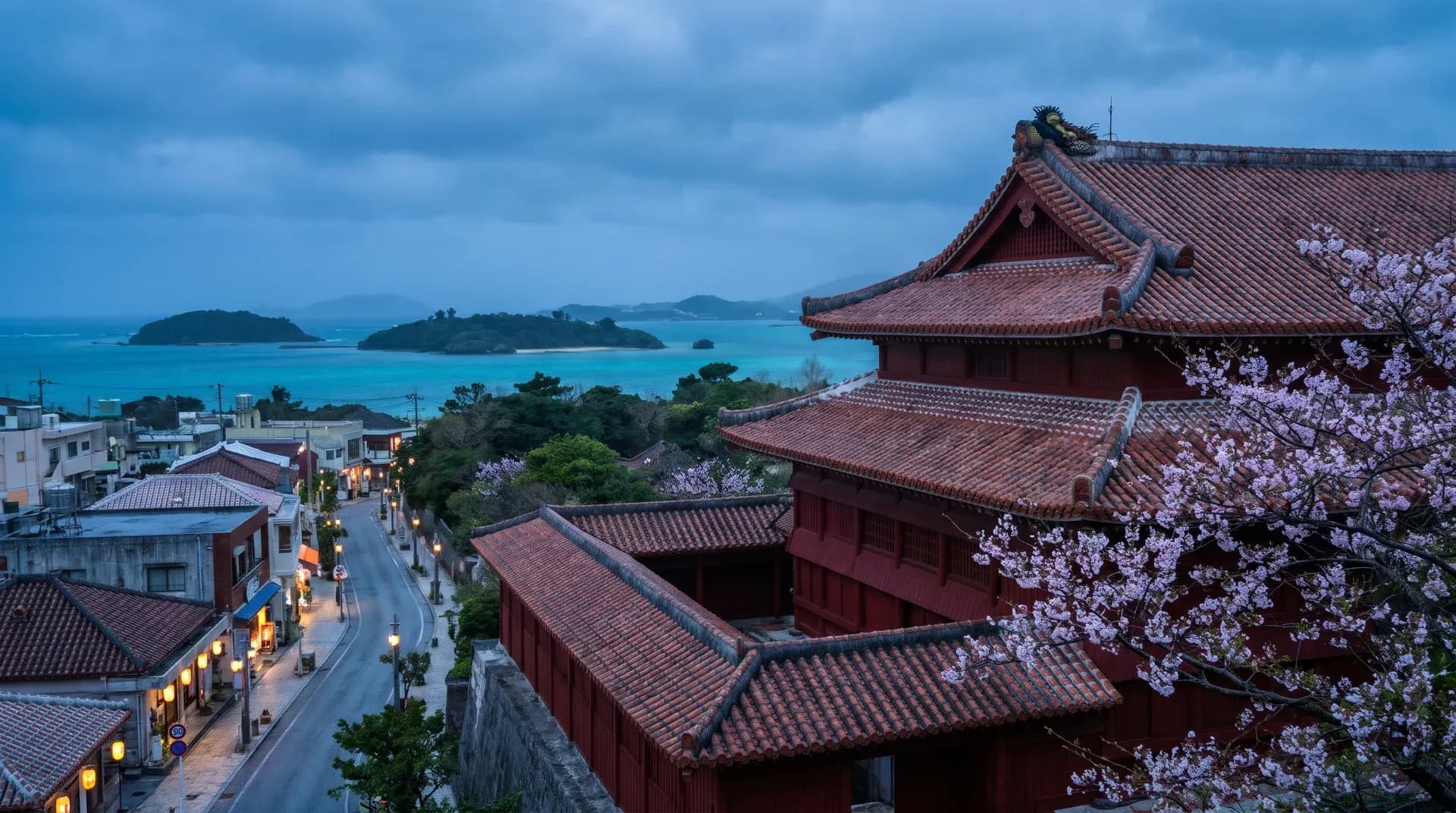
Begin at Shuri Castle (Ōshiro-jō), the former royal palace of the Ryukyu Kingdom, located in the Shuri district of Naha. The main hall (Seiden) reopened in November 2026 after extensive restoration, offering a glimpse into pre-war Ryukyuan architecture. Opening hours are 9:00–18:00 (last entry 17:30) daily, except for the year‑end holiday period when hours may vary. From Naha Airport, take the Yui Rail monorail (¥260 / $1.80) to Shuri Station, then a 15‑minute walk uphill along Shuri‑Kōen‑dŋri. Allow 2‑3 hours for the castle complex; entry is ¥770 / $5.50 for adults. The euro equivalent varies with exchange rate.
Walk down to Kokusai-dori (Kokusai Street), Naha's famous international shopping and dining corridor that runs through the Matsuyama and Makishi districts. The street stretches 1.2 kilometers east‑west, lined with everything from international chain stores to traditional Ryukyu craft shops. From Shuri Castle, it's a 20‑minute walk or a ¥260 monorail ride to Tenmon‑mae Station (Yui Rail). Kokusai‑dori is lively from mid‑morning until late evening; most shops open around 10:00 and close by 22:00, while food stalls stay open later.
Day 2: Traditional Crafts and Local Markets
Visit the Naha City Museum (¥500 / $3.50) in the Kumoji district to understand Ryukyuan culture before exploring the nearby Makishi Public Market. The museum opens 9:00–17:00 (last entry 16:30) and is closed on Mondays. The market operates daily except Mondays; arrive by 9:00 for the best seafood selection. Try taco rice (¥800 / $5.50) at local counters, a uniquely Okinawan dish born from American occupation. Euro equivalent varies with exchange rate.
In the afternoon, explore the traditional Yanbaru region in the north. Take Okinawa Bus #104 from Naha Bus Terminal (also called Naha Bus Center) — departures roughly every 30 minutes, fare ¥1,040 / $7.20 — to the Yanbaru National Park area. The journey takes about 90 minutes, offering views of subtropical forests and coastal cliffs. Bus schedules vary seasonally; check the Okinawa Bus website or the Navitime app for exact times. The park’s visitor center in Kunigami village opens 9:00–17:00.
Day 3: Kerama Island Day Trip
Ferry to Tokashiki Island (Kerama Islands) from Tomari Port in Naha. Reserve tickets in advance via the Tomari Port ferry website or at the port ticket window; the hydrofoil takes 45 minutes and costs ¥5,500 / $38.50 one way. Hydrofoil departures typically run at 8:30, 10:30, 13:30, and 15:30, but times vary by season and weather. The island features pristine beaches and coral reefs ideal for snorkeling. Rent a bicycle for ¥700 / $4.90 per day to explore the island’s 10‑kilometer coastline; rental shops near the port open 8:00–18:00. Euro equivalent varies with exchange rate.
Day 4: Peace Memorial and Ocean Views
Visit the Okinawa Peace Memorial Park and former sites including the Japanese Democracy Memorial and the Himeyuri Peace Museum (¥300 / $2.10). The park is open 24‑hours, while the Himeyuri Peace Museum opens 9:00–17:30 (last entry 17:00) and is closed on Tuesdays. Take the Yui Rail to Asahibashi Station, then a 10‑minute walk south along Route 331. The memorial’s main cenotaph and the “Cornerstone of Peace” are illuminated at night, offering a solemn atmosphere.
Drive or take a bus to Cape Manzamo (¥1,500 / $10.50 from Naha by bus #120, about 1‑hour 20‑minutes) for dramatic cliff views overlooking the Pacific Ocean. The cape is accessible 24‑hours, but sunset — usually between 18:30 and 19:30 depending on the month — is the most popular time. On clear days the silhouette of the Yaeyama islands is visible on the horizon.
Day 5: Ishigaki Island Overnight
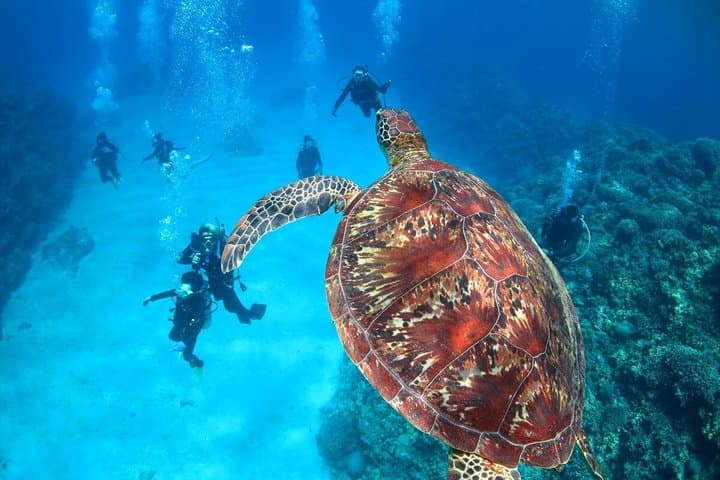
Fly from Naha to Ishigaki (¥15,000 / $105) for a completely different island experience. The 45‑minute flight operates daily via ANA or JAL; typical departure slots are 07:30, 10:00, 13:30, and 16:45, but schedules vary by season. Ishigaki offers world‑class snorkeling at Kabira Bay, turtle watching, and a more laid‑back atmosphere than Naha. Accommodation ranges from guesthouses in the Misaki district (¥3,000–¥5,000 / $21–$35 per night) to beachfront resorts on the western coast (¥30,000–¥50,000 / $210–$350 per night).
Practical Details & Dual-Currency Budget
Best Season & Weather
Okinawa's dry season runs November through May, with comfortable temperatures between 15–25°C (59‑77°F). This is peak travel season, especially March‑May for cherry blossom viewing in Naha’s Yogi Park and the Shuri Castle grounds. The wet season (June‑October) brings typhoon risk and temperatures exceeding 30°C (86°F). Humidity levels peak in August at 80‑90°%, making outdoor activities challenging. For fewer crowds, aim for late November or early March; the Okinawa Chura Festival runs year‑round, but summer months see increased tourist traffic from mainland Japan.
Budget Breakdown
Budget travelers can manage on ¥8,000 / $55 daily by staying in guesthouses, eating at markets, and using buses. Mid‑range travelers spending ¥15,000 / $105 daily will enjoy better hotels, regular meals at restaurants, and occasional taxi use. Luxury travelers spending ¥30,000 / $210 daily can access beachfront resorts and private tours. Accommodation ranges dramatically: dorm beds in Naha’s Tsuboya district cost ¥2,500 / $17.50 per night, while beachfront resorts on Ishigaki reach ¥50,000 / $350 per night. Euro equivalent varies with exchange rate.
Transit & Access
The Okinawa Transit Pass covers all Yui Rail lines and bus routes within Naha for ¥1,200 / $8.40 per day. For island hopping, the Okinawa Free Kaidi Pass offers unlimited bus travel on the main island for ¥2,500 / $17.50 per day. IC cards like Suica work on Yui Rail but not on most buses; purchase a separate bus pass or pay cash (exact change required). International flights to Naha from Tokyo cost ¥15,000–30,000 / $105–210 one way depending on season. Domestic flights between islands range from ¥10,000–20,000 / $70–140. Euro equivalent varies with exchange rate.
Where to Eat & Local Food Secrets
Okinawan cuisine differs significantly from mainland Japanese food. Try goya champuru (stir‑fried bitter melon with egg and pork) at Yagiya in the Makishi district for ¥900 / $6.30. The dish reflects the island’s health‑conscious culinary philosophy. At Makishi Public Market, fresh Okinawa taco (spicy tuna or salmon with lettuce and cheese on a taco shell) costs ¥800 / $5.50. For something truly local, order sanmi (five‑flavor fish) sashimi, traditionally considered the most auspicious fish in Ryukyuan culture, at the market’s sushi counter (price varies, typically ¥1,200–¥1,800).
Umibudo (sea grapes) are a must‑try appetizer at waterfront restaurants such as Umi no Ie near Tomari Port, priced at ¥1,200 / $8.40 per serving. These tiny green algae beads burst with ocean flavor when fresh. For dining etiquette, wait to be seated at traditional restaurants, and don‑hesitate to ask for an English menu. Many older Okinawans speak limited English, but younger staff at tourist areas are generally helpful. Euro equivalent varies with exchange rate.
Essential Traveler Checklist
- Pack lightweight clothing and reef‑safe sunscreen; Okinawa’s subtropical climate requires sun protection year‑round.
- Download the Yui Rail app for train schedules and purchase a prepaid IC card at Naha Airport for convenient transit.
- Bring cash for most transactions; many small shops and markets don’t accept credit cards, and ATMs at post offices work best for international cards.
- Dress modestly when visiting religious sites like Shuri Castle’s surrounding temples; remove hats and avoid beachwear in formal areas.
- Learn basic phrases like "Sumimasen" (excuse me) and "Oishii desu" (It’s delicious) to show respect and enhance interactions with locals.
- Install Navitime for Japan Travel or the Okinawa Bus app to check real‑time bus departures, especially for routes #104, #111, and #120.
- Carry a reusable water bottle; tap water is safe to drink and refill stations are common in parks.
Frequently Asked Questions
How much does Shuri Castle entry cost after the Seiden hall reopening?
Adult admission remains ¥770 / $5.50, the same as pre‑fire pricing. This covers entry to both the main castle grounds and the newly restored Seiden hall. Foreign tourists receive a tax refund of ¥770 when presenting a passport, effectively making the visit free for international visitors. The Seiden hall itself required ¥300‑million in restoration work, completed in phases starting 2020. Euro equivalent varies with exchange rate.
Is Okinawa worth visiting for first‑time Japan travelers?
Absolutely, but consider your priorities. Okinawa offers unique Ryukyuan culture distinct from mainland Japan, pristine beaches, and excellent snorkeling. However, it requires more travel time and budget than visiting Tokyo or Kyoto. For first‑time visitors with limited time, focus on the main island’s top attractions rather than island‑hopping. The flight from Tokyo to Naha takes just 2.5°hours, making it accessible.
What’s the best way to travel between Okinawa’s main island and the Kerama Islands?
Hydrofoil ferries operate daily from Tomari Port in Naha to Tokashiki Island, the largest Kerama island. The journey takes 45 minutes and costs ¥5,500 / $38.50 one way. Reservations are strongly recommended, especially during weekends and holidays. For budget travelers, regular ferries cost ¥3,500 / $24.50 but take 2°hours. No car ferries operate to the islands, so plan for bicycle or scooter rentals upon arrival. Euro equivalent varies with exchange rate.
When should I visit Okinawa to avoid crowds and typhoons?
November through May offers the best weather, with April‑May being peak cherry blossom season. September‑October carries high typhoon risk, with an average of 2‑2 typhoons affecting the islands during these months. If you prefer fewer crowds, visit in late November or early March. The Okinawa Chura Festival runs year‑round, but summer months see increased tourist traffic from mainland Japan.
Can I use my Japan Rail Pass in Okinawa?
No, the Japan Rail Pass does not cover any rail or ferry services in Okinawa. The Yui Rail monorail system operates independently, and all inter‑island ferries and flights are separate services. Purchase the Okinawa Transit Pass (¥1,200 / $8.40 per day) for Yui Rail and local buses, or individual tickets. IC cards like Suica work on Yui Rail but not on most bus routes, where you‑ll need exact change or a day pass. Euro equivalent varies with exchange rate.
Planning your Okinawa trip requires understanding the unique cultural landscape that emerged from its history as the Ryukyu Kingdom. The reopened Seiden hall at Shuri Castle represents more than just a tourist attraction—it’s a symbol of cultural preservation and renewal. Whether you’re drawn by the turquoise waters of the Kerama Islands, the distinctive flavors of Okinawan cuisine, or the poignant history memorialized in Naha’s Peace Park, this guide provides the practical framework to experience the islands authentically. Start by booking your accommodations early, especially for the Seiden hall opening period, and download the Yui Rail app before arrival to navigate Naha’s efficient transit network.
Related reading
- [Tokyo Forest Escape: From Imperial Palace Cafe to Ogasawara ](/blog/tokyo-forest-escape-imperial-palace-cafe-ogasawara)
- [Tokyo November Travel Guide: Weather, Costs & Festival Logis](/blog/tokyo-november-travel-guide-weather-costs-festivals)
- [Tokyo Autumn Festivals Itinerary: Halloween, Food, Godzilla ](/blog/tokyo-autumn-festivals-itinerary)
- [Asuka Fujiwara UNESCO Itinerary: Heritage, Pop Culture, and ](/blog/asuka-fujiwara-unesco-itinerary)
- [Tokyo Christmas Shopping: 5 Markets, Malls & Gift Spots](/blog/tokyo-christmas-shopping-guide)
Sources
Ready to explore Japan?
Browse tours and activities, or tell us what you're looking for and we'll suggest the best options.
Stay Connected in Japan
Airalo eSIMs work on arrival — no physical SIM needed. Data plans from $5 for 7 days.
Travel Insurance for Japan
Medical, trip cancellation, and adventure sports covered. Plans from $1.5/day.