A guide to Tokyo's ramen styles, districts and shops
Tokyo has its own shoyu style and many regional ramen variations. Learn the main broths, where to eat, and how to order and eat politely.
Affiliate link — we may earn a commission at no extra cost to you. Affiliate disclosure
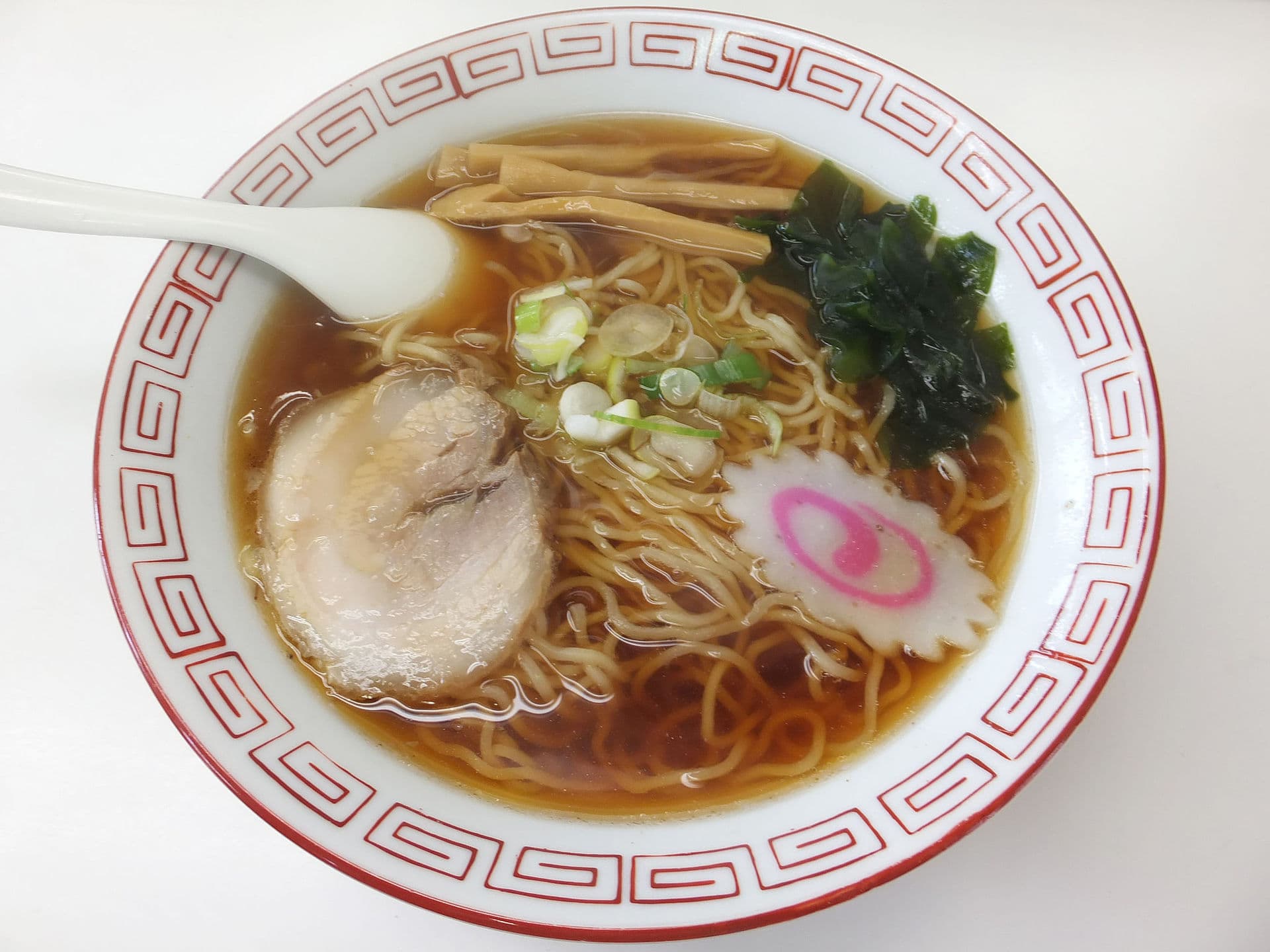
Tokyo is one of Japan's great ramen cities. The capital has its own classic style — a dark, pork- or chicken-based shoyu broth — and you'll also find almost every other regional style, including many inventive takes, served across the city (Travel Japan). Ramen is casual, quick food: you don't go out for a bowl to linger, and a line outside a shop is often a mark of quality.
Ramen Styles and Broths
Ramen has its roots in China; it's generally accepted that in 1910 a Chinese restaurant in Asakusa, Tokyo began serving a dish known as ramen, and the Chinese-style wheat noodles in a meat- or fish-based broth quickly became popular (Travel Japan).
Broadly speaking there are four main ramen types. Three refer to the seasoning — shio (salt), shoyu (soy sauce) and miso — while the fourth, tonkotsu, is defined by its creamy pork bone soup. Shops typically specialise in one or two types.
- Tonkotsu — creamy pork bone broth, born in Kurume, Fukuoka Prefecture, in 1937 (Travel Japan).
- Shoyu — soy sauce-based.
- Miso — fermented soybean paste; Sapporo is famous for miso ramen, often combining a tonkotsu base with miso and toppings such as corn and seafood.
- Shio — salt-based.
- Tsukemen — a closely related dish in which the noodles are served separately for dipping in a more concentrated soup.
Ramen Districts in Tokyo
Tokyo is recognised as one of Japan's ramen towns, with some of the country's oldest ramen shops and most famous chefs (Travel Japan). These districts are good places to start:
- Shinjuku — the busiest transport hub in the world, with thousands of shops, restaurants and bars in the immediate vicinity (Travel Japan).
- Ikebukuro — well served by subway and local train lines, including the JR Yamanote, Shonan-Shinjuku and Saikyo lines (Travel Japan).
- Shibuya — the youth heart of the city, with nightlife in Center Gai and Dogenzaka (Travel Japan).
Many ramen shops sit just outside major train stations, so the JR Yamanote Line is a convenient way to hop between them (Travel Japan).
Must-Try Ramen Shops
These shops along the JR Yamanote Line between Shinjuku and Ikebukuro are worth seeking out. Prices are from 2018, so check the current menu before you go (Travel Japan).
- Ramen Horiuchi (Shinjuku) — classic Tokyo-style shoyu ramen with thick noodles, 4 minutes from Shinjuku Station's West Exit. A regular bowl was ¥800 (2018). Open Monday to Saturday, 11:00–23:00.
- Menya Yusaku (Shin-Okubo) — seafood, miso-based ramen with handmade flat noodles. A bowl was ¥900 (2018). Closed Wednesdays, 11:30–20:00.
- Vegipota Tsukemen En-ji (Ikebukuro) — tsukemen with a creamy vegetable-and-pork broth, 4 minutes from Ikebukuro Station's North Exit. Around ¥800 (2018). Weekdays 11:30–16:00 and 17:30–23:00; weekends and public holidays 11:30–22:00.
- Mutekiya (Ikebukuro) — tonkotsu ramen with broth simmered for 16 hours. The namesake bowl was ¥1,100 (2018). Open daily except New Year holidays, 10:30–4:00.
Ichiran is a tonkotsu ramen specialist with several branches in Tokyo, including Shibuya, where the shop is open 24 hours and is about 3 minutes on foot from Shibuya Station's Hachiko Exit. The standard bowl is listed at ¥1,180 on Ichiran's official site, with kaedama (noodle refills) from ¥150; check the live price before you go (Ichiran).
Ippudo operates 31 stores in Tokyo (IPPUDO).
Afuri and Soranoiro offer vegetarian or vegan options at some of their stores, and Soranoiro also offers some gluten-free options at some locations. For something different, look out for Menko Ushio (carbonara-style ramen), Ginza Hachigo (Michelin-starred, with a stock of chicken, duck, scallops and cured ham), Ebimaru (lobster ramen) and Butasoba Tsukiya (tonkotsu flavour with a clear chintan base, finished with a squeeze of shikuwasa citrus) (Travel Japan).
Ramen Etiquette and Tips
- Order at the ticket machine. In most ramen restaurants you pay in advance at a vending machine: insert money, then press the buttons for your ramen, drinks and sides. Hand the printed tickets to the staff and take a seat (Travel Japan).
- Slurp your noodles. It isn't considered rude, and many people find it makes eating noodles with chopsticks easier.
- You don't have to finish the soup. Finishing all the noodles and toppings but leaving some soup is still considered "done".
- Don't linger. Ramen shops are not places to linger over your meal, especially if people are lined up outside.
If you're queueing, stay together as a group rather than sending one person to hold places, and use the wait to study the menu. If you're unsure what to order, go with the shop's recommendation (Travel Japan).
At the table, it's good form to try to finish your meal, and it's fine to lift the bowl to your mouth (Travel Japan).
Tokyo's ramen scene rewards exploration. Don't be afraid to try unfamiliar styles or shops that look unassuming. Consider visiting during off-peak hours to avoid long lines at popular shops, and remember that ramen is meant to be eaten quickly while it's hot.
Ready to explore Japan?
Browse tours and activities, or tell us what you're looking for and we'll suggest the best options.
Stay Connected in Japan
Airalo eSIMs work on arrival — no physical SIM needed. Data plans from $5 for 7 days.
Travel Insurance for Japan
Medical, trip cancellation, and adventure sports covered. Plans from $1.5/day.