Tokyo hidden gems: off-the-beaten-path experiences
A guide to quieter Tokyo spots, from Hanazono Shrine and Nezu-jinja to Golden Gai, Edo-era gardens and the Oedo antique market.
Affiliate link — we may earn a commission at no extra cost to you. Affiliate disclosure
Tokyo Hidden Gems: Off-the-Beaten-Path Experiences (2026)
Tokyo has two sides — the one most visitors see, and the one locals know. These places are reachable on public transport, and the details below are checked against published sources. Opening hours, market dates and prices change, so confirm before you go.
Secret Temples & Shrines
1. Hanazono Shrine (Shinjuku)
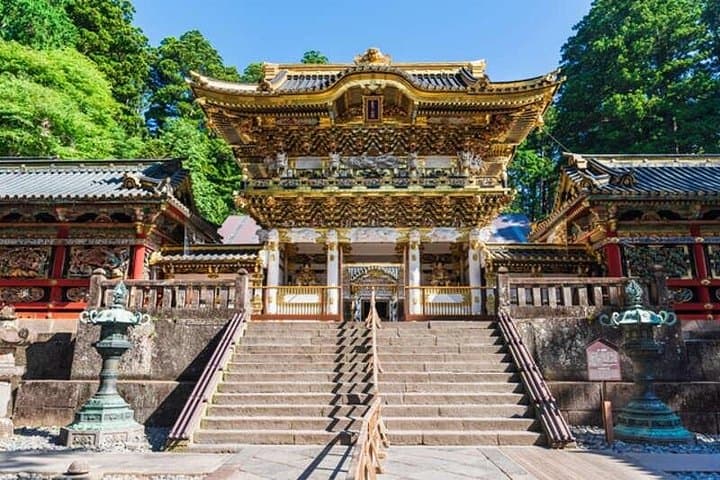
Hanazono Shrine sits in Shinjuku, 0 minutes from Exit E2 of Shinjuku-sanchome Station and about seven minutes on foot from Shinjuku Station's East Exit. Its Tori-no-Ichi fair falls on rooster days in November; in 2026 the eve stalls run on 6 and 18 November from about 15:00, and the main days on 7 and 19 November from about noon, all until around midnight. The shrine says about 260 stalls set up, and entry may be restricted after 18:00 when crowded; there is no third rooster day in 2026 (Japan Event).
On Sundays the shrine also hosts an open-air antique market, usually around 6:30–15:00; JNTO's 2025 list notes that open-air markets usually close if it rains and that dates and hours can change (JNTO antique markets 2025). Check before travelling.
2. Nezu Shrine
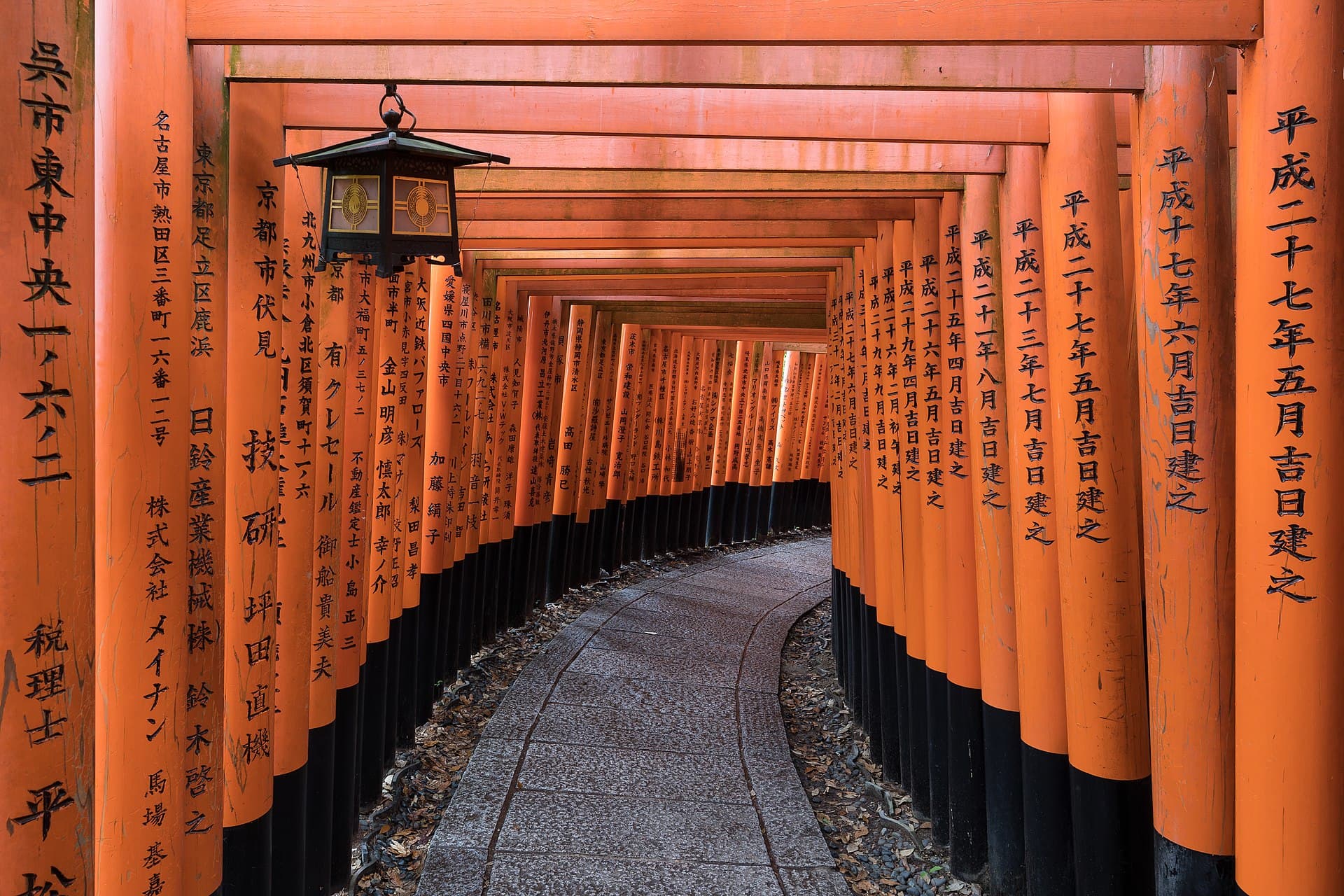
Nezu-jinja Shrine is believed to have been founded more than 1,900 years ago. Its 300-year-old azalea garden covers 6,600 square metres and has about 3,000 azalea plants of 100 species; seven of the shrine's buildings, including the main hall, are Important Cultural Properties. The 2026 azalea festival ran from 1 to 30 April, with opening hours 9:00–17:30 (11:00 on 1 April) and admission ¥500–¥1,000 (2026) depending on blooming conditions. The 2026 event has already taken place, so check the official site for the next dates. The shrine is five minutes on foot from Nezu or Sendagi stations on the Chiyoda Line, or Todaimae on the Namboku Line (GO TOKYO). The shrine's tunnel of red torii might remind you of Fushimi Inari in Kyoto (Travel Japan).
Underground Tokyo
3. Golden Gai (Shinjuku)
Golden Gai is a compact district of roughly 280 bars across six narrow alleys near Shinjuku Station. Most bars are tiny, and many charge a seat charge of ¥500–¥1,500 per person (2026), separate from drinks; a realistic budget is roughly ¥2,500–¥4,000 (2026) for one bar and two drinks. Some bars are regulars-only, so go in twos or threes and ask before sitting down. The alleys are private roads: photography requires permission, even for close-ups of signs, and you should ask separately inside a bar. Do not smoke or drink while walking in the alleys, and eat before you go because food is minimal (Honto Japan). Check current charges at the door.
Secret Gardens & Nature
4. Kyu-Shiba-rikyu Garden
Kyu-Shiba-rikyu is one of Tokyo's oldest Edo-era feudal lord's gardens, along with Koishikawa Korakuen. It has a pond surrounded by a path and man-made hills; the highest, Oyama, gives a panoramic view. The garden was given to Tokyo City in 1924 and opened to the public the same year. A 2023 Tokyo garden leaflet lists adult admission at ¥150 (2023), seniors at ¥70 (2023), opening hours 9:00–17:00 with last admission at 16:30, and closure from 29 December to 1 January (Tokyo garden leaflet 2023). Check current details before you go.
5. Institute for Nature Study
The Institute for Nature Study is a nature reserve in Tokyo. Opening hours are 9:00–16:30 from 1 September to 30 April and 9:00–17:00 from 1 May to 31 August, with visitors admitted until 16:00. It is closed on Mondays (open if Monday is a national holiday), the day after a public holiday (open if the holiday falls on a Saturday or Sunday), and from 28 December to 4 January. Admission is charged for adults; high-school students and younger, visitors aged 65 and over, and disabled visitors with one caregiver are admitted free. Jogging, sports, alcohol and collecting plants or animals are prohibited (Institute for Nature Study).
6. Meiji Jingu Inner Garden
Meiji Jingu's inner garden lies south of the main shrine. It was laid out as a strolling garden in the Meiji era for Empress Shoken, and the iris garden was ordered by Emperor Meiji. The garden is open 9:00–16:30 from March to October and 9:00–16:00 from November to February; in June it opens 8:00–17:00, or 18:00 at weekends. The iris garden blooms in June, and the well is said to have been dug by Kato Kiyomasa, yielding about 60 litres a minute at around 15°C year-round. The garden page lists an admission charge (Meiji Jingu). Check the current price before you go.
Local Food Experiences
7. Yanaka Ginza and Yanesen food
Yanaka Ginza is a shopping arcade typical of shitamachi, the old downtown. You can try hearty, no-fuss dishes such as menchi katsu, a deep-fried minced meat cutlet, and tendon, battered seafood and vegetables on rice. For coffee, look for a kissaten, a traditional coffee shop; for sweets, try daifuku or watch amezaiku candy being shaped at Amezaiku Yoshihara, which makes and sells amezaiku every day. The area is served by the Metro Chiyoda Line to Nezu or Sendagi stations (Travel Japan).
Cultural Experiences
8. Oedo Antique Market
Oedo Antique Market is held at Tokyo International Forum, one minute from Yurakucho Station. JNTO's 2025 list says it usually runs on the first and third Sunday of the month, from 9:00 to around 16:00, with about 250 dealers; it is one of the largest open-air markets in Tokyo (JNTO antique markets 2025). The schedule can change, so check before you go.
9. SCAI The Bathhouse
SCAI The Bathhouse is a contemporary art gallery housed in a reformed bathhouse with more than 200 years of history. It is in Yanesen, the old downtown area of Yanaka, Nezu and Sendagi (Travel Japan).
Architecture & Design
10. Kyu-Iwasaki-tei Garden
Kyu-Iwasaki-tei Garden is just outside Ueno Park. It was the former residence of the Iwasaki family, founders of the Mitsubishi Group, and the wooden building was designed by Josiah Condor in 1896. The house is surrounded by a lush garden (Travel Japan itinerary).
Unique Neighborhoods
11. Yanesen (Yanaka, Nezu, Sendagi and Hongo)
Yanesen covers Yanaka, Nezu and Sendagi, with neighbouring Hongo often included. It is part of Tokyo's shitamachi, or old downtown, and survived war and disasters that erased much of the city. The appeal is in the narrow byways full of small shops, bars and restaurants, and in the friendly, retro atmosphere. Nezu-jinja Shrine and its unusual architecture are here. Take the Metro Chiyoda Line to Nezu or Sendagi (Travel Japan).
How to Experience Hidden Tokyo
Walk rather than rush between headline sights. The best discoveries are often down a side street, in a local shopping arcade or in a small bar. Check opening days, market schedules and transport before you set out, because hours and dates change. Carry cash for small bars, markets and some admissions. Ask before photographing private alleys, bar interiors or people. Use public transport and check the current fare at the station.
The Real Tokyo
The hidden Tokyo is not about avoiding tourists. It is about slowing down and paying attention: turning down an unfamiliar alley, looking into a tiny shop, or following a local recommendation. The city reveals itself one discovery at a time.
Ready to explore Japan?
Browse tours and activities, or tell us what you're looking for and we'll suggest the best options.
Stay Connected in Japan
Airalo eSIMs work on arrival — no physical SIM needed. Data plans from $5 for 7 days.
Travel Insurance for Japan
Medical, trip cancellation, and adventure sports covered. Plans from $1.5/day.