
Kyoto, Osaka and Nara Customized Private Car tour
Take a deep dive into traditional Japanese culture and history during this full-day trip to Kyoto and Nara from the center of Kyoto or Osaka. Enjoy the atmosphere of Kyoto’s Arashiyama district and admire the beautiful grounds of the Kinkaku-ji temple. Then head to Nara and see the wild deer of Nara
What To Expect
Stop 1
⏱ 1hNara Park is a beautiful place where Japan's history and nature blend seamlessly, attracting many tourists. Spanning approximately 660 hectares, the park is home to around 1,200 freely roaming deer, which visitors can feed with special deer crackers. The park features numerous historical buildings, such as the Great Buddha Hall of Todai-ji Temple, the five-story pagoda of Kofuku-ji Temple, and Kasuga Taisha Shrine, offering a wealth of sights to explore. Additionally, the park's seasonal natural beauty is captivating, with cherry blossoms in spring and vibrant autumn leaves being particularly popular. Nara Park is a unique place where history and nature harmonize, allowing visitors to fully enjoy Japan's traditional culture and beautiful landscapes. Be sure to visit and experience its charm for yourself.
Stop 2
⏱ 1hThe Nara National Museum Nara Kokuritsu Hakubutsukan), located in Nara Park, is an art museum which primarily displays Japanese Buddhist art. Established in 1889, the museum retains its original building and is joined by a new wing that is connected to the original building by an underground passage. Both wings display the museum's permanent collection, which includes Buddhist statues, paintings, scrolls and ceremonial objects mainly from Japan. The new wing also houses temporary exhibitions, including an annual exhibition every autumn of treasures from Todaiji Temple. A ticket to the museum gives access to both wings, and English explanations are available throughout the museum.
Stop 3
⏱ 1hThe upper two floors of the Zen temple Kinkakuji (Golden Pavilion), located in northern Kyoto, are entirely coated with gold leaf. Originally called Rokuonji, the temple served as Ashikaga Yoshimitsu's retirement residence. Following his death in 1408, the shogun left it as a Zen temple belonging to the Rinzai sect. Ashikaga Yoshimasa, the grandson of Yoshimitsu, erected Ginkakuji (Silver Pavilion) on the opposite side of the city a few decades after seeing Kinkakuji. The only remaining building from Yoshimitsu's former retirement community is Kinkakuji, an elegant temple erected overlooking a big pond Throughout its history, it has burned down multiple times, twice during the Onin War, a civil war that devastated a great deal of
Stop 4
⏱ 1hArashiyama is the Togetsukyo Bridge, also known as the "Moon Crossing Bridge". It was most recently rebuilt in the 1930s after being created during the Heian Period (794-1185). The bridge appears especially lovely against the backdrop of the wooded slope. Adjacent to the bridge is a riverbank park dotted with scores of cherry trees. HAMMOOSE GROVES Nice walks and bicycle rides can be had along the walking routes that go through the bamboo trees. When there is a light wind and the long bamboo stalks softly move back and forth, the woods become very picturesque. Bamboo has been utilized for generations in local workshops to make a variety of goods, including mats, cups, boxes, and baskets.
Stop 5
⏱ 1hA significant Shinto shrine located in southern Kyoto is called Fushimi Inari Shrine (Fushimi Inari Taisha). It is well-known for the thousands of red torii gates that cross a system of paths that run behind the major structures. The paths lead into the forested area of the holy Mount Inari, which is located on the shrine grounds and rises to a height of 233 meters. Of the thousands of shrines devoted to Inari, the Shinto god of rice, Fushimi Inari is the most significant. Since foxes are believed to be Inari's messengers, there are numerous fox statues scattered across the shrine grounds. The history of Fushimi Inari Shrine dates back to a time before Kyoto became the capital in 794. While exploring the mountain paths is the main reason most international visitors come to Fushimi Inari Shrine,
Stop 6
⏱ 1hOne of Japan's most well-known temples is Kiyomizudera, which translates to "Pure Water Temple". It got its name from the pristine waters of the Otowa Waterfall, which is located on the forested hillsides east of Kyoto, where it was established in 780. The temple established the Kita Hosso sect in 1965 after first being connected to the Hosso sect, one of the oldest schools of Japanese Buddhism. The temple was included as a UNESCO World Heritage Site in 1994. The most notable feature of Kiyomizudera is its wooden stage, which protrudes 13 meters over the surrounding hillside from the main hall. Visitors can enjoy a pleasant view of the many cherry and maple trees below, which burst into a sea of color, from the stage.
Stop 7
⏱ 1hTodaiji Tōdaiji, "Great Eastern Temple") is one of Japan's most famous and historically significant temples and a landmark of Nara. The temple was constructed in 752 as the head temple of all provincial Buddhist temples of Japan and grew so powerful that the capital was moved from Nara to Nagaoka in 784 in order to lower the temple's influence on government affairs. Until recently, Todaiji's main hall, the Daibutsuden (Big Buddha Hall), held the record as the world's largest wooden building, despite the fact that the present reconstruction of 1692 is only two thirds of the original temple hall's size. The massive building houses one of Japan's largest bronze statues of Buddha (Daibutsu). The 15 meters tall, seated Buddha represents Vairocana and is flanked by two Bodhisattvas.
Stop 8
⏱ 1hThe Kyoto Imperial Palace (Kyoto Gosho) used to be the residence of Japan's Imperial Family until 1868, when the emperor and capital were moved from Kyoto to Tokyo. It is located in the spacious Kyoto Imperial Park (Kyõto Gyoen), an attractive park in the center of the city that also encompasses the Sento Imperial Palace and a few other attractions. The current Imperial Palace was reconstructed in 1855 after it had burnt down and moved around town repeatedly over the centuries. The complex is enclosed by long walls and consists of several gates, halls and gardens. The enthronement ceremonies of Emperors Taisho and Showa were still held in the palace's main hall. Tokyo Imperial Palace is now used for enthronement ceremonies.
What to Bring
- •Public transportation options are available nearby
- •Not recommended for travelers with spinal injuries
- •Not recommended for pregnant travelers
- •Not recommended for travelers with poor cardiovascular health
- •Travelers should have at least a moderate level of physical fitness
Compare Similar Experiences
 Kyoto, Osaka and Nara Customized Private Car tour (this) |  Kyoto Anime Live Performance |  Kyoto Summer UMAMI Masterclass Dashi and Japanese Food |  Udon Making Class in Kyoto Countryside | |
|---|---|---|---|---|
| Rating | ⭐ 4.8 (8) | — | — | — |
| Duration | — | 1 hour | 1h 15m | 1 hour |
| Group size | — | — | — | — |
| Price (from) | US$516.35 | US$35.5 | US$49.7 | US$46.38 |
| Cancellation | Non-refundable | Non-refundable | Non-refundable | Non-refundable |
Customers Who Bought This Tour Also Bought

Private Kyoto Tour: Explore the Most Iconic Sights

Exclusive Kyoto and Nara Customised Private Day Tour

Kyoto Custom Private Walking Tour with A Guide (Private Tour)

Kyoto Private 10H Customizable Highlights Tour

Kyoto: Imperial Palace & Court Nobles Walking Tour

Kyoto Bus Tour: Sagano Railway & Hozugawa River Boat Ride
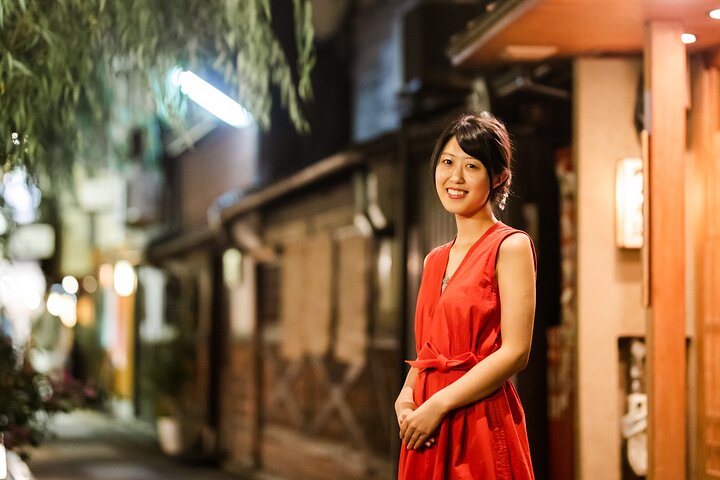
Kyoto Gion Private Tour with a Local Guide – Geisha District

Hiroshima and Miyajima Full-Day Tour from Kyoto by Bullet Train
More Experiences in Kyoto
Kyoto Anime Live Performance
Kyoto Anime Live Performance transforms the vibrant world of anime into a captivating live concert experience in the heart of Kyoto. Enjoy a 60-minute performance by talented Japanese musicians, bringing unforgettable soundtracks from beloved anime films and series to life. Held in a traditional Kyo
From US$35.5
Kyoto Summer UMAMI Masterclass Dashi and Japanese Food
Refresh your senses this summer in a calm and personal small-group setting Learn the Japanese umami with hands-on guidance from a specialist Compare different types of dashi and understand how delicate flavor is built Try shaving dried bonito flakes! A rare hands-on experience in Japanese culture Ma
From US$49.7
Udon Making Class in Kyoto Countryside
Escape the hustle and bustle with a serene culinary journey in Wazuka, Kyoto Prefecture, renowned for its tea fields and tranquil countryside. This immersive experience not only teaches you how to make Kyoto udon, a comforting noodle dish with a rich, complex broth from bonito flakes and seaweed, bu
From US$46.38

Dry Bonsai Making Workshop in Kyoto
This Kyoto workshop offers a rare opportunity to create a Dry Bonsai made from real bonsai branches, combining traditional aesthetics with modern practicality. The workshop is led by a professional guide who can conduct the experience in both English and French, ensuring clear explanations and smoo
From US$232.36
From
US$516.35