Tokyo and Gunma Travel Guide: Autumn 2026 Itinerary
Experience autumn in Japan by combining Tokyo's new sightseeing sushi bus with Gunma's vibrant foliage. Budget approximately ¥15,000–¥25,000 ($100–$165 USD) per day.
Autumn in Japan offers a crisp transition from the humid summer, making it the ideal season for both urban exploration in Tokyo and nature-focused retreats in Gunma Prefecture. Whether you are navigating the city for a new culinary experience or heading north for mountain views, this guide provides the logistical framework for a seamless trip. As of October 2026, travelers should be aware of recent seismic activity in the Kanto region and ensure their Shinkansen booking accounts are secured following recent data security reports. Published: October 1, 2026. Updated: October 15, 2026. Author: Sarah Johnson.
Essential Highlights & Local Itinerary
Tokyo: The Sushi Bus Experience
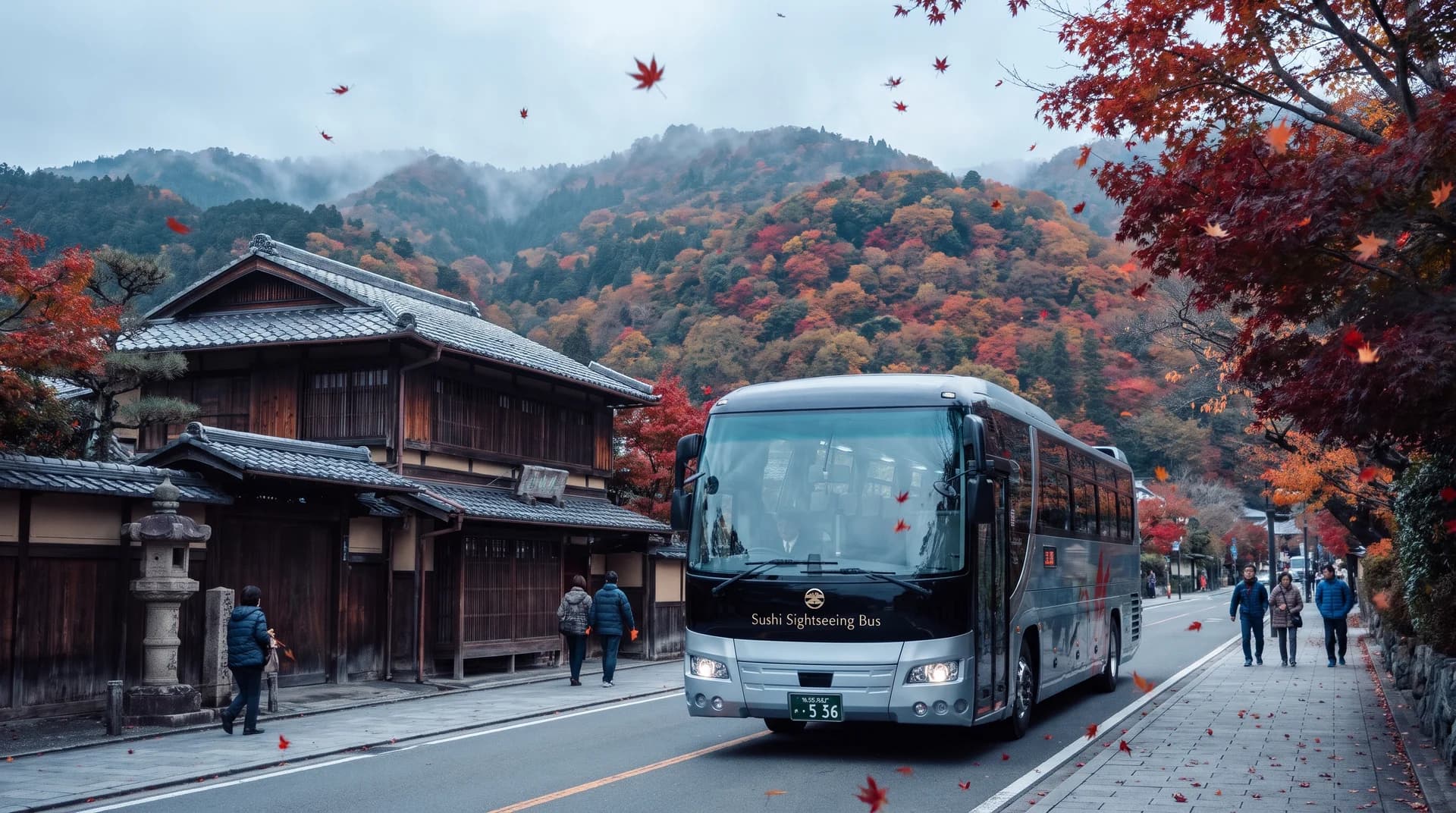
For a unique perspective on the capital, the new gourmet sightseeing bus offers a tour of Tokyo’s landmarks paired with all-you-can-eat sushi. The bus departs from central transit hubs, providing a climate-controlled environment to view the skyline. Prices vary by package, typically starting around ¥8,000 (~$53 USD). Ensure you book directly through the official operator to avoid third-party markups. This activity is best enjoyed during the late afternoon to catch the city lights as they flicker on at sunset. For more seasonal inspiration, check out the Tokyo Autumn Festivals Itinerary: Halloween, Food, Godzilla.
The sushi bus journey begins in the heart of Shibuya, where passengers board near the famous Scramble Crossing. From there, the route winds through iconic neighborhoods including Harajuku’s Takeshita-dori, the serene Meiji Shrine forest, and the bustling commercial district of Ginza. As the bus glides along elevated expressways, panoramic views of Tokyo Bay and the Tokyo Skytree come into view, especially stunning once dusk settles in and the city illuminates. Onboard, freshly prepared nigiri and gunkan rolls are served continuously by skilled chefs who rotate between vehicles. Seasonal ingredients like Pacific saury, matsutake mushrooms, and chestnuts often feature during October and November. Booking slots fill quickly after sunrise each morning, so reservations made at least three days in advance are strongly advised. The entire loop lasts approximately 90 minutes, including a brief stop at a waterfront rest area for photos.
For those preferring a more intimate experience, smaller boutique sushi tours are available in the Harajuku district, offering a curated tasting menu of seasonal sashimi and hand-crafted nigiri. These tours typically operate on weekdays and can be booked through local culinary guides.
Osaka: Abeno Harukas Art Museum
If your itinerary extends west, the Andrew Wyeth retrospective at the Abeno Harukas Art Museum is a highlight through December 6, 2026. Located in the abeno district, you can reach the museum via the JR Tennoji Station. Entry fees are approximately ¥1,800 (~$12 USD). The museum is best visited on weekdays to avoid the weekend crowds that flock to the observation deck in the same building.
Situated on the 52nd floor of the sleek Abeno Harukas Tower, the museum offers sweeping views of southern Osaka alongside its world-class exhibitions. The Andrew Wyeth retrospective showcases over 150 works spanning six decades, including some of his most celebrated pieces such as Christina’s World and Helga Testorf series. Visitors can access the museum via the JR Kansai Line from Osaka Station to Tennoji, which takes roughly 15 minutes. Alternatively, the subway Midosuji Line connects directly to Tennoji Station’s north exit. Once inside the tower, express elevators whisk guests up to the gallery space within minutes. On clear days, the observation deck above the museum provides unobstructed vistas stretching across the Seto Inland Sea. Weekday mornings before noon tend to be quieter, allowing for a more contemplative experience among the artwork. Audio guides are available in multiple languages including English, Chinese, and Korean.
The Abeno Harukas Observation Deck, located on the 60th floor, offers 360-degree views of Osaka Bay and the surrounding cityscape. The deck is open daily and provides panoramic views.
Gunma Prefecture: Autumn Foliage and Onsen
Located about two hours north of Tokyo, Gunma offers a rugged contrast to the capital. Take the Joetsu Shinkansen from Tokyo Station to Takasaki Station (approx. ¥4,500 / ~$30 USD one way). Spend your time in the hot spring towns of Kusatsu or Minakami. If you are hiking, be aware that rising bear activity has increased the demand for deterrents; carry a bell or bear spray, available at local outdoor shops for ¥2,000–¥4,000 (~$13–$26 USD). For broader planning, review the Tokyo October Travel Guide: Logistics, Costs, and Events.
After arriving at Takasaki Station, travelers can transfer to the JR Shin-Etsu Main Line bound for Kusatsu, reaching the town in under an hour. Alternatively, limited express trains operated by JR East connect directly to Minakami Station, offering scenic views of the surrounding mountains as they climb toward higher elevations. In Kusatsu, the famed Sainokawara Park becomes a vibrant canvas of red maples and golden ginkgo trees throughout mid-to-late October. The park also features natural foot baths where visitors can soak their feet while enjoying the foliage. Nearby, the historic Yubatake district displays steaming geothermal vents and traditional ryokan architecture. In Minakami, the autumn colors peak slightly later, usually around early November, making it perfect for those extending their trip. Both destinations offer numerous kappo-style meals featuring locally sourced river fish and wild vegetables. Public buses run frequently between major attractions, though renting a car gives greater flexibility for exploring remote trailheads and secluded onsen resorts.
The Kusatsu Onsen area features a network of public foot baths (ashiburi) that allow visitors to soak their feet in mineral-rich hot water while admiring the autumn canopy. The foot baths are open year-round, with the largest located near the Sainokawara Park entrance.
For travelers with limited time, the Minakami Onsen Route is a scenic bus circuit that connects the town's major hot springs, including the historic Imai Onsen and the tranquil Lake Tanigawa, all within a single day trip.
Practical Details & Dual-Currency Budget
Best Season & Weather
Late October through November is the golden window for autumn foliage in the Kanto and Chubu regions. Expect temperatures between 10°C and 18°C (50°F–64°F). Always pack a light windbreaker for mountain areas like Gunma.
During this period, daytime skies remain mostly sunny, particularly in urban centers like Tokyo and Takasaki. However, evenings cool rapidly, especially at elevation, so layering becomes essential. Rainfall increases toward the end of October, coinciding with typhoon season, though direct hits on inland areas like Gunma are rare. Snowfall may begin in late November at higher altitudes, affecting road conditions in remote valleys. Checking daily forecasts via apps like Tenki.jp helps plan outdoor activities accordingly. Morning mist frequently blankets forested areas, creating dramatic photo opportunities when sunlight breaks through.
Budget Breakdown
Budget travelers should plan for ¥15,000 (~$100 USD) per day, covering hostel stays, convenience store meals, and local transit. Mid-range travelers should budget ¥25,000–¥35,000 (~$165–$230 USD) to include mid-tier hotels, one sit-down meal per day, and regional train tickets.
Hostels in Tokyo average around ¥3,500 per night in shared dormitories, while private rooms cost closer to ¥7,000. Convenience stores sell fulfilling meals for ¥500–¥800, whereas casual izakayas charge between ¥1,200 and ¥2,000 per dish. Local subway rides range from ¥170 to ¥320 depending on distance traveled. For mid-range accommodations, business hotels like APA or Daiwa Roynet offer clean rooms starting at ¥9,000 per night. Regional rail passes such as the JR East Pass (Tohoku/Hokkaido area) cost ¥26,000 for five days of flexible travel, ideal for visitors combining Tokyo with nearby prefectures. Dining at mid-tier restaurants averages ¥2,500 per meal, and admission to paid attractions ranges from ¥1,000 to ¥3,000.
Transit & Access
While the Smart EX app is the standard for booking Shinkansen, users should reset passwords periodically due to recent security concerns. Always carry an IC card (Suica or Pasmo) for local subways and buses. The JR Pass is often only cost-effective if you are traveling across multiple regions in a seven-day window; calculate your individual ticket costs before purchasing.
To use Smart EX effectively, download the app ahead of arrival and register using a valid email address. Tickets must be reserved at least one day prior to departure, though same-day bookings are sometimes possible during off-peak hours. Suica cards can be purchased at any JR ticket office for ¥2,000, including ¥500 deposit and ¥1,500 initial balance. These tap-and-go cards work seamlessly on Tokyo Metro lines, Toei Subway, and many private railways throughout the city. Buses operated by Toei accept PASMO cards as well, though exact change is required if paying cash. When considering the Japan Rail Pass, compare total planned expenditures against the pass price—currently ¥29,650 for ordinary class seven-day validity—to determine savings potential.
When using the Smart EX app, ensure your device’s language settings are set to Japanese or English to avoid miscommunication during ticket booking.
Where to Eat & Local Food Secrets
Tokyo’s food scene extends beyond sushi buses. Seek out local ramen shops in the backstreets of Shinjuku or Ueno, where a bowl typically costs ¥900–¥1,200 (~$6–$8 USD). In Gunma, try himokawa udon, a wide, flat noodle dish unique to the region, priced at roughly ¥1,000 (~$7 USD). When dining, remember that tipping is not practiced in Japan; simply pay your bill at the register near the entrance.
In Shinjuku’s narrow Lantern Street alleyways, veteran chefs serve tonkotsu ramen infused with pork bone broth simmered for over twelve hours. Ueno’s Ameyoko Market buzzes with energy as vendors grill yakitori skewers and fry crispy tempura batter right before customers. Each bowl reflects personal touches passed down through generations, often distinguished by subtle variations in seasoning or noodle texture. In Gunma, himokawa udon stands apart due to its paper-thin width and chewy consistency, traditionally paired with light soy sauce-based dipping sauces. Locals recommend adding grated ginger and scallions for extra flavor. Many establishments close between lunch and dinner service, so timing matters when seeking authentic experiences off the beaten path.
Essential Traveler Checklist
- Secure your Smart EX account with a strong, unique password immediately.
- Download a reliable earthquake warning app like Yurekuru Call.
- Pack a portable power bank, as navigation apps drain batteries quickly.
- Purchase bear bells if planning hikes in rural Gunma or Nagano.
- Carry a small coin purse; Japan remains a cash-heavy society for small purchases.
Additional items worth noting include reusable shopping bags, which help reduce waste and earn appreciation from shopkeepers. Hand sanitizers prove useful since many public restrooms lack soap dispensers. Travel-size umbrellas fit easily into backpacks and provide shelter during sudden showers common in early autumn. Sunglasses and sunscreen protect against intense UV rays reflecting off pavement and water surfaces. Lastly, downloading offline maps ensures continued navigation capability even without cellular data coverage.
Plan your transport routes carefully and keep an eye on official weather and seismic reports to ensure your travel remains uninterrupted.
Frequently Asked Questions
How much does the sushi bus experience cost?
Prices for the gourmet sightseeing bus in Tokyo typically start at ¥8,000 (~$53 USD) per person, though this fluctuates based on the specific menu and route chosen.
Is it safe to travel to Tokyo after the recent earthquake?
Yes, Japan is highly prepared for seismic activity. The recent M5.4 quake in Chiba caused minimal disruption, but travelers should always follow instructions from local authorities and hotel staff regarding evacuation procedures.
What should I bring to Gunma for safety?
If you are hiking, it is recommended to carry a bear bell or specialized deterrent spray. These can be purchased at outdoor supply stores such as Sports Aoki or The North Face Japan, which are located in major city centers like Tokyo and Nagano.
Related reading
- Tokyo October Travel Guide: Weather, New Exhibits & Day Trip
- Tokyo Food Immersion Itinerary: Hidden Eats in One Day
- Sauna Mother Tokyo: Womb Rebirth Experience Guide
Sources
- Japan getting a brand-new batch of Pokémon manhole covers in eastern prefecture this fall
- Andrew Wyeth Retrospective Opens in Osaka With 15 Japan Premieres
- M5.4 Chiba quake shakes Tokyo and nearby prefectures; no tsunami warning issued
- The Sushi Bus: Dinner on the Go in a New Tokyo Sightseeing Experience
- Japan’s Rising Bear Attacks Drive Surge in Demand for Deterrent Products
Ready to explore Japan?
Browse tours and activities, or tell us what you're looking for and we'll suggest the best options.
Stay Connected in Japan
Airalo eSIMs work on arrival — no physical SIM needed. Data plans from $5 for 7 days.
Travel Insurance for Japan
Medical, trip cancellation, and adventure sports covered. Plans from $1.5/day.