
Kobe Beef Guide: Everything You Need to Know
By Tour in Japan editors · Updated
Discover the world's most famous beef with our comprehensive Kobe beef guide. Learn about grading, where to eat, cooking methods, and how to identify authentic Kobe beef.
Kobe beef represents the pinnacle of Japanese wagyu, renowned worldwide for its exceptional marbling, tenderness, and rich flavor. This luxury beef comes from Tajima cattle raised in Hyogo Prefecture under strict conditions that ensure consistent quality. While many restaurants claim to serve Kobe beef, authentic product is relatively rare and expensive. Understanding what makes Kobe beef special, how to identify the real thing, and where to enjoy it properly will help you appreciate this culinary treasure and avoid disappointing imitations.
What Makes Kobe Beef Special
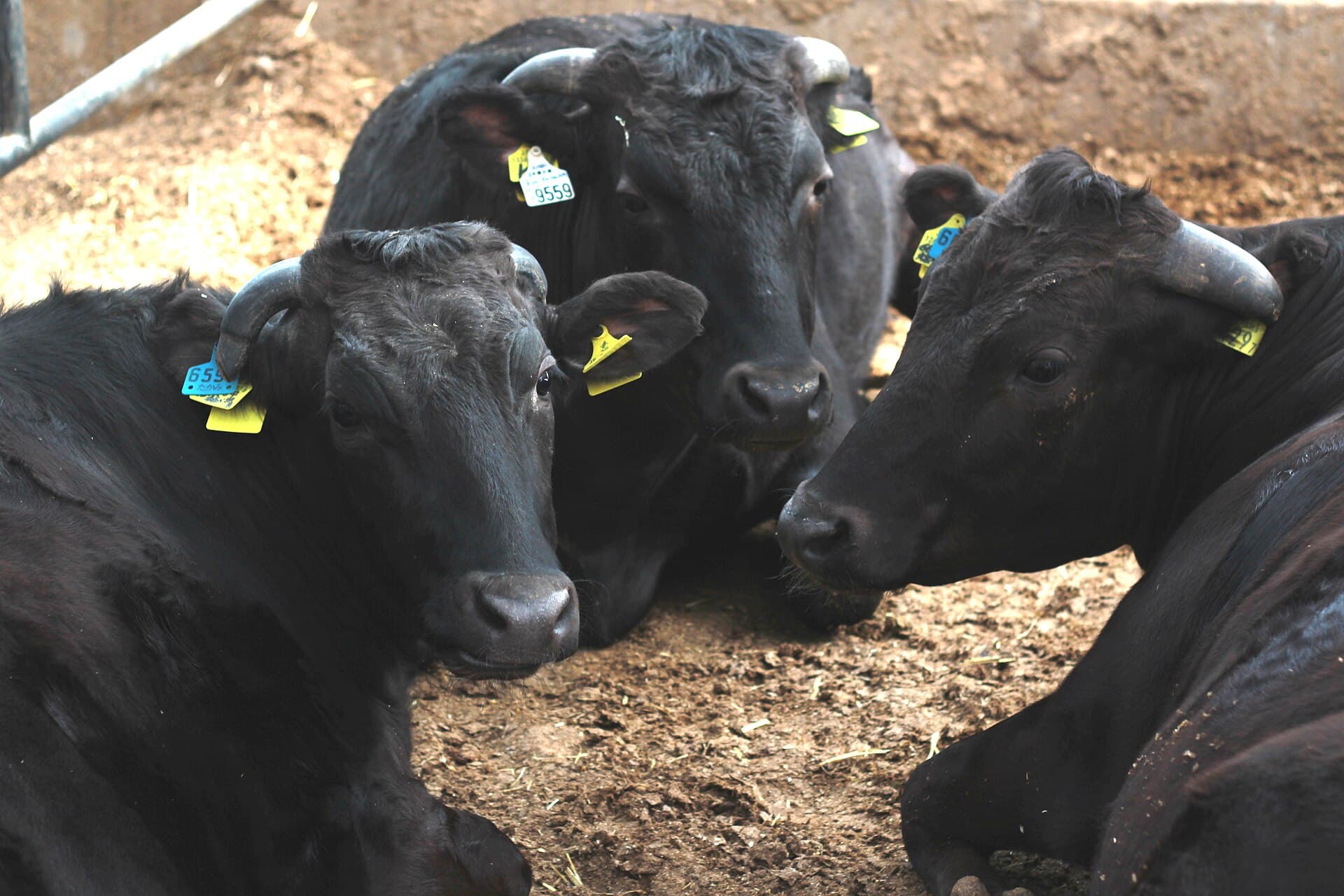
Kobe beef's exceptional qualities result from a combination of genetics, feeding, and careful handling. Only Tajima cattle born and raised in Hyogo Prefecture qualify for Kobe beef designation. These cattle are fed a special diet that includes rice straw, barley, and wheat bran, contributing to the meat's unique flavor profile. The cattle are massaged and given beer to stimulate appetite during summer months, though these practices are sometimes exaggerated in popular accounts.
The result is beef with incredible marbling—intricate patterns of fat distributed throughout the muscle. This intramuscular fat melts at lower temperatures than regular beef, creating a buttery texture and rich flavor. The meat grades highest on Japan's beef quality scale, with only about 3,000 head of cattle qualifying annually. This scarcity contributes to Kobe beef's premium pricing and exclusive status.
Identifying Authentic Kobe Beef
Authentic Kobe beef carries a 10-digit identification number that traces the meat to the specific animal. Restaurants serving genuine Kobe beef will display this certification and often provide documentation. The meat features a distinctive cherry-red color with fine, white marbling throughout. The fat should be creamy white, not yellow, indicating proper diet and handling.
Be wary of restaurants claiming "Kobe-style" or "Kobe-type" beef—these are marketing terms, not the real thing. Many restaurants outside Japan serve generic wagyu labeled as Kobe. In Japan, authentic Kobe beef is primarily available in Kobe and high-end restaurants nationwide. If the price seems too good to be true, it's probably not genuine Kobe beef.
Best Ways to Enjoy Kobe Beef
Kobe beef can be prepared in various ways, each highlighting different qualities of the meat. Teppanyaki (iron plate grilling) allows diners to watch skilled chefs cook the beef to order, often with theatrical flair. The high heat sears the exterior while the interior remains tender and juicy. Sukiyaki features thin slices simmered in a sweet-savory broth at the table, allowing diners to cook the meat themselves.
Shabu-shabu involves briefly swishing thin beef slices in hot broth, then dipping in sauces. This preparation emphasizes the meat's natural flavor and texture. Steak preparations showcase Kobe beef's ability to remain tender even when cooked to medium. Even hamburgers made from Kobe beef offer exceptional flavor and juiciness. Each preparation method provides a different experience of this premium ingredient.
Where to Eat Kobe Beef
Kobe city offers the most concentrated selection of authentic Kobe beef restaurants. The Sannomiya and Motomachi areas feature numerous establishments ranging from casual to ultra-luxury. Some restaurants specialize in specific preparations, while others offer multiple options. Reservations are essential, especially at well-known establishments and during peak dining times.
Beyond Kobe, high-end restaurants in Tokyo, Osaka, and other major cities serve authentic Kobe beef. Department store restaurants and hotel dining rooms often feature Kobe beef on their menus. For the most authentic experience, visit Kobe itself where you can combine beef tasting with sightseeing in this attractive port city.
Kobe Beef vs. Other Wagyu
Kobe beef is just one of several famous Japanese wagyu varieties. Matsuzaka beef from Mie Prefecture, Omi beef from Shiga, and Hida beef from Gifu all have excellent reputations. Each regional variety has distinct characteristics based on local conditions and feeding practices. Some connoisseurs prefer other varieties over Kobe, finding them equally delicious or better suited to particular tastes.
When exploring Japanese beef, don't limit yourself to Kobe. Trying different regional varieties provides insight into Japan's diverse food culture. Many restaurants offer tasting flights comparing different wagyu types. This broader approach helps you develop your own preferences and appreciation for Japan's exceptional beef traditions beyond the most famous name.
Stay Connected in Japan
Yesim eSIMs work on arrival — no physical SIM needed. Japan data plans from $5.