
Osaka Walking Tour with Audioguide on Your Smartphone
The audio guide serves as a handy mobile companion for a self-guided tour in Osaka. This tour is specifically designed for a quick exploration of the city, taking approximately 2-3 hours. Simply follow the route on the app's map, which takes you from the Abeno Harukas skyscraper to the Dōtonbori sho
What To Expect
Stop 1
Pass byThe Abeno Harukas is Japan’s tallest skyscraper and a modern landmark in the city. Rising above the Tennoji district, it combines offices, a luxury hotel, department stores, and the famous Harukas 300 observation deck. From the top, visitors enjoy breathtaking views over Osaka, especially at sunset. It’s the perfect place to see how the city blends tradition and cutting-edge urban life.
Stop 2
⏱ 10 minThe Keitakuen Garden is a peaceful traditional Japanese garden in the Tennoji area, created in the early 20th century. Designed in a classic strolling style, it features a central pond, elegant bridges, and seasonal landscapes that change throughout the year. Surrounded by modern city views, it offers a quiet escape where visitors can experience harmony, nature, and refined Japanese aesthetics in the heart of Osaka.
Stop 3
⏱ 10 minThe Wake Bridge, or Wakibashi, is a graceful stone bridge located in Keitakuen Garden. Its elegant curve and traditional design perfectly reflect classic Japanese landscape aesthetics. Crossing the bridge offers beautiful views of the pond, trees, and seasonal flowers, creating a calm and picturesque moment. It’s a favorite spot for photography, especially during cherry blossom season, when the garden becomes even more enchanting.
Stop 4
⏱ 10 minThe Shitennoji Temple Niomon Gate is the impressive Middle Gate of one of Japan’s oldest Buddhist temples. Guarded by powerful statues of the Niō, or temple protectors, it marks the entrance to the sacred complex. As you pass through, notice the strong wooden structure and traditional details, which reflect centuries of devotion and craftsmanship. This gate symbolizes protection, guiding visitors from the everyday world into a peaceful spiritual space.
Stop 5
Pass byThe Shitennō-ji is one of Japan’s oldest Buddhist temples, founded in the 6th century by Prince Shōtoku. Dedicated to the Four Heavenly Kings, protectors of the Buddhist world, the complex features a classic layout with a pagoda, main hall, and tranquil gardens. Although rebuilt several times, it preserves its ancient spirit. Visiting Shitennō-ji offers a deep connection to Japan’s early history and the roots of Buddhism in the country.
Stop 6
⏱ 10 minThe Five-story Pagoda at Shitennō-ji (四天王寺五重塔) is a striking symbol of one of Japan’s oldest temples. Built in traditional wooden style, its five levels represent the elements of earth, water, fire, wind, and sky. Visitors can enter the pagoda to explore sacred displays and learn about Buddhist cosmology.
Stop 7
⏱ 10 minThe Turtle Pond (Kame-ike) is a serene pond located within traditional Japanese gardens, often found near temples or historic sites like Shitennō-ji. Named for the turtles that inhabit it, the pond reflects the surrounding trees and bridges, creating a peaceful atmosphere. Visitors enjoy walking along its banks, feeding the turtles, and photographing the seasonal scenery, making it a calm escape amid Osaka’s bustling city life.
Stop 8
⏱ 10 minThe Shitennō-ji Ishinotorii is a historic stone torii gate marking the entrance to Shitennō-ji temple grounds. Unlike typical wooden torii, this ancient stone gate symbolizes the boundary between the sacred and the everyday world. Its weathered surface and simple design reflect centuries of Japanese craftsmanship and spiritual tradition, offering visitors a tangible connection to Osaka’s early Buddhist heritage.
Stop 9
⏱ 10 minThe Isshinji Temple Niomon Gate is the impressive middle gate of Isshinji Temple, guarded by fierce Niō statues that protect the sacred grounds. This traditional wooden structure marks the transition from the secular world into the temple’s spiritual space. Visitors can admire the intricate carvings and architectural details, which reflect Japan’s Buddhist craftsmanship and provide a sense of reverence as you enter this historic temple in Osaka.
Stop 10
⏱ 10 minThe Tomb of Honda Tadatomo is located within the grounds of Shitennō-ji Temple, honoring the samurai and historical figure Honda Tadatomo. The tomb features a traditional stone monument and carefully maintained surroundings, reflecting respect for his legacy. Visitors often pause to observe the craftsmanship and serene setting, which highlights Japan’s cultural tradition of honoring notable figures through elegant memorials in temple complexes.
Stop 11
⏱ 10 minThe Nokotsudo – Ossuary (Bone Buddhas) at Shitennō-ji Temple is a rare and fascinating site where Buddhist memorial practices are on display. Inside this ossuary, thousands of bone relics are carefully arranged in the form of Buddhas and other symbolic shapes. Visitors can respectfully observe this unique tradition, which reflects Japan’s approach to honoring the deceased, the impermanence of life, and the spiritual significance of Buddhist rituals.
Stop 12
⏱ 10 minThe Shinsekai District is a vibrant, retro neighborhood known for its nostalgic Showa-era atmosphere. Built in the early 20th century, it features the iconic Tsutenkaku Tower, neon-lit streets, and countless local eateries serving kushikatsu and other Osaka specialties. Visitors can explore lively markets, quirky shops, and arcade halls, soaking up the district’s unique blend of old-fashioned charm and urban energy that makes Shinsekai a must-see spot in Osaka.
Stop 13
⏱ 10 minKushikatsu Daruma – Shinsekai Main Shop is a legendary eatery in Osaka’s Shinsekai district, famous for its crispy, deep-fried skewers called kushikatsu. Established decades ago, it serves a variety of meats, seafood, and vegetables coated in a light batter and fried to perfection. Visitors love the lively atmosphere, friendly staff, and the iconic “no double-dipping” rule, making it a must-visit spot for an authentic taste of Osaka street food culture.
Stop 14
⏱ 10 minThe Billiken Shrine is a quirky and beloved attraction in the Shinsekai district. Dedicated to Billiken, the “God of Happiness,” visitors rub the statue’s feet to make wishes come true. The shrine reflects Osaka’s playful spirit and blends Western pop culture with local tradition. It’s a fun, photogenic stop while exploring the area, embodying the city’s unique mix of charm, humor, and devotion.
Stop 15
Pass byThe Tsutenkaku Tower is the iconic symbol of Osaka’s Shinsekai district. Built in the early 20th century, it offers panoramic views of the city from its observation decks. The tower is famous for its neon lights, nostalgic atmosphere, and the nearby eateries and shops that capture Osaka’s retro charm. A visit to Tsutenkaku combines sightseeing, local culture, and a taste of the city’s lively, energetic spirit.
Stop 16
⏱ 10 minThe Den-Den Town is Osaka’s bustling electronics and pop culture district, often compared to Tokyo’s Akihabara. Located in the Nipponbashi area, it’s filled with shops selling gadgets, anime merchandise, video games, and collectibles. Cosplay cafes, retro arcades, and specialty stores make it a paradise for tech enthusiasts and fans of Japanese pop culture. Wandering its streets gives a lively glimpse into Osaka’s modern, playful side.
Stop 17
⏱ 10 minGakiranger in Nipponbashi, Osaka is a small figure and collectible shop in the city’s famous otaku and hobby district often called Den‑Den Town. It specialises in anime, manga and pop‑culture figurines and related items, making it a fun stop for collectors and fans exploring the vibrant streets of Nipponbashi. The area itself is known for electronics, anime, toys, games and themed shops — a great place to hunt for unique finds.
Stop 18
⏱ 10 minThe Kuromon Market is a lively food market in central Osaka, nicknamed “Osaka’s kitchen.” Stretching over 600 meters, it offers fresh seafood, produce, street snacks, and local specialties like takoyaki and grilled seafood. Visitors can stroll the colorful stalls, sample seasonal delicacies, and experience the city’s vibrant culinary culture firsthand, making it a must-visit for food lovers exploring Osaka.
Stop 19
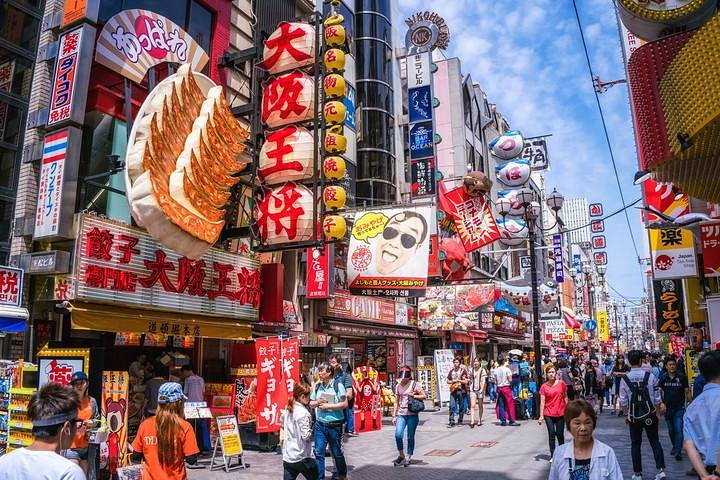
⏱ 5 minThe Dōtonbori District is Osaka’s most famous entertainment and nightlife area, known for its neon lights, animated billboards, and bustling streets along the Dōtonbori Canal. Iconic landmarks like the Glico Running Man and giant crab signs attract visitors from around the world. The district is packed with restaurants, bars, and street food stalls, making it the perfect place to experience Osaka’s lively, playful, and flavorful urban culture.
Stop 20
⏱ 5 minThe Issunbōshi Shrine (Issunbōshi Daimyōjin) is a small but charming shrine in Osaka dedicated to the legendary tiny hero Issunbōshi from Japanese folklore. Visitors come to pray for courage, cleverness, and protection, especially children and travelers. The shrine features colorful statues and illustrations of Issunbōshi, making it a whimsical stop that celebrates local myths and the playful side of Osaka’s spiritual heritage.
Stop 21
⏱ 5 minThe Hozen-ji Temple is a small, atmospheric Buddhist temple tucked in Osaka’s bustling Namba district. Famous for its moss-covered Fudo-myo statue, visitors pour water over it as an offering, creating a serene ritual amid the city’s energy. Surrounded by narrow streets lined with restaurants and lanterns, Hozen-ji offers a quiet, reflective pause and a glimpse into traditional spiritual practices in the heart of modern Osaka.
Stop 22
Pass byThe Kamigata Ukiyo-e Museum showcases Osaka’s unique style of ukiyo-e, traditional woodblock prints from the Edo period. Unlike Edo’s Tokyo prints, Kamigata ukiyo-e often depicted kabuki actors and local culture. Visitors can admire historic prints, learn about printing techniques, and see the artistry that captured everyday life and theater in Osaka centuries ago. It’s a small but fascinating stop for art and history enthusiasts.
Stop 23
⏱ 5 minThe Kuidaore Taro is a famous mechanical clown and Osaka icon located in the Dōtonbori district. Dressed in red and white, Kuidaore Taro has long symbolized Osaka’s playful food culture and “eat until you drop” spirit. Though originally part of a restaurant display, it remains a beloved photo spot for visitors, embodying the city’s humor, energy, and love for culinary indulgence.
Stop 24
⏱ 5 minThe Osaka Shochikuza Theatre is a historic venue in central Osaka dedicated to traditional Japanese performing arts, especially kabuki. Built in a classic style, it hosts lively performances with elaborate costumes, dramatic storytelling, and skilled acting. Visitors can experience Japan’s rich theatrical heritage here, enjoying both short matinee shows and full-length productions, making it a cultural highlight in Osaka’s entertainment scene.
Stop 25
⏱ 5 minThe Glico Running Man is an iconic neon billboard in the Dōtonbori district, symbolizing Osaka’s lively spirit. Installed in 1935, it depicts a runner crossing a finish line and has become a famous photo spot for tourists. Surrounded by the canal, restaurants, and other flashy signs, it perfectly captures the energy, playfulness, and colorful nightlife that make Dōtonbori one of Osaka’s must-visit districts.
What to Bring
- •Public transportation options are available nearby
- •Suitable for all physical fitness levels
- •The audio guide is available through a special mobile app for iOS and Android
- •Entry tickets to the Abeno Harukas Observation Deck and Shitennō-ji Temple are not included. Please buy them separately in advance
- •The tour does not cover all Osaka sights
- •This is a self-guided tour. You will need to download the audio guide mobile app, activate your purchase, and follow the route on the app's map. There is no human guide provided
- •The audio guide is available anytime, date and time provided for checkout are approximate
Compare Similar Experiences
 Osaka Walking Tour with Audioguide on Your Smartphone (this) |  Hiroshima and Miyajima Island UNESCO World Heritage Private Tour |  Snack bars hopping tour_ Drink Like a Local in Osaka! | Snack bars hopping tour_ Drink Like a Local in Osaka! | |
|---|---|---|---|---|
| Rating | — | — | — | — |
| Duration | — | 12 hours | 2h 30m | 2h 30m |
| Group size | — | — | — | — |
| Price (from) | US$11.41 | US$1,000 | US$155.12 | US$154.91 |
| Cancellation | Non-refundable | Non-refundable | Non-refundable | Non-refundable |
Customers Who Bought This Tour Also Bought

Nara : Private Day Walking Tour (From Osaka/Kyoto Possible)

Osaka Street Food Tour: Private & Personalized with a Local Guide
Osaka Customized Private Tour by Car with Licensed Guide

Osaka Private Cherry Blossom Tour with a Local – Picnic Included

A Tour to Explore the Symbol of Osaka: Osaka Castle

Osaka Alive Hidden Markets & Iconic Sights Tailored Guided Tour

Osaka 4-Hour Walking Tour: Hotspots and Hidden Gems

Osaka Private Walking Tour with a Local
More Experiences in Osaka
Hiroshima and Miyajima Island UNESCO World Heritage Private Tour
Experience the powerful history of Hiroshima Peace Memorial Park and the Iconic Atomic Bomb Dome. Explore beautiful Miyajima Island and the famous Itsukushima Shrine. A perfect mix of history, culture, and nature. Please book your Hiroshima day tour now for an unforgettable journey.
From US$1,000
Snack bars hopping tour_ Drink Like a Local in Osaka!
If you’re interested in meeting locals to share a drink when you travel, join our snack bar tour, and an expert guide will introduce you to a carefully selected venue where you can drink. A snack is a small and uniquely Japanese kind of bar where locals go to drink, and enjoy the company of each o
From US$155.12
Snack bars hopping tour_ Drink Like a Local in Osaka!
If you’re interested in meeting locals to share a drink when you travel, join our snack bar tour, and an expert guide will introduce you to a carefully selected venue where you can drink. A snack is a small and uniquely Japanese kind of bar where locals go to drink, and enjoy the company of each o
From US$154.91

Day Trip Kobe From Tokyo Sake Brewery Kobe Beef By Bullet Train
Kobe, a vibrant city in Japan known for its blend of cultural heritage, stunning natural scenery, and delicious cuisine, offers a wealth of experiences. Customizing your tour allows you to focus on what interests you most, whether it's history, nature, food, or shopping. A customized tour of Kobe a
From US$1,400
From
US$11.41