
Japanese money and tipping: cash, cards and etiquette
Japan still uses cash widely and has no tipping culture. Learn about yen denominations, payment methods, IC cards and polite money habits.
Affiliate link — we may earn a commission at no extra cost to you. Affiliate disclosure
Japan's money culture differs from many Western countries, particularly regarding tipping and cash usage. Understanding these differences helps you avoid awkward moments and shows respect for local customs. While Japan is becoming more card-friendly, cash still matters in many situations, and the absence of a tipping culture can surprise visitors used to gratuity-based service.
Japanese Currency and Denominations
The Bank of Japan lists the banknotes and coins currently issued (Bank of Japan):
- Banknotes: ¥1,000, ¥2,000, ¥5,000 and ¥10,000
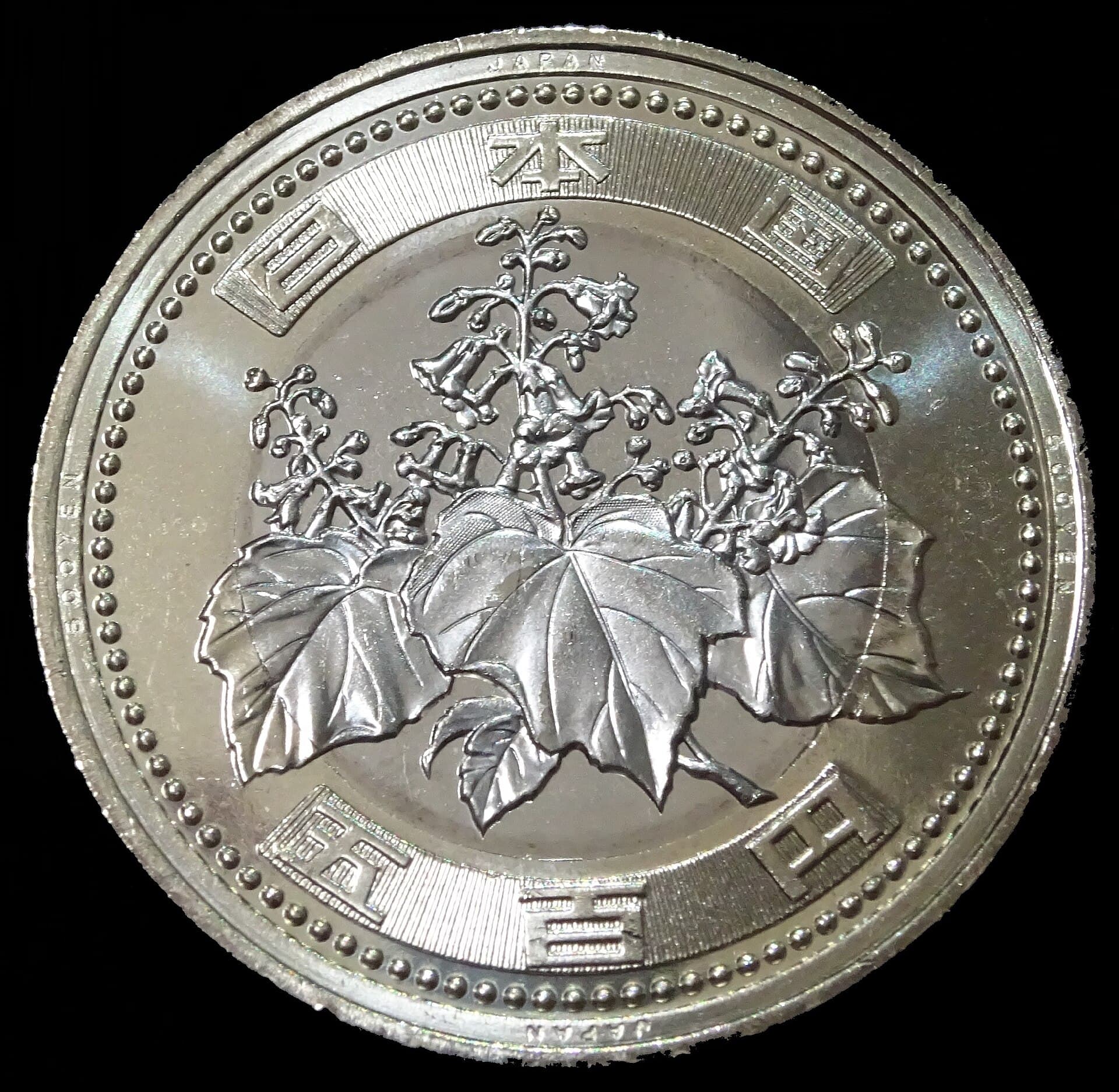
- Coins: ¥1, ¥5, ¥10, ¥50, ¥100 and ¥500
The current ¥10,000, ¥5,000 and ¥1,000 banknotes were first issued on 3 July 2024, featuring Shibusawa Eiichi, Tsuda Umeko and Kitasato Shibasaburo respectively. The ¥2,000 note was first issued on 19 July 2000. Earlier series remain in circulation, including the 2004-series ¥10,000 note with Fukuzawa Yukichi, the ¥5,000 note with Higuchi Ichiyo and the ¥1,000 note with Noguchi Hideyo. On the coin side, the ¥500 bicolor clad coin was first issued in 2021, the ¥100 and ¥50 cupro-nickel coins in 1967, the ¥10 and ¥5 coins in 1959, and the ¥1 aluminium coin in 1955 (Bank of Japan).
With six coin denominations in everyday use, a coin purse or small wallet makes life easier.
For cash, Seven Bank operates more than 28,000 ATMs at 7-Eleven stores across Japan where you can withdraw yen with foreign-issued cards, day or night (Seven Bank). Japan Post Bank ATMs accept cards bearing Visa, PLUS, Mastercard, Maestro, Cirrus, JCB, China Unionpay and Discover; the single-transaction withdrawal limit is ¥50,000, and an ATM usage fee of ¥220 (tax included) per use may apply to certain cards issued abroad (Japan Post Bank). You can also exchange foreign currency at airports and most major banks (JNTO).
No Tipping Culture
Tipping is not practised in Japan, and it can cause discomfort or confusion if you try. A service charge is generally added to the final bill in restaurants (JNTO).
JNTO's guidance is that tipping is not common for services in bars, cafes, restaurants, taxis and hotels. There is, however, a Japanese custom of giving a gratuity called kokorozuke, "from the heart", in some situations. If you have engaged a private guide or interpreter who is accustomed to overseas practices, they may accept a tip as a gesture of gratitude. Tipping is not expected, and if you do offer one it should be done discreetly — it is customary to put it in an envelope. Small cash envelopes are sold at convenience stores, stationery stores and 100 yen stores (JNTO).
Payment Methods and Acceptance
Cash is still required in many places in Japan, particularly in rural, remote or off-the-beaten-track areas — even some hotels. Check with your accommodation and other facilities before you travel, and carry some cash (JNTO).
- Credit cards: Visa, JCB and Mastercard are the most widely accepted, usually at major hotels, department stores, large-scale shopping centres and restaurants in urban areas.
- Contactless payments: RFID-based contactless payment is available at most major convenience stores and many other establishments, though it is still developing.
- Smartphone payments: Overseas apps such as ApplePay, GooglePay and AliPay sometimes cannot be used in Japan. The most commonly accepted are PayPay, LinePay, Rpay (Rakuten Pay) and MerPay. Some systems are not compatible with non-Japanese phone models.
- IC travel cards: Suica and Pasmo work on trains, buses and at stores nationwide displaying the interoperability logo. A deposit is usually required — most are set at ¥500 and refunded when you return the card, though some tourist cards are issued without one. Ticket vending machines take cash only, and top-ups at multi-function ticket vending machines also require cash.
Money-Saving Tips
- Convenience stores: ready-made rice balls, sandwiches and bento are inexpensive and good quality (JNTO).
- Lunch specials: many restaurants offer lunch-time deals, so eating your main meal at lunch can save money (JNTO).
- Free and cheap sights: many temples, shrines and parks are free, and where a fee applies it is generally a couple of hundred yen. In Tokyo, the Grutt Pass gives discounted admission to many attractions and museums.
- Regional passes: if you plan extensive travel, the JR Rail Pass may pay off, but for local trips regional passes can offer better value. Overnight buses are another cost-saving option and save a night's accommodation; main hubs include the Shinjuku Expressway Bus Terminal and Yokohama City Air Terminal.
- 100 yen stores: handy for small cash envelopes and other travel odds and ends.
When you hand over or receive cash in Japan, using both hands is a polite gesture. Keep larger notes separate from coins so you can pay quickly, and count your change discreetly. While tipping is not customary, a few words of thanks are always appreciated. Understanding how money works in Japan helps you move through transactions smoothly and shows respect for local customs that may differ significantly from your home country.
Ready to explore Japan?
Browse tours and activities, or tell us what you're looking for and we'll suggest the best options.
Stay Connected in Japan
Airalo eSIMs work on arrival — no physical SIM needed. Data plans from $5 for 7 days.
Travel Insurance for Japan
Medical, trip cancellation, and adventure sports covered. Plans from $1.5/day.