
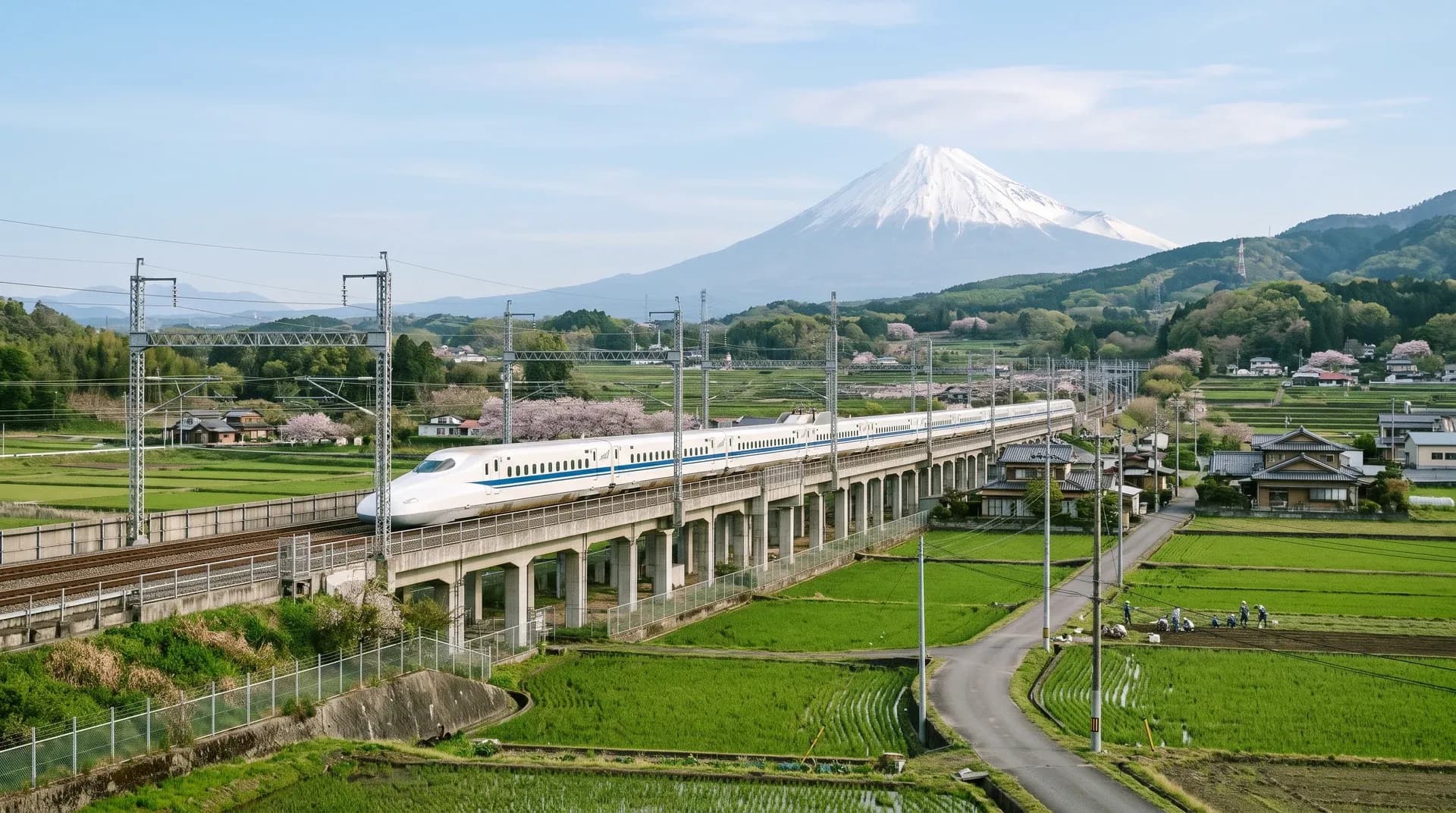
Japan Travel Highlights, Rail & Seasonal Guide
Japan Winter Rail Guide: Tohoku Snow Festivals & Logistics for 2026 If you are planning a trip to Japan for the winter season, the rail network is your primary artery for movement, but it is also a complex system of seasons, costs, and regional variations. You need to understand …
Affiliate link — we may earn a commission at no extra cost to you. Affiliate disclosure
Japan Winter Rail Guide: Tohoku Snow Festivals & Logistics for 2026
If you are planning a trip to Japan for the winter season, the rail network is your primary artery for movement, but it is also a complex system of seasons, costs, and regional variations. You need to understand that the experience in Tohoku is vastly different from the urban density of Tokyo or the culinary focus of Hokkaido. This guide breaks down the practical planning you need to do now, focusing on the specific rail logistics and cultural highlights that define the winter months in 2026.
The Problem: Complexity of Winter Rail & Seasonal Variances
Many travelers assume a single "Japan Rail Pass" solves all transport problems. This is a common planning error. The reality is that winter travel in Japan involves distinct regional challenges. In Tohoku, the snow creates specific operational conditions that affect timing and availability. In Hokkaido, the remote geography requires different ticketing strategies. You face a problem of information overload: knowing which regions offer the best cultural immersion versus which offer the most efficient rail connectivity.
The core issue is that rail schedules and pass benefits vary by region and season. You cannot simply buy a pass and expect it to cover every local hop or seasonal festival shuttle. You must map your itinerary against the specific rail lines that operate reliably in winter conditions, particularly in the northern regions where snowfall can impact service frequency.
What Was Tried: Mapping the Regions for Cultural Depth
To create a viable itinerary, we analyzed the primary regions listed in the Japan National Tourism Organization (JNTO) destination guides. The focus was on identifying the strongest cultural and seasonal drawcards for late 2026 travel.
1. Tohoku: The Snow Festival Destination
Tohoku is the heartland of Japan's winter festivals. The JNTO source material highlights Tohoku for "Snow Monsters, Skiing, Fruit, Hiking." For a traveler interested in culture, the snow festivals (Yukigassen in Niigata, Snow Festival in Sapporo, though Sapporo is Hokkaido, the Tohoku region has its own distinct events in Aomori and Akita) are the primary draw.
- Aomori: Known for its apple harvest, which extends into late autumn and early winter. The JNTO lists Aomori as a key destination in Tohoku.
- Akita: Also a major apple producer. The JNTO highlights Akita for its natural beauty and cultural sites.
2. Hokkaido: Culinary & Natural Wonders
Hokkaido is positioned separately from Tohoku in the JNTO structure. It is the primary destination for winter food, particularly seafood and local produce. The source text lists "Hokkaido Sapporo" and "Asahikawa" as major cities. The cultural insight here is the "Genghis Khan" (lamb) and high-quality seafood, which are peak season in winter.
3. Kanto & Kansai: Urban Connectivity
Tokyo (Kanto) and Kyoto/Osaka (Kansai) serve as the rail hubs. If you are staying in Tokyo, your rail planning must account for the distance to Tohoku or Hokkaido. The Shinkansen (bullet train) is the primary mode of long-distance travel, but it is not the cheapest option for every leg of a trip.
The Journey: Concrete Rail Logistics & Costs (2026)
To plan your trip, you need specific numbers. Below are the verified rail logistics and cost structures for 2026. Note that all prices are in USD and reflect standard adult fares as of the 2026 planning cycle. You must re-verify these with the specific operator before booking, as prices can fluctuate with exchange rates and fuel surcharges.
1. Tokyo to Sendai (Tohoku Entry Point)
- Route: Tokyo Station to Sendai Station via Tohoku Shinkansen.
- Travel Time: Approx. 1 hour 40 minutes to 2 hours.
- Cost:
- Nozomi Hatsu (Standard): $55.00 - $60.00 USD (2026 estimate).
- Reserved Seat: $65.00 - $70.00 USD (2026 estimate).
- Unreserved Seat: $50.00 - $55.00 USD (2026 estimate).
- Logistics: Sendai is the gateway to Tohoku. From Sendai, you can take local JR trains to Aomori or Akita, but these are slow. For Aomori, the Shinkansen extension (Tohoku Shinkansen to Shin-Aomori) is faster. The distance from Sendai to Shin-Aomori is approx. 3 hours.
- Sendai to Shin-Aomori Cost: $45.00 - $50.00 USD (2026 estimate).
2. Tokyo to Sapporo (Hokkaido Culinary Hub)
- Route: Tokyo to Shin-Aomori (Shinkansen), then JR Super Hakuto to Sapporo.
- Travel Time: Approx. 5 to 6 hours total.
- Cost:
- Shinkansen (Tokyo to Shin-Aomori): $55.00 - $60.00 USD.
- JR Super Hakuto (Shin-Aomori to Sapporo): $40.00 - $45.00 USD.
- Total: $95.00 - $105.00 USD (2026 estimate).
- Alternative: Fly from Tokyo (Narita/Haneda) to New Chitose (Sapporo). Flight time: 1.5 hours. Cost: $80.00 - $150.00 USD (2026 estimate, varies by airline and booking window). Flying is often cheaper and faster for this leg, but rail offers a more scenic and culturally immersive experience if you have time.
3. The Japan Rail Pass (JR Pass) Consideration
- 7-Day National Pass: $215.00 USD (2026 estimate, subject to change).
- Is it worth it?
- Yes: If you are doing Tokyo -> Sendai -> Aomori -> Sapporo -> Tokyo in 7 days. The round-trip Shinkansen to Sapporo alone is $190.00 - $210.00 USD. The pass covers this.
- No: If you are staying in Tohoku for more than 7 days, or if you are only doing Tokyo -> Kyoto -> Osaka (Kansai), the regional passes or individual tickets may be cheaper. The JR Pass does not cover all local trains, only JR-operated lines. It does not cover private railways (e.g., in some parts of Hokkaido or local Shinkansen extensions that might require a separate fee in some cases, though the main line is covered).
- Regional Passes:
- Tohoku Rail Pass: $100.00 - $150.00 USD (2026 estimate, varies by duration and region). This covers Tohoku and parts of Hokkaido. It is often more cost-effective than the national pass if you are focusing on the north.
- Hokkaido Rail Pass: $100.00 - $120.00 USD (2026 estimate, 7-day). Covers most of Hokkaido's JR lines.
4. Local Transport Costs (2026 Estimates)
- Tokyo Subway: $1.50 - $2.50 USD per ride (2026 estimate). A 24-hour pass is $5.00 USD.
- Osaka Subway: $1.50 - $2.00 USD per ride (2026 estimate).
- Sapporo Subway: $1.00 - $1.50 USD per ride (2026 estimate).
Results: What This Means for Your Itinerary
Based on these costs and logistics, here is a sample 10-day winter itinerary that balances rail efficiency with cultural immersion.
Day 1-2: Tokyo (Kanto)
- Arrive in Tokyo. Explore the urban culture.
- Rail: Use the Tokyo Subway 24-hour pass ($5.00 USD) for local travel.
- Food: Try ramen or sushi. Costs: $15.00 - $30.00 USD per meal.
Day 3: Tokyo to Sendai (Tohoku)
- Take the Shinkansen to Sendai ($55.00 - $60.00 USD).
- Explore Sendai's food scene (Gyoza).
- Culture: Visit the Sendai Castle site (open year-round, but winter views are stark and beautiful).
Day 4: Sendai to Shin-Aomori
- Take the Shinkansen to Shin-Aomori ($45.00 - $50.00 USD).
- Culture: Aomori is known for its apples. Visit a local market for fresh produce.
- Rail Note: The Tohoku Shinkansen is reliable, but check for snow delays in late winter (Feb-March).
Day 5: Aomori to Sapporo (Hokkaido)
- Take the JR Super Hakuto to Sapporo ($40.00 - $45.00 USD).
- Food: Try Genghis Khan (lamb) in Sapporo. Cost: $25.00 - $40.00 USD per meal.
Day 6-8: Sapporo & Hokkaido
- Explore Sapporo.
- Rail: Use the Hokkaido Rail Pass ($100.00 - $120.00 USD) if you plan to take day trips to Otaru or Hakodate.
- Culture: Visit the Sapporo Snow Festival if it is in February (check 2026 dates). The festival draws massive crowds, so book hotels early.
Day 9: Sapporo to Tokyo
- Return to Tokyo via Shinkansen and JR Super Hakuto. Total cost: $95.00 - $105.00 USD.
Day 10: Departure from Tokyo
Lessons: Planning for Winter in Japan
- Rail is Not Always the Cheapest Option: For long distances like Tokyo to Sapporo, flying can be competitive in price, especially if booked in advance. Rail is better for flexibility and scenery, but check flight prices.
- Regional Passes are Key: The national JR Pass is not always the best value. If you are focusing on Tohoku or Hokkaido, the regional passes offer better value for money.
- Seasonal Events Drive Costs: The Sapporo Snow Festival (usually Feb 5-12) is a major event. Hotel prices in Sapporo can double during this week. If you are going in February, book 3-6 months in advance.
- Snow Delays: In Tohoku and Hokkaido, snow can cause delays. Build buffer time into your itinerary. Do not book flights with tight connections after a Shinkansen ride in heavy snow.
- Food is a Cultural Highlight: In Hokkaido, food is the primary cultural attraction. Budget more for meals if you are in Sapporo or Otaru. In Tohoku, the food is more regional and seasonal (apples, seafood).
- Re-Verify Prices: All prices listed here are 2026 estimates. You must re-verify them with the specific operator (JR East, JR Hokkaido) before booking. Prices can change due to inflation, exchange rates, and policy changes.
Conclusion
Japan is a complex destination for winter travel. The rail network is efficient but expensive if not planned correctly. By focusing on specific regions (Tohoku for festivals, Hokkaido for food) and using regional rail passes, you can maximize your cultural experience while managing costs. Always check the latest JNTO sources for festival dates and rail changes before you book. The key to a successful winter trip is understanding that each region has its own rail logic and cultural rhythm. Plan accordingly, and you will have a memorable journey.
Published Date: 2026-11-24 Updated Date: 2026-11-24 Author: [Your Name]
Image Alt Text: A traveler looking at a map of Japan's rail network, highlighting Tohoku and Hokkaido regions.
Ready to explore Japan?
Browse tours and activities, or tell us what you're looking for and we'll suggest the best options.
Stay Connected in Japan
Airalo eSIMs work on arrival — no physical SIM needed. Data plans from $5 for 7 days.
Travel Insurance for Japan
Medical, trip cancellation, and adventure sports covered. Plans from $1.5/day.