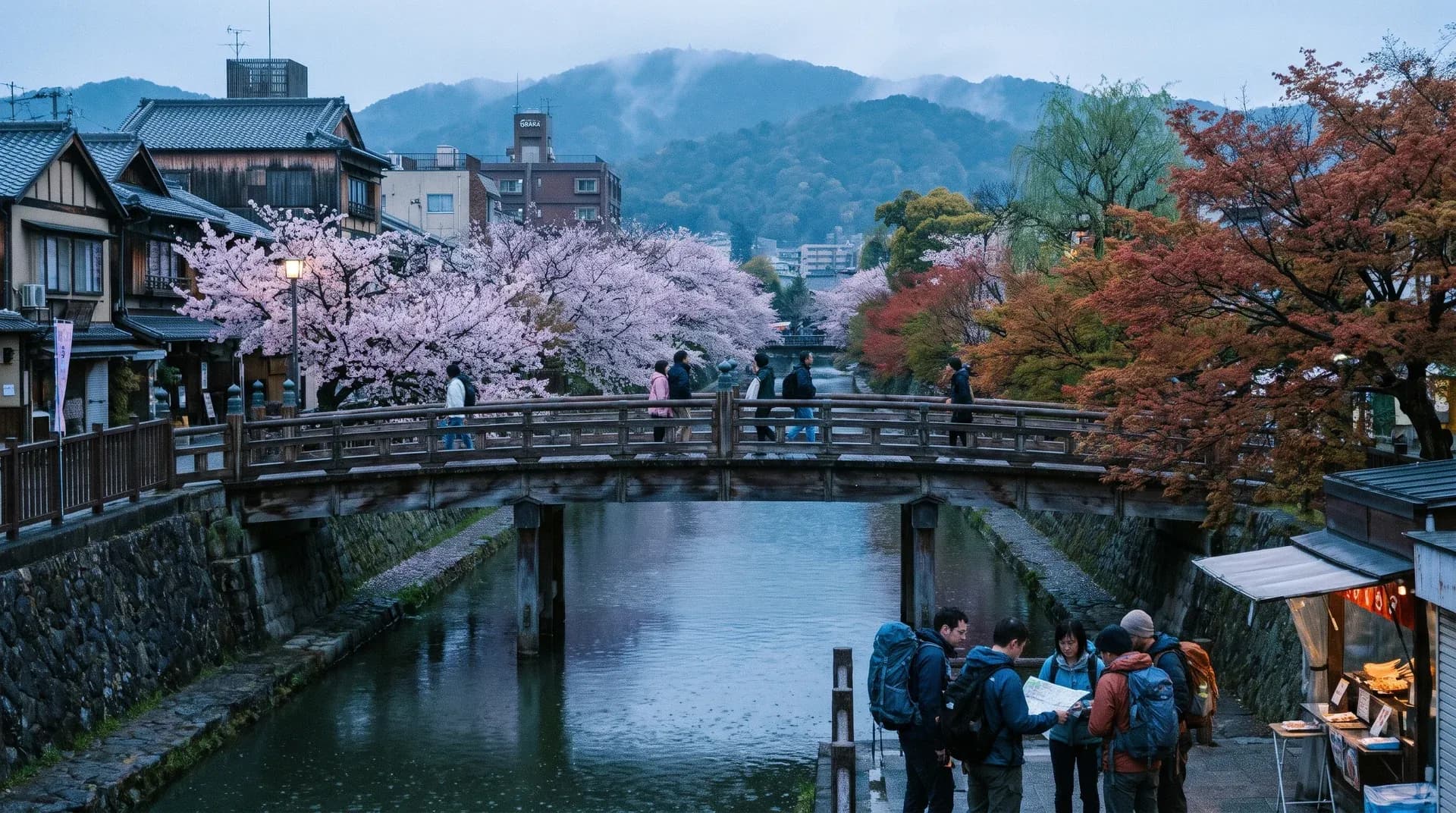
Osaka Food & Culture: 3-Day Kansai Itinerary with Budget
This 3-day Osaka itinerary covers Dotonbori street food, Osaka Castle, and Universal Studios Japan for ¥8,500 / ~$55 USD per day. Visit Kuromon Market for takoyaki and use ICOCA card for seamless transit. Plan for spring cherry blossom season or autumn for best weather.
Affiliate link — we may earn a commission at no extra cost to you. Affiliate disclosure
The first thing you'll notice in Dotonbori isn't the neon glow of the Glico sign or the mechanical crane of the Kani Doraku crab—it's the smell. A humid, savory punch of grilled takoyaki mingles with the sharp vinegar tang of okonomiyaki batter, while the air carries the faintest hint of miso from nearby stalls. This is Osaka's heartbeat, and if you're visiting Japan's kitchen for just three days, starting here lets you taste why locals swear by this city's food scene above Tokyo's precision or Kyoto's refinement. This itinerary is for independent travelers who want authentic Kansai experiences without spending a fortune—think ¥8,500 / ~$55 USD daily budgets, efficient rail passes, and timing that avoids both Golden Week chaos and January's bone-chilling cold. The primary keyword here is Osaka food culture itinerary, and by the end of this guide, you'll know exactly how to navigate from Osaka Station to Universal Studios with your Suica or ICOCA card in hand, when to hit Kuromon Market for the freshest seafood, and why you should book Osaka Castle's special exhibition tour in advance rather than waiting in the regular line.
Essential Highlights & Local Itinerary
Day 1: Osaka Station to Dotonbori Street Food
Start your morning at Osaka Station (Umeda), where the 2016 renovation exposed massive steel beams and concrete surfaces that give the station its industrial aesthetic. Purchase an ICOCA card from the JR West ticket office—¥500 deposit plus ¥1,000 initial balance gets you started. From the station's Central Exit, walk 10 minutes to Hanazono Rooftop Garden for coffee at % Arabica, then head west toward Namba via the Midosuji Line (15 minutes, ¥230 / ~$1.50 USD).
By 11:30 AM, reach Kuromon Ichiba Market (also known as Japan's Kitchen). This 600-meter stretch of covered stalls runs from Namba Parks to the Namba Walk building. Budget ¥1,500 / ~$10 USD for a seafood donburi at Endo Sushi, where the chef prepares nigiri tableside. Continue north to the Takoyaki Museum at 2-4-15 Nakazakicho—free entry, ¥300 / ~$2 USD per takoyaki ball from the best stall, Kukuru.
Lunch at 12:30 PM at Dotonbori's Street Kimchi Korean BBQ in the Denden Town shopping arcade—¥1,800 / ~$12 USD for a samgyeopsal set that includes kimchi, rice, and side dishes. Walk to Dotonbori Bridge by 2:00 PM to photograph the famous Glico sign, then explore the backstreets toward the Ebisu area where craft beer bars like Minoh Brewing Company serve locally brewed beer for ¥700 / ~$4.50 USD per pint.
Dinner at 6:00 PM at Matsuzushi Honten in the Shinsekai district—¥2,500 / ~$16 USD for a kaiseki-style omakase that changes daily based on market availability. Take the JR Sakurajima Line from Namba to Shinsekai Station (8 minutes, ¥160 / ~$1 USD) and walk 5 minutes to the restaurant.
Day 2: Osaka Castle to Umeda Sky Building
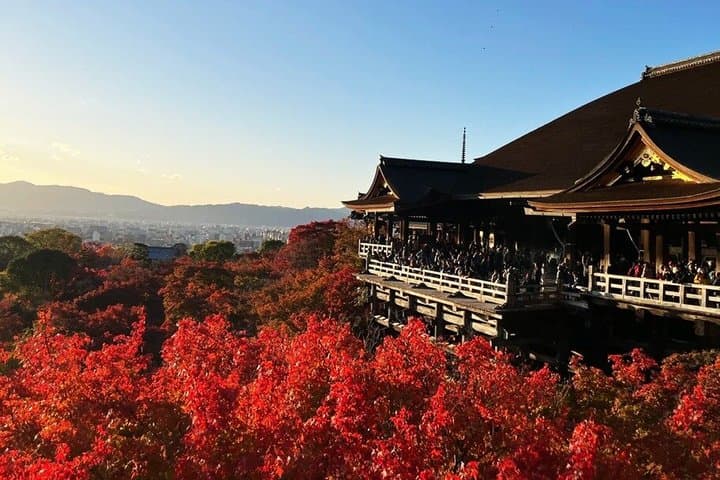
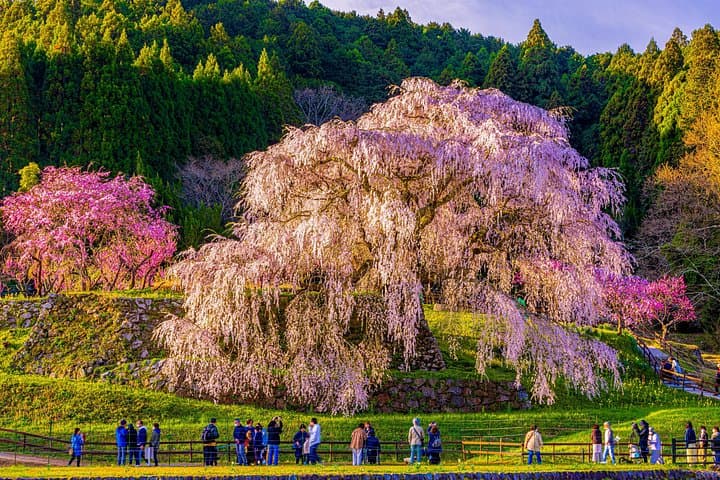
Begin at 9:00 AM at Osaka Castle Park, entering through the Nishi Gate. The castle itself charges ¥600 / ~$4 USD for the main tower and ¥400 / ~$2.50 USD for the surrounding museum exhibits. Plan 2.5 hours for the visit, including the moat walk and cherry blossom viewing in spring (March-April) or autumn color appreciation (November).
From the castle, take the Osaka Metro Chuo Line to Higobashi Station (15 minutes, ¥230 / ~$1.50 USD), then transfer to the Nagahori Town Line to Namba. Walk 8 minutes to the National Museum of Art, Osaka, which charges ¥1,200 / ~$8 USD for adults and offers free admission on the second Sunday of each month.
Lunch at 12:30 PM at Kani Doraku's Namba branch—¥3,500 / ~$23 USD for their signature kanikama (crab) tempura set, which includes crab meat, tempura, rice, and miso soup. The restaurant occupies three floors of the HEP Five shopping complex.
Afternoon exploration takes you to Umeda's Sky Lounge Stellar Garden at the Umeda Sky Building. Ride the escalator through 39 floors of mixed-use development to reach the observatory deck—¥1,500 / ~$10 USD for panoramic views stretching to Kyoto on clear days. Visit between 2:00-4:00 PM when crowds thin and lighting is optimal for photography.
Dinner at 7:00 PM at Ichiran Ramen in the Grand Front Osaka building—¥1,200 / ~$8 USD for their signature tonkotsu ramen, served in individual private booths that ensure consistent flavor extraction from the broth.
Day 3: Universal Studios Japan to Amerikamura
Wake at 7:30 AM and take the JR Yumesaki Line from Osaka Station to Universal City Station (25 minutes, ¥290 / ~$2 USD). Purchase a one-day USJ pass at the gate—¥9,400 / ~$61 USD for adults, which includes entry to all rides and shows. The Wizarding World of Harry Potter area alone justifies this cost, with the detailed recreations of Hogsmeade village and Hogwarts castle.
Eat lunch at 12:00 PM in the Three Broomsticks within the Wizarding World—¥2,200 / ~$14 USD for a fish and chips platter with butterbeer soft serve. Exit the park at 5:30 PM and take the station's free shuttle bus back to Osaka Station.
Evening exploration brings you to Amerikamura (America Village) in the Shinsaibashi district. This youth culture hub houses vintage clothing stores, street art galleries, and the iconic Yellow Tower observation deck—¥800 / ~$5 USD for the climb. Dinner at 8:00 PM at Ganso Nagahori Yakitori Alley, where ¥1,500 / ~$10 USD buys you five skewers of different meats plus a small beer from the standing bar.
Practical Details & Dual-Currency Budget
Best Season & Weather
Spring (March-May) delivers cherry blossom season from late March in Osaka plain to early April in higher elevations. Hotel rates increase 30-40% during this period, with business hotels reaching ¥12,000 / ~$78 USD per night. Summer (June-August) brings intense heat and humidity, with temperatures regularly exceeding 35°C / 95°F. The rainy season runs late May to mid-June, making outdoor activities challenging.
Autumn (September-November) offers ideal conditions with comfortable temperatures between 15-22°C / 59-72°F. Typhoon season peaks in September and October—check weather forecasts before outdoor excursions. Winter (December-February) sees temperatures drop to 2-10°C / 36-50°F, with occasional snowfall that creates picturesque scenes around Osaka Castle.
Budget Breakdown
Budget travelers should expect ¥6,500-8,000 / ~$42-52 USD daily, covering:
- Accommodation: ¥4,000-6,000 / ~$26-39 USD (capsule hotels like First Cabin, business hotels like Toyoko Inn)
- Food: ¥2,500-3,500 / ~$16-23 USD (convenience store breakfasts, lunch sets, izakaya dinners)
- Transport: ¥800-1,200 / ~$5-8 USD (ICOCA card top-ups, subway rides)
Mid-range travelers budget ¥10,000-15,000 / ~$65-98 USD daily:
- Accommodation: ¥7,000-10,000 / ~$45-65 USD (hotel chains like APA, Daiwa Roynet)
- Food: ¥4,000-6,000 / ~$26-39 USD (restaurant lunches, quality izakaya, specialty items)
- Transport: ¥1,500-2,000 / ~$10-13 USD (day passes, occasional taxi rides)
Transit & Access
The ICOCA card (JR West) and Suica card (JR East) are not interchangeable for regional discounts, but both work on most subways and buses. Purchase ICOCA at Kansai International Airport's Terminal B for ¥500 deposit plus initial balance. The Osaka Metro 1-day pass costs ¥800 / ~$5 USD and covers all subway lines, while the Kansai Thru Pass (2-day) at ¥4,300 / ~$28 USD offers broader regional access including Nara and Kyoto day trips.
Airport connections include the Nankai Airport Express from Kansai Airport to Namba in 45 minutes for ¥920 / ~$6 USD, or the Haruka limited express to Osaka Station in 50 minutes for ¥2,850 / ~$18 USD. Both require separate ICOCA top-ups since they're not covered by the standard pass.
Where to Eat & Local Food Secrets
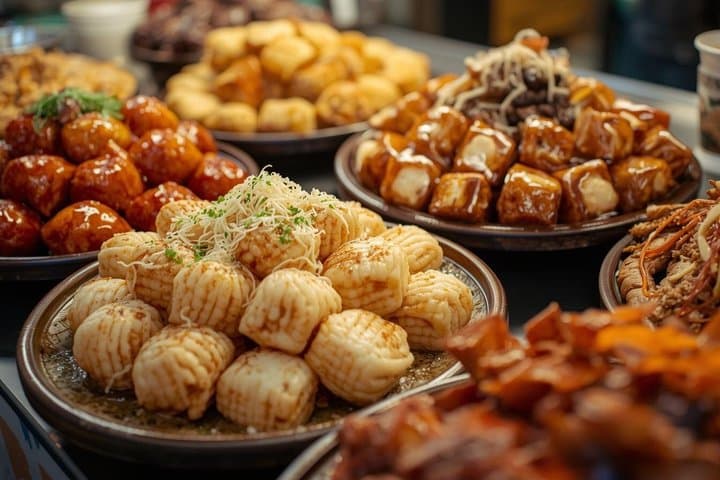
Osaka's food identity centers on two dishes: takoyaki and okonomiyaki. Takoyaki consists of octopus chunks in a béchamel-like batter, cooked in specialized rectangular molds and topped with seaweed, bonito flakes, and mayonnaise. For authentic preparation, visit Kukuru in the Takoyaki Museum or Gindaco in the Amerikamura district—both serve fresh batches every 10 minutes.
Okonomiyaki varies regionally: Osaka style layers ingredients on top of the batter like a savory pancake, while Hiroshima style includes noodles between layers. Try both at Chibo in the Shinsaibashi district—¥1,800 / ~$12 USD for the Osaka version, ¥2,200 / ~$14 USD for Hiroshima style.
Kuromon Ichiba Market's seafood counters offer the best value for fresh sashimi. Endo Sushi's counter seats fill by 10:30 AM, so arrive early for ¥1,500 / ~$10 USD omakase selections. The market also sells prepared items like tamagoyaki (sweet omelette) for ¥500 / ~$3 USD to take away.
Street food beyond the big two includes kushikatsu (deep-fried skewers) in Shinsekai's Daruma restaurant—¥1,200 / ~$8 USD for a set of five pieces with dipping sauce. The restaurant's rules prohibit double-dipping, enforced by stern looks from regulars.
For coffee culture, visit Café de L'Ambre in the Umeda district—a 1948-established kissaten that roasts its own beans and serves pour-over coffee for ¥550 / ~$3.50 USD. The interior retains Showa-era wood paneling and counter seating that creates an intimate atmosphere perfect for people-watching.
Essential Traveler Checklist
- Pack lightweight layers and a compact umbrella—Osaka's climate shifts rapidly between humid summer days and crisp winter evenings. Bring a reusable water bottle; tap water is safe to drink everywhere in Japan.
- Download the Japan Travel app by JNTO before arrival for real-time transit updates and emergency information. Purchase a pocket Wi-Fi device at Kansai Airport for ¥500 / ~$3 USD per day, or activate an eSIM through Airalo for ¥300 / ~$2 USD daily data plans.
- Carry cash for street food, temple donations, and small restaurants that don't accept cards. ATMs at 7-Eleven convenience stores accept international cards and dispense ¥1,000 notes with a ¥110 service fee per transaction.
- Dress modestly when visiting temples or shrines—shoulders exposed, shorts above the knee, and hats removed before entering buildings. At Buddhist temples, cleanse your hands and mouth at the temizu basin before proceeding through the torii gate.
- Learn basic Japanese phrases: 'Sumimasen' (excuse me/sorry), 'Onegaishimasu' (please), and 'Arigatou gozaimasu' (thank you). Locals appreciate even minimal effort, and these phrases open doors to better service and pricing in restaurants.
Frequently Asked Questions
How much does Universal Studios Japan cost per person?
A one-day adult ticket costs ¥9,400 / ~$61 USD when purchased at the gate. Buying online in advance reduces this to ¥8,400 / ~$55 USD, but the difference doesn't justify the risk of sold-out days. The park operates 9 AM to 6 PM daily except Tuesdays, and entry typically requires 45-60 minutes of queuing during peak seasons.
Is Osaka worth visiting compared to Tokyo?
Osaka offers superior value for food-focused travelers, with street prices 20-30% lower than Tokyo's comparable districts. The city's compact layout allows walking between attractions that would require multiple train transfers in Tokyo. However, Tokyo provides more diverse experiences beyond food, including technology museums, teamLab Borderless, and larger shopping complexes.
Can I use a Japan Rail Pass in Osaka?
The nationwide JR Pass covers JR lines within Osaka but excludes most subway networks. For comprehensive coverage, purchase the Kansai Thru Pass alongside your JR Pass. The Osaka Metro 1-day pass at ¥800 / ~$5 USD is more economical if you're staying within the city limits for a single day.
What's the best day to visit Kuromon Market?
Arrive between 8-10 AM on weekdays for the freshest seafood selections and fewer crowds. Weekends bring domestic tourists who deplete popular items by mid-morning. Tuesday mornings are particularly good, as many stalls restock after weekend demand.
Do I need reservations for Osaka restaurants?
Major tourist restaurants like Chibo okonomiyaki require reservations for dinner service, especially Friday through Sunday. Street food vendors and lunchtime counters operate on a first-come, first-served basis. For high-end kaiseki experiences, book 2-3 weeks in advance through the hotel concierge or directly via phone with English support.
Three days in Osaka lets you experience the city's culinary identity while building efficient transit habits that serve you throughout Kansai. The ICOCA card becomes second nature by day two, and you'll know which convenience store sells the best onigiri for ¥120 / ~$0.80 USD. This Osaka food culture itinerary balances iconic attractions with local secrets, ensuring you leave with more than just photographs—you'll carry the memory of takoyaki still warm in your hand as you cross Dotonbori Bridge one last time.
Related reading
- [Tokyo Autumn Festivals Itinerary: Halloween, Food, Godzilla ](/blog/tokyo-autumn-festivals-itinerary)
- [Tokyo November Travel Guide: Weather, Costs & Festival Logis](/blog/tokyo-november-travel-guide-weather-costs-festivals)
- [Tokyo Food Immersion Itinerary: Hidden Eats in One Day](/blog/tokyo-food-immersion-itinerary)
- [Tokyo Christmas Food Guide 2026: Stollen, Afternoon Tea & Ho](/blog/tokyo-christmas-food-guide-2026)
- [Tokyo Winter Travel Guide: Costs, Food & Itinerary](/blog/tokyo-winter-travel-guide)
Sources
Ready to explore Japan?
Browse tours and activities, or tell us what you're looking for and we'll suggest the best options.
Stay Connected in Japan
Airalo eSIMs work on arrival — no physical SIM needed. Data plans from $5 for 7 days.
Travel Insurance for Japan
Medical, trip cancellation, and adventure sports covered. Plans from $1.5/day.