
8 photos — swipe or tap to expand
Private Tokyo Sumo Tour a Walk the Birthplace Then Watch It Live
Everyone knows the green-roofed Kokugikan, where sumo is broadcast to the world. Almost nobody knows where the sport came from. This tour takes you backward from that arena to where it was truly born. In 1657, the worst fire in Edo's history killed over a hundred thousand people, leaving many with no family to bury them. A temple, Ekōin, was built to pray for every forgotten soul, funded through charity sumo held in its yard — the graveyard remained sumo's beating heart for two and a half centu
Operated and fulfilled by partner operators via Viator.
From
¥20,900
Booking opens on our partner's site, which handles payment, confirmation and support. We may earn a commission at no extra cost to you. Affiliate disclosure
Overview
- ✓Everyone knows the green-roofed Kokugikan, where sumo is broadcast to the world.
- ✓Almost nobody knows where the sport came from.
- ✓This tour takes you backward from that arena to where it was truly born.
- ✓In 1657, the worst fire in Edo's history killed over a hundred thousand people, leaving many with no family to bury them.
- ✓A temple, Ekōin, was built to pray for every forgotten soul, funded through charity sumo held in its yard — the graveyard remained sumo's beating heart for two and a half centuries.
Everyone knows the green-roofed Kokugikan, where sumo is broadcast to the world. Almost nobody knows where the sport came from. This tour takes you backward from that arena to where it was truly born. In 1657, the worst fire in Edo's history killed over a hundred thousand people, leaving many with no family to bury them. A temple, Ekōin, was built to pray for every forgotten soul, funded through charity sumo held in its yard — the graveyard remained sumo's beating heart for two and a half centuries. On this private Tokyo sumo tour, your Local Expert walks you through the story in about an hour: the modern arena, a full-size ring, the temple where it began, and a circle marking Japan's first sumo stadium. Then comes the payoff: SUMO LAND Tokyo, where former top-division wrestlers perform live nearby. Eat a genuine chanko hotpot, pound mochi, step into the ring yourself, and take a photo with the wrestlers before you leave.
Everyone knows the green-roofed Kokugikan, where sumo is broadcast to the world. Almost nobody knows where the sport came from. This tour takes you backward from that arena to where it was truly born. In 1657, the worst fire in Edo's history killed over a hundred thousand people, leaving many with no family to bury them. A temple, Ekōin, was built to pray for every forgotten soul, funded through charity sumo held in its yard — the graveyard remained sumo's beating heart for two and a half centuries. On this private Tokyo sumo tour, your Local Expert walks you through the story in about an hour: the modern arena, a full-size ring, the temple where it began, and a circle marking Japan's first sumo stadium. Then comes the payoff: SUMO LAND Tokyo, where former top-division wrestlers perform live nearby. Eat a genuine chanko hotpot, pound mochi, step into the ring yourself, and take a photo with the wrestlers before you leave.
Travel Insurance for Japan
SafetyWing covers medical expenses, trip cancellation, and adventure activities. Plans from $1.5/day.
Stay Connected in Japan
Airalo eSIMs activate on arrival, no SIM swap needed. Data plans from $5.
Questions about this tour?
Have a question, want different dates, or need a private group? Send us an enquiry and we'll reply by email within 24 hours.
Prefer to book instantly? Use the Book This Experience button above — it opens our partner's checkout directly.
What’s Included
- ✓Pre-experience planning conversation via the TOMOGO! app
- ✓An authentic chanko hotpot meal (genuine stable recipe)
- ✓A reserved seat at the SUMO LAND Tokyo Signature live show
- ✓Personalized recommendations before, during, and after your experience
- ✓Mochi pounding, the in-ring wrestler challenge, a photo session, and a souvenir set
- ✓Your Local Expert throughout the 60-minute guided walk
What’s NOT Included
- ✗Transportation to the meeting point and any hotel pickup or drop-off
- ✗Additional food and drinks beyond the included chanko meal
- ✗Personal purchases or souvenirs beyond the included set
- ✗Gratuities
What to Bring
- •Public transportation options are available nearby
- •Infants are required to sit on an adult’s lap
- •Suitable for all physical fitness levels
Meeting and Pickup
🚐Meet at start point
📍 Meeting point / start
Outside Ryōgoku Edo NOREN, at the West Exit ticket gate of JR Ryōgoku Station (JR Chūō-Sōbu Line).
🏁 End point
Outside Ryōgoku Edo NOREN, at the West Exit ticket gate of JR Ryōgoku Station (JR Chūō-Sōbu Line).
Good to know
- Guide languages
- English
- Book at least
- 2 day(s) before
- Children
- Must travel with an adult
- Ages
- Infant 0–2 · Child 3–12 · Adult 13–91
- Cancellation
- For a full refund, cancel at least 24 hours before the scheduled departure time.
Itinerary
25 min
We start big, at the icon everyone pictures when they think of sumo, then spend the next hour walking backward through time. Under that famous green copper roof, eleven thousand people watch Grand Sumo three times a year. Your Local Expert presents the sport in miniature here: two wrestlers, a clay circle four and a half meters across, and one rule that decides everything: step out or touch down, and you lose. Everything else you will see later, the salt, the stamping, the staring, is ritual built around those few seconds. On weekdays outside tournament season, a small, free museum of champions' aprons and old ranking sheets sits just inside the doors.
20 min
Inside the original 1900s station building is a full-size ring, built to the Sumo Association's specifications, that you can stand right beside without a ticket. This is where the sport stops being abstract. Your guide shows you how to read the ring, explains why wrestlers throw salt to purify it, and clarifies what the crouch and the stare-down actually mean. It is the easiest place in Tokyo to photograph a regulation ring up close, ringed by stalls serving the old flavors of low-city Tokyo.
25 min
This is the heart of the walk, the one place that calls for a quieter voice. Ekōin was founded to pray for the hundred thousand dead in the Great Meireki Fire, and in this temple's yard, professional sumo grew out of charity for the forgotten. You will stand at the Chikara-zuka, the "power mound," where new wrestlers still come to pray for strength. If you are lucky, you may see a real rikishi doing exactly that. There is also a famous thief's grave here, chipped away by visitors who carry a flake of the stone for luck before an exam or a bet.
15 min
In a quiet courtyard next door, a colored ring about six meters across is set into the paving, and most people walk straight past it. A local paper once called it "Ryōgoku's mystery circle." It marks the exact spot where Japan's first purpose-built sumo arena stood in 1909, a vast domed hall that let sumo be watched rain or shine for the first time. Stand on it, and your guide closes the loop: the temple yard where sumo was charity, this circle where it became a spectacle, and the green hall where it is now broadcast to the world. You have just walked all three. Now go and feel it live.
1.4 h
A short walk brings you to your seats for the main event. Former top-division wrestlers perform a live show, supervised by the 63rd Yokozuna, right in front of you. You enjoy a chanko hotpot made with an authentic stable recipe, join in mochi pounding, have a chance to step into the ring and take on a wrestler, and end with a photo session with the wrestlers after the show. You leave with a souvenir and, after the afternoon you've had, a real understanding of what Sumo actually is.
Send a Booking Enquiry
Tell us about your preferred dates and group size and we'll confirm availability and answer any questions — usually within 24 hours.
Before you book
This guide unlocks Tokyo's December 2026 calendar of light displays, traditional year-end markets, and cultural events before New Year. Expect ¥8,000-12,000 per day for mid-range stays, with the Tokyo Metro 24-hour pass at ¥1,000.
This guide covers nine Tokyo hiking trails for autumn 2026 with exact transit routes from central stations, entry costs (mostly free), and the new cycling rules affecting trail access. Budget ¥2,000–¥5,000 ($13–$33) per day for transport and snacks.
More Experiences in Tokyo
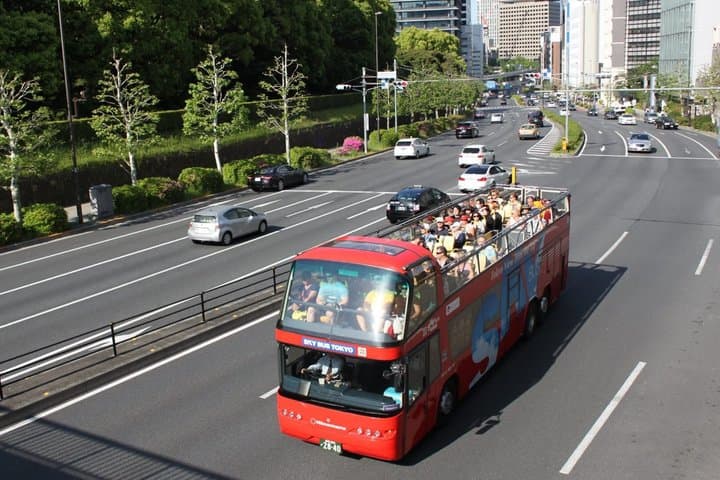
Hop-On Hop-Off Tokyo Bus Pass by Skyhop
Explore Tokyo at your own pace with the Hop-On Hop-Off Bus Pass by Skyhop. This flexible pass allows you to visit iconic landmarks like Tokyo Tower, Sensoji Temple, and Ueno Park while enjoying informative commentary on your personal device. Choose between 1-day or 2-day options and hop on and off at multiple stops around the city, making your sightseeing experience personalized and convenient. With routes designed to streamline your travel across Tokyo's famed destinations, this pass simplifies
From ¥6,521
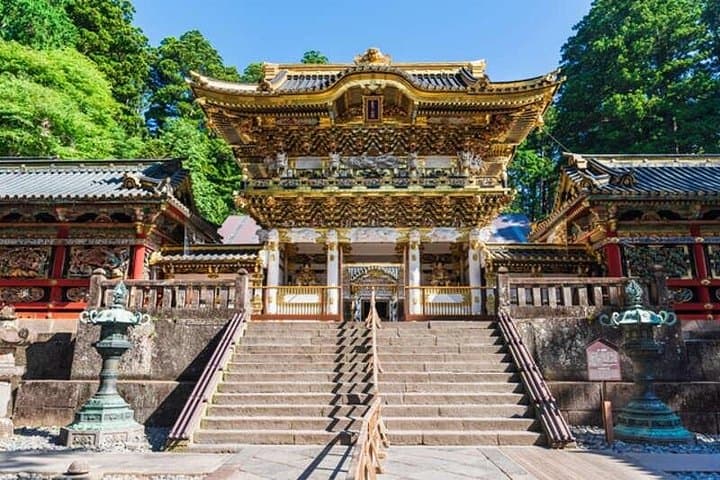
From Tokyo to Nikko: Limited Express Tickets with Souvenir
Discover Nikko at your own pace with our self-guided tour, which includes round-trip train ticket from Shinjuku to Nikko. Here are some recommended ways to make the most of your time: ・Explore Nikko’s World Heritage sites including Nikko Toshogu Shrine, Rinnoji, Futarasan Shrine, and more. (Admission not included) ・Enjoy lunch at your preferred restaurant. (local specialities such as yuba dishes or historic Kanaya Hotel, Meiji-no-Yakata are recommended). ・Includes a sweet souvenir of Nikko do
From ¥9,000
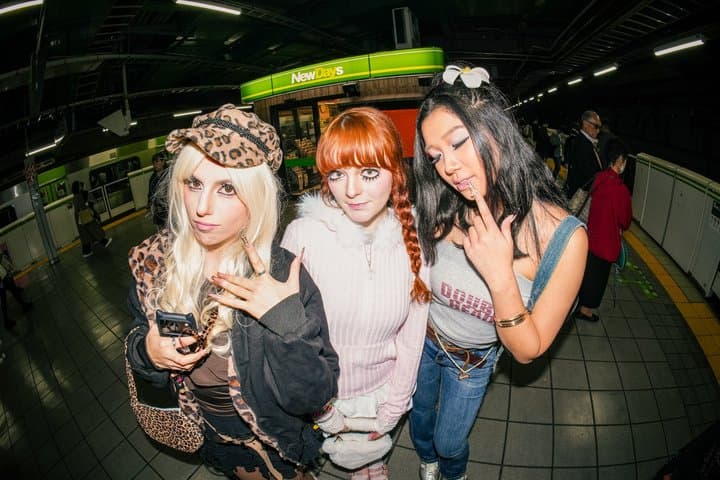
Tokyo Shibuya Learn Japanese Makeup and Style from Gyaru
Curious about Japanese gyaru culture? Spend time with our local, English-speaking gyaru crew and get a closer look at this unique side of Japan. Get personal makeup advice, learn about different gyaru styles, and hear about the culture, its history and even some gyaru slang directly from the people who live it. Browse our collection of makeup, wigs, accessories and outfits, experiment with different looks, and put together a style of your own. Whether you want to try something bold or just see
From ¥15,000
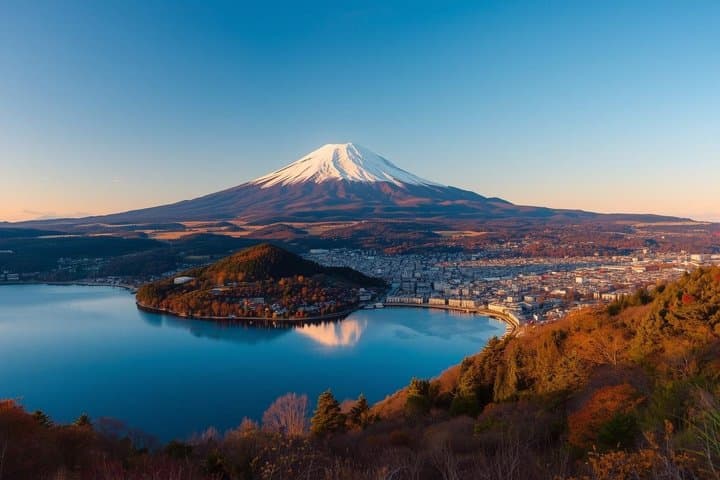
Private Excursion to Mount Fuji and Kawaguchiko from Tokyo
Your journey begins with a scenic drive to Lake Kawaguchi, a prime spot to capture Mount Fuji reflected on the water. Then take the Mount Fuji Panoramic Ropeway for sweeping views of the Fuji Five Lakes region. Visit the charming Kawaguchiko Music Forest Museum, a European-inspired village with antique music boxes, gardens, and performances. Depending on your interests, you may also see Oshino Hakkai, a traditional village with clear spring ponds, or Arakurayama Sengen Park, home to Chureito Pa
From ¥63,651
Booking opens on our partner's site · we may earn a commission at no extra cost to you
From
¥20,900