
Kyoto Hidden Palaces Guide: Avoid Crowds and Find Quiet
By Tour in Japan editors · Updated
This itinerary unlocks Kyoto's former imperial villas, offering a quiet alternative to crowded shrines. Access these sites via Kyoto City Bus for roughly ¥230 per trip. A must-know is that many imperial properties require advance reservations through the Imperial Household Agency website.
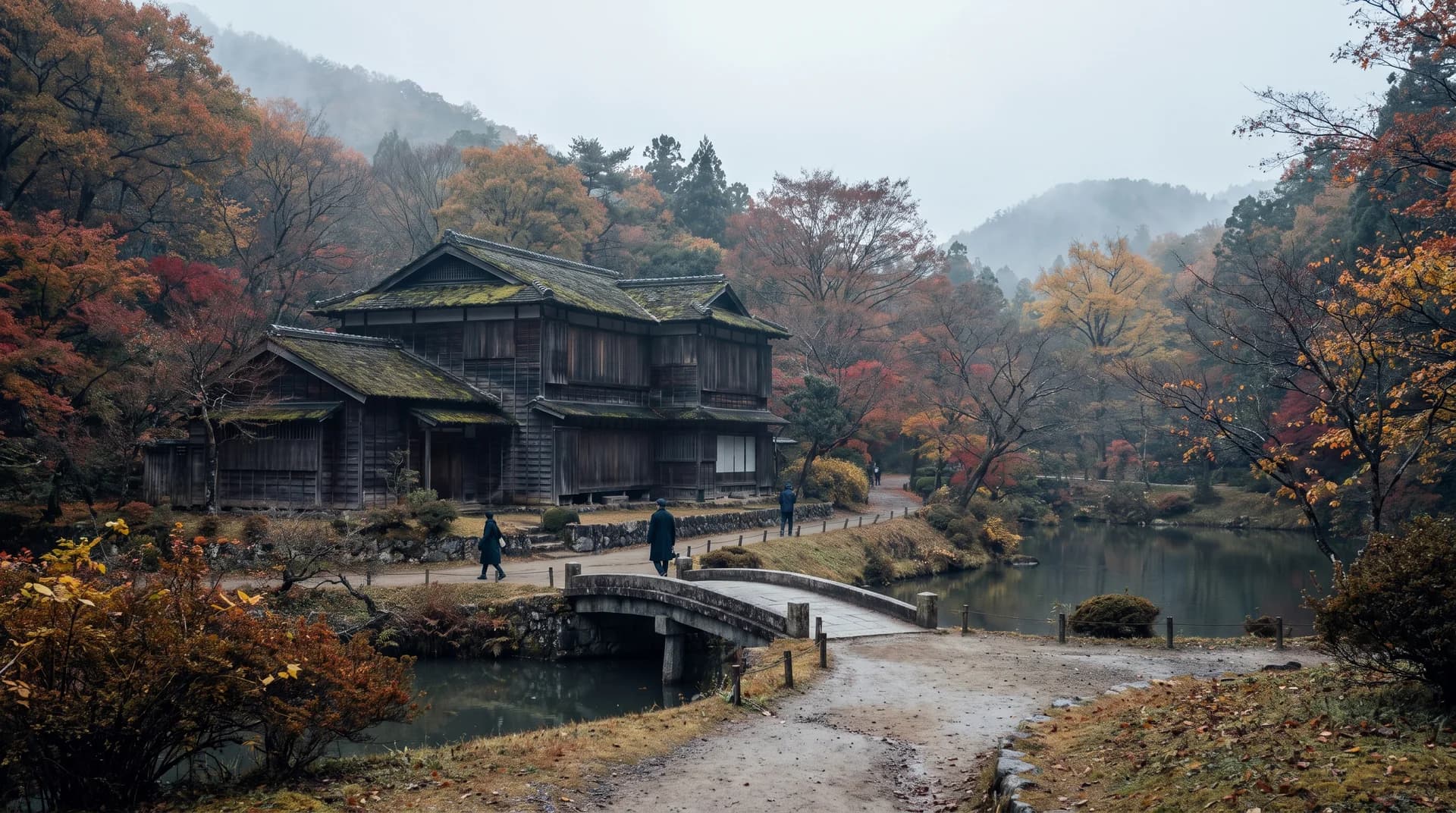
The smell of damp cedar, the sound of meticulously raked gravel, and the absolute silence broken only by the soft crunch of footpaths define the experience of stepping into a former imperial villa. While the crowds at Kinkaku-ji fight for a single photo angle, the secluded gardens of Kyoto's lesser-known palaces offer a quiet so heavy you can hear the wind move through the pine needles. This guide unlocks a slower, more intentional way to see the city by focusing on the Imperial Household Agency's managed properties.
This is for the independent traveler who has already seen the "top ten" lists and now wants to experience the architectural precision of the Heian and Edo periods without the shoulder-to-shoulder congestion. Whether you are a solo hiker looking for a cultural break or a couple seeking quietude, this Kyoto hidden palaces guide provides the concrete logistics to navigate these restricted sites.
Essential Highlights & Local Itinerary
Visiting the imperial villas requires a shift in mindset. Unlike the open-access temples, these sites often operate on a guided-tour basis with strict time slots.
Katsura Imperial Villa (Katsura Rikyū)
Located in the western outskirts of the city, Katsura is widely considered the pinnacle of Japanese garden design. It is not a single building but a series of connected pavilions integrated into a strolling garden.
- How to get there: Take the Hankyu Railway to Katsura Station (¥220 from Kyoto-Kawaramachi). From the station, you can use the dedicated shuttle bus for reservation holders, or walk 20 minutes west along the Katsura River. The walk takes you through quiet residential blocks where you'll see local gardens and small neighborhood shrines.
- Best time to visit: Early morning slots (around 9:00 AM) are best to avoid the midday humidity. Plan for 90 minutes on site to absorb the details of the Shoin-style architecture and the strategically placed moon-viewing platforms.
- Cost: Entry is free, but a prior reservation via the Imperial Household Agency website is mandatory. Bring your passport and the printed reservation confirmation.
Shugakuin Imperial Villa (Shugakuin Rikyū)
This villa is famous for its "borrowed scenery" (shakkei), where the distant mountains are integrated into the garden's visual composition. The scale here is much larger than Katsura, requiring significant walking up unpaved, sloping gravel paths.
- How to get there: Take the Kyoto City Bus (Route 5 or 10) toward the northern hills, getting off at Shugakuin-Michi bus stop (¥230). From there, it is a 15-minute steady uphill walk to the villa's main gate. Wear sturdy shoes; the gravel is loose and can be taxing on the ankles.
- Best time to visit: Late afternoon (around 3:00 PM), when the light hits the upper gardens and illuminates the sprawling reservoir. Spend at least 2 hours here to complete the circuit through the upper, middle, and lower villa grounds.
- Cost: Entry is free with a mandatory reservation.
Sento Imperial Palace (Sento Gosho)
Located near the Kyoto Imperial Palace, Sento is more accessible but remains far quieter than the main palace grounds. It features a stunning pond garden with two islands, a stone-paved beach, and a series of traditional tea houses.
- How to get there: Accessible via the Karasuma Subway Line to Imadegawa Station (¥220). From the exit, it is a 15-minute walk east through the Kyoto Gyoen National Garden, following the wide gravel paths toward the Sento entrance.
- Best time to visit: Mid-morning (10:30 AM). Allocate 60 to 90 minutes for the guided stroll around the vast ponds.
- Cost: Entry is free with a reservation.
If you find yourself with extra time between palace visits, consider a Japan Off‑Peak Travel Guide: Save Money and Skip Crowds approach by visiting these sites during the weekdays of early June or late November. To balance the stillness of the palaces, a trip to the more chaotic but vibrant Nara Park can be a great contrast; check the Nara Park Deer Guide: How to Visit Japan’s Wildest Tourist S for tips on managing the wildlife.
The Play: Step-by-Step
Navigating Japan’s imperial properties requires precision. Follow this detailed sequence to secure your entry and execute your visit without a hitch:
- Mark the Calendar (90 Days Out): Reservations for the Imperial Household Agency open exactly three months prior to the desired date at midnight Japan Standard Time (JST). For high-demand months like April and November, log onto the portal the minute the slots drop.
- Create Your Account: Set up your profile on the Imperial Household Agency's online reservation system ahead of time. You will need your full legal name, passport number, and contact email.
- Select Secondary Dates: Because peak slots vanish within 120 seconds, always have a backup date and time slot ready. Flexibility is your best asset.
- Print and Confirm: Once booked, print the confirmation PDF or save the QR code securely on your phone. You will be denied entry without matching photo identification (your physical passport).
- Arrive 20 Minutes Early: Tour groups assemble outside the security gate before the scheduled departure. Use this time to use the restroom, as there are limited facilities once the tour begins.
- Follow the Guide: A multi-lingual audio guide or an official Japanese-speaking guide with an English-translated tablet will accompany your group. Stay behind the lead guide and ahead of the rear guard; wandering off the designated stone paths is strictly prohibited.
Real-World Example
Take the case of Sarah and Marcus, a couple from Seattle who visited Kyoto in late October. They wanted to see the autumn leaves but dreaded the shoulder-to-shoulder crowds at Kiyomizu-dera.
Three months prior to their trip, they logged onto the Imperial Household Agency website at precisely midnight JST. They secured a 10:00 AM slot for Shugakuin Imperial Villa on a crisp Tuesday morning.
On the day of the visit, they woke up at 7:30 AM, ate a quick breakfast of onigiri and green tea from a local Lawson convenience store, and boarded Kyoto City Bus Route 5 from Kyoto Station. The ride took 35 minutes and cost ¥230 using their IC cards. They arrived at the Shugakuin-Michi bus stop at 8:45 AM, giving them plenty of time for the 15-minute uphill walk to the villa gates.
Upon arrival, they presented their passports and printouts at the guardhouse. They joined a small group of 15 other international travelers. For the next two hours, their guide led them past manicured hedges, overlooking the expansive agricultural fields and distant hills of northern Kyoto.
Because they finished their tour by noon, they walked down to a nearby local udon shop, avoiding the massive tourist queues in the city center. Total out-of-pocket cost for the morning: ¥460 in transport and ¥1,200 for a hearty bowl of duck nanban udon. They experienced world-class Japanese landscape architecture in total tranquility.
Practical Details & Dual-Currency Budget
Best Season & Weather
For these specific garden-heavy sites, the peak seasons are Spring (late March to April) for cherry blossoms and Autumn (November) for maple foliage. However, these are the hardest times to secure reservations. The shoulder seasons of May and October offer mild temperatures (15°C to 22°C / 59°F to 72°F) and a higher chance of getting a tour slot.
Budget Breakdown
Because the imperial villas are free, your primary costs in Kyoto are transport and food.
Budget Traveler (Daily)
- Transport: ¥1,100 / ~$7 USD (using a day pass and subway).
- Food: ¥3,000 / ~$20 USD (convenience store breakfasts and ramen lunches).
- Total: ¥4,100 / ~$27 USD
Mid-Range Traveler (Daily)
- Transport: ¥2,500 / ~$17 USD (including a few short taxi rides to villa gates).
- Food: ¥7,000 / ~$47 USD (sit-down kaiseki lunch or high-end sushi).
- Total: ¥9,500 / ~$64 USD
Transit & Access
Avoid renting a car in Kyoto; the traffic is heavy and parking near imperial sites is nearly non-existent. Use an IC card (Suica or Pasmo) for seamless transfers between the subway and buses. For those arriving from Tokyo, the Shinkansen is the standard. While standard seats are efficient, high-end travelers should note that private cabins are returning to the Tōkaidō Shinkansen lines starting in October 2026 for those seeking maximum privacy.
Where to Eat & Local Food Secrets
Kyoto's food scene is defined by Kyo-ryori (Kyoto cuisine), which emphasizes seasonal vegetables and tofu.
Nishiki Market (Nishiki Ichiba)
Known as "Kyoto's Kitchen," this narrow shopping street is where you find the most authentic street snacks. Look for Tako Tamago (small octopus with a quail egg inside) and fresh Yuba (tofu skin).
- Typical Price: ¥500 to ¥1,200 / ~$3 to $8 USD per snack.
- Tip: Do not walk and eat. It is considered rude in Nishiki Market. Buy your food, stand in front of the stall to eat it, and then move on.
Pontocho Alley
For dinner, head to Pontocho. This narrow alley runs parallel to the Kamo River and is lined with traditional wooden buildings. While some places are tourist traps, the small izakayas (Japanese pubs) tucked into the side streets offer great value.
- Typical Price: ¥3,000 to ¥6,000 / ~$20 to $40 USD for a full meal with drinks.
- Tip: Look for menus posted outside. If there is no menu or price list, it may be a high-end establishment with a strict dress code.
Don Quijote (Donki)
For practical needs or quirky souvenirs, the Don Quijote in Kyoto is a staple. While they sell everything from electronics to skincare, be cautious with their private label "Jonetsu Kakaku" brand. Some customers have reported that their niche grooming tools, such as specific ear cleaners, do not perform as well as high-end Japanese brands, despite the lower price point.
Essential Traveler Checklist
- Reservations: Book your Imperial Household Agency tours at least 3 months in advance via their official portal.
- Connectivity: Use an eSIM (like Ubigi or Airalo) for real-time Google Maps navigation through Kyoto's winding alleys.
- Cash: Carry at least ¥10,000 in cash. While hotels take cards, small shrines and traditional tea houses often only accept yen.
- Dress Code: Wear comfortable walking shoes and modest clothing for palaces. No flip-flops or revealing attire in imperial villas.
- Legal Warning: Be strictly aware that Japan has zero tolerance for illegal substances. Even some common US prescription medications are banned or require a Yunyu Kakunin-sho (import certificate).
For more hidden gems and weekly logistics updates, sign up for our newsletter at /newsletter.
Frequently Asked Questions
How much does it cost to visit the imperial villas?
Entry to the imperial villas managed by the Imperial Household Agency is free of charge. You only need to pay for your own transportation to the site and any optional snacks or drinks nearby.
Is it hard to get reservations for the palaces?
Yes, especially during cherry blossom and autumn foliage seasons. Reservations open on a rolling basis via the official website, and slots for popular sites like Katsura Imperial Villa can vanish within minutes of being released.
Can I visit these palaces without a guide?
No, most of the restricted imperial villas require you to join a scheduled guided tour. You cannot simply walk through the gardens at your own pace, as the guides ensure the preservation of the grounds and provide historical context.
Which transport pass is best for Kyoto?
The Kyoto City Bus & Subway One-Day Pass is generally the best value for independent travelers. It costs roughly ¥1,100 and allows unlimited travel on the city's main transit arteries, which is essential for reaching the outlying villas.
Related reading
Stay Connected in Japan
Yesim eSIMs work on arrival — no physical SIM needed. Japan data plans from $5.