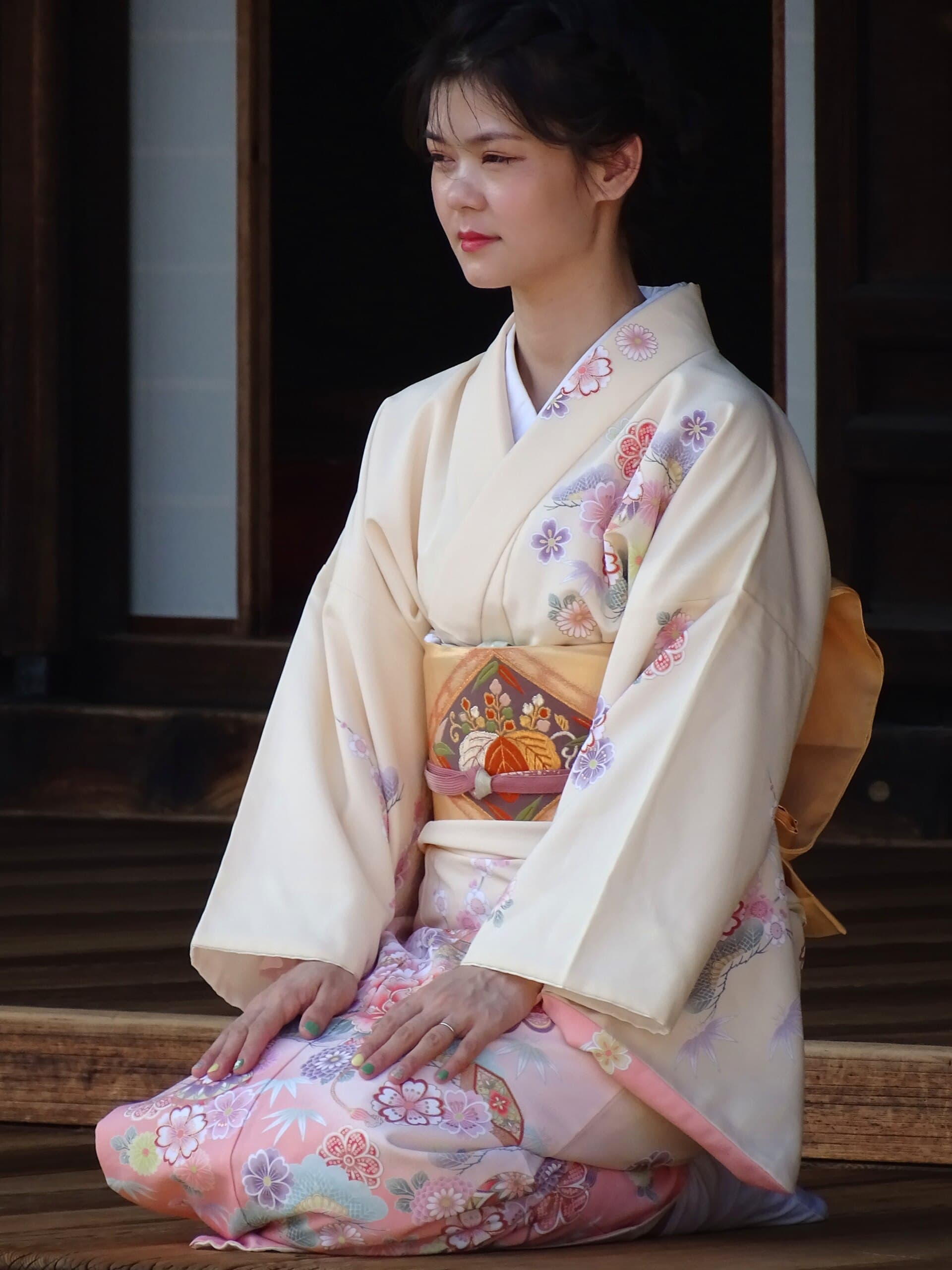
Wearing a kimono in Tokyo is one of the most memorable cultural experiences you can have. From traditional silk yukata to modern casual kimono, here's everything you need to know about renting in Tokyo.
Top Kimono Rental Shops in Tokyo
Asakusa (Most Popular Area)
| Shop | Price | Style | Rating | Booking |
|---|
| Wargo Asakusa | ¥3,300–9,900 | Traditional + casual | ★★★★★ | Walk-in or online |
| Wargo Sensoji | ¥3,300–9,900 | Near Sensoji Temple | ★★★★★ | Walk-in or online |
| Asakusa Kimono Rental Yae | ¥3,980–15,000 | Premium silk options | ★★★★☆ | Online recommended |
| Rent a Kimono IN Osaka (Tokyo location) | ¥3,520–11,000 | Wide color selection | ★★★★☆ | Online |
| Mai Kimono Rental | ¥3,300–8,800 | Modern + traditional | ★★★★★ | Walk-in |
| Hagiso | ¥4,000–10,000 | Minimal + modern | ★★★★☆ | Online |
Harajuku & Meiji Shrine
| Shop | Price | Style | Rating | Booking |
|---|
| Wargo Harajuku | ¥3,520–9,900 | Trendy styles | ★★★★★ | Walk-in or online |
| Kimono Rental Vasara | ¥3,300–8,800 | Near Meiji Shrine | ★★★★☆ | Walk-in |
| Suzuran Kimono | ¥4,400–12,000 | Premium quality | ★★★★★ | Online |
Ueno & Yanaka
| Shop | Price | Style | Rating | Booking |
|---|
| Wargo Ueno | ¥3,300–9,900 | Near Ueno Park | ★★★★★ | Walk-in or online |
| Yanaka Kimono Rental | ¥3,500–8,000 | Old Tokyo charm | ★★★★☆ | Online |
Pricing Breakdown
| Package | Price | Includes |
|---|
| Standard (Yukata) | ¥3,300–4,400 | Kimono, obi belt, geta sandals, bag |
| Standard (Kimono) | ¥4,400–6,600 | Full kimono set with layers |
| Premium | ¥6,600–9,900 | Silk kimono, hair styling, premium accessories |
| Luxury/Custom | ¥10,000–20,000 | Designer kimono, professional photo shoot |
| Men's set | ¥3,300–6,600 | Kimono, hakama, accessories |
| Couple set | ¥7,000–12,000 | Two matching kimono sets |
| Child set (3–12) | ¥2,200–4,400 | Child-sized kimono with accessories |
Add-Ons
| Add-On | Price |
|---|
| Hair styling (basic) | ¥500–1,000 |
| Hair styling (updo) | ¥1,000–2,000 |
| Professional photo shoot | ¥3,000–8,000 |
| Premium obi belt | ¥500–1,000 |
| Extra layer (furisode) | ¥1,000–2,000 |
| Rain poncho | ¥300–500 |
| Early return fee | ¥0–500 |
How to Rent a Kimono
Step-by-Step
- Book online (recommended) or walk in
- Choose your kimono from the selection
- Get dressed — staff helps with all layers (15–20 min)
- Select accessories — bag, sandals, hair accessories
- Hair styling (if booked) — 15–30 min
- Explore — walk around the neighborhood
- Return by the shop's closing time (usually 5–6 PM)
Booking Tips
- Book 1–2 days in advance during cherry blossom season (March–April)
- Book 1 week ahead for autumn foliage (November) and New Year
- Walk-in is fine on weekdays, but popular shops fill up on weekends
- Morning slots (9–10 AM) get the best kimono selection
- Late afternoon (3–4 PM) often has discounted rates
Best Neighborhoods for Kimono Photos
| Neighborhood | Vibe | Best Spots | Crowds |
|---|
| Asakusa | Traditional Edo | Sensoji Temple, Nakamise Street | High |
| Yanaka | Old Tokyo charm | Yanaka Ginza, Cemetery | Low |
| Harajuku | Modern + traditional mix | Meiji Shrine, Takeshita Street | Medium |
| Ueno | Park + museum | Ueno Park, Toshogu Shrine | Medium |
| Rikugien | Garden beauty | Autumn leaves + weeping cherry | Low |
| Shimokitazawa | Bohemian | Vintage shops + cafés | Low |
| Kamakura | Coastal temples | Great Buddha, bamboo grove | Medium |
Photo Tips
| Tip | Why It Works |
|---|
| Golden hour (7–8 AM) | Fewest crowds, warm light |
| After rain | Fewer people, dramatic sky |
| Weekday mornings | 70% fewer tourists than weekends |
| Use a tripod/selfie stick | Self-portraits without asking strangers |
| Shoot from low angles | Makes kimono appear more elegant |
| Include architecture | Contrast of traditional clothing + buildings |
Kimono Styles Explained
| Style | Formality | When to Wear | Price Range |
|---|
| Yukata (浴衣) | Casual | Summer festivals, ryokan | ¥3,000–5,000 |
| Komons (小紋) | Semi-formal | City walks, shopping | ¥4,000–7,000 |
| Iromuji (色無地) | Formal | Tea ceremonies, tea parties | ¥5,000–8,000 |
| Furisode (振袖) | Very formal | Coming-of-age, special events | ¥8,000–15,000 |
| Houmongi (訪問着) | Formal | Visiting, weddings | ¥6,000–10,000 |
| Hakama (袴) | Semi-formal | University graduation, martial arts | ¥5,000–9,000 |
Color Meanings
| Color | Meaning | Best For |
|---|
| Red (赤) | Happiness, vitality | Celebrations, festivals |
| Blue (青) | Calm, stability | Everyday wear, shrines |
| Pink (ピンク) | Youth, romance | Cherry blossom season |
| Gold (金) | Wealth, prosperity | Special occasions |
| White (白) | Purity, new beginnings | Weddings, temples |
| Black (黒) | Elegance, formality | Formal events |
| Purple (紫) | Nobility, luxury | High-end occasions |
| Green (緑) | Nature, freshness | Garden visits, park walks |
Seasonal Recommendations
Spring (March–May)
| Item | Why |
|---|
| Pink/light blue yukata | Matches cherry blossoms |
| Floral obi belt | Complements spring themes |
| Light layers | Still cool in March/April |
Summer (June–August)
| Item | Why |
|---|
| Yukata only | Kimono is too hot |
| Bright colors | Festival-appropriate |
| Geta sandals | Traditional summer footwear |
Autumn (September–November)
| Item | Why |
|---|
| Deep red/burgundy kimono | Matches autumn leaves |
| Fur shawl | Warm evenings |
| Rich earth tones | Complements fall palette |
Winter (December–February)
| Item | Why |
|---|
| Layered kimono | Extra warmth |
| Thick obi | Insulation layer |
| Boots over geta | Common winter adaptation |
Etiquette Tips
Do
- ✅ Walk slowly and gracefully (short steps)
- ✅ Keep your left hand over your right when bowing
- ✅ Remove shoes when entering temples (shoes are provided)
- ✅ Compliment the kimono (「きれいですね」)
- ✅ Take photos — it's expected and encouraged
Don't
- ❌ Walk too fast (kimono restricts stride)
- ❌ Cross your legs when sitting
- ❌ Tie your obi in the front (it goes in the back)
- ❌ Wear a watch over your kimono
- ❌ Eat messy food (hard to clean kimono)
- ❌ Wash the kimono (the shop handles cleaning)
How to Choose the Right Kimono
For First-Timers
| Factor | Recommendation |
|---|
| Style | Start with standard kimono (not furisode) |
| Color | Match your skin tone: warm tones for warm skin, cool tones for cool |
| Pattern | Floral for spring, geometric for modern look |
| Obi | Contrasting color to your kimono |
| Season | Yukata in summer, kimono in other seasons |
For Photography
| Factor | Recommendation |
|---|
| Color | Red or white photograph best |
| Pattern | Bold patterns are more photogenic |
| Obi | Gold or contrasting color |
| Hair | Updo with hair accessory |
| Location | Asakusa for traditional, Yanaka for quiet |
FAQ
Q: Do I need to speak Japanese to rent a kimono? A: Most shops in tourist areas have English-speaking staff and English menus. Booking online in advance is recommended.
Q: Can men rent kimono? A: Yes! Men's kimono rental is available at most shops. Men typically wear simpler, darker-colored kimono with hakama.
Q: How long can I keep the kimono? A: Most rentals are for the full day (return by 5–6 PM). Some shops offer 3-hour, overnight, or multi-day options.
Q: Is it safe to walk around in a kimono? A: Yes — kimono are designed for walking. Take smaller steps than usual and avoid crowded areas where people might bump into you.
Q: What if the kimono gets dirty? A: Minor stains are usually fine. Major stains may incur a cleaning fee (¥1,000–3,000). Avoid eating messy food.
Useful Japanese Phrases
| Japanese | Romaji | English |
|---|
| 着物を借りたいです | Kimono wo karitai desu | I'd like to rent a kimono |
| どの色がいいですか? | Dono iro ga ii desu ka? | Which color is good? |
| これはいくらですか? | Kore wa ikura desu ka? | How much is this? |
| いつまでに返せばいいですか?** | Itsu made ni kaeseba ii desu ka? | When should I return it? |
| 写真を撮ってもいいですか? | Shashin wo tottemo ii desu ka? | May I take a photo? |
| 時間を延長できますか? | Jikan wo enchō dekimasu ka? | Can I extend my time? |
Internal Links