
Kamakura Day Tour
Walk Kamakura with a Friend" Unlike standard tours, this experience feels like exploring with a knowledgeable local friend who happens to know every hidden corner of their hometown. What Makes It Different: Conversational, Not Scripted No memorized lectures or rigid schedules—ask anything, wander fr
What To Expect
Stop 1
⏱ 1hTsurugaoka Hachimangu Shrine is Kamakura's most important Shinto shrine and spiritual heart of the city. Founded in 1063 by Minamoto no Yoriyoshi and later expanded by his descendant Minamoto no Yoritomo (founder of the Kamakura shogunate), it served as the symbolic protector of the samurai government. Cultural Significance: Dedicated to Hachiman, the god of war and patron deity of the Minamoto samurai clan Hosted important political ceremonies during the Kamakura shogunate Remains a vibrant center for festivals, weddings, and New Year celebrations.
Stop 2
⏱ 1hAdmission includedKencho-ji Temple is the #1 ranked of Kamakura's five great Zen temples and the oldest Zen training monastery in Japan. Founded in 1253 by Hojo Tokiyori and Chinese Zen master Lanxi Daolong, it established the Rinzai Zen tradition in the country.Cultural Significance: Head temple of the Kencho-ji branch of Rinzai Zen Peak training center for Zen monks; meditation sessions still held Symbol of Kamakura's international connections with Song Dynasty China.
Stop 3
⏱ 1hKomachi-dori Street is Kamakura's vibrant main shopping and dining artery, stretching from Tsurugaoka Hachimangu Shrine toward Kamakura Station. Named after the famous Heian-period poet Ono no Komachi, this pedestrian-friendly thoroughfare blends traditional atmosphere with contemporary energy. Atmosphere: Narrow street with a mix of traditional wooden storefronts and modern boutiques Constant flow of visitors, locals, and temple pilgrims creates lively human scenery Side alleys hide quieter cafés and historic residences.
Stop 4
⏱ 1hAdmission includedHasedera Temple is one of Kamakura's most visually spectacular temples, perched on a hillside overlooking Sagami Bay. Founded in 736 (with current structures dating to the Kamakura period), it belongs to the Jodo sect and centers on devotion to Kannon, the goddess of mercy. Cultural Significance: Major pilgrimage site for Kannon devotees The "Kannon Pilgrimage" route includes this as a key stop Legend says the Kannon statue was carved from a single camphor tree.
Stop 5
⏱ 1hAdmission includedKotoku-in Temple is home to the Great Buddha (Daibutsu), Kamakura's most iconic landmark and one of Japan's most celebrated Buddhist images. Founded in 1252, the temple originally housed the bronze statue indoors until a tsunami destroyed the hall in 1498, leaving the Buddha exposed to the elements ever since. Cultural Significance: Represents Amitabha Buddha of infinite light and compassion Survived fires, earthquakes, and the 1498 tsunami that swept away its hall Symbol of resilience and spiritual endurance; beloved by locals and visitors alike.
What to Bring
- •Wheelchair accessible
- •Infants and small children can ride in a pram or stroller
- •Public transportation options are available nearby
- •Infants are required to sit on an adult’s lap
- •Transportation options are wheelchair accessible
- •All areas and surfaces are wheelchair accessible
- •Travelers should have at least a moderate level of physical fitness
Compare Similar Experiences
 Kamakura Day Tour (this) |  Kamakura Temples Private Custom Tour from Tokyo |  Exclusive Plans for Cruise Travelers, from Yokohama Port |  【VIP】Geisha Dance & Tea ceremony experence with Yukata | |
|---|---|---|---|---|
| Rating | — | — | — | ⭐ 5.0 (1) |
| Duration | — | 8 hours | — | 24 hours |
| Group size | — | — | — | — |
| Price (from) | US$114.19 | US$587.96 | US$119.53 | US$129.22 |
| Cancellation | Non-refundable | Non-refundable | Non-refundable | Non-refundable |
Customers Who Bought This Tour Also Bought

Yokohama City Highlights Guided Tour By AC Car

Guided Sightseeing Tour in Yokohama

Innovation & Culture of Yokohama – 5h Private Shore Tour

Kamakura Spiritual & History Private Tour: Zen Energy & Shrines

Visiting Historical Sites in Hakone with a View of Mount Fuji

Evangelion Hakone Tour Explore The Third New Tokyo City

Yokohama Private Customizable Half Day Tour
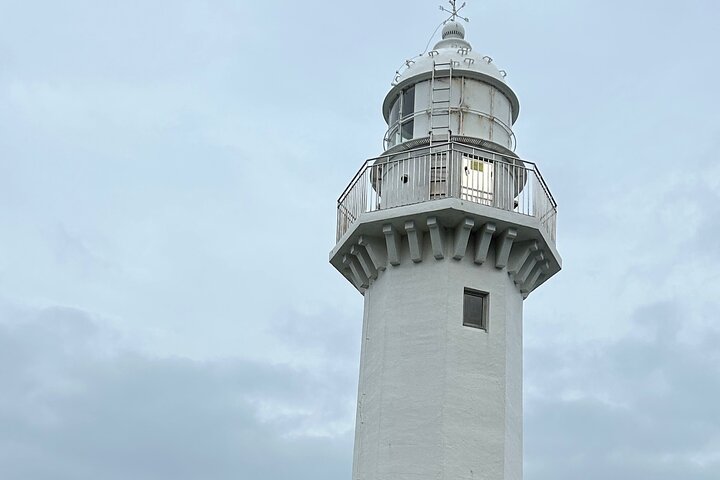
3 Hours Private Historical Walking Tour of Miura Peninsula
More Experiences in Kanagawa
Kamakura Temples Private Custom Tour from Tokyo
Discover the best of Kamakura in summer on this private, fully customizable tour with a dedicated private vehicle. Designed for comfort and flexibility, this experience lets you explore at your own pace while avoiding crowded transport in the heat. In addition to Kamakura’s iconic temples and shrine
From US$587.96
Exclusive Plans for Cruise Travelers, from Yokohama Port
This is our secret item, exclusive for cruise travelers who disembark cruise ships at Yokohama International Cruise Port. There are three ports in Yokohama: Ohsambashi Port, Shiko Port, and Daikoku Port, we apply for all ports. And there are various patterns after disembarkation there. Some clients
From US$119.53
【VIP】Geisha Dance & Tea ceremony experence with Yukata
A valuable experience that can only be had in Japan. It's a waste to end up wearing a yukata! Wearing a yukata and bowing and walking, let's feel Japan in the era when there were samurai. Once you get used to wearing a yukata, use a fan to dance to the representative Japanese song "Sakura Sakura".
From US$129.22

Vacation Photographer in Yokohama
Localgrapher is the largest network of professional photographers and videographers with more than 600 destinations around the globe! Book your private photographer and guide in Yokohama to capture your picture-perfect moments while visiting amazing sites! SOLO TRAVELERS Fancy an insta-perfect pho
From US$285.46
From
US$114.19