
Hiroshima Peace & History Tour: Why the Atomic Bomb Was Dropped
Explore the complex history behind one of the most significant events of the 20th century on this thoughtful walking tour of Hiroshima. Led by an experienced local guide, this tour examines the historical, political, and military context that led to the atomic bombing of Hiroshima on August 6, 1945
What To Expect
Stop 1
⏱ 20 minVisitors begin their experience at Hiroshima Gogoku Shrine by exploring its elegant architecture and tranquil surroundings. Originally established to enshrine the protective deities of Hiroshima domain, the shrine now also serves as a place of solace and remembrance for those affected by historical events.
Stop 2
⏱ 20 minHiroshima Castle, also known as Carp Castle, is a historic landmark in Hiroshima, Japan. Originally constructed in the 1590s, it served as the home of the daimyō (feudal lord) of the Hiroshima han (domain). The castle was an important military and administrative center until it was destroyed by the atomic bomb in 1945. It has since been reconstructed and now functions as a museum that offers insights into Hiroshima's history, Japanese feudal architecture, and the samurai culture of the Edo period. The castle's grounds, surrounded by a moat and lush gardens, provide a scenic walk and a peaceful retreat from the modern city surrounding it.
Stop 3
⏱ 30 minHiroshima Green Arena, officially known as Hiroshima Prefectural Sports Center, is a multi-purpose indoor sporting arena located in Hiroshima, Japan. It is often used for a wide range of sporting events such as basketball and volleyball matches, as well as for martial arts competitions. The arena also hosts a variety of other events, including concerts, exhibitions, and cultural festivals, making it a versatile venue within the city.
Stop 4
Pass byOrizuru Tower is a modern and innovative addition to Hiroshima's cityscape, located right next to the Hiroshima Peace Memorial Park. Opened in 2016, this 13-story building is known for its distinctive architecture and the panoramic views it offers of the surrounding city, including the Peace Park and the A-Bomb Dome, one of the UNESCO World Heritage sites.
Stop 5
⏱ 20 minThe Atomic Bomb Dome in Hiroshima, originally the Hiroshima Prefectural Industrial Promotion Hall, stands as a solemn reminder of the devastating power of nuclear weapons. Located near the blast's epicenter, it was one of the few structures left standing after the atomic bomb was dropped on August 6, 1945. This haunting ruin, with its exposed steel and crumbled walls, has been preserved as a peace monument and UNESCO World Heritage Site. It symbolizes the hope for global peace and the abolition of nuclear arms, serving as a poignant educational and contemplative site for visitors worldwide.
Stop 6
⏱ 10 minThe Children's Peace Monument in Hiroshima, located in the Peace Memorial Park, commemorates Sadako Sasaki and the thousands of child victims of the atomic bombing of Hiroshima. Inspired by Sadako, who developed leukemia from radiation exposure and folded origami cranes as a symbol of peace and healing, the monument features a statue of her holding a golden crane overhead. Surrounding the statue are thousands of colorful paper cranes sent from children around the world, symbolizing a universal wish for peace and the abolition of nuclear weapons.
Stop 7
⏱ 30 minHiroshima Peace Memorial Park is a poignant site dedicated to the memory of the victims of the atomic bomb dropped on Hiroshima on August 6, 1945. Located in the heart of Hiroshima, near the epicenter of the explosion, the park is home to several important monuments, memorials, and museums, including the Hiroshima Peace Memorial Museum, the Atomic Bomb Dome, and the Children's Peace Monument. The park itself is designed to promote reflection and peace, featuring lush greenery, tranquil water features, and broad pathways. It serves as a reminder of the tragic consequences of nuclear warfare and as a symbol of a continuing commitment to world peace. Each year, thousands of visitors from around the world come to the park to learn, remember, and reflect on the events of 1945 and the importance of peace.
What to Bring
- •Wheelchair accessible
- •Infants and small children can ride in a pram or stroller
- •Service animals allowed
- •Public transportation options are available nearby
- •Transportation options are wheelchair accessible
- •All areas and surfaces are wheelchair accessible
- •Suitable for all physical fitness levels
More things to do in Hiroshima
Compare Similar Experiences
 Hiroshima Peace & History Tour: Why the Atomic Bomb Was Dropped (this) |  Onomichi and Fukuyama Day Tour |  One Day Fukuyama Castle Tomonoura and Sensui jima Island Tour |  Hiroshima Oysters and Sake Tour | |
|---|---|---|---|---|
| Rating | ⭐ 4.8 (182) | — | — | — |
| Duration | — | 10 hours | 8 hours | 3h 30m |
| Group size | — | — | — | — |
| Price (from) | US$35 | US$116.3 | US$127.93 | US$497.5 |
| Cancellation | Non-refundable | Non-refundable | Non-refundable | Non-refundable |
Customers Who Bought This Tour Also Bought

Hiroshima Peace Memorial, Castle and Garden Walking Tour

Hiroshima Private Walking Tour with a Local

Hiroshima: Flexible Ramen Crawl – 2 Local Shops in 2 Hours

Hiroshima & Miyajima: 2 UNESCO Sites 1-Day Small Group Tour

Hiroshima and Miyajima Island 1-Day Private Sightseeing Tour

Hiroshima Peace Memorial Park Walking Tour

Historic Hiroshima By Private Vehicle or Public Transport
Hiroshima Food Tour: Private & Personalized with a Local Guide
More Experiences in Hiroshima
Onomichi and Fukuyama Day Tour
We will take you to the top popular sightseeing spots in Onomichi and Fukuyama on this bus tour! (You will travel between Hiroshima and Fukuyama by shinkansen/bullet train) Explore Onomichi and Fukuyama with Tour bus a comfortable air conditioned. The guide will be waiting for you at the meeting poi
From US$116.3
One Day Fukuyama Castle Tomonoura and Sensui jima Island Tour
Fukuyama, known as the City of Roses, is a beautiful and historic city located in the eastern part of Hiroshima Prefecture. Originally established as a castle town in 1619, it is now the second largest city in the prefecture, and the fourth largest in Western Honshu. By the end of the Second World W
From US$127.93
Hiroshima Oysters and Sake Tour
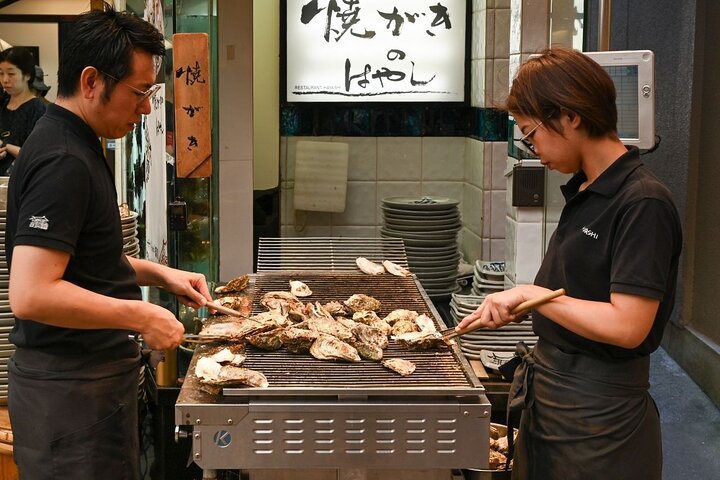
The Akinada area of Hiroshima Prefecture is renowned as a premier region for ginjō sake and oysters, thanks to its pure water and nutrient-rich sea. This activity offers a unique culinary experience, allowing you to enjoy the region’s distinctive blessings of water and sea through a sake brewery vis
From US$497.5

Hiroshima & Miyajima Reflections of Culture & Peace Full-Day Tour
Embark on a meaningful journey that intertwines natural beauty, cultural heritage, and historical reflection. Begin your day on the serene island of Miyajima, known for the breathtaking sight of Itsukushima Shrine’s iconic torii gate appearing to float on the sea. Wander through sacred temples and
From US$154.42
From
US$35