
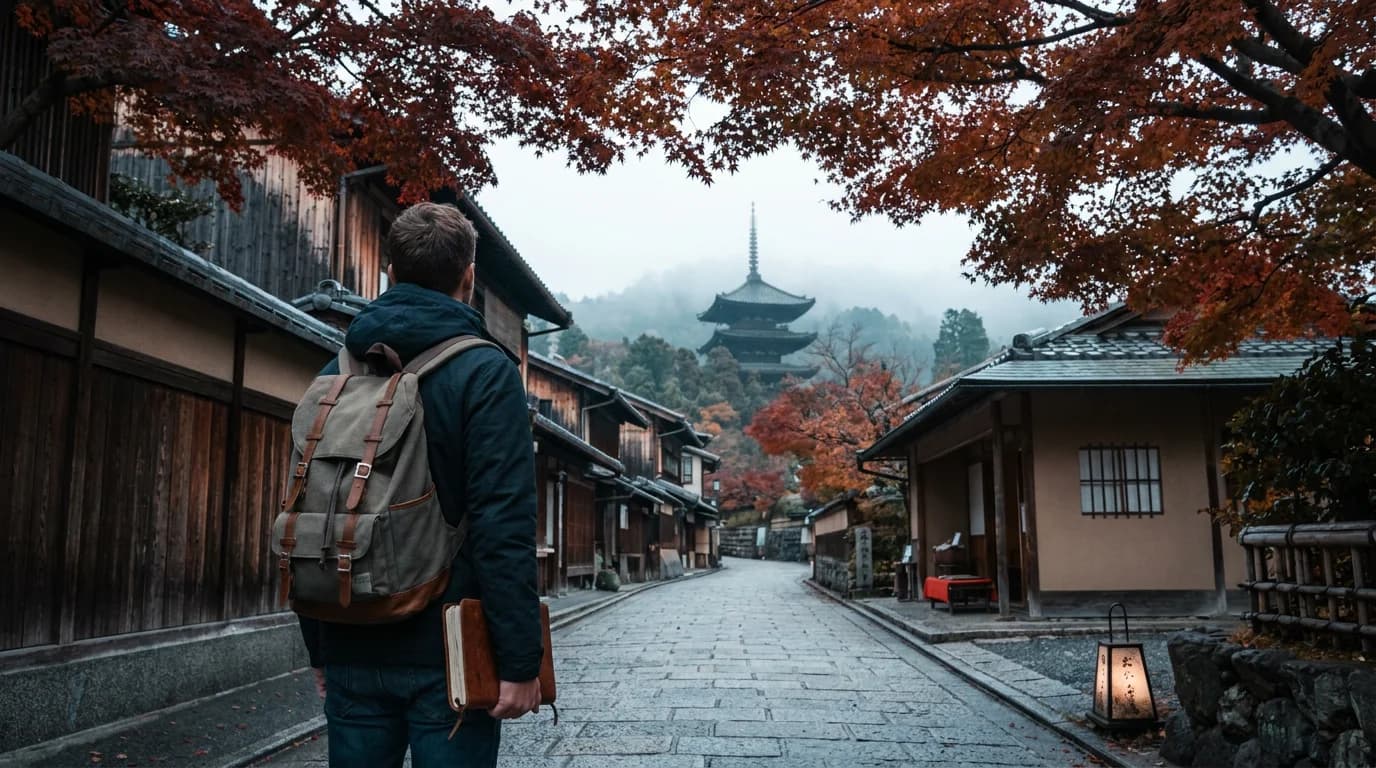
Solo Travel in Japan: A Complete Guide for Independent Travelers
By Tour in Japan editors · Updated
Travel Japan solo with confidence using our comprehensive guide. Discover safety tips, accommodation options, cultural insights, and the best destinations for solo exploration.
Japan is one of the world's best destinations for solo travelers, offering exceptional safety, efficient transportation, and a culture that accommodates independent exploration. Whether you're seeking spiritual experiences in ancient temples, culinary adventures in vibrant cities, or natural beauty in mountain landscapes, Japan provides endless opportunities for meaningful solo travel. The country's infrastructure and social norms make it easy and comfortable to explore alone, even for first-time solo travelers.
Safety and Security
Japan consistently ranks among the world's safest countries, with extremely low crime rates and a culture that values public order. Violent crime against tourists is rare, and petty theft is uncommon compared to other destinations. Lost items are often returned, and police boxes (koban) provide assistance throughout cities. Women can generally feel safe walking alone at night in most areas, though normal precautions apply.
Emergency services are reliable, with English-speaking operators available in major tourist areas. Carry your hotel business card with address written in Japanese for taxi drivers. Register with your country's embassy if staying long-term. While Japan is safe, normal travel precautions apply—keep copies of important documents, don't carry excessive cash, and stay aware of your surroundings.
Accommodation for Solo Travelers
Japan offers excellent accommodation options for solo travelers. Business hotels provide compact but comfortable private rooms at reasonable prices. Many offer single rooms designed specifically for one person. Capsule hotels provide unique, budget-friendly accommodation with everything you need for a good night's sleep. Women-only capsule hotels offer added privacy and security.
Hostels and guesthouses provide social opportunities if you want to meet other travelers. Many offer private rooms alongside dormitories. Ryokan (traditional inns) welcome solo guests, though some have minimum charges or single supplements. Temple lodgings offer unique cultural experiences and often welcome individual travelers. Book ahead during peak seasons, as solo travelers sometimes get last priority for room allocation.
Dining Alone in Japan
Solo dining is completely acceptable in Japan, and many restaurants accommodate single diners comfortably. Conveyor belt sushi restaurants are perfect for solo travelers—you sit at the counter and take plates as they pass. Ramen shops often have counter seating ideal for individuals. Department store food floors offer countless options for takeout or eating in designated areas.
Izakaya (Japanese pubs) can be trickier for solo diners, as many cater to groups. Look for places with counter seating or that explicitly welcome solo customers. High-end restaurants may require reservations but generally accommodate solo diners. Convenience stores provide quick, inexpensive meals for casual dining. Don't be self-conscious about eating alone—many Japanese people dine solo regularly.
Transportation and Navigation
Japan's public transportation system is solo-traveler friendly. Trains and subways run frequently and reliably, making it easy to get around without a car. English signage is common in major cities and tourist areas. Google Maps and official transit apps provide excellent navigation. The JR Pass and regional passes offer good value for solo travelers covering long distances.
Taxis are available everywhere but expensive—use them for late-night travel or when carrying luggage. Rental cars offer freedom but require navigating Japanese roads and parking. Bicycles are practical in smaller cities and can often be rented. Walking is enjoyable in many areas, with good sidewalks and pedestrian infrastructure in cities.
Cultural Considerations and Social Interaction
Japanese people are generally helpful to solo travelers who appear lost or confused. Learn basic phrases for greetings, thank you, and excuse me—these go a long way in showing respect. Don't worry about perfect Japanese; making the effort is appreciated. Carry a phrasebook or translation app for more complex interactions.
Joining group tours or activities can provide social interaction if desired. Many temples and shrines offer English tours. Cooking classes, craft workshops, and cultural experiences welcome solo participants. Onsen (hot springs) can be enjoyed alone, though some have gender-segregated areas. Respect local customs and you'll find Japanese people welcoming and accommodating.
Stay Connected in Japan
Yesim eSIMs work on arrival — no physical SIM needed. Japan data plans from $5.