Nara Day Trip: Temples, Deer and Naramachi
A practical guide to a Nara day trip from Kyoto or Osaka, with temples, Nara Park deer, local rules, Naramachi shops and transport advice.
Affiliate link — we may earn a commission at no extra cost to you. Affiliate disclosure
Nara Day Trip
Nara, the site of the ancient Heijō Capital established in 710, offers a journey into Japan's early history and spiritual traditions (Kohfukuji Temple). The city is easily reached from both Kyoto and Osaka, and its compact centre packs in UNESCO World Heritage temples, shrines and Nara Park with its free-roaming deer. A day trip here makes a fine contrast to modern Japanese cities.
Getting to Nara
Access to central Nara is easiest from Osaka. The fastest way is the 35-minute limited rapid express from Osaka-Namba to Kintetsu Nara Station, which costs ¥520 more than the regular express trains that take five minutes longer. Kintetsu Nara can also be reached from Kyoto Station in just over 30 minutes, and Kintetsu Nara Station is closer to the city centre than JR Nara Station (Japan National Tourism Organization).
By JR, the Yamatoji Rapid Service runs directly from Osaka to JR Nara Station, and the Miyakoji Rapid Service runs directly from Kyoto (Japan National Tourism Organization).
If you plan to travel around the region, the KINTETSU RAIL PASS 1day gives unlimited rides on Kintetsu lines and Nara Kotsu buses within designated zones, listed at ¥1,900 for adults and ¥950 for children; check the live price before you buy (Kintetsu Railway).
Must-Visit Temples and Sites
Nara's religious sites represent some of Japan's oldest and most significant Buddhist architecture.
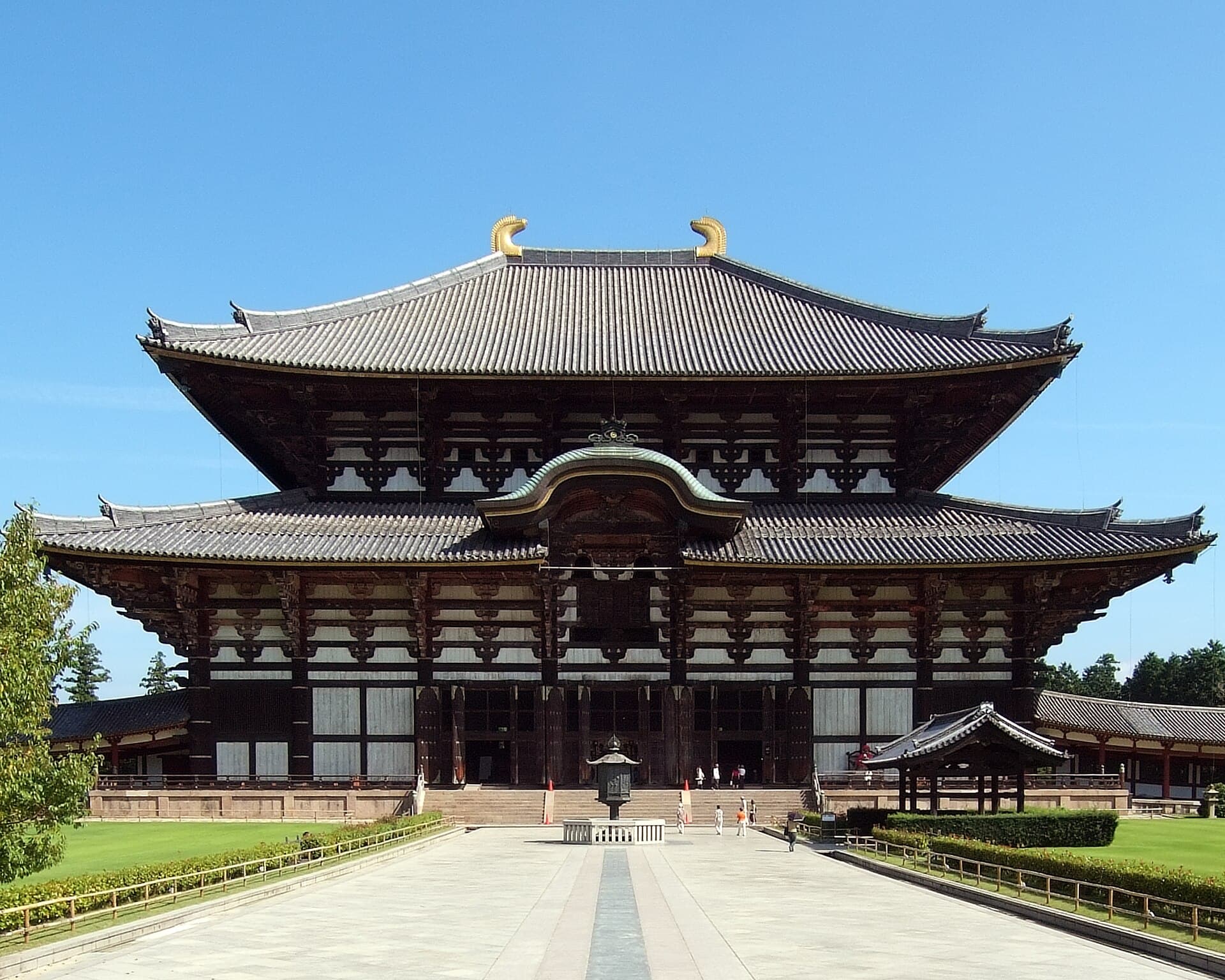
- Todai-ji Temple — the Great Buddha Hall houses the largest bronze statue of Buddha in the world, weighing an estimated 300 tons. The hall is open 7:30–17:30 from April to October and 8:00–17:00 from November to March; adult admission is ¥800. Check the current hours and fees before you go (Todai-ji).
- Kasuga Taisha Shrine — known for its stone lanterns and its setting in the woods. General worship of the main sanctuary is open 6:30–17:30 from March to October and 7:00–17:00 from November to February (Kasuga Taisha).
- Kofuku-ji Temple — its 50-metre-tall pagoda is the second tallest five-story pagoda in Japan, and the National Treasure Hall holds a fine collection of Buddhist art. The hall is open 9:00–17:00 (last admission 16:45); adult admission is ¥900, cash only. Check the current fee before you go (Kohfukuji Temple).
- Yakushi-ji Temple — home to an ancient pagoda dating back to A.D. 730 (JNTO).
- Horyu-ji Temple — a UNESCO World Heritage Site containing some of the world's oldest surviving wooden structures. It is open 8:00–17:00 from 22 February to 3 November and 8:00–16:30 from 4 November to 21 February; adult admission is ¥2,000 (from March 2025). Check the current fees before you go (Horyuji Temple).
Nara Park and the Sacred Deer
Nara Park is a large park at the foot of Mt. Wakakusa, full of friendly deer, with temples set in unspoiled woods and a lake home to turtles and carp (JNTO).
The deer are wild animals and a national natural monument. Follow these rules:
- Do not hit or chase the deer.
- Do not feed them anything except shika senbei (deer crackers), which are sold along the roadside. Other food can make them ill, and inappropriate feeding damages the balance between people and deer.
- Take care: deer may charge or butt with their antlers. Do not touch them carelessly or let children approach them alone.
- Watch your belongings — deer may eat plastic bags, maps and pamphlets, and bags can catch on their antlers.
- Take your rubbish home; there are no bins in Nara Park.
June is the deer birthing season. If you find a fawn, watch quietly from a distance, as mother deer can attack if you approach (Nara City).
Local Specialties and Shopping
Naramachi, just east of Nara Park, is Nara's old merchant district. Its narrow, winding streets of traditional townhouses now hold sweet shops, galleries, cafes and boutique inns, and the whole area is compact enough to cover on foot (Official Nara Travel Guide).
- Gangoji Temple — Japan's oldest Buddhist temple, first built in Asuka and relocated here around 718 AD.
- Sarusawa Pond — a man-made pond dating back to 749 as part of Kohfukuji Temple, with tree-shaded seating and the Nara Visitor Center & Inn nearby.
- Nakanishi Yosaburo — on Shimomikado Street, a wagashi maker that has been in business for over 150 years.
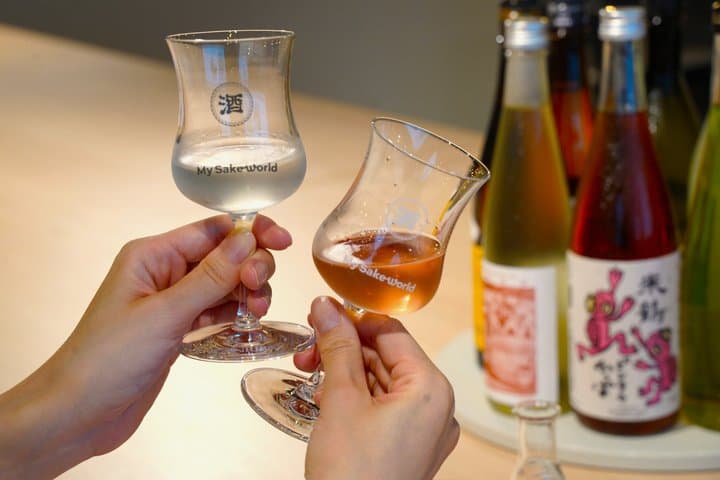
- Harushika Sake Imanishi Seibei Store — a good place to learn about Nara's sake brewing, with brewery tours, tastings, a cafe and a shop.
At the top of Sanjo Dori Street, Nakatanido draws crowds with regular displays of rice pounding. A freshly made yomogi mochi cake costs ¥130; the shop is open 10:00–19:00 and takes cash only, five minutes on foot from Kintetsu Nara Station. Check the current price before you go (Official Nara Travel Guide).
Nara is also a good place to buy traditional crafts. The city has a long history of making calligraphy brushes, ink and washi paper, and tea utensils; Takayama, to the west, makes about 90% of Japan's tea whisks, and Yoshino crafts cherrywood tea canisters called chazutsu (Official Nara Travel Guide).
A well-planned Nara day trip combines the major temples with leisurely exploration of Nara Park and Naramachi. Start early to avoid the crowds at Todai-ji, then spend the afternoon wandering through the park and historic streets. Nara is compact and easy to explore on foot, though comfortable shoes are essential for temple visits. Cherry blossom season and autumn foliage are beautiful but busy times to visit.
Ready to explore Japan?
Browse tours and activities, or tell us what you're looking for and we'll suggest the best options.
Stay Connected in Japan
Airalo eSIMs work on arrival — no physical SIM needed. Data plans from $5 for 7 days.
Travel Insurance for Japan
Medical, trip cancellation, and adventure sports covered. Plans from $1.5/day.