
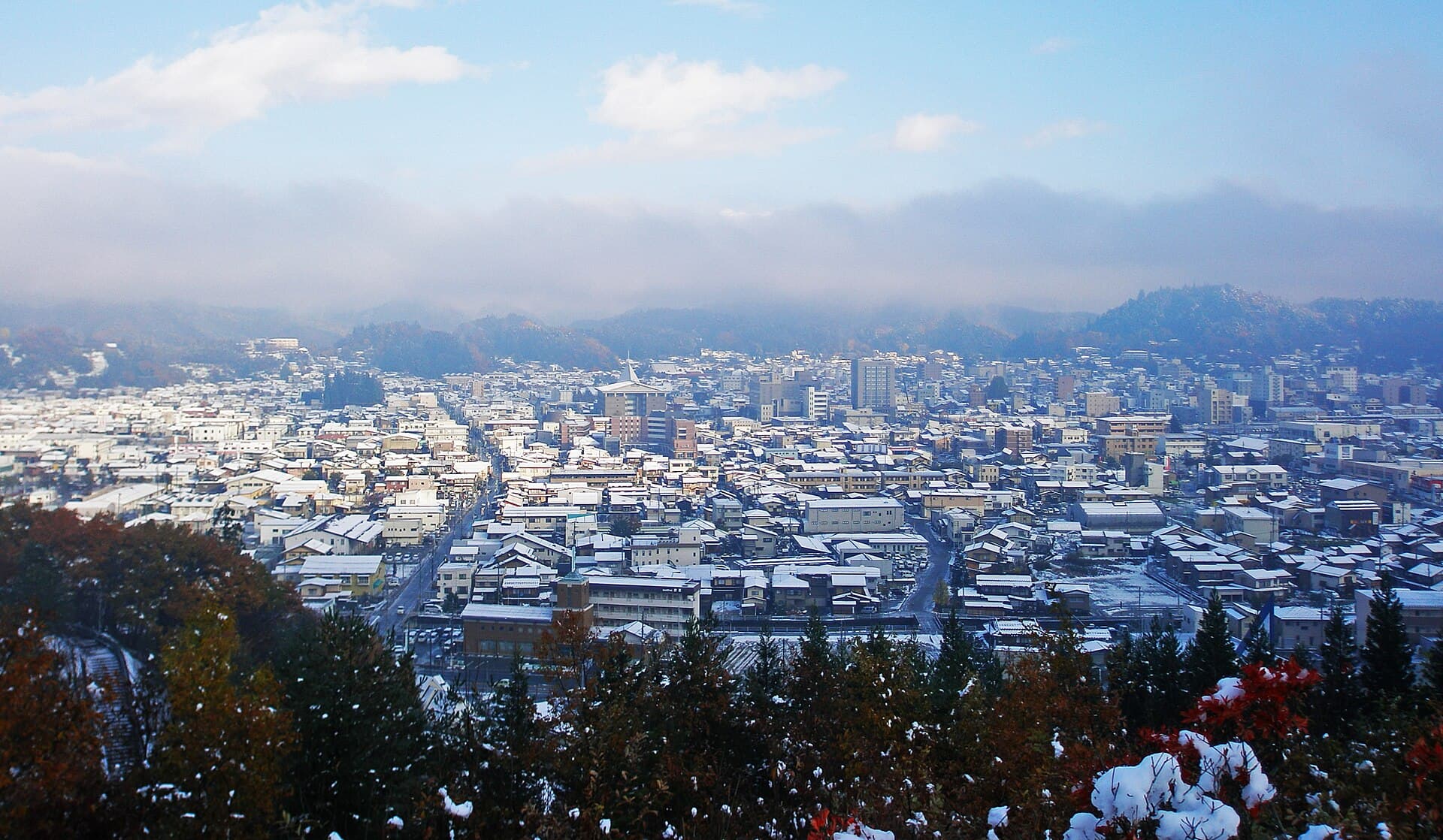
Nagoya and Takayama: A Journey Through Central Japan
By Tour in Japan editors · Updated
Explore Nagoya's modern attractions and Takayama's traditional charm. Discover castles, historic streets, and mountain scenery on this central Japan adventure.
Central Japan offers a perfect blend of modern urban attractions and traditional mountain culture, with Nagoya and Takayama representing two distinct sides of the region. Nagoya, Japan's fourth-largest city, serves as an excellent base for exploring the area with its convenient transportation links and impressive castle. Takayama, nestled in the Japanese Alps, preserves Edo-era architecture and rural traditions in a stunning mountain setting. This route combines industrial heritage, natural beauty, and cultural depth for an unforgettable journey through the heart of Japan.
Nagoya: Industrial Powerhouse and Cultural Hub
Nagoya Castle stands as the city's most iconic landmark, offering impressive architecture and beautiful grounds. While the original keep was destroyed in WWII, the reconstructed main tower houses a museum displaying samurai armor, weapons, and historical artifacts. The castle's golden shachihoko (dolphin-fish roof ornaments) have become symbols of the city. Nearby, the Noritake Garden showcases the famous porcelain manufacturer's history with beautiful displays and a factory outlet.
Nagoya's industrial heritage is on display at the Toyota Commemorative Museum of Industry and Technology, which traces the evolution from textile machinery to automobiles. The city's food culture deserves attention too—try hitsumabushi (grilled eel over rice), miso katsu (pork cutlet with red miso sauce), and the famous Nagoya cochin chicken. Osu Shopping Street offers a traditional shopping experience with hundreds of stores, temples, and entertainment venues.
Takayama: Little Kyoto of the Alps
Takayama's beautifully preserved old town transports visitors to Japan's Edo period. Sanmachi-dori street features traditional wooden machiya houses, many converted to shops, restaurants, and sake breweries. The morning markets (Asaichi) along the Miyagawa River offer local specialties including vegetables, crafts, and Hida beef skewers. Takayama Jinya, a former government office from the Edo era, provides insight into rural administration with its well-preserved rooms and gardens.
The city's festivals are legendary—Takayama Matsuri in spring and autumn feature elaborate floats (yatai) that are considered masterpieces of Japanese craftsmanship. Even outside festival season, the Takayama Festival Floats Exhibition Hall displays these incredible works year-round. The surrounding Hida region offers excellent hiking, onsen (hot springs), and traditional rural experiences that complement the town's cultural attractions.
Shirakawa-go and Rural Japan
A short bus ride from Takayama takes you to Shirakawa-go, a UNESCO World Heritage site famous for its traditional gassho-zukuri farmhouses with steep thatched roofs designed to withstand heavy snow. These distinctive buildings, some over 250 years old, offer a glimpse into Japan's rural past. The village's most famous structure, Wada House, is open to visitors and demonstrates traditional rural life and architecture.
The area transforms dramatically with seasons—winter brings magical snow-covered landscapes, spring offers fresh greenery and wildflowers, autumn showcases brilliant foliage, and summer provides pleasant hiking weather. Stay overnight in a minshuku (guesthouse) to experience the peaceful atmosphere after day-trippers leave. The nearby village of Gokayama offers similar architecture with fewer crowds.
Transportation and Practical Tips
The journey between Nagoya and Takayama takes about 2.5 hours by train via the Hida Limited Express. The route itself is scenic, passing through mountains and along rivers. Consider purchasing a JR Tokai-Tokyo Hokuriku Area Pass if you're exploring the region extensively. Buses connect Takayama to Shirakawa-go (about 50 minutes), with advance booking recommended during peak seasons.
Allow at least two full days for this route—one for Nagoya and one for Takayama with Shirakawa-go. The region experiences distinct seasons with winter snow making some areas difficult to access. Spring and autumn offer the most comfortable weather and beautiful scenery. Pack layers as mountain temperatures can be significantly cooler than Nagoya. Many traditional accommodations don't accept credit cards, so carry cash.
Stay Connected in Japan
Yesim eSIMs work on arrival — no physical SIM needed. Japan data plans from $5.