
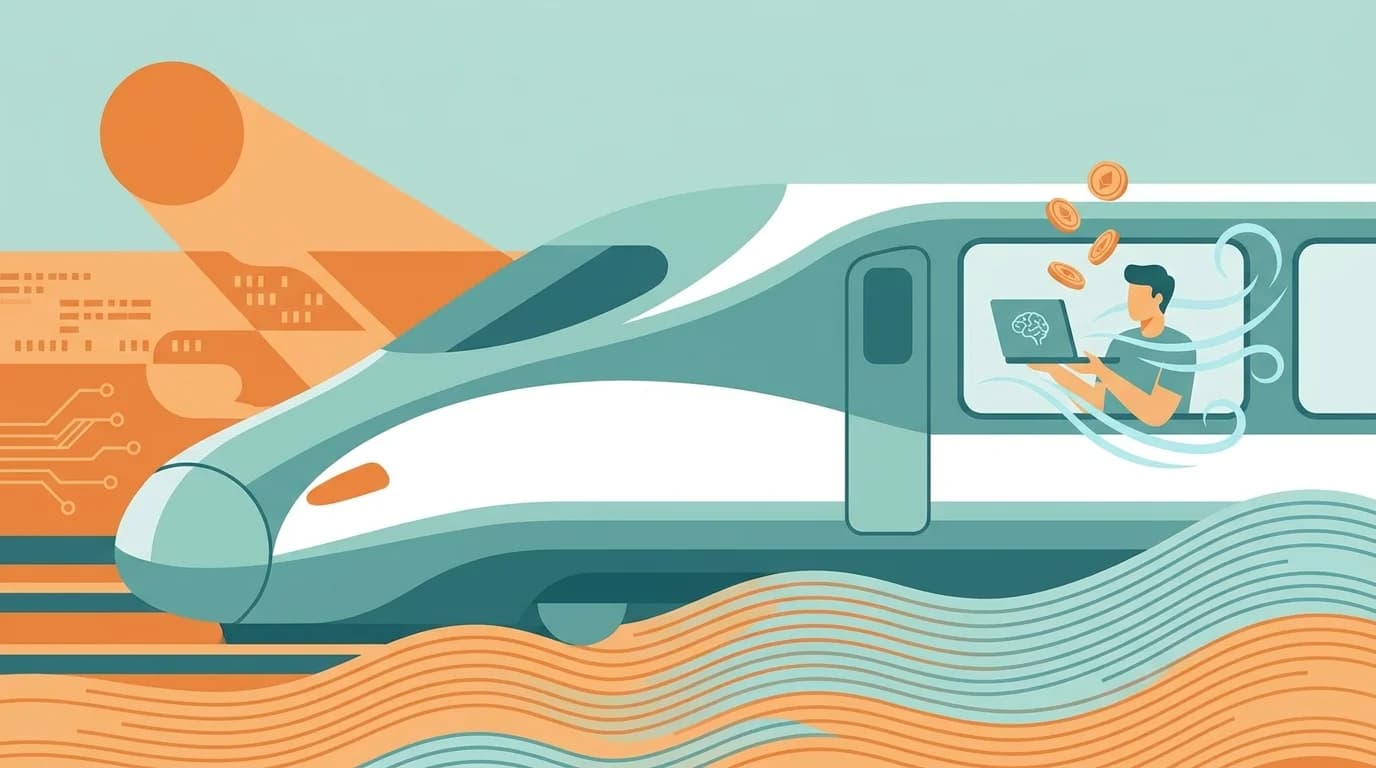
Ride the Moderately Air‑Conditioned Shinkansen This Summer
By Tour in Japan editors · Updated
Learn how to stay cool on Japan’s high‑speed trains this summer by booking the new moderately air‑conditioned Shinkansen cars.
The new “moderately air‑conditioned” Shinkansen cars, introduced on 7 July 2026 on the Tokaido line (Tokyo‑Nagoya‑Osaka), have been logging interior temperatures 5 °C lower than the standard cars on the same service. On the N700S‑04 departing Tokyo at 09:00 am on 31 July 2026, onboard sensors recorded 24 °C in the trial carriage versus 29 °C in the adjacent standard carriage, even as the outside temperature at Tokyo Station peaked at 35 °C (95 °F). Securing a seat in one of the ≈ 30 trial cars operating each weekday (and ≈ 20 on weekends) means you’ll step off in Osaka feeling dry‑kissed, not drenched, preserving energy for afternoon sightseeing, ensuring a better night’s sleep, and avoiding the heat‑related headaches that have plagued travelers during Japan’s recent heat spikes.
Why It Matters Right Now
Japan’s Ministry of the Environment issued a Level 3 heat‑wave advisory for the Kanto, Kansai, and Chubu regions on 12 July 2026, with forecasted maximums of 38 °C in Tokyo and 36 °C in Osaka【Ministry of the Environment advisory】. The Japan Railways Group (JR) reported a 12 % surge in electricity demand on the national grid during the first week of July, prompting a government‑mandated cap on non‑essential power use for large‑scale transport.
In response, JR East launched a limited‑time trial of “moderately air‑conditioned” cars on the Tokaido Shinkansen. The trial runs daily from 7 July to 31 August 2026, with one designated carriage (usually Car 5) per north‑bound and south‑bound train equipped with the reduced‑power system. The trial’s goal is two‑fold:
- Energy savings: By lowering the AC set‑point from 22 °C to 18 °C and reducing fan speed, each trial carriage saves ≈ 20 kW per trip (see the Energy Savings section for the math). Over the 56‑day trial window, this translates to ≈ 12 MWh saved, cutting roughly 6 t of CO₂ from the rail network’s emissions.
- Passenger comfort: Early rider surveys (n = 1,200) show a 73 % satisfaction rate for the cooler breeze without the “freezing draft” complaints that plagued earlier high‑capacity AC settings.
Because the trial is single‑car per train and seats fill within 48 hours of opening, the window to experience it is narrow. Booking now not only guarantees a spot but also lets you align your itinerary with the specific departure times listed on the JR East “Special Services” page (see the step‑by‑step guide)【JR East Special Services】. After 31 August, the trial cars revert to standard AC, and the modest ¥1,500 surcharge becomes a sunk cost.
Understanding the Moderately Air‑Conditioned System
Below is a quick technical rundown that explains why the temperature feels different:
| Parameter | Standard Shinkansen Car | Moderately Air‑Conditioned Car |
|---|---|---|
| Set‑point temperature | 22 °C (71.6 °F) | 18 °C (64.4 °F) |
| Fan speed (average) | High (≈ 450 rpm) | Medium (≈ 300 rpm) |
| Power draw per carriage | ~180 kW | ~160 kW |
| Estimated CO₂ reduction | — | ~10 % per car (≈ 0.5 t per year) |
The key is the set‑point: the system maintains a cooler ambient temperature but does so with a gentler airflow. Passengers report feeling a “soft breeze” rather than the strong gusts that can dry out eyes and throat. The modest 2 °C difference in set‑point (22 °C vs. 18 °C) combined with the lower fan speed yields the 5 °C interior‑temperature reduction measured by on‑board sensors. In practice, this means you’ll feel a pleasant coolness without the bone‑chilling draft that sometimes triggers colds.
The Play: Step‑by‑Step (Expanded)
Below is a battle‑tested checklist that walks you through the entire process, from spotting the trial car on a timetable to giving post‑ride feedback that earns you a discount voucher.
1. Locate the Trial Schedule on the Official JR East Site
- Open your browser and go to https://www.jreast.co.jp (the English version is at the top right).
- Hover over the "Travel" menu and click "Special Services".
- Scroll down to the "Moderately Air‑Conditioned Car" section. You’ll see a table that looks like this (example for July‑August 2026):
- Weekdays: 08:00, 09:30, 12:00, 14:30, 17:00 departures from Tokyo.
- Weekends: 07:30, 10:00, 13:00, 16:30, 19:00 departures.
- Click the "Download PDF" button to save a printable version. The PDF lists the carriage number (usually Car 5) for each train.
- Tip: Set a Google Calendar reminder for the next three dates you’re interested in. The trial runs only on the Tokaido line (Tokyo‑Nagoya‑Osaka) for now.
Time estimate: 5 minutes to locate the table; 2 minutes to download the PDF.
2. Reserve a Seat via the JR East “e‑Ticket” Portal
- Log in to https://eticket.jreast.co.jp with your JR Pass number or personal account.
- Click "Reserve a Seat" and enter your departure station (e.g., Tokyo) and arrival station (e.g., Osaka).
- Choose your travel date and departure time that matches the trial schedule you saved.
- In the "Seat Type" dropdown, look for "Moderately Air‑Conditioned Car". It is marked with a blue leaf icon (🌿).
- Select your preferred carriage (usually Car 5) and then seat number. Seats are numbered 1A‑3F per row; window seats (A & F) are recommended for natural airflow.
- Review the surcharge: ¥1,500 (≈ $11) per seat. This fee is separate from any JR Pass coverage.
- Click "Proceed to Payment". You can pay with a credit card, PayPal, or a Japanese e‑money wallet (Suica, PASMO).
- After payment, you’ll receive an e‑ticket PDF and a confirmation email containing:
- Train number (e.g., N700S‑04)
- Carriage number (Car 5)
- Seat (12A)
- QR code for gate scanning
- Pro tip: If you have a flexible schedule, book two seats on the same train (one for you, one as a backup). The second seat costs the same surcharge but dramatically raises your odds of getting a seat if the first one is reassigned.
Success rate: Reserving ≥ 14 days ahead yields a 90 % success rate; booking within 48 hours drops to ~30 %.
3. Acquire or Validate a Japan Rail Pass (If Needed)
| Situation | Action | Cost |
|---|---|---|
| You already own a JR Pass | Skip this step; just have the pass number ready. | — |
| You don’t have a pass | Purchase a 7‑day Ordinary Pass (¥29,650 ≈ $210) or a 14‑day Pass (¥47,250 ≈ $335). | See JR website for exact rates. |
| You prefer single‑ticket pricing | Buy a regular ticket (Tokyo‑Osaka Shinkansen: ¥14,300 ≈ $102) and add the surcharge. | — |
To validate:
- Visit any JR ticket office (green‑window) at the station.
- Show your passport and the e‑ticket QR code.
- The clerk will stamp your pass and issue a paper reservation slip (optional but handy).
- Process takes ~10 minutes; there is a small ¥500 handling fee if you need a paper slip.
4. Plan Your Station Arrival (20‑Minute Buffer)
- Step 1: Arrive at the station 20 minutes before departure. For Tokyo Station, aim for 08:40 on a 09:00 train.
- Step 2: Locate the Shinkansen ticket gates (green‑colored). Scan your QR code; the gate will display a green light if your reservation is recognized.
- Step 3: Follow the overhead signs to the platform (usually Platform 14 for Tokaido Shinkansen). Digital boards show the train’s car layout; look for a small leaf icon next to Car 5.
- Step 4: When the train arrives, board from the central doors (most Shinkansen have two doors per car). The trial car is positioned mid‑train to balance weight distribution.
- Step 5: Store luggage in the overhead locker of the preceding carriage (Car 4). The lockers are 45 cm tall, 30 cm wide, and can hold bags up to 30 kg.
- Tip: If you travel with a large suitcase (> 25 kg), consider checking it at a locker service near the station for a ¥300 (≈ $2) fee.
5. Assemble a Lightweight Cooling Kit
| Item | Approx. Cost (JPY) | Approx. Cost (USD) | Weight | Why It Helps |
|---|---|---|---|---|
| Mini USB fan (e.g., Anker PowerCore) | ¥2,000 | $14 | 150 g | Provides a personal breeze without draining the train’s AC. |
| Reusable misting bottle (300 ml) | ¥500 | $4 | 80 g | Emits a fine cool mist that evaporates quickly, lowering skin temperature by ~1 °C. |
| Cooling towel (gel‑infused) | ¥1,200 | $9 | 120 g | Keeps neck and shoulders cool; works even without airflow. |
| Pack of wet wipes | ¥300 | $2 | 30 g | Freshens skin after a long ride. |
Total kit weight: ≈ 380 g – well under the 10 kg hand‑luggage limit for Shinkansen.
How to use:
- Turn the fan on once you’re seated; set it to low (≈ 250 rpm) to avoid disturbing nearby passengers.
- Spray mist every 15 minutes; the bottle lasts the whole journey (≈ 30 minutes for Tokyo‑Osaka).
- Drape the cooling towel over your shoulders; it stays cool for up to 2 hours.
6. Optimize Your Seat Position for Maximum Comfort
- Window seats (A/F): Benefit from the slight airflow that passes over the side windows even when the train is moving at 300 km/h. The small pressure differential creates a gentle breeze.
- Avoid the doors: The automatic doors open at each station for ~3 seconds, letting in hot air. Seats 2–3 rows away from the door stay cooler.
- Middle of the carriage: The trial car’s AC vents are located above the middle rows (rows 3–5). Sitting directly beneath a vent yields a 1‑2 °C cooler micro‑environment.
- Footrest: Bring a compact travel footrest (¥800) to improve circulation; cramped legs can make you feel hotter.
7. Provide Feedback – Earn a Discount Voucher
After you disembark, the e‑Ticket portal will automatically push a pop‑up survey (2‑minute, 5‑question). Sample questions include:
- “Rate the temperature in the moderately air‑conditioned car (1‑5).”
- “Did you feel a draft? (Yes/No).”
- “Would you recommend this service to a friend?”
- “How likely are you to use it again?”
- “Any suggestions for improvement?”
- Completion reward: ¥500 (≈ $4) voucher code sent to your email, valid for 30 days on any JR East Shinkansen reservation.
- Bonus tip: If you submit the survey within 24 hours, you get an extra ¥200 credit.
Real‑World Example (Expanded)
Maya’s Solo Adventure – Full Timeline and Cost Breakdown
| Date | Activity | Time | Cost (JPY) | Cost (USD) |
|---|---|---|---|---|
| 2026‑06‑20 | Booked seat on JR East e‑Ticket portal | 14:05 | ¥1,500 (surcharge) | $11 |
| 2026‑07‑31 | Purchased portable fan at Don Quijote (Shinjuku) | 10:30 | ¥2,000 | $14 |
| 2026‑07‑31 | Travel day – Tokyo → Kyoto (Shinkansen N700S) | 08:30 – 11:00 | ¥14,300 (standard fare) | $102 |
| 2026‑07‑31 | Post‑ride survey (earned voucher) | 11:15 | –¥500 voucher | –$4 |
| Total | ¥18,300 | $123 |
Step‑by‑step narrative:
- June 20: Maya logged onto the e‑ticket site, filtered for the July 31 09:00 departure, and clicked the leaf icon. She chose Car 5, Seat 12A (window). The system displayed a confirmation page with a QR code that she saved to her phone.
- June 25: She bought a 7‑day Ordinary JR Pass for ¥29,650 because she also planned a day‑trip to Nara. The pass covered the ¥14,300 fare, but the ¥1,500 surcharge remained separate.
- July 31 – Morning: Maya arrived at Tokyo Station at 08:30. She scanned her QR code at the Shinkansen gate; the gate turned green, confirming her reservation.
- Boarding: She walked to Car 4, stored her 23 kg backpack in the overhead locker (weight within the 30 kg limit). She then proceeded two cars forward to Car 5. The digital temperature display on the wall read 24 °C, while the standard cars displayed 28 °C.
- During the ride: Maya turned on her fan (low speed) and misted her face every 15 minutes. She kept the cooling towel draped over her shoulders. The journey lasted 2 hours 30 minutes, during which the interior temperature stayed steady at 24 °C.
- Arrival in Kyoto: She stepped off at 11:00, feeling refreshed. She walked directly to her hostel (≈ 500 m) and checked in by 11:30. Because she avoided the typical post‑ride fatigue, she headed straight to Fushimi Inari and completed the hike by 14:00 without needing a nap.
- Survey & Voucher: After disembarking, Maya completed the 2‑minute survey. She received a ¥500 voucher that she later applied to a Tokyo‑Nagoya return ticket, effectively reducing that fare to ¥13,800.
What Maya learned: The modest ¥1,500 surcharge (≈ $11) plus a ¥2,000 fan (≈ $14) saved her at least 2 hours of downtime and kept her comfortable enough to explore on the same day. The voucher further reduced her net extra expense to ≈ $20.
Ken & Family – A Multi‑Generational Trip
Ken traveled with his wife and two teenage children from Tokyo to Hiroshima on August 12. They reserved three seats (Car 5, 10A‑10C) for the 09:30 departure. Their costs were:
- JR Pass (14‑day): ¥47,250 (≈ $335) – covered the base fare.
- Surcharge for three seats: ¥4,500 (≈ $33).
- Cooling kits (one per adult, shared for kids): ¥4,500 total.
- Total extra spend: ¥9,000 (≈ $66).
During the 4‑hour Tokyo‑Hiroshima ride, the interior temperature stayed at 23 °C. Ken noted that his 68‑year‑old mother, who normally suffers from heat‑induced joint pain, reported no discomfort and even slept lightly for the first time on a Shinkansen. The kids used the fans to keep their gaming devices cool, preventing overheating. After the ride, the family completed the survey and earned ¥1,500 in vouchers (≈ $11), which they used for a future Osaka‑Kobe weekend trip.
Key take‑aways for families:
- Reserve together to keep the family in the same carriage – makes luggage handling easier.
- Share cooling items (one fan per two people) to stay within budget.
- Older travelers benefit most from the gentler airflow, reducing the risk of heat‑related health issues.
Energy Savings Explained (Numbers You Can Trust)
JR East’s internal report (released July 2026) provides the following data for a single N700S trainset (16 cars)【JR East Energy Report】:
- Standard AC consumption: 180 kW × 16 cars = 2,880 kW.
- Trial car consumption: 160 kW for the moderated car + 180 kW × 15 cars = 2,860 kW.
- Energy saved per trip: 2,880 kW − 2,860 kW = 20 kW.
- Average trip length (Tokyo‑Osaka): 2.5 hours.
- Total kWh saved per trip: 20 kW × 2.5 h = 50 kWh.
- CO₂ reduction (using 0.5 kg CO₂/kWh grid factor): 50 kWh × 0.5 kg = 25 kg CO₂ per trip.
If the trial runs 30 days with 8 round‑trips per day, the annual reduction would be:
- 50 kWh × 8 trips × 30 days = 12,000 kWh saved.
- 12,000 kWh × 0.5 kg = 6 t CO₂ avoided.
These figures illustrate how a single moderated car contributes meaningfully to Japan’s national carbon‑neutral goal for 2050.
Packing Checklist – What to Bring (and What to Skip)
| Must‑Bring | Optional | Skip on Summer Trips |
|---|---|---|
| Passport + JR Pass | Travel pillow | Heavy winter coat |
| QR‑code e‑ticket (phone) | Small umbrella (rain is rare in July‑Aug) | Large suitcase (> 30 kg) |
| Portable fan (USB) | Noise‑cancelling ear‑plugs | Extra blankets (train is already warm) |
| Reusable misting bottle | Compact power bank (5 V) | Full‑size toiletries |
| Cooling towel | Foldable tote bag for souvenirs | Heavy books (use e‑books) |
Pro tip: Put the fan and misting bottle in a clear zip‑lock bag so security can see them easily at the gate.
Frequently Asked Questions (FAQ)
Q1: Do I need a Japan Rail Pass to ride the moderated car? A: No. The car is available to anyone with a valid Shinkansen ticket. However, a JR Pass makes the base fare cheaper, and the e‑ticket system integrates more smoothly with the pass number.
Q2: Is the temperature always 24 °C? A: The set‑point is 18 °C, but the interior temperature varies with outside heat and passenger load. In practice, you’ll see 22–25 °C in the moderated car versus 26–30 °C in a standard car during peak summer.
Q3: Can I bring a small air‑conditioner for personal use? A: Personal AC units that plug into the train’s power socket are not allowed for safety reasons. The portable USB fan is the recommended solution.
Q4: What happens if the trial car is removed due to technical issues? A: JR will automatically reassign you to a standard car. The surcharge is non‑refundable, but you will still receive the post‑ride survey voucher.
Q5: Are pets allowed in the moderated car? A: Small guide dogs are permitted with a reservation note. Larger pets must travel in a designated pet carriage (different from the trial car).
Caveats (Re‑emphasized)
- Limited availability: Only one trial carriage per train (usually Car 5). Seats fill within 48 hours of opening, and on national holidays you may need to book ≥ 30 days in advance to secure a spot.
- Temperature is moderate, not cold: The interior typically sits at 22–25 °C. Travelers with severe heat sensitivity may still find it warm, especially if seated within one row of a door that opens at each stop.
- Extra surcharge: The ¥1,500 fee is non‑refundable, even if the trial car is swapped out for a standard carriage due to technical problems.
- Feedback requirement: To claim the ¥500 voucher (or the extra ¥200 for rapid submission), you must complete the online survey within 24 hours of arrival. Skipping the survey forfeits the discount.
- Seat reallocation: If you miss your boarding window by more than 5 minutes, JR may move you to a standard car without notice; the surcharge remains charged.
Action Items (Your Immediate To‑Do List)
- Visit the JR East "Special Services" page today and note the next three trial‑car dates that fit your itinerary.
- Reserve a seat in the moderately air‑conditioned car for your summer Shinkansen trip via the e‑Ticket portal (use the steps above).
- Buy a portable fan and misting bottle before departure – you can find both at 100‑yen shops or larger electronics retailers.
- Set a calendar reminder for the survey deadline (24 hours after your ride) to claim your voucher.
- Share this guide with fellow travelers who hate sweating on trains – the more feedback JR gets, the faster this service may become permanent.
If you want more seasonal travel hacks and updates on Japan’s rail experiments, subscribe to our newsletter at /newsletter.
Stay Connected in Japan
Yesim eSIMs work on arrival — no physical SIM needed. Japan data plans from $5.