
JR Pass vs IC Card
By Tour in Japan editors · Updated
Decide between JR Pass and IC cards for your Japan trip. Compare costs, coverage, and convenience to optimize your transportation budget.
Choosing between the Japan Rail Pass and IC cards represents one of the most important transportation decisions for Japan travelers. Each option serves different travel styles and itineraries, with significant cost implications depending on your plans. Understanding the strengths and limitations of both systems helps you make the right choice for your specific journey and budget.
Japan Rail Pass Overview
The JR Pass offers unlimited travel on Japan Railways lines, including the famous Shinkansen bullet trains. This pass appeals to travelers planning extensive long-distance journeys:
- 7-day pass: ¥29,650 | 14-day pass: ¥47,250 | 21-day pass: ¥60,450
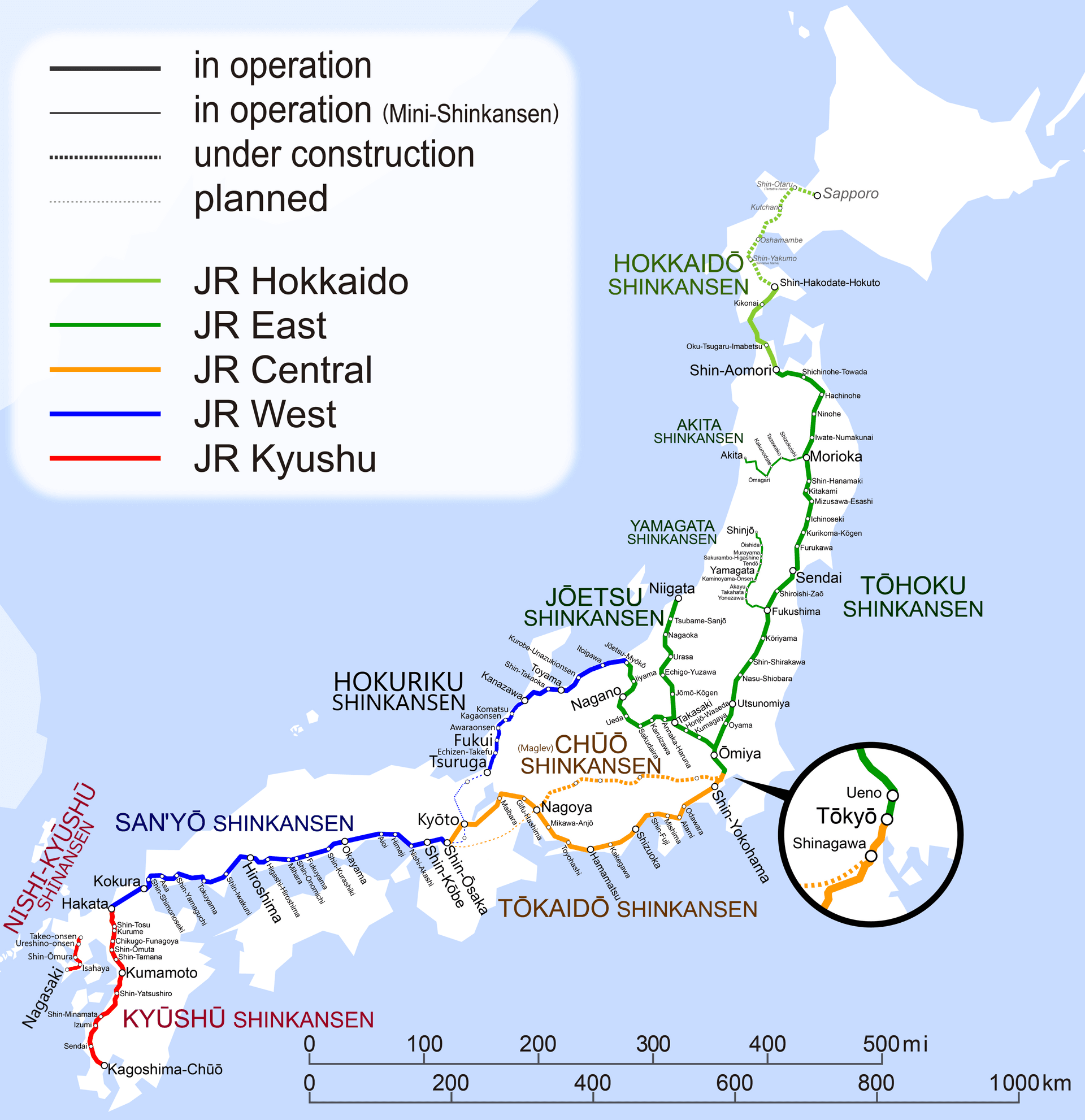
- Covers JR trains nationwide, including Shinkansen (except Nozomi)
- Includes some JR buses and ferries
- Must purchase exchange order before arriving in Japan
- Valid for consecutive days only from first use
IC Card Options
IC cards provide pay-as-you-go convenience for local transportation across Japan. These rechargeable cards work on trains, subways, and buses:
- Suica (Tokyo), Icoca (Osaka/Kyoto), Pasmo, Kitaca - Regional cards
- Welcome Suica - Tourist version available at airports
- Works nationwide on most trains, subways, and buses
- Can be used for vending machines and some stores
- Deposit refundable when returning card (except Welcome Suica)
Cost Comparison Scenarios
The value of each option depends entirely on your specific itinerary. Here are common scenarios to help you decide:
- Tokyo-Kyoto round trip: ~¥28,000 (JR Pass pays off with one more trip)
- Tokyo-Osaka round trip: ~¥28,000 (similar to Kyoto)
- Single city exploration: IC card more economical (¥2,000-¥5,000 typical)
- Golden Route (Tokyo-Kyoto-Osaka): 7-day JR Pass usually saves money
- Regional travel: Consider regional passes instead of nationwide JR Pass
When to Choose Each Option
Your travel style and itinerary should determine which system works best for your needs:
- Choose JR Pass if: Multiple long-distance Shinkansen trips within 7-14 days
- Choose IC card if: Staying in one city or making short regional trips
- Use both if: JR Pass for long distances, IC card for local transport
- Consider regional passes: JR East, JR West, Kansai Thru Pass for specific areas
- Calculate costs: Use online calculators to compare for your exact itinerary
Many travelers benefit from using both systems strategically—JR Pass for major long-distance journeys and IC cards for daily local transportation. Remember that the JR Pass doesn't cover private railways like the Keisei line to Narita Airport or the Kintetsu line to Nara, so you'll need IC cards or separate tickets for these routes. The key is to calculate your expected costs based on your specific itinerary before purchasing passes. When in doubt, start with an IC card and add a JR Pass only if your plans justify the expense. This approach ensures you're not paying for transportation capacity you won't use.
Stay Connected in Japan
Yesim eSIMs work on arrival — no physical SIM needed. Japan data plans from $5.