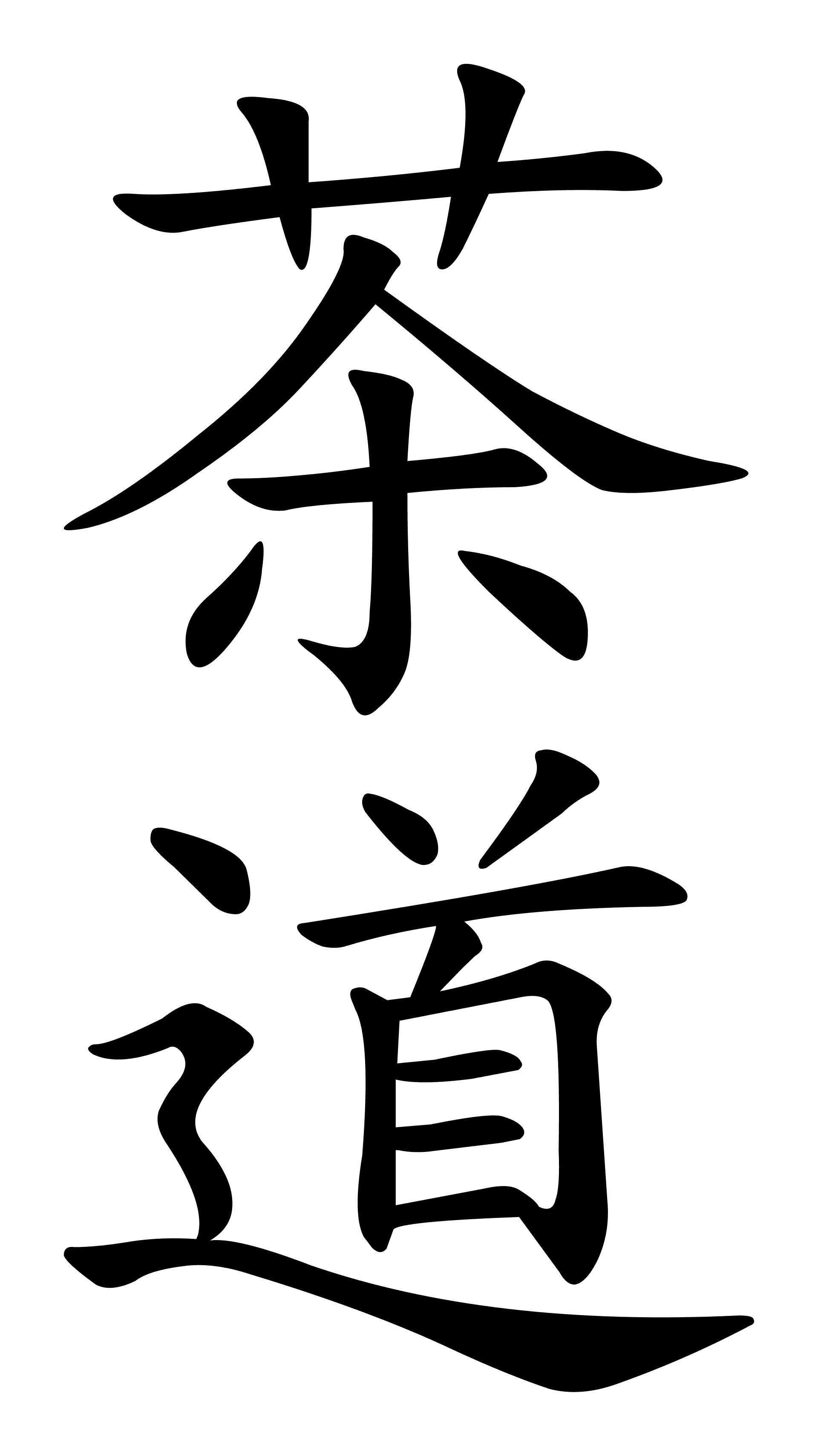
The Japanese tea ceremony (茶道 — sadō) is more than drinking tea — it's a meditative art form with 500 years of history. Here's everything you need to know.
The Japanese tea ceremony (茶道 — sadō) is more than drinking tea — it's a meditative art form with 500 years of history. Here's everything you need to know.
What Is the Tea Ceremony?
The tea ceremony is a traditional Japanese ritual of preparing and serving matcha (powdered green tea). It's governed by four principles:
| Principle | Japanese | Meaning |
|---|
| Harmony | 和 (wa) | Between guests, host, and nature |
| Respect | 敬 (kei) | For all participants |
| Purity | 清 (sei) | Physical and spiritual cleanliness |
| Tranquility | 寂 (jaku) | Inner peace |
History
| Period | Development |
|---|
| 9th century | Tea introduced from China |
| 12th century | Matcha preparation refined |
| 15th century | Sen no Rikyū codified the ceremony |
| 16th century | Wabi-cha style established |
| Today | Preserved as cultural heritage |
Types of Tea Ceremony
Chaji (茶事) — Full Formal Ceremony
| Detail | Info |
|---|
| Duration | 4 hours |
| Courses | Multiple (kaiseki meal + sweets + tea) |
| Guests | 4–5 people |
| Setting | Formal tea room |
| Price | ¥20,000–50,000 |
| Best for | Deep cultural immersion |
Chakai (茶会) — Informal Gathering
| Detail | Info |
|---|
| Duration | 1–2 hours |
| Courses | Sweets + tea only |
| Guests | Varies |
| Setting | Tea room or hall |
| Price | ¥3,000–8,000 |
| Best for | Tourists, first-timers |
Quick Experience
| Detail | Info |
|---|
| Duration | 30–60 minutes |
| Courses | 1 bowl of matcha |
| Guests | Individual |
| Setting | Tourist-friendly venue |
| Price | ¥1,500–3,000 |
| Best for | Short time, casual interest |
Where to Experience
Tokyo
| Venue | Type | Price | Notes |
|---|
| Happo-en Garden | Traditional | ¥4,000–6,000 | Beautiful garden setting |
| Camellia Tea Ceremony | English-friendly | ¥3,000–5,000 | Recommended for tourists |
| Maikoya | Tourist-friendly | ¥3,000–5,000 | Multiple locations |
| Urasenke Tokyo | Major school | ¥5,000–10,000 | Authentic, formal |
Kyoto
| Venue | Type | Price | Notes |
|---|
| Camellia Garden | Authentic, English | ¥3,000–5,000 | Highly recommended |
| En Tea Ceremony | Traditional | ¥4,000–6,000 | Near Gion |
| Urasenke Kyoto | Head school | ¥5,000–15,000 | Most authentic |
| Temple workshops | Various | ¥2,000–5,000 | At temples |
What to Expect
The Ritual
- Enter the tea room — bow at the entrance (nijiriguchi)
- Admire the room — scroll, flower arrangement, utensils
- Receive sweets — wagashi (Japanese confection)
- Watch preparation — host prepares matcha with precise movements
- Receive the bowl — bow, rotate, drink
- Admire the bowl — appreciate its beauty
- Return the bowl — place it in front of you
- Thank the host — "otemae chodai itashimasu"
Etiquette
| Rule | Why |
|---|
| Bow when entering | Respect the space |
| Eat sweets first | Balances the bitter tea |
| Rotate the bowl | Show respect to the host |
| Drink in 3 sips | Traditional way |
| Admire the bowl | Part of the experience |
| Don't touch the rim | Considered unclean |
| Wipe the bowl | Where you drank (with fingers) |
| Thank the host | Essential politeness |
What to Wear
- Modest clothing — avoid revealing outfits
- White socks — required (no bare feet on tatami)
- Remove jewelry — if possible
- No strong perfume — interferes with tea aroma
The Tea
Matcha
| Type | Description |
|---|
| Ceremonial grade | Highest quality, vibrant green |
| Culinary grade | Lower quality, for cooking |
| Preparation | Whisked with bamboo whisk (chasen) |
| Temperature | 80°C (176°F) |
| Taste | Bitter, umami, vegetal |
Wagashi (Sweets)
| Type | Description |
|---|
| Namagashi | Fresh, seasonal sweets |
| Higashi | Dry, pressed sugar sweets |
| Purpose | Balance the bitter tea |
| Artistry | Beautiful, seasonal designs |
The Utensils
| Utensil | Japanese | Purpose |
|---|
| Tea bowl | 茶碗 (chawan) | Holds the tea |
| Bamboo whisk | 茶筅 (chasen) | Whisks the tea |
| Bamboo scoop | 茶杓 (chashaku) | Scoops the tea |
| Tea caddy | 茶入 (chaire) | Stores the tea |
| Kettle | 湯釜 (kama) | Heats the water |
| Silk cloth | 帛布 (fukusa) | Cleans utensils |
Tea Schools
| School | Founded | Style |
|---|
| Urasenke | 17th century | Most popular, international |
| Omotesenke | 17th century | Conservative, traditional |
| Mushakojisenke | 17th century | Smaller, refined |
Tips
- Book in English — most tourist experiences offer English
- Arrive 10 minutes early — respect the schedule
- Follow the host's lead — they'll guide you
- Don't worry about mistakes — hosts are understanding
- Try wagashi — they're part of the experience
- Ask questions — hosts love sharing knowledge
- Buy matcha — take some home to recreate the experience
- Visit a tea shop — Uji (Kyoto) is tea country
- Combine with temple visit — many temples offer tea ceremony
- Take photos — but only if permitted