
Best Summer Festivals in Japan: Matsuri Season Guide
By Tour in Japan editors · Updated
Experience Japan's vibrant summer festival season. Discover famous matsuri, fireworks displays, and cultural celebrations that make Japanese summers unforgettable.
Japanese summer festivals (matsuri) represent some of the country's most vibrant and accessible cultural experiences. From neighborhood celebrations to massive events drawing millions, summer festivals offer music, dance, food, and community spirit that welcome visitors. The season typically runs from July through September, with peak activity during August's Obon period. Whether you're seeking traditional culture, energetic nightlife, or family-friendly fun, Japan's summer festivals provide unforgettable experiences.
Gion Matsuri: Kyoto's Premier Festival
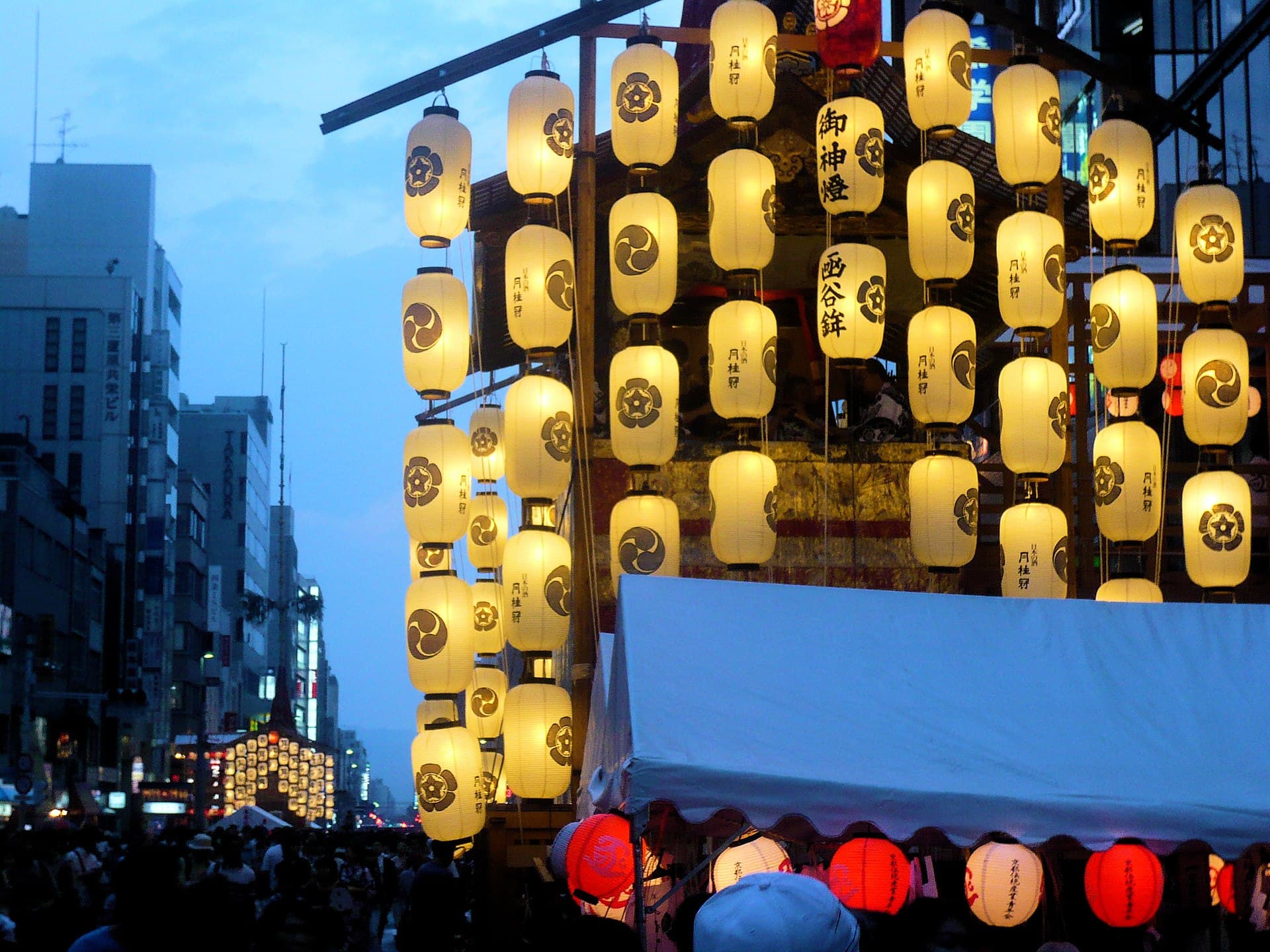
Gion Matsuri, held throughout July in Kyoto, is perhaps Japan's most famous festival. The highlight is the Yamaboko Junko procession on July 17th, featuring massive, elaborately decorated floats called hoko and yama that are pulled through the streets by hand. These floats, some weighing tons, represent different neighborhoods and are considered moving works of art.
The festival's precursor events include the Yoiyama evenings on July 16th and 23rd, when the floats are displayed and streets closed to traffic, creating a festive atmosphere with food stalls and music. Visitors can explore the floats up close and even enter some for a fee. The festival dates back over 1,000 years, making it one of Japan's oldest continuous celebrations.
Awa Odori: Japan's Largest Dance Festival
Awa Odori in Tokushima (Shikoku) is Japan's largest dance festival, held August 12-15th. Over a million dancers and spectators fill the streets for this energetic celebration of traditional dance. The simple, repetitive dance steps are easy to learn, and visitors are encouraged to join in. Groups called ren dance through the streets to traditional music played on shamisen, drums, and flutes.
The festival's origins date to 1587 when the feudal lord hosted a drunken celebration that evolved into organized dance. Today, the festival maintains that spirit of joyful abandon. Different dance troupes have their own costumes and styles, from traditional to contemporary. The atmosphere is incredibly welcoming, with locals eager to teach visitors the basic steps.
Summer Fireworks (Hanabi)
Fireworks displays (hanabi) are a quintessential Japanese summer experience, with major shows held across the country from July to September. Unlike Western fireworks focused on noise and spectacle, Japanese hanabi emphasize artistic beauty and color. Shows can last over two hours and feature incredibly sophisticated pyrotechnics.
The Sumida River Fireworks Festival in Tokyo is among the most famous, drawing nearly a million spectators. Other major displays include the Nagaoka Festival Fireworks in Niigata and the Lake Biwa Great Fireworks Festival. Many people attend in yukata (summer kimono) and sit on blue tarps laid out hours in advance. The combination of beautiful fireworks, summer atmosphere, and community spirit creates magical evenings.
Obon: Honoring Ancestral Spirits
Obon, typically held in mid-August, is a Buddhist festival honoring ancestral spirits. Families clean graves, visit temples, and light bonfires to guide spirits home. The festival culminates in toro nagashi (floating lantern) ceremonies where paper lanterns are released into rivers, symbolizing the spirits' return to the other world.
Many communities hold bon odori (folk dances) during Obon, where people dance around a yagura (elevated platform) to traditional music. These dances vary by region and are often simple enough for visitors to join. Obon is a more solemn but still festive occasion, offering insight into Japanese spiritual traditions and family values.
Regional and Local Festivals
Beyond the famous festivals, countless local matsuri celebrate community traditions, shrines, or seasonal events. These smaller festivals often provide more intimate experiences and opportunities to interact with locals. Neighborhood festivals might feature portable shrines (mikoshi) carried through streets, food stalls, local performances, and games.
Summer is also the season for nebuta festivals in northern Japan, featuring elaborate paper lantern floats. The Tanabata Star Festival in July celebrates the meeting of celestial lovers with colorful decorations and wishes written on paper. Exploring regional festivals provides deeper understanding of Japan's diverse local cultures.
Stay Connected in Japan
Yesim eSIMs work on arrival — no physical SIM needed. Japan data plans from $5.