
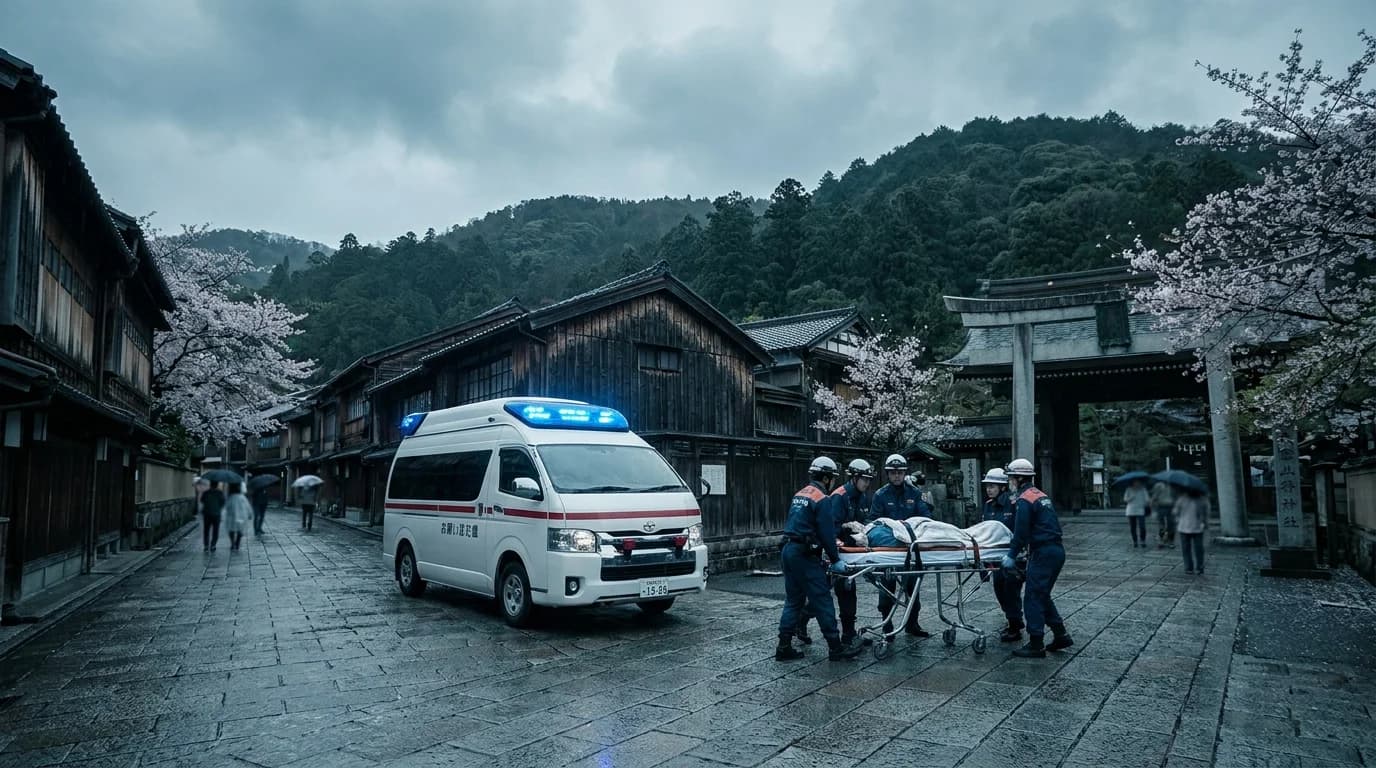
Japan Medical Emergency
By Tour in Japan editors · Updated
Learn how to handle medical emergencies in Japan with English-speaking hospitals and emergency care.
Introduction to Japan Medical Emergency
If you are traveling to Japan, it is essential to know what to do in case of a medical emergency. According to Metropolis Japan, there are several English-speaking hospitals and emergency care options available. This guide will help you navigate the Japanese healthcare system and provide you with the necessary information to handle medical emergencies. Who this is for: travelers to Japan who want to be prepared for any medical situation that may arise.
Japan has a well-organized healthcare system, and medical emergencies are handled promptly. However, it is crucial to know the basics of the system and what to expect. The primary keyword for this guide is Japan medical emergency, and we will cover the essential information you need to know.
Why It Matters Right Now
The Japanese government has been working to improve the country's healthcare system, including the availability of English-speaking medical staff. As reported by Metropolis Japan, this has led to an increase in the number of foreign visitors seeking medical attention in Japan. With the rising number of tourists and expats, it is more important than ever to be aware of the medical emergency procedures in Japan.
In addition to the improvements in the healthcare system, Japan is also prone to natural disasters such as earthquakes and tsunamis. Knowing what to do in case of an earthquake or tsunami is crucial for your safety. Metropolis Japan provides a comprehensive guide on how to prepare for and respond to these types of emergencies.
The Play: Step-by-Step
Here are the steps to follow in case of a medical emergency in Japan:
- Call for emergency services: Dial 110 for police or 119 for fire and ambulance services. If you are in a life-threatening situation, call 119 immediately. It is essential to know that the emergency services in Japan are equipped to handle foreign visitors, and many operators speak some English. However, it is still a good idea to have a translation app or dictionary handy to help communicate your location and situation. When calling 119, be prepared to provide the following information:
- Your location (including the city, ward, and nearest intersection)
- A brief description of your emergency
- Your name and contact information
- Go to an English-speaking hospital: There are several English-speaking hospitals in major cities like Tokyo and Osaka. You can find a list of these hospitals on the Metropolis Japan website. Some notable English-speaking hospitals in Tokyo include:
- St. Luke's International Hospital: Located in the heart of Tokyo, this hospital has a 24-hour emergency room and a team of English-speaking doctors. The hospital is equipped with state-of-the-art medical equipment and has a reputation for providing high-quality care.
- Tokyo Adventist Hospital: This hospital has a dedicated international department and offers a range of medical services, including emergency care. The hospital is located in the Shibuya area of Tokyo and has a team of English-speaking doctors and nurses.
- Red Cross Medical Center: This hospital has a 24-hour emergency room and a team of English-speaking doctors, and is located in the Shibuya area of Tokyo. The hospital is equipped with advanced medical equipment and has a reputation for providing high-quality care.
- Bring necessary documents: Make sure to bring your passport, health insurance card, and any relevant medical documents. It is also a good idea to have a list of your medications and any pre-existing medical conditions written down in Japanese, in case you are unable to communicate effectively. You should also bring a copy of your prescription medications and any relevant medical records.
- Be prepared to pay: Japan has a universal healthcare system, but you may still need to pay out-of-pocket for some medical services. Be prepared to pay with cash or credit card, and make sure you have enough money set aside for any unexpected medical expenses. The cost of medical care in Japan can vary depending on the hospital and the services required, but here are some approximate costs to expect:
- Doctor's consultation: ¥5,000-¥10,000 (around $45-$90 USD)
- Hospital stay: ¥20,000-¥50,000 per night (around $180-$450 USD)
- Emergency room visit: ¥10,000-¥20,000 (around $90-$180 USD)
- Follow up with your insurance provider: If you have travel insurance, be sure to follow up with your provider to see if you are covered for any medical expenses. Some insurance providers may require you to pay upfront and then reimburse you later, so make sure you understand the process and have all the necessary documents.
Each step is crucial in ensuring that you receive the necessary medical attention in case of an emergency. By following these steps, you can minimize the risk of complications and ensure a smooth recovery.
Tools You Will Need
The following tools can help you navigate the Japanese healthcare system:
- Google Translate: A translation app that can help you communicate with medical staff. The app can translate text, speech, and even images, making it an essential tool for navigating the Japanese healthcare system.
- Japan National Tourism Organization: A website that provides information on English-speaking hospitals and medical services. The website also offers a range of resources and guides for travelers, including information on emergency procedures and medical care.
- Metropolis Japan: A website that provides information on medical emergencies and healthcare in Japan. The website offers a range of resources and guides, including a list of English-speaking hospitals and medical services.
- Japanese phrasebook: A phrasebook that can help you communicate with medical staff and navigate the healthcare system. The phrasebook includes a range of useful phrases and vocabulary, including words and phrases related to medical emergencies and healthcare.
These tools can help you prepare for and respond to medical emergencies in Japan.
Real-World Example
Here is what this looks like in practice: Let's say you are traveling in Tokyo and suddenly experience severe chest pain. You call 119 and are taken to a nearby hospital, such as St. Luke's International Hospital. The hospital staff speaks some English, but you are still able to communicate with them using Google Translate. You are treated promptly and receive the necessary medical attention, including an ECG and blood tests. After being discharged from the hospital, you follow up with your insurance provider to see if you are covered for any medical expenses.
In this scenario, knowing what to do in case of a medical emergency and having the necessary tools and information can make a significant difference in the outcome. By being prepared, you can minimize the risk of complications and ensure a smooth recovery.
Let's take another example: Suppose you are traveling in Osaka and slip on a wet floor, injuring your ankle. You go to a nearby hospital, such as Osaka University Hospital, and are treated by an English-speaking doctor. The doctor diagnoses you with a sprained ankle and prescribes you some pain medication. You are able to communicate with the doctor using a translation app and are able to understand the treatment plan. After being discharged from the hospital, you follow up with your insurance provider to see if you are covered for any medical expenses.
In both of these scenarios, having the necessary tools and information can make a significant difference in the outcome. By being prepared, you can minimize the risk of complications and ensure a smooth recovery.
Caveats
While Japan has a well-organized healthcare system, there are some caveats to be aware of:
- Not all medical staff speak English, so it is essential to have a translation app or dictionary handy.
- Some medical services may not be covered by your insurance, so be sure to check with your provider beforehand.
- Japan is prone to natural disasters, so it is crucial to be prepared for emergencies such as earthquakes and tsunamis.
- The Japanese healthcare system can be complex, so it is essential to have a good understanding of how it works and what to expect.
By being aware of these caveats, you can better prepare yourself for any medical situation that may arise in Japan.
Action Items
- Sign up for a translation app such as Google Translate to help you communicate with medical staff.
- Research English-speaking hospitals and medical services in your area.
- Make sure to have the necessary documents and insurance information readily available.
- Consider purchasing travel insurance that covers medical expenses.
- Learn some basic Japanese phrases, such as "koko ga itai" (my [body part] hurts) and "kyūkyūsha wa doko ni arimasu ka" (where is the emergency room).
Step-by-Step Guide to Using Google Translate in a Medical Emergency
Here is a step-by-step guide to using Google Translate in a medical emergency:
- Download the Google Translate app: Make sure you have the Google Translate app downloaded on your phone or device.
- Open the app: Open the Google Translate app and select the language you want to translate from and to.
- Type in your message: Type in your message or question, such as "I have chest pain" or "Where is the emergency room?"
- Translate the message: The app will translate your message into the selected language.
- Show the translation to the medical staff: Show the translation to the medical staff, who can then respond in their native language.
- Use the conversation mode: Use the conversation mode to have a back-and-forth conversation with the medical staff.
By following these steps, you can use Google Translate to communicate with medical staff in a medical emergency.
Step-by-Step Guide to Researching English-Speaking Hospitals and Medical Services
Here is a step-by-step guide to researching English-speaking hospitals and medical services:
- Search online: Search online for English-speaking hospitals and medical services in your area.
- Check the hospital's website: Check the hospital's website to see if they have an English-speaking staff and what services they offer.
- Check reviews: Check reviews from other patients to see what their experience was like.
- Make a list: Make a list of the hospitals and medical services that meet your criteria.
- Keep the list handy: Keep the list handy in case of a medical emergency.
By following these steps, you can research English-speaking hospitals and medical services and be prepared in case of a medical emergency.
Conclusion
In conclusion, knowing what to do in case of a medical emergency in Japan is crucial for your safety and well-being. By following the steps outlined in this guide and being prepared, you can minimize the risk of complications and ensure a smooth recovery. For more information on Japan medical emergency and other travel-related topics, visit /newsletter for weekly updates.
It is also essential to stay informed about the latest developments in the Japanese healthcare system and any changes to medical emergency procedures. By staying up-to-date and being prepared, you can ensure a safe and enjoyable trip to Japan.
Additionally, consider taking a first aid course or learning about basic medical procedures, such as CPR and wound care. This can help you respond to medical emergencies effectively and minimize the risk of complications.
By following these tips and being prepared, you can minimize the risk of medical emergencies and ensure a safe and enjoyable trip to Japan. Remember to always prioritize your health and safety, and don't hesitate to seek medical attention if you need it.
In the event of a medical emergency, stay calm and follow the steps outlined in this guide. Remember to have your necessary documents and insurance information readily available, and don't hesitate to ask for help if you need it. By being prepared and staying informed, you can ensure a safe and enjoyable trip to Japan.
Additional Resources
For more information on medical emergencies and healthcare in Japan, check out the following resources:
- Metropolis Japan: A website that provides information on medical emergencies and healthcare in Japan.
- Japan National Tourism Organization: A website that provides information on English-speaking hospitals and medical services.
- Japanese Ministry of Health, Labour and Welfare: A website that provides information on the Japanese healthcare system and medical emergency procedures.
These resources can provide you with more information and help you prepare for any medical situation that may arise in Japan.
Frequently Asked Questions
Here are some frequently asked questions about medical emergencies in Japan:
- Q: What is the emergency number in Japan?
A: The emergency number in Japan is 119 for fire and ambulance services, and 110 for police services.
- Q: Do I need to speak Japanese to receive medical care in Japan?
A: While it is helpful to speak some Japanese, many medical staff in Japan speak some English, and you can also use a translation app or dictionary to communicate.
- Q: Can I use my credit card to pay for medical services in Japan?
A: Yes, many hospitals and medical services in Japan accept credit cards, but it is always a good idea to have some cash on hand as well.
- Q: Do I need to have health insurance to receive medical care in Japan?
A: While it is not required to have health insurance to receive medical care in Japan, it is highly recommended to have some form of health insurance to cover any unexpected medical expenses.
By knowing the answers to these frequently asked questions, you can be better prepared for any medical situation that may arise in Japan.
Final Tips
Here are some final tips for handling medical emergencies in Japan:
- Stay calm and follow the steps outlined in this guide.
- Have your necessary documents and insurance information readily available.
- Don't hesitate to ask for help if you need it.
- Consider purchasing travel insurance that covers medical expenses.
- Learn some basic Japanese phrases, such as "koko ga itai" (my [body part] hurts) and "kyūkyūsha wa doko ni arimasu ka" (where is the emergency room).
By following these tips and being prepared, you can minimize the risk of medical emergencies and ensure a safe and enjoyable trip to Japan.
Stay Connected in Japan
Yesim eSIMs work on arrival — no physical SIM needed. Japan data plans from $5.