
Hiroshima Atomic Bomb History: Understanding the Past
By Tour in Japan editors · Updated
Explore Hiroshima's atomic bomb history with respect and understanding. Visit the Peace Memorial Park, museum, and learn about the events of August 6, 1945.
Hiroshima's atomic bomb history represents one of the most significant events of the 20th century, a moment that changed the course of world history and continues to resonate today. The city's transformation from the target of the first atomic bombing to a symbol of peace offers profound lessons about war, resilience, and hope. Visiting Hiroshima's memorial sites provides an opportunity to understand this history deeply while honoring those who suffered. This guide approaches the subject with appropriate respect and provides context for meaningful engagement with this important history.
The Events of August 6, 1945
At 8:15 AM on August 6, 1945, the American B-29 bomber Enola Gay dropped "Little Boy," the first atomic weapon used in warfare, on Hiroshima. The bomb detonated approximately 600 meters above the city, creating a blast equivalent to 15,000 tons of TNT. The immediate destruction killed approximately 70,000 people, with tens of thousands more dying in the following months from injuries and radiation sickness.
Hiroshima was chosen as a target due to its military significance and the concentration of military facilities and industry. The city's flat terrain made it ideal for assessing the bomb's destructive power. The bombing occurred during World War II's final months, as Allied forces advanced toward Japan. The historical context of this decision remains complex and continues to be studied by historians and ethicists.
Peace Memorial Park and Museum
Hiroshima Peace Memorial Park occupies the area north of the hypocenter, once the city's busiest commercial district. The park contains numerous monuments and memorials, each telling part of the story. The Cenotaph for the Atomic Bomb Victims holds the names of all known victims, with space for adding names as more are identified. The Flame of Peace will burn until all nuclear weapons are eliminated.
The Peace Memorial Museum provides comprehensive exhibits about the bombing, its aftermath, and the ongoing pursuit of nuclear disarmament. Personal belongings, photographs, and testimonies humanize the statistics. The museum presents multiple perspectives, including the historical context that led to the bombing and the ongoing debate about nuclear weapons. This is emotionally challenging but essential viewing.
The Atomic Bomb Dome
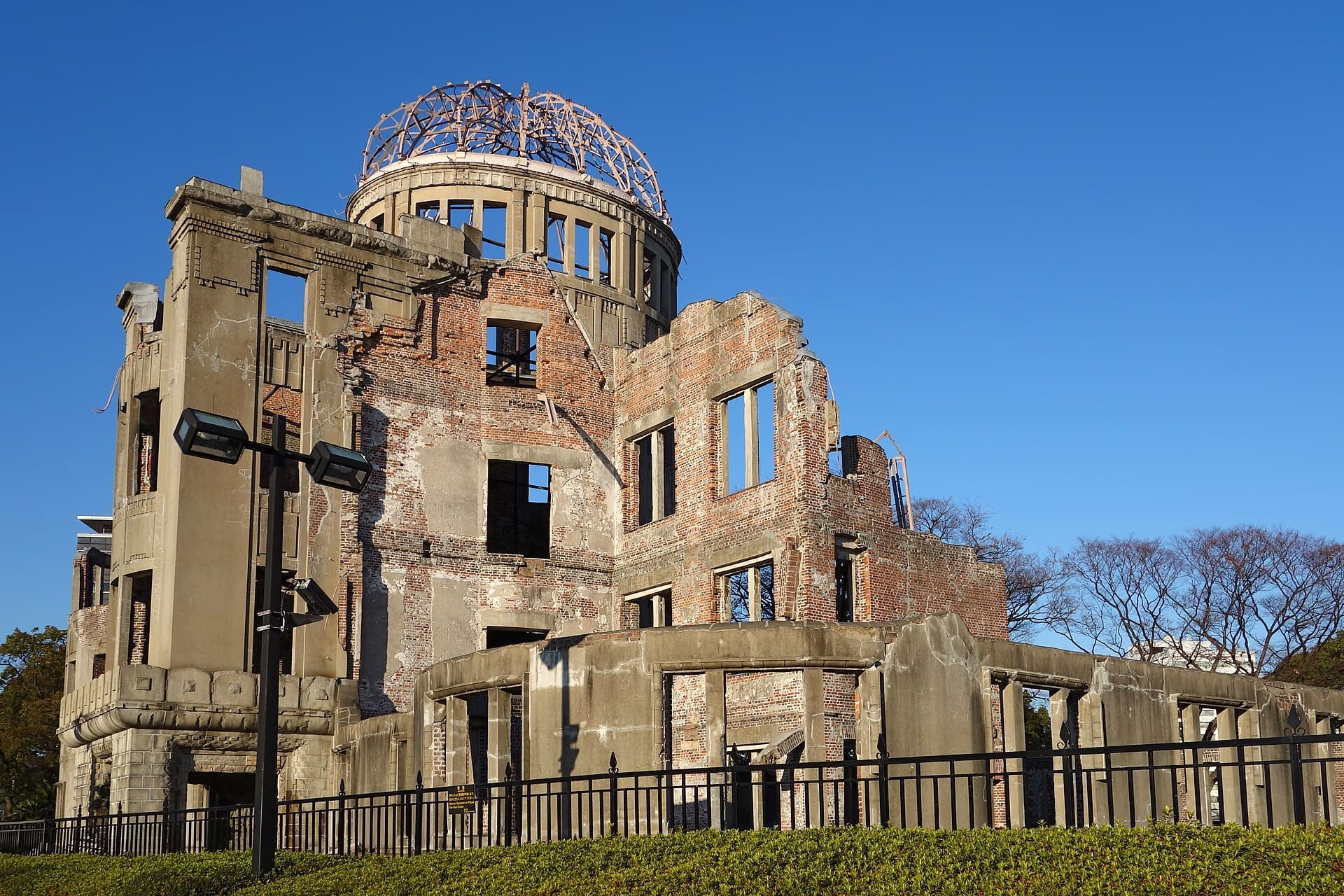
The Atomic Bomb Dome (Genbaku Dome) is the ruins of the Hiroshima Prefectural Industrial Promotion Hall, located almost directly beneath the bomb's hypocenter. The building's remarkable survival made it a powerful symbol of the bombing's destructive force. Designated a UNESCO World Heritage Site in 1996, the dome stands as a testament to the importance of peace and the horrors of nuclear war.
The dome can be viewed from outside the park, providing a striking contrast between the preserved ruins and the modern city that has grown around it. The building's skeletal remains, particularly its distinctive dome, have become one of the world's most recognizable symbols of nuclear destruction and peace.
Survivor Stories and Testimony
Hibakusha (atomic bomb survivors) have dedicated their lives to sharing their experiences and advocating for peace. Many give talks at the Peace Memorial Museum and other venues. Their personal testimonies provide irreplaceable perspectives on the bombing's human cost. As survivors age, recording and preserving their stories becomes increasingly urgent.
The museum's oral history archives contain hundreds of survivor testimonies. These stories range from those who experienced the blast directly to subsequent generations affected by radiation and social stigma. Listening to these voices connects visitors to the human reality behind historical facts and statistics.
Hiroshima Today: City of Peace
Modern Hiroshima is a vibrant city of over a million people that has rebuilt itself as a "City of Peace." The city actively promotes peace education and nuclear disarmament. Mayors for Peace, an international organization founded by Hiroshima's mayor, advocates for the abolition of nuclear weapons worldwide. The city's identity is deeply connected to its history while looking toward a peaceful future.
Visiting Hiroshima offers an opportunity to reflect on war's consequences and peace's importance. The city balances memorialization with forward-looking initiatives, creating a space where history informs present and future actions. This dual focus on remembering and working toward peace makes Hiroshima unique among world heritage sites.
Stay Connected in Japan
Yesim eSIMs work on arrival — no physical SIM needed. Japan data plans from $5.