Fuji Five Lakes Guide: Kawaguchiko, Saiko and Yamanakako
A guide to the Fuji Five Lakes in Yamanashi, covering Kawaguchiko, Yamanakako, Saiko, Shojiko and Motosuko, with Mount Fuji views, hot springs and museums.
Affiliate link — we may earn a commission at no extra cost to you. Affiliate disclosure
The Fuji Five Lakes are Yamanakako, Kawaguchiko, Saiko, Shojiko and Motosuko in Yamanashi. Kawaguchiko is the easiest to reach, and its ropeway reaches the viewpoint in three minutes on a 460-metre cable.
Key facts
- Cost: The lakes and shores are free; the ropeway and sightseeing buses are paid.
- Time needed: A full day for Kawaguchiko; two for the quieter western lakes.
- Best season: October to February for clear air and the snow cap.
- Book ahead: Buses and trains from Tokyo in autumn, when leaf season fills them.
- Watch out for: Summer haze. It usually hides the mountain.
Fuji Five Lakes Guide: Kawaguchiko, Saiko, Yamanakako and More
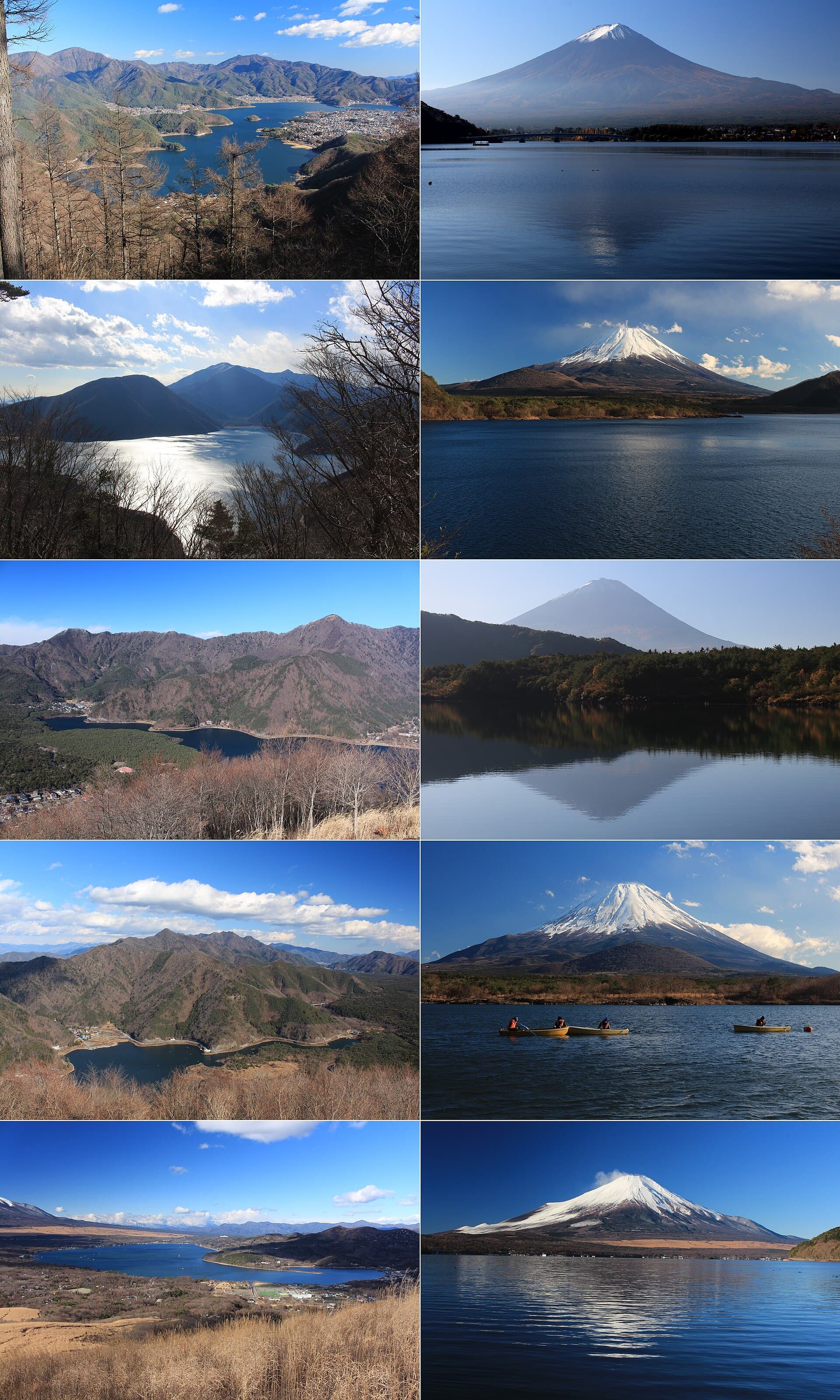
The Fuji Five Lakes (富士五湖) — Fujigoko — are a group of crater lakes in Yamanashi Prefecture offering some of Japan's finest views of Mount Fuji, along with hot springs, museums, water sports and hiking.
Overview of the Five Lakes
The Fuji Five Lakes are Yamanakako, Kawaguchiko, Saiko, Shojiko and Motosuko. They sit in southeastern Yamanashi Prefecture near the border with Shizuoka, and between them they offer recreational and cultural options in every season (Fuji Five Lakes Area, Travel Japan).
Quick Comparison
Lake | Known for |
|---|---|
Kawaguchiko | Easiest to reach from Tokyo; museums, hot springs, lakeside cruises and the ropeway up Mt Tenjo |
Yamanakako | Largest of the five; water sports, camping and the Yukio Mishima Literary Museum |
Saiko | Saiko Bat Cave, Saiko Iyashi no Sato Nenba, hiking and camping |
Shojiko | Smallest lake; Eboshi-dake Panorama Platform and "upside-down Fuji" reflections |
Motosuko | Deepest lake; the view used on the ¥1,000 note; camping and hiking |
Lake Kawaguchiko (河口湖)
Why Visit
- Easiest lake to reach from Tokyo, and the core of sightseeing in the Fujigoko area
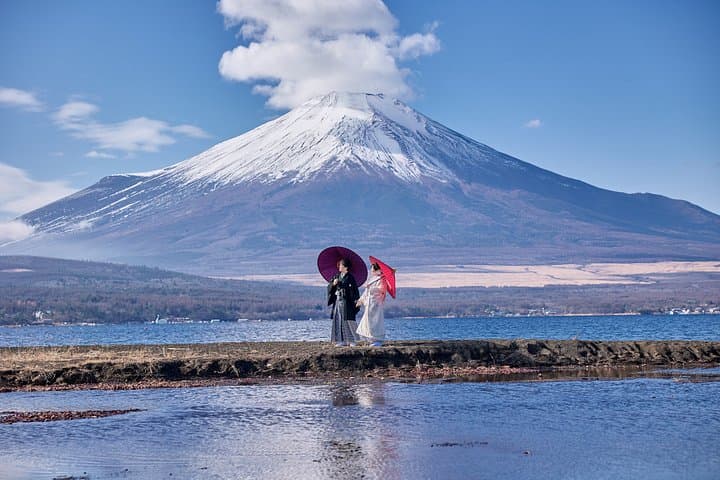
- On a still, clear day you can see a perfect mirror image of Mt. Fuji reflected in the lake
- Hot springs, good fishing, museums and plenty of attractions
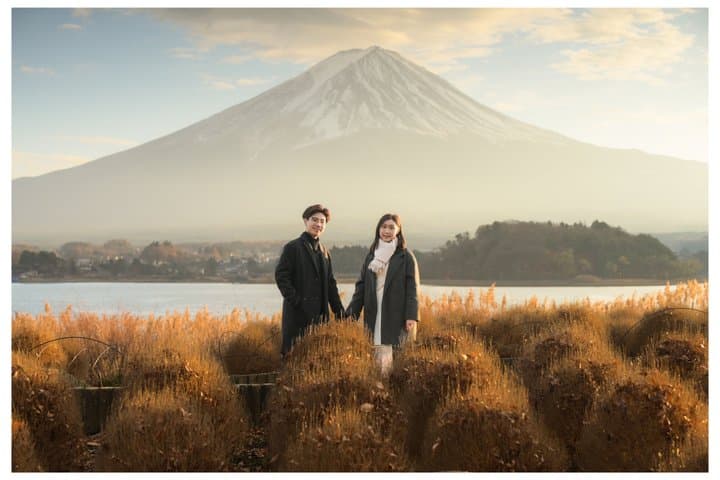
- The best views of Mt. Fuji come in the morning, as haze and clouds tend to build through the day — head to the north side of the lake early
Sources: Lake Kawaguchi, Travel Japan and the Explore the Fuji Five Lakes itinerary.
Top Things to Do
1. Kawaguchiko's north shore
The northern shore is where you'll find the lake's classic Fuji views, and it is also the setting for the Fuji-Kawaguchiko Cherry Blossom Festival in mid-April and the Fuji-Kawaguchiko Autumn Leaves Festival from 1 November through the month. Renting a bicycle or hopping on the bus is an easy way to visit the museums and galleries around the lake (Lake Kawaguchi, Travel Japan).
2. Mt. Fuji Panoramic Ropeway
The ropeway station is roughly a 15- to 20-minute walk from Kawaguchiko Station, or you can take the Omni Bus Red Line from the station and get off at the Yuransen Ropeway Iriguchi bus stop, 15 minutes away. The cable car takes three minutes to reach the top, the cable itself is 460 metres long, and each vehicle carries 36 passengers and is decorated with either a rabbit or a raccoon dog motif. The ride and the observation deck follow the Kachi-Kachi-Yama folktale. If you'd rather walk down, the hiking trail from the observation deck takes about 30 minutes. Check the current fare at the station before you go (Mt. Fuji Panoramic Ropeway, Travel Japan).
3. Oishi Park
Oishi Park is home to the Kawaguchiko Natural Living Center and has over 90 types of flowers, including lavender, that bloom at different times of year. From Kawaguchiko Station, take the Red Line Kawaguchiko Sightseeing Bus for about 30 minutes and get off at the Kawaguchiko Shizen Seikatsu-kan bus stop (Day Trips from Tokyo for Superb Views of Mt. Fuji).
4. Museums around the lake
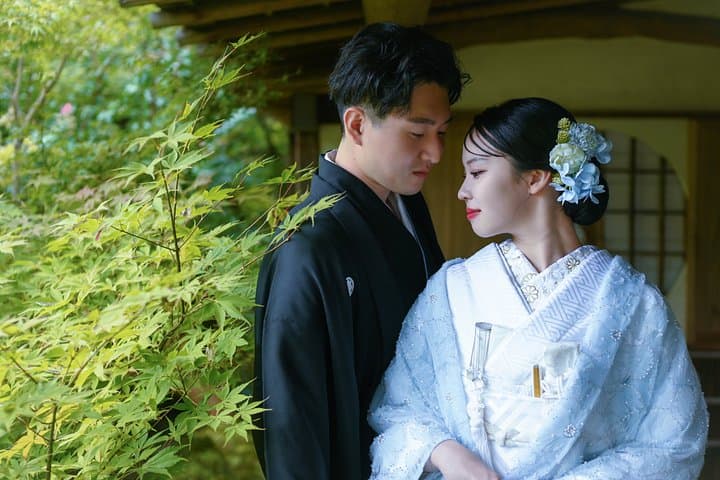
The Itchiku Kubota Art Museum is known for its kimono collection and traditional gardens; Kawaguchiko Art Museum houses works depicting Mt. Fuji; Kawaguchiko Music Forest specialises in musical instruments and is set in a European-style garden; and the Kawaguchiko Muse Museum displays the cotton dolls of Yuki Atae (Lake Kawaguchi, Travel Japan).
5. Chureito Pagoda
For the classic pagoda-in-front-of-Fuji shot, head to Chureito Pagoda inside Arakurayama Sengen Park. It has become one of the most sought-after photo spots in the Fujigoko area (Fuji Five Lakes Area, Travel Japan).
6. Hot springs and Fuji-Q Highland
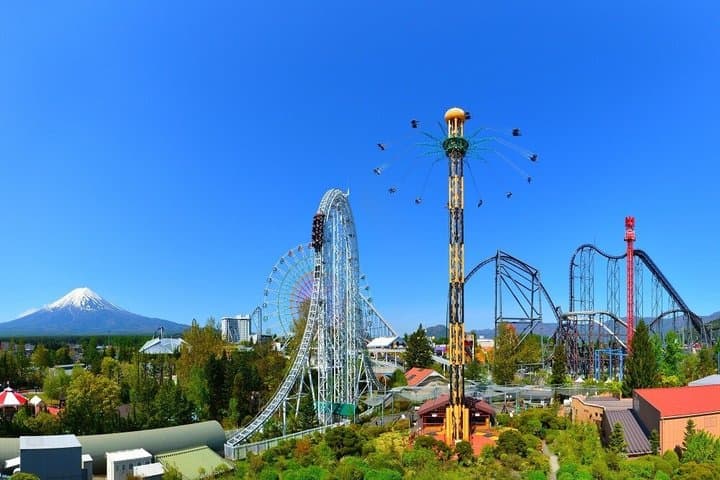
Kawaguchiko Kaiun no Yu is one of the area's onsen, and Fuji-Q Highland is an amusement park with roller coasters and Thomas Land (Fuji Five Lakes Area, Travel Japan). Fuji-Q Highland is at 5-6-1 Shin-Nishihara, Fujiyoshida, Yamanashi, and has a prayer room plus Muslim-friendly food and drinks at its food court (Day Trips from Tokyo).
Muslim travellers also have the Fujikawaguchiko Masjid, built in 2020 at 6713-17 Funatsu, Fujikawaguchiko-machi, with a café serving Muslim-friendly menus (Day Trips from Tokyo).
Where to Stay and Eat
Accommodation around Lake Kawaguchi ranges from hot spring hotels and ryokan to budget lodgings, and the area has restaurants, cafés and lakeside food options. Prices vary widely by season and room type, so check current rates and availability before booking rather than relying on any figure quoted elsewhere.
Lake Yamanakako (山中湖)
Why Visit
- Largest of the Fuji Five Lakes, and a good option for finding overnight accommodation, with a handful of hotels and inns in the area
- Hot springs on the western side of the lake with views of Mt. Fuji in the distance
- Boating, fishing, water skiing, windsurfing and other water sports, plus camping and tennis in the warmer months
- Home to the Yukio Mishima Literary Museum
Sources: Explore the Fuji Five Lakes itinerary and Fuji Five Lakes Area, Travel Japan.
Yamanakako Hananomiyako Kouen
This 300,000-square-metre flower garden at Lake Yamanaka has different flowers blooming from spring to autumn. JNTO's 2019 listing gives adult admission of ¥500 (16 April–15 October) and ¥300 (16 October–30 November), with free entry from 1 December to 15 March, and opening hours of 8:30–17:30 (16 April–15 October) and 9:00–16:30 (16 October–15 April); the garden closes on Tuesdays from 1 December to 15 March, except over the year-end and New Year holidays. Yamanashi's official travel guide describes the flower field itself as free, with a small fee for areas such as Seiryu no Sato, so check the park's official site before you go. To get there, ride the Fujikko bus from Fujisan Station and get off at the Hananomiyako-Koen bus stop (Yamanakako Hananomiyako Kouen, Travel Japan; Lake Yamanakako Hana no Miyako Park, Yamanashi).
Access
Lake Yamanakako is best accessed via Fujisan Station (Fuji Five Lakes Area, Travel Japan).
Lake Saiko (西湖)
Why Visit
- A great base for the hiking trails that run through the surrounding mountains
- Bordering Aokigahara Forest, with three caves accessible to tourists
- Camping, fishing and boating on the lake
Source: Explore the Fuji Five Lakes itinerary.
Top Things to Do
1. Saiko Bat Cave
A nationally designated Natural Monument, the cave opened to the public in April 1998 and has lava stalactites and a ropy-lava bed. Its branch caves bring the total length to 350 metres, the largest scale among the lava caves at the foot of Mt. Fuji. It is not very cool in summer and is warm in winter, which is why bats once used it for hibernation; a preservation area now sits at the back of the cave and bat numbers are slowly recovering. The address is 2068 Saiko, Fujikawaguchiko-machi, Minamitsuru-gun (Lake Saiko Bat Cave, Official Travel Guide Yamanashi).
2. Saiko Iyashi no Sato Nenba
This recreated village of thatched houses sits on the south side of Saiko and offers a beautiful natural landscape that changes with the seasons. Inside the village, Restaurant Satoyama serves a Muslim-friendly version of hoto, a hearty local dish of thick, flat noodles cooked with seasonal vegetables in a miso broth. You need to pay the entrance fee to enter the village, and there are handicraft experiences such as kaleidoscope-making, scent sachets, pottery and fabric painting, plus kimono experiences by advance reservation (Day Trips from Tokyo).
3. Narusawa Ice Cave and Fugaku Wind Cave
On the Lake Saiko side of Aokigahara, three caves have been equipped with pathways and stairs so you can enter without special equipment or guides. From early winter to mid-spring, large pillars of ice freeze inside the Narusawa Ice Cave, and centuries ago the Fugaku Wind Cave was used to store ice for the region. The two are about a 15-minute walk apart (Explore the Fuji Five Lakes itinerary).
4. Aokigahara Forest
Stretching across the northwest base of the mountain next to Lake Saiko, Aokigahara Forest grows on top of a lava plateau, with many hemlock and cypress trees over three centuries old. There are several walking paths and trails, but the forest is dense and easy to get lost in, so stick to the marked routes (Explore the Fuji Five Lakes itinerary).
5. Fujiten Snow Resort
For snow sports, Fujiten Snow Resort offers sledding, skiing and snowboarding (Fuji Five Lakes Area, Travel Japan).
Access
From Kawaguchiko Station, the easiest way to reach Lake Saiko is the Omni Bus Green Line. To reach Saiko Iyashi no Sato Nenba, take the Green Line and get off at the Saiko Iyashi-no-Sato Nenba (Guesthouse) bus stop, about 40 minutes from Kawaguchiko Station (Explore the Fuji Five Lakes itinerary; Day Trips from Tokyo).
Lake Shoji (精進湖)
Why Visit
- Smallest of the Fuji Five Lakes, bordering Aokigahara Forest
- Arguably the most gorgeous views of Mt. Fuji, from the northeastern bank
- Largely natural, with a few hotels on the north side
- Camping and hiking for the adventurous; cottages or "glamping" in a tipi for a more leisurely stay
Source: Explore the Fuji Five Lakes itinerary.
Photography
Shojiko has a great view from the Eboshi-dake Panorama Platform on the southwest side of the lake, and the reflected image of Mt. Fuji on the water here is known as the "upside-down Fuji" (Fuji Five Lakes Area, Travel Japan).
Lake Motosuko (本栖湖)
Why Visit
- Westernmost and deepest of the Fuji Five Lakes, at 121 metres deep, and the ninth deepest lake in Japan
- Part of Fuji-Hakone-Izu National Park
- The view used on the ¥1,000 note
- Windsurfing, canoeing, yachting, camping and hiking
Source: Lake Motosuko, Official Travel Guide Yamanashi.
The ¥1,000 Note View
The view of Mt. Fuji over the placid surface of Lake Motosuko has appeared on the ¥1,000 bill since 2004, based on a photograph shot in 1935. On the right day you may see Mt. Fuji reflected on the lake's surface — the "upside-down Fuji". You can enjoy the same view from the lake's north shore (Lake Motosuko, Official Travel Guide Yamanashi; Fuji Five Lakes Area, Travel Japan).
Around the Lake
Several campsites sit around the lake's 11.8-kilometre perimeter, and the lake is popular for windsurfing, canoeing and yachting. Camping, hiking and horseback riding are options in the warmer months, and the bright yellow cruise ship Moguran gives passengers a glass-bottom boat experience. From April through May, tulips bloom around the lake (Lake Motosuko, Official Travel Guide Yamanashi; Fuji Five Lakes Area, Travel Japan; Explore the Fuji Five Lakes itinerary).
Getting to the Fuji Five Lakes from Tokyo
By highway bus
Express highway buses run from Shinjuku Highway Bus Terminal (BUSTA Shinjuku, a two-minute walk from the New South Exit of Shinjuku Station) to Kawaguchiko Station. The one-way fare is ¥2,200 (2026) and the journey takes about 1 hour 45 minutes. Buses also run from Tokyo Station, departing from the JR Highway Bus Terminal at the Yaesu South Exit or the Tekko Building Bus Terminal at the Yaesu North Exit, for ¥2,300 one-way (2026). Timetables and fares change, so check the live price and schedule before booking (Bus Schedule to Kawaguchiko & Mt. Fuji, JNTO).
By train
Take a train from JR Shinjuku Station to JR Otsuki Station on the JR Chuo Line (about an hour), then change to the Fuji Kyuko Line for Kawaguchiko Station. The JR Rail Pass is not accepted on the Fuji Kyuko Line. The total journey takes about 2 hours 5 minutes (Lake Kawaguchi, Travel Japan; Explore the Fuji Five Lakes itinerary). Two direct limited express trains also depart each day from Shinjuku Station to Kawaguchiko Station, taking about 2 hours (Fuji-Hakone-Izu National Park, how to get there).
Getting Around the Lakes
Train and bus networks connect many of the attractions. In the Mount Fuji area, buses depart from Kawaguchiko Station and Fujisan Station, both on the Fujikyu Railway Line. These include the Omni Bus to lakes Saiko, Shojiko and Motosuko, the Fujikko Bus to spots including Lake Yamanakako, and the Mount Fuji World Heritage Loop Bus for the Kawaguchiko area (Fuji-Hakone-Izu National Park, how to get there).
For the Mt. Fuji 5th Station, a local bus runs from Fujisan Station and Kawaguchiko Station. The one-way fare is ¥1,950 and a round trip is ¥3,000 (2026), and no reservation is required. Local weather conditions, especially heavy snow in winter, can suspend the service, so check on the day (Bus Schedule to Kawaguchiko & Mt. Fuji, JNTO).
A rental car gives the most freedom for reaching the quieter lakes and the surrounding countryside (Fuji-Hakone-Izu National Park, how to get there).
Seasonal Guide
Season | Highlights |
|---|---|
Spring | Cherry blossom rings the lake, and the trees on the northern shore are illuminated at night for the Fuji-Kawaguchiko Cherry Blossom Festival in mid-April |
Summer | The Kawaguchiko Herb Festival, with purple lavender colouring sections of the shore from late June to the middle of July |
Autumn | The Fuji-Kawaguchiko Autumn Leaves Festival on the northern shore from 1 November through the month; the Momiji Corridor's prime season is around the beginning to middle of November |
Winter | The best time to see Mt. Fuji clearly |
Sources: Lake Kawaguchi, Travel Japan and Day Trips from Tokyo.
Suggested Itinerary
JNTO recommends three days for the Fuji Five Lakes, mixing outdoor recreation with leisure and relaxation (Explore the Fuji Five Lakes itinerary).
Day 1 — Lake Kawaguchi. Stay overnight near the lake and explore by day. Head to the north side early for the best views, ride the Mt. Fuji Panoramic Ropeway, then take the bus from Kawaguchiko Station to Oshino Hakkai (about 35 minutes), a collection of serene ponds surrounded by well-preserved dwellings with Mt. Fuji as a backdrop. From there, continue to Lake Yamanaka (about 15 minutes by bus) for a lakeside inn.
Day 2 — Lake Saiko. Take a bus from the Lake Yamanaka area to Lake Saiko, transferring at Kawaguchiko Station (about 1 hour 30 minutes in total). From Kawaguchiko Station, the Omni Bus Green Line runs to Saiko Iyashi no Sato Nenba (about 40 minutes). Continue to the Narusawa Ice Cave and Fugaku Wind Cave, and walk in Aokigahara Forest.
Day 3 — Lake Motosuko. Visit the westernmost lake for the ¥1,000-note view, and in April and May for the tulips.
Packing List
- [ ] Camera and tripod for reflection shots
- [ ] Binoculars
- [ ] Light layers — temperatures vary with elevation
- [ ] Rain jacket
- [ ] Comfortable walking shoes
- [ ] Cash, as some smaller places are cash-only
- [ ] Sunscreen
- [ ] Reusable water bottle
The Fuji Five Lakes offer an unforgettable perspective on Japan's most iconic mountain, with each lake providing its own experience.
Sources
Verified 2026-10-26.
Ready to explore Japan?
Browse tours and activities, or tell us what you're looking for and we'll suggest the best options.
Stay Connected in Japan
Airalo eSIMs work on arrival — no physical SIM needed. Data plans from $5 for 7 days.
Travel Insurance for Japan
Medical, trip cancellation, and adventure sports covered. Plans from $1.5/day.