
Best Castles in Japan
By Tour in Japan editors · Updated
Explore Japan's magnificent castle heritage. From original wooden structures to modern reconstructions, discover the history and architecture of Japanese castles.
Japanese castles represent some of the most distinctive and sophisticated fortification architecture in the world. Built primarily during the Warring States period and Edo era, these structures served as military strongholds, administrative centers, and symbols of power. While many original castles were destroyed during Japan's modernization, several originals survive alongside faithful reconstructions that offer insight into this fascinating aspect of Japanese history and engineering.
Original Castles (National Treasures)
Only twelve Japanese castles retain their original main keeps (tenshu), making these structures exceptionally rare and historically significant. These original structures offer the most authentic castle experience:
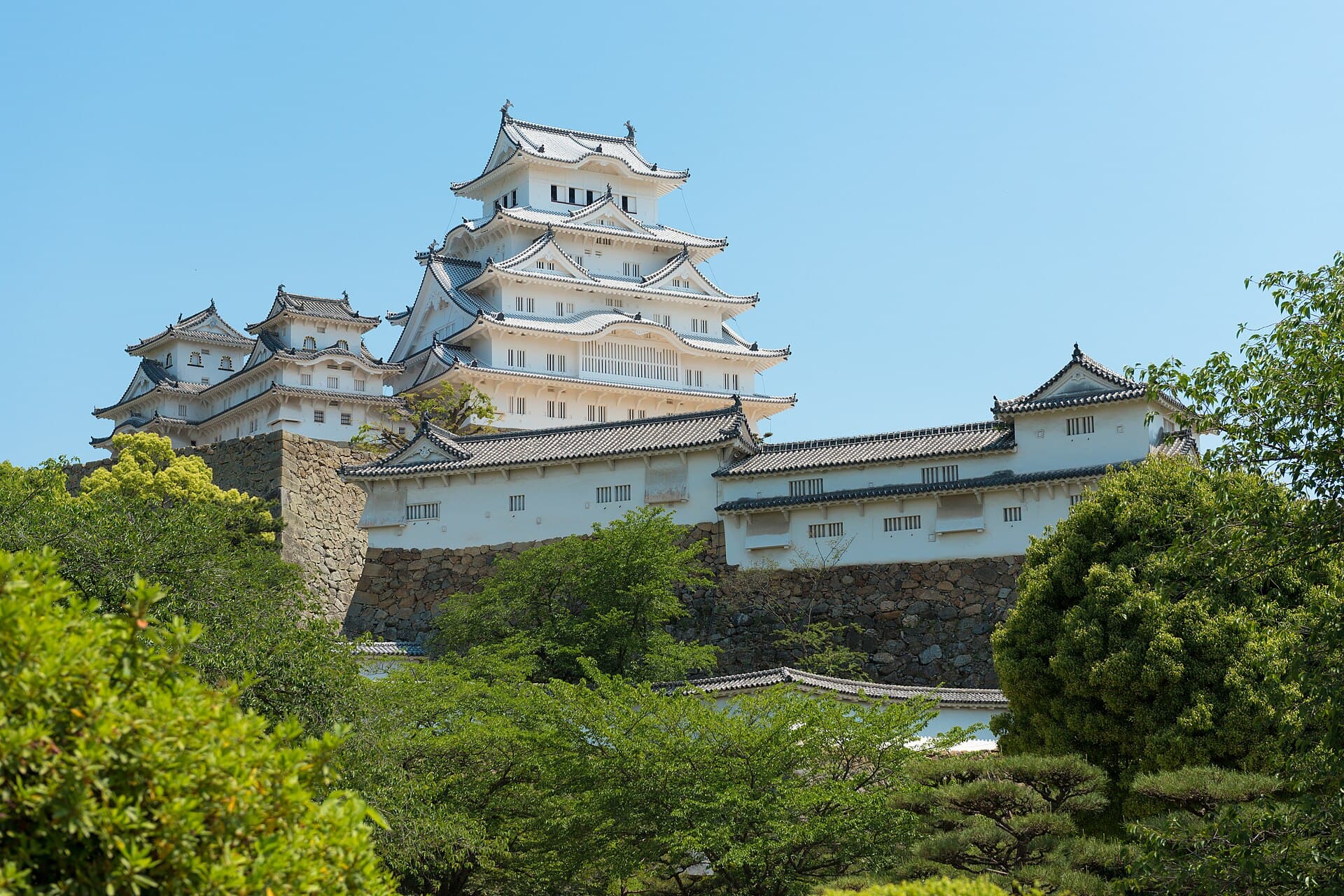
- Himeji Castle - The finest surviving example, known as White Heron Castle
- Matsumoto Castle - Stunning black exterior with beautiful mountain backdrop
- Kumamoto Castle - Massive fortification with impressive stone walls
- Inuyama Castle - Oldest surviving donjon, overlooking Kiso River
- Matsue Castle - One of few remaining on the original site with surrounding moat
Notable Reconstructions
Many Japanese castles have been reconstructed using traditional methods and materials. These reconstructions provide valuable insights into castle architecture while serving as important cultural landmarks:
- Osaka Castle - Iconic reconstruction with excellent museum inside
- Nagoya Castle - Reconstructed main keep with golden shachihoko roof ornaments
- Hiroshima Castle - Rebuilt after atomic bombing, now peace museum
- Odawara Castle - Reconstruction showcasing Edo-period defensive systems
- Kochi Castle - Only castle with original main tower and palace
Castle Architecture and Features
Japanese castle architecture developed unique features that distinguished it from other world castle traditions. Understanding these elements enhances appreciation of these remarkable structures:
- Stone walls - Curved Ishigaki walls designed for earthquake resistance
- Multi-story keeps - Wooden construction with interlocking beams
- Gabled roofs - Distinctive irimoya style with decorative elements
- Defensive systems - Complex layouts with multiple baileys and gates
- Hidden floors - Additional levels not visible from exterior
Best Times to Visit Castles
Japanese castles offer different experiences throughout the year, with each season providing unique photographic opportunities and atmospheric conditions:
- Cherry blossom season - Pink blossoms contrast with white castle walls
- Autumn foliage - Red and gold leaves frame castle architecture
- Winter - Snow-covered castles create magical scenes
- Early morning - Fewer crowds and better lighting for photography
- Festival periods - Special events and illuminations at many castles
When visiting Japanese castles, allow plenty of time to explore not just the main keep but also the surrounding grounds, walls, and defensive structures. Many castles feature excellent museums with historical artifacts and informative displays about castle life and construction. Wear comfortable shoes with good grip—stone steps can be steep and slippery. Consider visiting multiple castles to appreciate regional variations in architecture and history. Whether you're drawn by military history, architectural interest, or simply the dramatic beauty of these structures, Japan's castles offer a fascinating window into the country's feudal past and the remarkable engineering achievements of the era.
Stay Connected in Japan
Yesim eSIMs work on arrival — no physical SIM needed. Japan data plans from $5.