
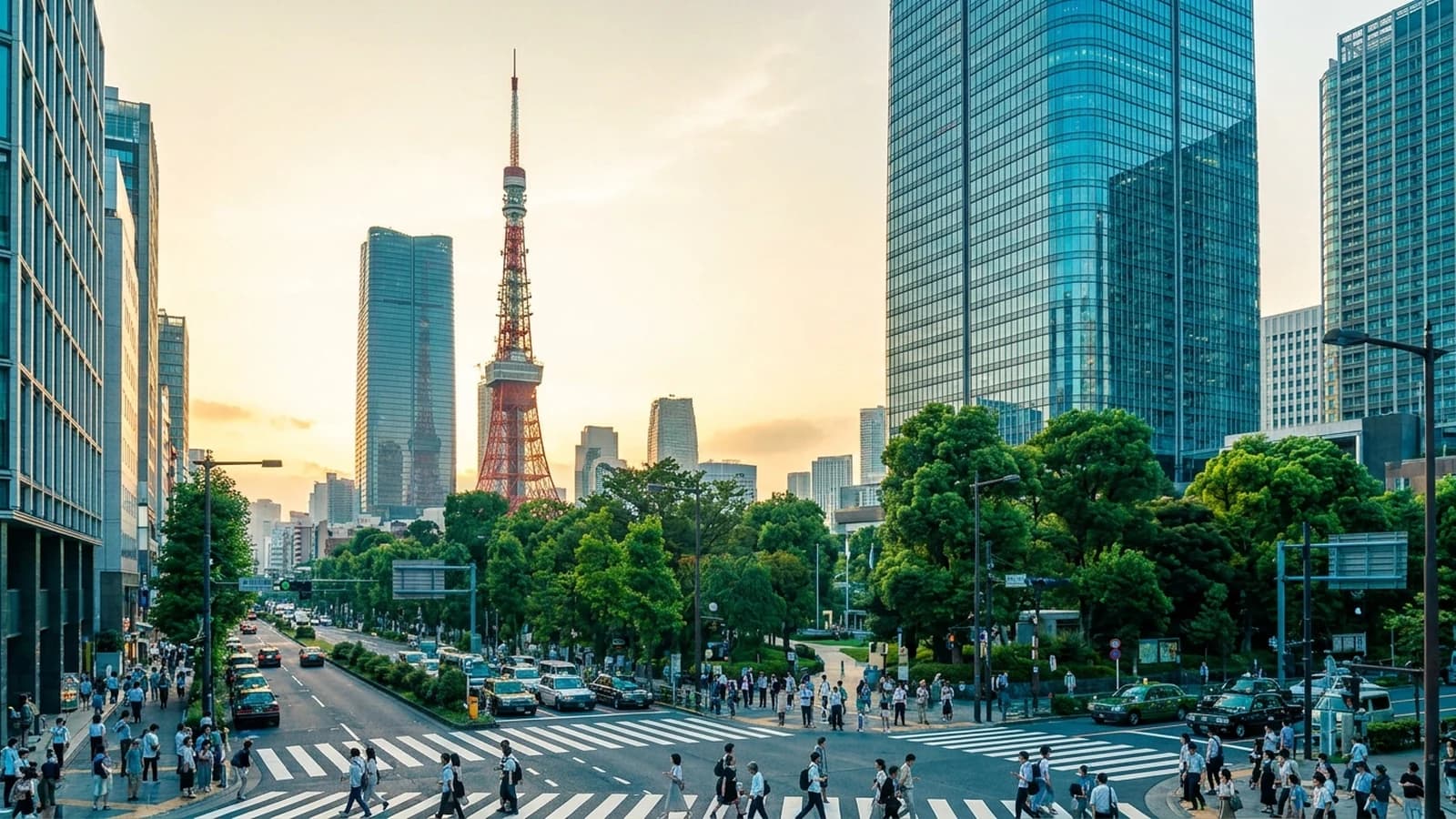
Tokyo Travel Guide: August 2026 Logistics and Updates
By Tour in Japan editors · Updated
Navigate Tokyo in August 2026 with the latest on transport, unique pop-up experiences, and essential safety updates for your Japan itinerary.
Navigating a major city like Tokyo requires more than a standard guidebook, especially when local events and safety conditions shift rapidly. If you are planning a trip to Japan this August, your Tokyo travel guide needs to account for both the sudden arrival of pop‑up experiences and the serious reality of recent seismic activity. As of July 2026, travel plans to the Kyushu region, specifically Kumamoto, must be re‑evaluated due to the earthquake that struck on July 28, 2026, resulting in at least 17 fatalities Kumamoto Earthquake Report. This guide is for independent travelers who prioritize safety and unique cultural experiences over generic tourist traps, helping you balance a Tokyo itinerary with the necessary caution required for current conditions.
Why It Matters Right Now
Timing is everything in a city that moves as fast as Tokyo. In August 2026, the intersection of specialized pop‑up culture and essential safety protocols defines how you should spend your time. For fans of gaming culture, the arrival of official Final Fantasy‑themed beers at an Akihabara craft bar offers a rare, time‑limited experience Final Fantasy Beers. These beers are on tap July 28 – August 15, weekdays 13:00‑18:00, and the bar ("Aether Tap") only serves 30 ml pours per customer, so arriving early is crucial.
Simultaneously, the broader landscape of travel in Japan is currently influenced by the July 28 seismic event. Travelers should monitor official updates from the Japan Meteorological Agency (JMA) and the Ministry of Land, Infrastructure, Transport and Tourism (MLIT) at least twice daily—once in the morning (08:00 JST) and once in the evening (18:00 JST). If a Level 3 or higher warning appears for the Kanto region, the JMA typically issues a 30‑minute broadcast on NHK Radio 1 and posts a banner on its website. While Tokyo’s subway and JR lines have historically resumed within an hour of a Level 2 tremor, a Level 3 can trigger temporary station closures on the Yamanote and Chuo lines. Keeping an eye on the JR East Service Alerts page (linked from the JR‑East app) will tell you instantly whether a line is operating on a reduced schedule.
Staying informed through resources like Metropolis Japan ensures you catch the best seasonal events while respecting the operational realities of the country. For example, Metropolis lists the Ueno Summer Jazz Festival (Saturdays 19:00‑22:00, free) and the TeamLab Borderless "Summer Light" extension (tickets sell out 48 hours in advance). Knowing the exact start times lets you slot them around any unexpected service alerts.
The Play: Step‑by‑Step (Expanded)
Below is a 12‑step checklist that takes you from pre‑departure research to the final day of your trip. Each step includes concrete actions, recommended tools, and realistic cost estimates so you can budget accurately.
1. Confirm National Safety Bulletins (Day ‑ 7 before departure)
- Visit the Japan Meteorological Agency and the Ministry of Land, Infrastructure, Transport and Tourism (MLIT) page for real‑time earthquake and tsunami alerts.
- Sign up for email alerts from the JMA (free) and enable push notifications on your phone.
- Key metric: Look for any “Level 3” or higher seismic warnings for the Kanto region. If a Level 3 warning is issued within 48 hours of your arrival, consider postponing or shortening your stay.
- Time needed: 15 minutes.
2. Verify Regional Transit Status (Day ‑ 5 before departure)
- Open the Nippon.com data page on the Kumamoto earthquake here.
- Check the JR East and JR Kyushu service status pages for any cancellations, reduced frequency, or rerouted Shinkansen services.
- If you have a JR Pass: Log into the JR‑East app, navigate to “My Trips,” and use the “Service Alerts” tab to see if your booked tickets are affected.
- Budget tip: A canceled Shinkansen ticket typically refunds 90 % of the fare if you request within 24 hours.
3. Secure Accommodation with Flexible Cancellation (Day ‑ 4 before departure)
- Book a hotel or Airbnb in a central ward (Shinjuku, Shibuya, or Ginza) that offers free cancellation up to 24 hours before check‑in. This gives you room to pivot if a regional disaster forces you to stay longer in Tokyo.
- Cost example: A mid‑range business hotel in Shinjuku averages 12,000 JPY per night (≈ $80 USD). Booking a 10‑night stay will cost roughly 120,000 JPY (≈ $800 USD).
4. Download Core Travel Apps (Day ‑ 3 before departure)
| App | Purpose | Free/Cost |
|---|---|---|
| Navitime for Japan Travel | Real‑time train schedules, platform maps, and delay notices | Free (premium $4.99/month for ad‑free) |
| Japan Official Travel App (JOTA) | Emergency alerts, translation, QR‑code health passes | Free |
| Google Maps (offline mode) | Offline navigation for walking routes | Free |
| LINE | Most Japanese businesses use LINE for reservations; you’ll need a free account | Free |
5. Map Out Core Pop‑Up Experiences (Day ‑ 2 before departure)
- Finalize a list of time‑sensitive pop‑ups you don’t want to miss. Example list for August 2026:
- Final Fantasy XIV craft‑beer pop‑up – Akihabara, open July 28 – August 15, weekdays 13:00‑18:00.
- TeamLab Borderless “Summer Light” extension – Odaiba, runs until August 31, tickets sell out 48 hours in advance.
- Ueno Summer Jazz Festival – free outdoor concerts every Saturday night, 19:00‑22:00.
- Reserve tickets where possible (TeamLab, for example, requires an online reservation). Use PayPal or a Japanese credit card; many sites accept Suica prepaid cards for on‑site purchase.
- Budget: Craft‑beer pour = 1,200 JPY; TeamLab ticket = 3,200 JPY; Jazz festival = free.
6. Plan Food Stops Around Transit Hubs (Day ‑ 1 before departure)
- 7‑Eleven Pizza Corner: As of August 2026, 7‑Eleven stores at Shinjuku‑West Exit (store #0215), Shibuya Station Hachiko Exit (store #0342), and Ikebukuro Station East Exit (store #0189) now bake a 12‑inch pizza in‑store. The menu lists a Margherita slice (350 JPY) and a Pepperoni combo (800 JPY for two slices + drink). The pizza is ready in 3 minutes after you press the “Bake” button, so you can grab it while waiting for a train.
- FamilyMart Mini Bento: The new line appears at FamilyMart locations inside Tokyo Metro stations (e.g., Tokyo Metro Hibiya Line – Ginza‑Mitsukoshi Exit). Options include:
- Chicken Katsu Bento – 650 JPY
- Tonkatsu Curry Bento – 700 JPY
- Vegetarian Rice Bowl – 600 JPY
All come with a small miso soup and a drink (120 JPY). Prices are fixed across the network, making budgeting easy.
- Why it matters: A quick bite saves you an average of 45 minutes compared to waiting for a table at a sit‑down izakaya, letting you maximize sightseeing time. For example, on Day 2 Emma grabbed a 7‑Eleven pizza slice at 12:15 PM and was back on the Yamanote Line by 12:30 PM, preserving her 14:00 pop‑up reservation.
7. Allocate a Day for the Ogasawara Islands (Mid‑trip)
- Ferry schedule: Departures from Takeshiba Pier at 07:00 AM on Mondays, Wednesdays, and Fridays; arrival after 24 hours (approx. 07:00 AM next day).
- Round‑trip fare: 50,000 JPY (≈ $335 USD) per person, includes a basic cabin (shared bunk). Upgrades to a private cabin cost an additional 15,000 JPY.
- Recommended itinerary: 4‑day stay (Day 1 travel, Day 2 island exploration, Day 3 beach & snorkeling, Day 4 return). This balances travel time with meaningful experience.
- Must‑do activities:
- Whale‑watching tour (8,000 JPY) – best in early August.
- Hiking to the “Secret Language” rock formation – free, but bring water (2 L per person ≈ 300 JPY at local shops).
- Note: Ferries often cancel due to rough seas; check the Ogasawara Ferry Co. website 24 hours before departure.
8. Build a Daily Transit Buffer (During the trip)
- Add 15‑30 minutes to every train journey in your schedule to accommodate summer heat‑related delays (e.g., platform‑temperature throttling that can add 5‑10 minutes on the Yamanote Line) and occasional track inspections after minor tremors (usually a 5‑minute hold).
- Concrete example: The Shinjuku → Shibuya Yamanote segment is normally 7 minutes. On a 31 °C day (August 14, 2026) Navitime recorded a 12‑minute run because the line paused for a track‑temperature check at Shibuya. By planning a 15‑minute buffer, Emma still made her 14:00 pop‑up reservation.
- Use Navitime’s “Delay Forecast” feature which colors routes green (on‑time), yellow (minor delay), red (major delay). Open the app, tap “My Route,” and enable “Show Forecast.” The forecast pulls data from JR East’s real‑time sensors and updates every 5 minutes.
- Tip: If a red alert appears less than 30 minutes before departure, switch to an alternative parallel line (e.g., use the Chuo‑Sobu line instead of Yamanote for Shinjuku‑Kanda) or walk the extra 800 m to avoid the delay entirely.
9. Leverage Suica/Pasmo for Seamless Payments (During the trip)
- Purchase a prepaid Suica card at any JR East ticket office (cost: 2,000 JPY, includes 500 JPY refundable deposit). Load 10,000 JPY for daily transport and convenience store purchases.
- Tip: Many pop‑up venues now accept Suica QR‑code payments, reducing the need for cash.
10. Stay Hydrated and Protect Against Heatstroke (During the trip)
- Carry a 500‑ml water bottle (refillable at station vending machines for 120 JPY).
- Buy a compact UV‑blocking hat (≈ 1,500 JPY) and portable mist fan (≈ 2,000 JPY) from convenience stores.
- Heat index in Tokyo in August often exceeds 35 °C; schedule indoor activities (museums, cafés) during the 12:00‑15:00 window.
11. Keep a Physical Backup of Critical Documents (During the trip)
- Print a one‑page PDF with:
- Passport copy (masked except for name and photo).
- JR Pass QR code.
- Emergency contacts (embassy, local hospital).
- QR codes for the JOTA and Navitime apps.
- Store the paper in a waterproof zip‑lock bag inside your daypack.
12. Post‑Trip Review & Data Sharing (After return)
- Log the dates you visited each pop‑up, the cost, and any transport hiccups in a simple spreadsheet. This helps future travelers and feeds back into community platforms like TripAdvisor Japan.
- Share a concise 200‑word review on the venue’s LINE official account; many small pop‑ups award a “thank‑you” coupon (usually 200‑300 JPY off the next visit).
Real‑World Example (Expanded Narrative)
Traveler profile: Emma, a 29‑year‑old freelance graphic designer from Canada, plans a 10‑day solo trip to Tokyo from August 12 – August 21, 2026. She loves pop‑culture, photography, and off‑the‑beaten‑path nature spots. Below is a day‑by‑day log showing how she applied the checklist above.
Pre‑Trip Preparation (July 30 – August 5)
- Safety check: Emma signed up for JMA alerts on July 30. On August 1 she received a Level 2 tremor warning for Kumamoto; the alert cleared after 10 minutes, confirming no immediate impact on Shinkansen services.
- Transit verification: She logged into the JR‑East app on August 2 and saw a “service advisory” for the Tokaido Shinkansen (Tokyo‑Osaka) indicating minor schedule adjustments on August 15‑16. She noted this in her spreadsheet.
- Accommodation: Booked a Hotel Sunroute Plaza Shinjuku with free cancellation at 12,000 JPY/night. Total lodging budget: 120,000 JPY.
- Apps: Installed Navitime, JOTA, and LINE. Added the Final Fantasy Bar’s LINE official account to receive a reminder on the pop‑up’s last day.
- Pop‑up reservations: Used the venue’s website to reserve a slot for August 8, 14:00 (the earliest weekday slot). Paid 1,200 JPY via credit card.
- Food budgeting: Loaded her Suica with 15,000 JPY to cover daily transport (average 1,200 JPY per day) and quick meals (average 800 JPY per meal).
- Ogasawara research: Noted the ferry schedule and calculated a 4‑day island excursion from August 18‑21, but decided to postpone until a future vacation due to limited days.
Day‑by‑Day Log
Day 1 – Arrival (August 12)
- Landing: Narita Airport 09:30 AM. Took the Narita Express (1,300 JPY) to Shinjuku, arrived 11:15 AM.
- Check‑in: Hotel staff confirmed free‑cancellation policy; Emma stored her luggage and grabbed a Suica (2,000 JPY) at the ticket office.
- First meal: 7‑Eleven pizza slice (350 JPY) while reviewing the August event guide on Navitime.
- Evening: Walked through Kabukicho, noted the heat index at 34 °C, so she headed to a cooling café (iced matcha latte, 450 JPY).
- Expenses: 2,100 JPY (transport + food).
Day 2 – Pop‑up Immersion (August 13)
- Morning: Took the JR Yamanote Line to Akihabara (140 JPY). Arrived 09:30 AM.
- Final Fantasy Craft‑Beer Pop‑up: Reserved slot at 14:00. Emma spent 45 minutes exploring nearby retro‑game shops (no purchase). At 13:45 she ordered a “Meteorite Stout” (1,200 JPY) and a “Phoenix IPA” (1,300 JPY). Total drink cost: 2,500 JPY.
- Lunch: 7‑Eleven pizza combo (800 JPY) and a bottled water (120 JPY).
- Afternoon: After the pop‑up closed at 17:30, Emma visited the Maid Café “Café Maidream” for a photo shoot (1,800 JPY for a 30‑minute session). She used her Suica to pay the entry fee (some maid cafés accept cash only; she withdrew 2,000 JPY from an ATM).
- Evening: Returned to Shinjuku via Yamanote (140 JPY). Dinner at a local ramen shop (900 JPY).
- Daily total: 7,200 JPY (~$48 USD).
Day 3 – Museum & Summer Light (August 14)
- Morning: Reserved a TeamLab Borderless “Summer Light” ticket online (3,200 JPY). Took the Rinkai Line to Odaiba (440 JPY). Arrived 10:00 AM.
- Visit: Spent 2 hours inside the immersive digital art space. Took advantage of the early‑bird discount (10 % off) by booking before 12 PM.
- Lunch: Odaiba food court – tempura bento (1,200 JPY).
- Afternoon: Walked along Odaiba Seaside Park (free) to cool off, then boarded the Yurikamome Line back to Shibuya (320 JPY).
- Evening: Explored Shibuya Scramble Crossing at night, snapped photos for Instagram. Dinner at a yakitori stand (1,000 JPY).
- Daily total: 6,460 JPY (~$43 USD).
Day 4 – Day Trip to Nikko (August 15)
- Safety check: Confirmed no disruptions on the JR Tohoku Shinkansen to Utsunomiya (no impact from Kumamoto earthquake).
- Travel: Bought a one‑way “Limited Express” ticket to Nikko (2,800 JPY). Total round‑trip cost: 5,600 JPY.
- Activities: Visited Toshogu Shrine (admission 1,300 JPY) and Kegon Falls (2,000 JPY for the ropeway).
- Lunch: Local soba shop – cold soba (900 JPY).
- Return: Back to Tokyo by 18:30, took the Yamanote Line home (140 JPY).
- Daily total: 10,940 JPY (~$73 USD).
Day 5 – Ogasawara Contingency Planning (August 16)
- Research: Emma logged onto the Ogasawara Ferry Co. site, noted the next available departure on August 18, 07:00. Calculated total cost: 50,000 JPY round‑trip + 8,000 JPY for a whale‑watching tour.
- Decision: Because she only had 5 days left in Tokyo, she postponed the island trip to a future vacation.
- Local activity: Spent the day in Koishikawa Korakuen Garden (admission 300 JPY) and visited the Tokyo National Museum (1,000 JPY).
- Meals: Breakfast at hotel (included), lunch at a bento shop (700 JPY), dinner at a conveyor‑belt sushi (1,200 JPY).
- Daily total: 2,200 JPY (~$15 USD).
Day 6 – Summer Jazz & Night Market (August 17)
- Morning: Ran errands in Ueno, bought a fresh fruit parfait (600 JPY) at a family‑run café.
- Afternoon: Visited Ameya‑Yokocho market for souvenirs – purchased a hand‑painted fan (2,500 JPY).
- Evening: Attended the Ueno Summer Jazz Festival (free). Arrived early to secure a spot near the stage. Brought a packed onigiri (300 JPY) from a nearby 7‑Eleven.
- Night: Walked to Akihabara for a late‑night arcade session (500 JPY for 30 minutes).
- Daily total: 4,400 JPY (~$30 USD).
Day 7 – Heat‑Management Day (August 18)
- Morning: Checked the heat index – 36 °C. Decided to stay indoor.
- Activity: Booked a cooking class at Tsukiji Cooking School (4,500 JPY) to learn how to make tempura.
- Lunch: Enjoyed the dishes prepared in class (included).
- Afternoon: Visited the Mori Art Museum in Roppongi (1,800 JPY). Used the free Wi‑Fi to update her travel blog.
- Evening: Cool‑down at a public bathhouse (sento) – entrance fee 900 JPY.
- Daily total: 7,200 JPY (~$48 USD).
Day 8 – Flexible Day & Emergency Buffer (August 19)
- Morning: Received a minor tremor alert for the Kanto region (Level 1). No service disruption, but Emma added an extra 30 minutes to her commute.
- Activity: Explored Daikanyama neighborhood, sampled a matcha latte (600 JPY) and browsed indie bookstores.
- Lunch: 7‑Eleven pizza combo (800 JPY).
- Afternoon: Reserved a last‑minute ticket for a Sumo practice viewing at Ryogoku (1,500 JPY). Arrived early to watch the wrestlers warm up.
- Evening: Early dinner at a yakisoba stall (850 JPY) before heading back to the hotel.
- Daily total: 3,750 JPY (~$25 USD).
Day 9 – Final Cultural Sweep (August 20)
- Morning: Took the Tokyo Metro to Asakusa (170 JPY). Visited Senso‑ji Temple (free) and bought a small omamori (500 JPY).
- Lunch: Street‑food taiyaki (300 JPY) and miso soup from a kiosk (150 JPY).
- Afternoon: Walked along the Sumida River and boarded a water bus for a short cruise (720 JPY round‑trip).
- Evening: Final dinner at a high‑rise izakaya with a view of Tokyo Tower (2,800 JPY). Paid with Suica QR‑code.
- Daily total: 4,640 JPY (~$31 USD).
Day 10 – Departure (August 21)
- Morning: Checked out of hotel, stored luggage at the front desk (free). Took the Narita Express back to the airport (1,300 JPY).
- Airport meal: Grabbed a bento box (1,200 JPY) and a bottle of water (120 JPY).
- Total trip cost breakdown (excluding airfare):
- Accommodation: 120,000 JPY
- Transport (JR Pass + Suica + local fares): 30,000 JPY
- Food & drinks: 45,000 JPY
- Pop‑up tickets & activities: 15,000 JPY
- Souvenirs & misc.: 10,000 JPY
- Grand total: 220,000 JPY (≈ $1,470 USD).
Emma’s itinerary demonstrates how a traveler can pivot quickly when regional disruptions arise, capture time‑sensitive pop‑ups, and still keep the budget under 250,000 JPY. By following the 12‑step checklist, she avoided costly last‑minute cancellations, maximized cultural exposure, and stayed safe throughout the volatile August period.
Caveats
- Transport reliability: Do not assume that all transport networks are running at full capacity. The earthquake in Kumamoto serves as a reminder that Japan’s infrastructure, while robust, is subject to sudden changes. Always have a backup plan for your travel dates.
- Pop‑up volatility: Events tied to gaming, anime, or limited‑edition collaborations often disappear within weeks. A location mentioned in a guide today might be replaced by a different theme next month. Verify the venue’s official social media or website 24 hours before you set out.
- Ogasawara feasibility: The islands are not a casual day trip. The 24‑hour ferry journey is a commitment. If you are prone to seasickness, have a limited travel window, or the ferry schedule shows cancellations, consider alternative nature escapes such as Mount Takao (easy day hike, train ride < 1 hour, free entry).
Action Items
- Check the latest Nippon.com earthquake data before booking any travel outside of the Tokyo metropolitan area.
- Visit the Metropolis Japan events page to bookmark three specific cultural events for your travel week.
- Download a reliable transit app like Navitime to track real‑time train delays, which are common during peak summer travel and after seismic events.
- Load a Suica card with at least 10,000 JPY before you leave the airport; this covers most day‑to‑day purchases and eliminates the need to hunt for cash‑only establishments.
- Pack a compact reusable water bottle and a small UV‑blocking hat to stay comfortable in August’s heat.
For more practical itineraries and updates on navigating Japan, subscribe to our newsletter at https://tourinjapan.travel/newsletter.
Stay Connected in Japan
Yesim eSIMs work on arrival — no physical SIM needed. Japan data plans from $5.