
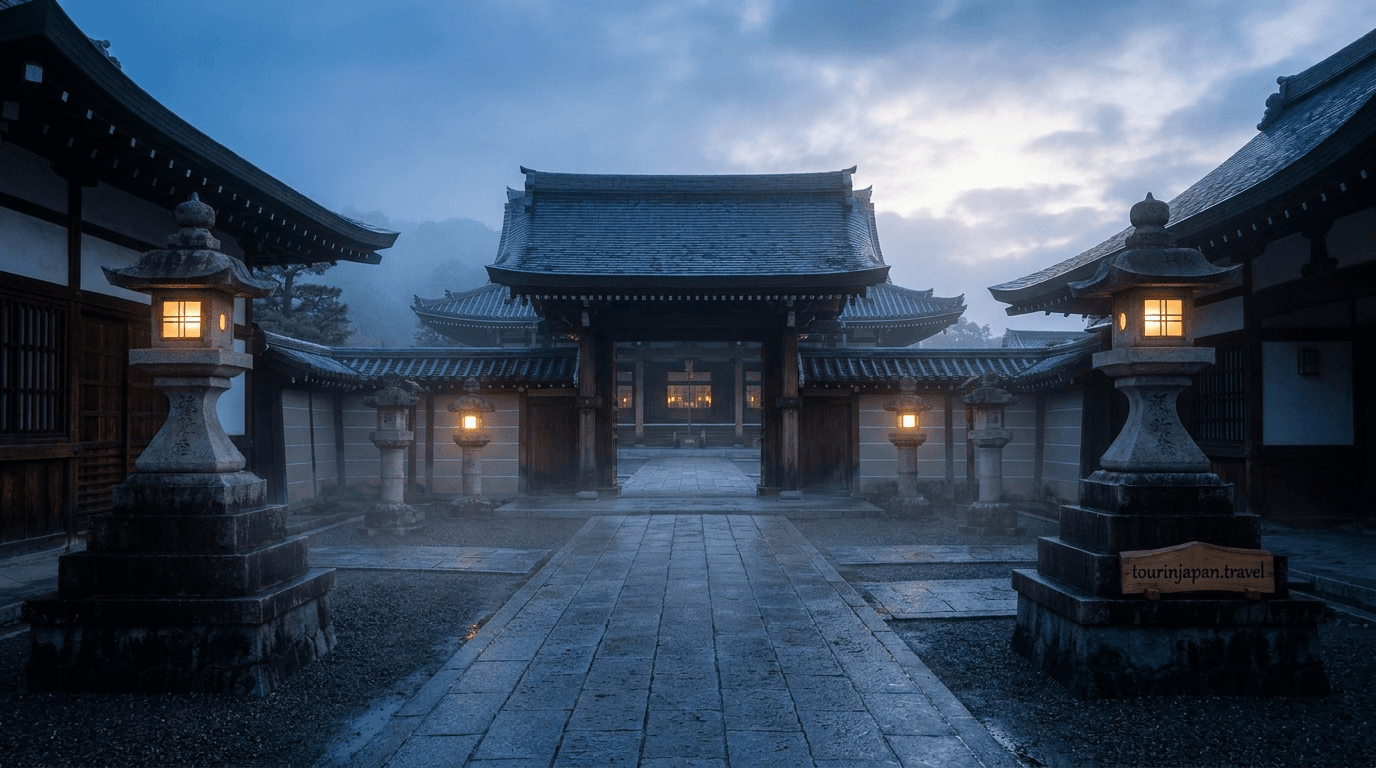
Shooting Temples at Dawn: How to Get Empty Shots of Kyoto's Crowds
By Tour in Japan editors · Updated
Kyoto's most famous temples are packed by 10am. Here's the exact strategy for arriving at dawn and getting empty, atmospheric shots of Fushimi Inari, Kinkaku-ji, and more.
Temple photography at dawn in Kyoto is the single most effective strategy for getting clean, crowd-free images of Japan's most famous sites. The gap between a 7am arrival and a 10am arrival at popular temples is the difference between having a sacred space entirely to yourself and competing with hundreds of other visitors for the same vantage point. This temple photography dawn guide covers the precise timing, access strategies, and shooting techniques for getting the atmospheric, serene temple images that look nothing like the average tourist photo.
Opening Hours and Ideal Arrival Times
Fushimi Inari Taisha is open 24 hours and free — this is the single most important fact for photographers. Arriving at 5:30am in summer (when it's already bright) or 6am in spring gives you 45-90 minutes of solitude on the main torii gate path before the first tour groups arrive. The upper mountain (2-hour circuit) maintains its quiet much longer through the day.
Kinkaku-ji (Golden Pavilion) opens at 9am and immediately becomes crowded. There is no early access workaround for the paid inner garden. The strategy here is to arrive exactly at 9am when the gates open — you'll have 20-30 minutes before crowds build. Kiyomizu-dera opens at 6am and is manageable until about 8am. The wooded approach path and main stage face east, making the early morning light ideal.
Technical Considerations for Dawn Temple Photography
Dawn light at temples rewards high ISO capability. Modern mirrorless cameras at ISO 1600-6400 produce usable files in the dim pre-sunrise light inside forest paths and under temple eaves. A wide-angle lens (16-35mm full frame equivalent) works well for capturing the scale of temple grounds and sweeping gate rows. A fast 50mm f/1.4 or 85mm f/1.8 gives you beautiful subject isolation in lower light.
A small, lightweight tripod is worth carrying for dawn shoots — the low light levels at 5:30am in early spring may require 1-4 second exposures for properly exposed images without raising ISO to undesirable levels. Mist in temple gardens is most common in autumn (October-November) and spring just after rain. Mist adds extraordinary depth and atmosphere but requires fast work as it dissipates within 30-60 minutes of sunrise.
Dawn Temple Photography Strategy Guide
- Fushimi Inari: arrive 5:30-6am, walk upper mountain for solitude beyond first 15 minutes
- Kiyomizu-dera: arrives at 6am opening, clear before 8am, face east for best morning light
- Arashiyama Bamboo Grove: enter at first light (5:30am summer), completely empty for 60-90 minutes
- Kinkaku-ji: queue at 9am opening — first 20-30 minutes manageable, crowds double after 9:30am
- Ryoan-ji: opens 8am, rock garden quiet before first tour buses at 9:30am
- Carry a tripod for sub-6am low-light shooting — 1-4 second exposures produce sharp results on mist days
- Stay in accommodation walking distance from target temples — saves critical early-morning travel time
The psychological shift of shooting at dawn versus midday is significant. Without crowds, the sacred atmosphere of temples becomes tangible — you can feel the weight of centuries of worship in a silent stone garden at 6am in a way that's completely impossible at noon with 200 other people. This atmosphere transfers to photographs. Images shot in solitude, with considered composition and controlled light, consistently outperform technically identical shots taken in crowds. Set your alarm for 5am and it will be the best decision you make in Kyoto.
Stay Connected in Japan
Yesim eSIMs work on arrival — no physical SIM needed. Japan data plans from $5.