
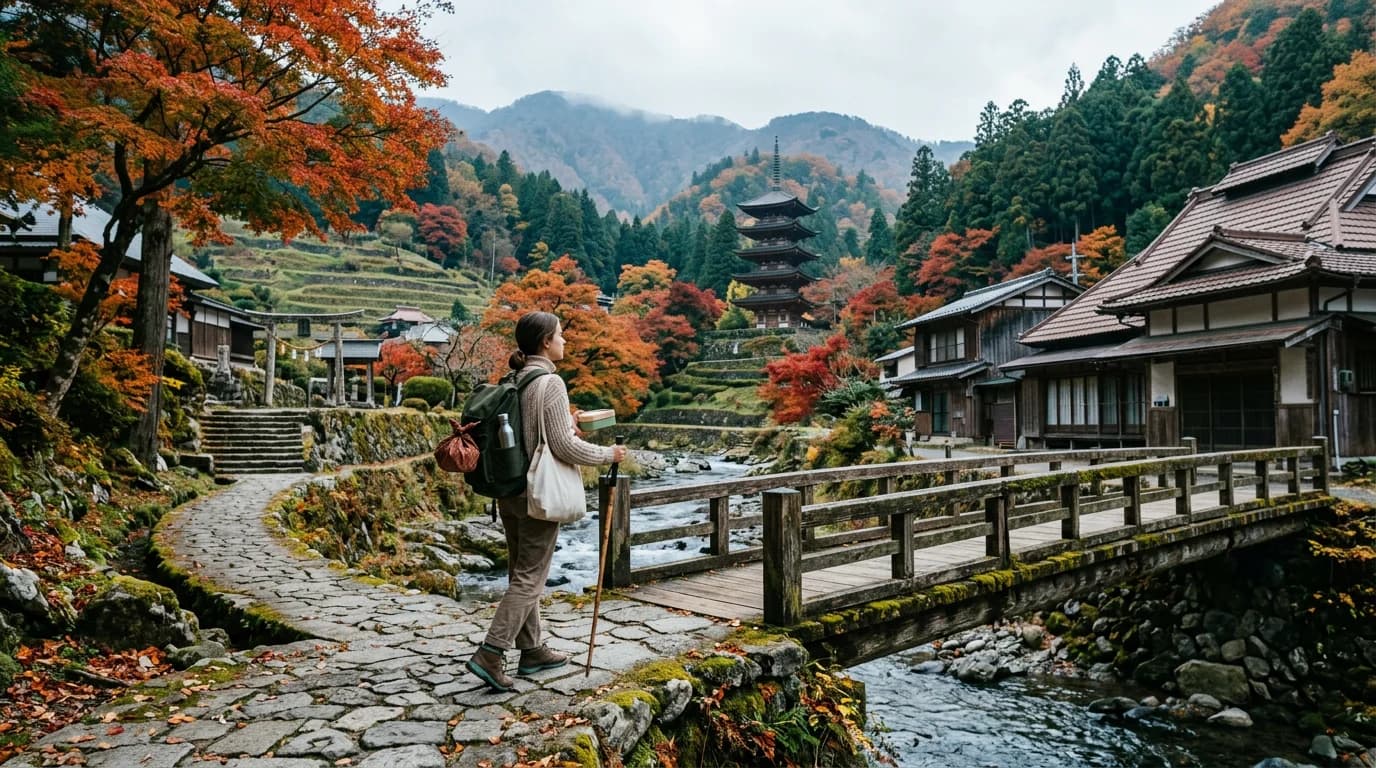
Sustainable Travel in Japan: Eco-Friendly Tips for Conscious Tourists
By Tour in Japan editors · Updated
Travel sustainably in Japan with our eco-friendly guide. Learn about green transportation, zero-waste practices, and responsible tourism across the country.
Japan offers excellent opportunities for sustainable travel, with efficient public transportation, a culture of waste reduction, and growing eco-tourism initiatives. As conscious travelers increasingly seek ways to minimize their environmental impact, Japan provides numerous options for exploring the country responsibly. From carbon-neutral rail travel to plastic-free shopping, this guide shows you how to experience Japan while protecting its natural beauty and cultural heritage for future generations.
Green Transportation Options
Japan's public transportation system is among the world's most efficient and environmentally friendly. The shinkansen (bullet train) network runs on electricity and produces significantly lower carbon emissions per passenger than domestic flights or car travel. For regional exploration, local trains and buses connect virtually every corner of the country. In cities, extensive subway and train networks make car ownership unnecessary for most visitors.
For shorter distances, consider walking or cycling. Many Japanese cities are surprisingly walkable, and bicycle rental systems are becoming increasingly common. Kyoto, in particular, is ideal for cycling exploration with its flat terrain and numerous bike rental shops. When you must use taxis, choose hybrid vehicles—most Japanese taxi companies have converted their fleets to environmentally friendly options.
Zero-Waste Shopping and Dining
Japan's culture of minimal waste aligns perfectly with sustainable travel principles. When shopping, bring your own bags or accept the minimal packaging that Japanese retailers provide. Many stores now charge for plastic bags, encouraging reusable options. For souvenirs, choose locally made crafts and foods that support communities and have lower transportation footprints.
Dining in Japan offers excellent sustainability opportunities:
- Eat locally sourced, seasonal ingredients (shun)
- Try plant-based Buddhist temple cuisine (shojin ryori)
- Visit local markets instead of supermarkets
- Carry your own chopsticks and water bottle
- Avoid excessive takeout packaging by dining in
Eco-Friendly Accommodation Choices
Japan offers various sustainable accommodation options for environmentally conscious travelers. Traditional ryokan often use natural materials, minimal energy consumption, and locally sourced food. Many modern hotels have implemented green practices including energy-efficient lighting, water conservation, and recycling programs. Look for accommodations with environmental certifications or those that prominently display their sustainability initiatives.
Consider staying in minshuku (family-run guesthouses) or temple lodgings (shukubo) for authentic experiences that typically have lower environmental impacts than large hotels. Temple stays, in particular, offer vegetarian meals, peaceful natural settings, and the opportunity to learn about Buddhist principles of mindfulness and respect for nature.
Responsible Cultural Tourism
Sustainable travel extends beyond environmental considerations to include cultural respect and economic benefit to local communities. Learn basic Japanese phrases and customs to show respect for local culture. When visiting temples and shrines, follow photography guidelines and dress appropriately. Support local artisans by purchasing handmade crafts directly from makers rather than mass-produced souvenirs.
Choose tour operators and guides who are locally owned and committed to responsible tourism practices. Avoid attractions that exploit animals or harm natural environments. By making conscious choices about where your money goes, you help ensure that tourism benefits Japanese communities while preserving the cultural and natural treasures that make Japan such a special destination.
Stay Connected in Japan
Yesim eSIMs work on arrival — no physical SIM needed. Japan data plans from $5.