
Okinawa Main Island Guide: Beaches, Ryukyu Culture, and War History
By Tour in Japan editors · Updated
Okinawa Main Island combines turquoise waters, distinct Ryukyu Kingdom culture, and sobering WWII history into one of Japan's most unique destinations.
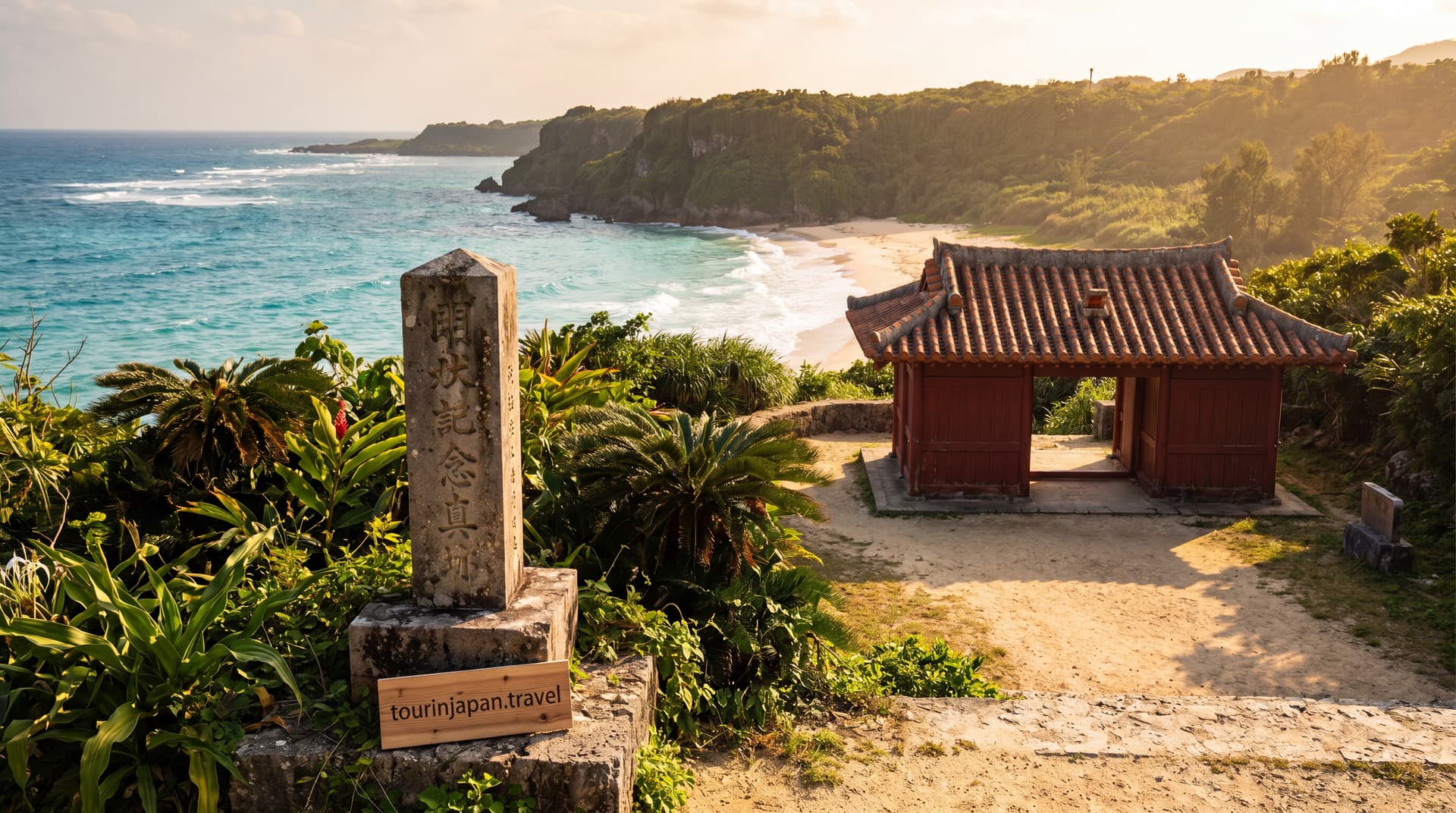
Okinawa Main Island sits at the crossroads of Japanese, Chinese, and Southeast Asian influences, creating a destination unlike anywhere else in Japan. The Okinawa Main Island experience is defined by coral-fringed beaches with water so clear you can see the bottom in 10 meters, a cuisine built around pork and bitter melon rather than rice and soy, and a Ryukyu Kingdom heritage that survived centuries of independence before annexation in 1879. Add to this the sobering legacy of the Battle of Okinawa in 1945, and you have an island that rewards curious, thoughtful travelers who want more than just a beach holiday. The island stretches roughly 135 kilometers from north to south, with the capital Naha at its southern end and the forested Yambaru wilderness at the north.
Naha and Ryukyu Kingdom History
Naha is the gateway to Okinawa and holds the island's richest historical sights. Shuri Castle, a UNESCO World Heritage Site, was the royal palace of the Ryukyu Kingdom for nearly 500 years. Burned to the ground during WWII and then again in a 2019 fire, the castle is currently being rebuilt with remarkable craftsmanship—watching artisans reconstruct the vivid red-and-gold main hall is itself a powerful experience. The castle grounds are free to explore even when the main hall is closed.
Kokusai-dori (International Street) is Naha's main shopping and dining strip, a lively kilometer of restaurants, souvenir shops, and craft galleries. Branch off into the Makishi Public Market for fresh seafood, tropical fruits, and grilled specialties. Tsuboya Pottery District, a 10-minute walk away, has been producing shisa lion-dog figures and bowls since the 17th century.
Best Beaches on Okinawa Main Island
The most accessible beaches are along the central west coast, where resort hotels line up near Chatan and American Village. Araha Beach and Sunset Beach in Chatan are family-friendly with facilities and calm water. For cleaner, less developed sand, drive north to the Motobu Peninsula where Emerald Beach inside Ocean Expo Park offers spectacular turquoise water and free access. Further north still, the beaches around Cape Hedo—the island's northernmost tip—feel wild and completely uncrowded.
Okinawa Churaumi Aquarium, one of the world's largest, sits near Motobu and houses whale sharks and manta rays in a tank so enormous it feels like diving. Entry costs 2,180 yen for adults. The nearby Bise Fukugi Tree Road, a 1-kilometer lane shaded by fukugi trees leading to a coral-sand beach, is one of the most photogenic spots in Okinawa.
WWII Peace Sites and Battlefield History
The Battle of Okinawa was among the bloodiest of WWII's Pacific campaign, killing over 200,000 people including nearly one-third of Okinawa's civilian population. The Peace Memorial Park in the southern town of Itoman is a moving tribute, with the Cornerstone of Peace listing every name of those who died regardless of nationality. The adjacent Okinawa Prefectural Peace Memorial Museum provides detailed, unflinching history of the battle and its civilian impact.
Underground Naval Headquarters in Tomigusuku lets visitors walk through the tunnels where Japanese command sheltered during the final days of fighting. Himeyuri Peace Museum tells the story of young female students who served as nurses and were killed in tragic circumstances near the battle's end. Allow a full day for the southern peace circuit—it is emotionally heavy but essential for understanding modern Okinawa.
Okinawan Food, Culture, and Practical Tips
Okinawan cuisine is distinct from mainland Japanese food, with dishes like goya champuru (bitter melon stir-fry with tofu and pork), rafute (slow-braised pork belly), and soki soba (noodle soup with soft pork ribs). Orion Beer, brewed locally since 1957, is ubiquitous and pairs perfectly with the heat. Awamori, a rice spirit stronger than sake, is the local firewater—try it mixed with soda water at any izakaya.
- Getting there: 2.5-hour flight from Tokyo Haneda; Naha Airport has a monorail into the city center (270 yen)
- Getting around: rent a car at Naha Airport for the most flexibility; buses connect major sights but are slow
- Best season: October to December for warm weather, calm seas, and lower humidity than summer
- Avoid July-August: typhoon season plus extreme heat and humidity make sightseeing uncomfortable
- Shuri Castle: free grounds, main hall admission when rebuilt (estimated 820 yen)
- Cape Zanpa: dramatic white lighthouse on the west coast with good snorkeling at the base
- Yambaru National Park: dense subtropical forest in the north with rare birds including the Okinawa rail
- Eisa: traditional drum dance performed at summer Obon festivals across the island
Budget three to four days minimum for Okinawa Main Island if you want to combine Naha sightseeing, a day trip to the north, and time at the peace sites. The island rewards slower travel—hire a car, stop at roadside stands for sugar cane juice, and let the subtropical pace set in.
Stay Connected in Japan
Yesim eSIMs work on arrival — no physical SIM needed. Japan data plans from $5.