
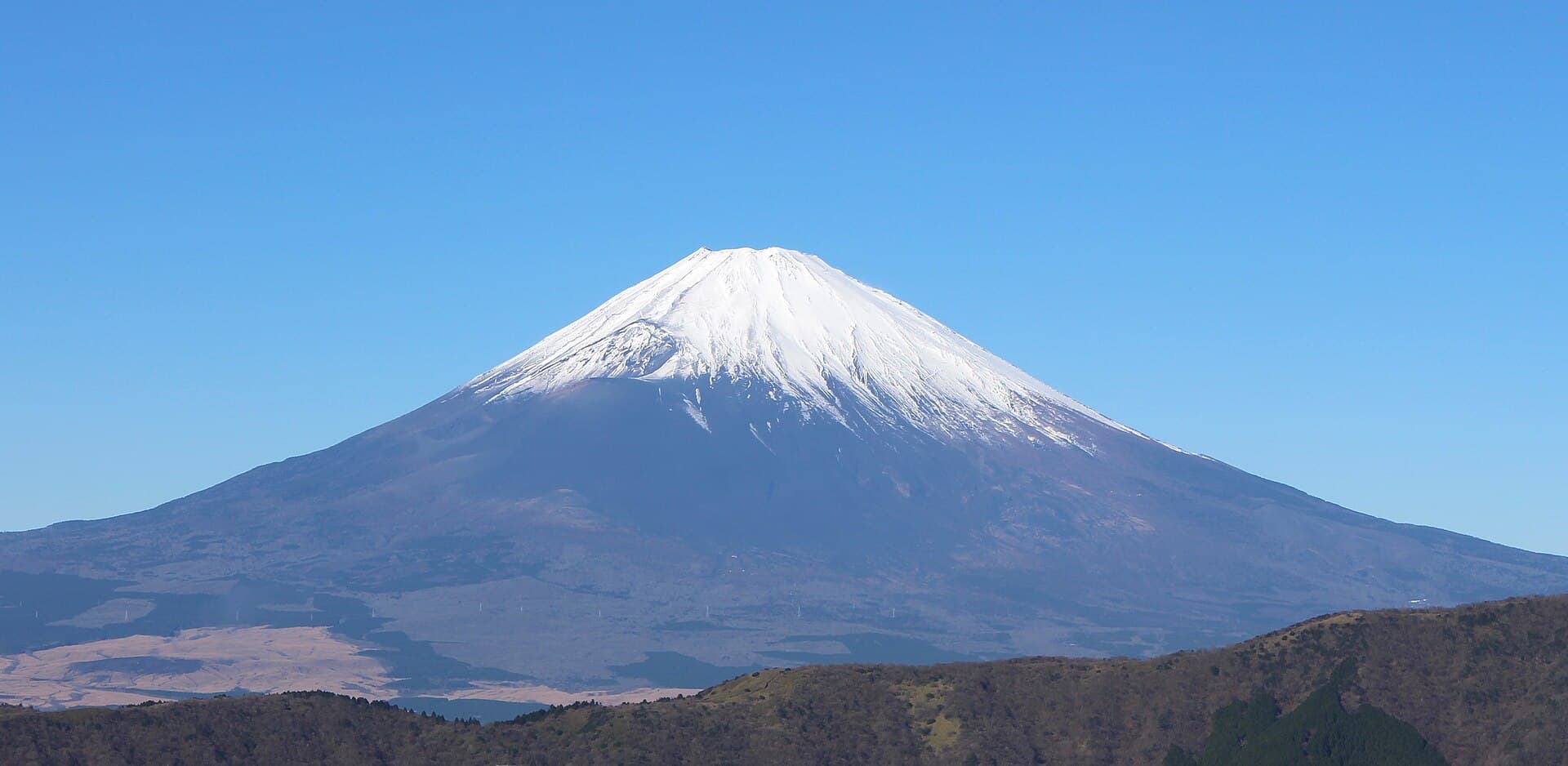
Mount Fuji Climbing Guide 2026
By Tour in Japan editors · Updated
Complete guide to climbing Mount Fuji in 2026. Learn about trails, seasons, gear, and safety tips for Japan's highest peak.
Climbing Mount Fuji is a bucket-list experience that draws hundreds of thousands of adventurers each year. Standing at 3,776 meters, Japan's highest peak offers an unforgettable sunrise from the summit and a profound sense of accomplishment. This Mount Fuji climbing guide covers everything you need to know for a safe and successful ascent in 2026.
When to Climb: The Official Season
Mount Fuji's official climbing season runs from July 1 to September 10. Outside these dates, trails are closed due to dangerous conditions including snow, ice, and risk of avalanches. The weather window is narrow for good reason—conditions can change rapidly, and what starts as a clear day can turn treacherous within hours.
The best time to climb is weekdays in late July or August when weather is most stable. Avoid weekends and Obon holiday period (mid-August) when trails are extremely crowded. September offers cooler temperatures but brings increased risk of typhoons, which can force immediate evacuations.
Choosing Your Trail
Four main trails lead to Mount Fuji's summit, each with distinct characteristics:
- Yoshida Trail: Most popular, well-maintained, with numerous mountain huts. Starts at Fuji Subaru Line 5th Station. Easiest for beginners.
- Subashiri Trail: Less crowded than Yoshida, with beautiful forest sections. Starts at Subashiri 5th Station. Slightly longer but gentler gradient.
- Gotemba Trail: Longest route with significant elevation gain. Starts at Gotemba 5th Station. Challenging but offers great views of the Hoei crater.
- Fujinomiya Trail: Shortest route to summit but steepest. Starts at Fujinomiya 5th Station. Good option for experienced climbers seeking efficiency.
Most climbers ascend via one trail and descend via another to experience different perspectives. The Yoshida Trail is recommended for first-time climbers due to its facilities and gradual incline.
Essential Gear and Packing
Proper equipment is crucial for safety and comfort. Even in summer, temperatures at the summit can drop below freezing, and weather conditions can be severe.
- Layered clothing: moisture-wicking base layer, insulating mid-layer, waterproof windbreaker
- Sturdy hiking boots with good ankle support and broken in before your climb
- Headlamp with extra batteries for night climbing
- Trekking poles for stability on steep sections
- Rain gear: waterproof jacket and pants
- Sun protection: hat, sunglasses, high SPF sunscreen
- Plenty of water and high-energy snacks
- First aid kit with blister treatment and altitude medication if needed
- Cash for mountain huts and facilities
Climbing Strategy: Night Ascent for Sunrise
Most climbers begin their ascent in the evening to reach the summit for sunrise—a spiritual experience known as goraiko. A typical schedule starts at 8-10 PM from the 5th station, reaching the summit around 4-5 AM. This timing allows for rest breaks and accommodates varying fitness levels.
Mountain huts along the trails offer overnight accommodation for those who prefer to break up the climb. Reservations are essential during peak season and can be made months in advance. Hut stays typically include a simple dinner and breakfast, though facilities are basic.
Altitude Sickness and Safety
Altitude sickness affects many climbers, with symptoms including headache, nausea, dizziness, and fatigue. The risk increases above 2,500 meters. To minimize effects, ascend slowly, stay hydrated, and take regular breaks. If symptoms persist, descend immediately—there's no shame in turning back.
Weather on Mount Fuji is notoriously unpredictable. Check forecasts before starting, but be prepared for sudden changes. If thunderstorms approach, seek shelter immediately at a mountain hut. Never attempt to summit during severe weather—the risk of lightning is real and dangerous.
The Summit Experience
Reaching the summit crater is an emotional moment. The crater rim is approximately 3 kilometers in circumference, and you can walk around it in about an hour. At the highest point, Kengamine Peak, you'll find a weather station and the summit post office where you can send postcards from the top of Japan.
Sunrise from the summit is magical, but the experience continues as the sun illuminates the surrounding landscape. On clear days, you can see as far as the Izu Peninsula and even Mount Tateyama in the Northern Alps. After sunrise, most climbers begin their descent, which typically takes 3-5 hours depending on the trail.
Post-Climb Recovery
After descending, reward yourself with a relaxing onsen (hot spring) at one of the many resorts near Mount Fuji. The hot water soothes tired muscles and provides a perfect end to your adventure. Many climbers stay an extra night in the area to fully recover before continuing their Japan travels.
Remember that climbing Mount Fuji is physically demanding. Listen to your body, respect the mountain, and prepare thoroughly. With proper planning and a spirit of adventure, you'll create memories that last a lifetime.
Stay Connected in Japan
Yesim eSIMs work on arrival — no physical SIM needed. Japan data plans from $5.