
Kimono Rental in Kyoto: Best Shops, Prices, and Styling Tips
By Tour in Japan editors · Updated
Find the best kimono rental shops in Kyoto with honest price comparisons, styling tips, and advice on when and where to wear your rented kimono.
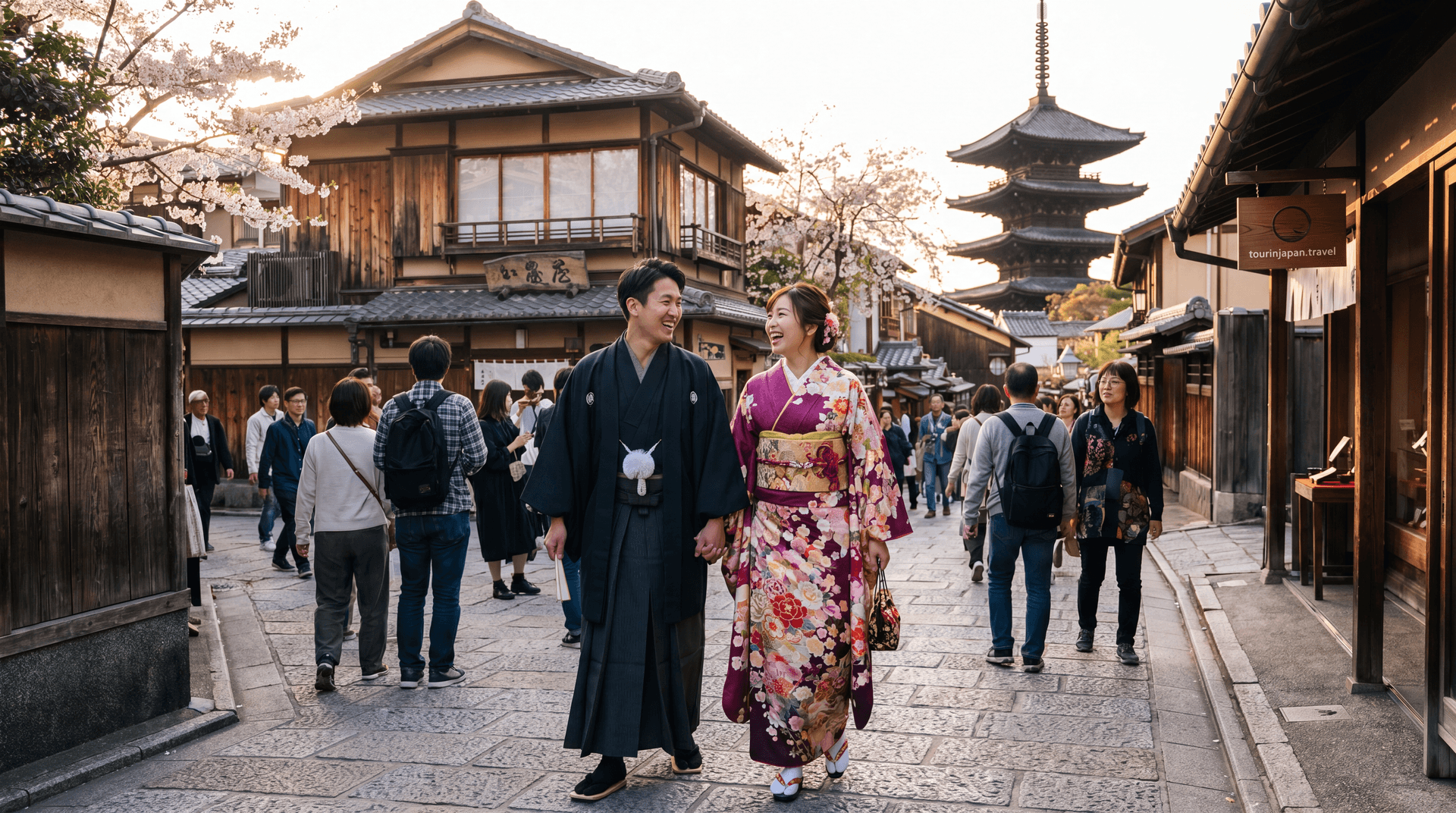
Kimono rental in Kyoto is one of the most popular activities for visitors to Japan, and for good reason — walking the cobblestone lanes of Higashiyama in a hand-dyed silk kimono while cherry blossoms drift past is an experience that no photograph fully captures. Dozens of rental shops compete for your business around Gion, Arashiyama, and Nishiki Market, offering packages that range from quick tourist snaps to full traditional dressing experiences with professional styling and photography.
Best Kimono Rental Areas in Kyoto
The Higashiyama and Gion districts hold the highest concentration of rental shops and the most photogenic streets. Ninenzaka and Sannenzaka — the two stone-paved slopes leading toward Kiyomizu-dera — are the most photographed spots, and shops here are accustomed to dressing tourists for temple visits. Arashiyama has several high-quality rental shops near the bamboo grove, while Fushimi Inari has a handful near the torii gates.
Rental shops typically open around 9 AM and require you to return garments by 5-6 PM. Most shops are clustered within walking distance of their intended photography destinations, so choose a shop near where you plan to spend most of your day.
Top Kimono Rental Shops
- Yumeyakata: Large chain with multiple Kyoto locations, extensive selection, English-speaking staff; plans from 3,500 yen
- Okamoto Kimono: Long-established shop near Kiyomizu-dera with genuine antique kimono available; plans from 4,000 yen
- Kimono Rental Wargo: Budget-friendly option with branches across Kyoto and Japan; basic plans from 2,800 yen
- Kyoto Kimono Rental Chazen: Boutique shop in Gion offering premium antique kimono and personalized styling; plans from 6,000 yen
- Iroha: Arashiyama branch with excellent bamboo grove proximity; plans from 3,200 yen including obi styling
- Maiko Transformation Studios: Full maiko (apprentice geisha) makeup and kimono experience; plans from 12,000 yen
What a Rental Package Typically Includes
A standard rental package includes the kimono, obi sash, tabi socks, sandals (zori), and professional dressing assistance. Most shops offer hair styling as an add-on for an extra 500-2,000 yen, with traditional Japanese updos being popular. Some premium packages include an in-studio photoshoot with professional lighting and edited digital files. Basic bags (kinchaku pouches) are often included, though shops sell more elaborate accessories separately.
If it rains — which happens frequently in Kyoto — most shops will lend you a plastic cover for the kimono and a matching parasol. Ask about this when booking, as it is not always mentioned upfront.
Practical Styling and Comfort Tips
Wearing a kimono requires some adjustment to movement. The obi is tied firmly around the midsection, restricting deep bending. Steps are naturally smaller due to the narrow hem. Zori sandals are flat and require practice walking on cobblestones. Most people adapt within 20-30 minutes of walking. Avoid eating large meals before dressing, as a tight obi can be uncomfortable after a big lunch.
Book rental slots in advance during cherry blossom season (late March to mid-April) and autumn foliage season (mid-November to early December), when waiting times without reservations can exceed two hours. Most shops now accept online reservations with English-language interfaces. Arriving 15 minutes before your booking allows time for garment selection without feeling rushed.
Stay Connected in Japan
Yesim eSIMs work on arrival — no physical SIM needed. Japan data plans from $5.