
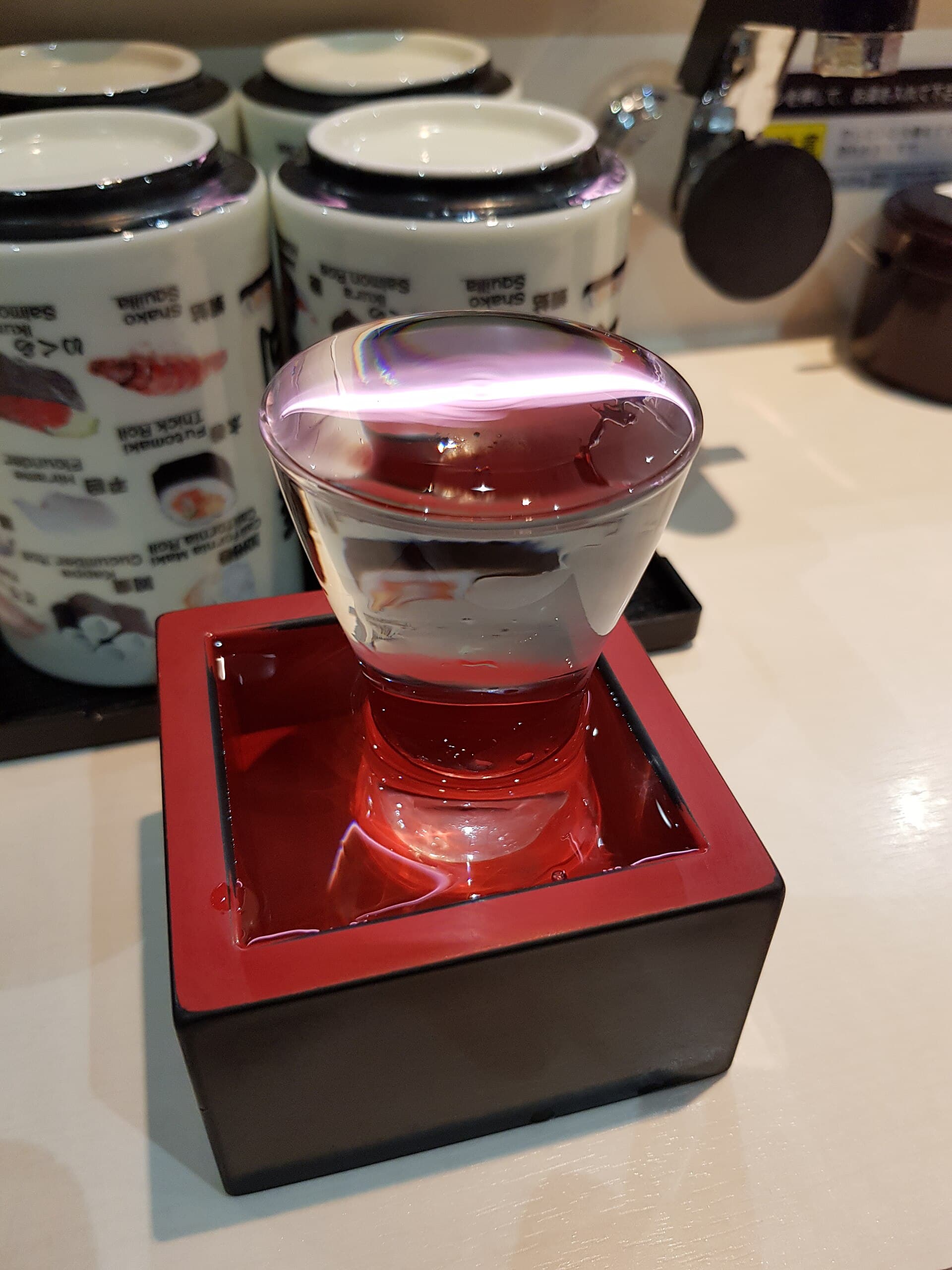
Japanese Sake Guide for Beginners
By Tour in Japan editors · Updated
Discover the world of Japanese sake. Learn about types, brewing methods, tasting techniques, and food pairings for this traditional rice wine.
Japanese sake, often called nihonshu in Japan, represents one of the world's most sophisticated and diverse alcoholic beverages. This traditional rice wine has been crafted for centuries, evolving into numerous styles that pair beautifully with Japanese cuisine. Understanding sake basics transforms your dining experience and opens doors to a rich cultural tradition that many visitors overlook in favor of more familiar drinks.
Sake Types and Classifications
Sake categories are based on rice polishing ratios and brewing methods:
- Junmai - Pure rice sake, no added alcohol, rich flavor
- Ginjo - Highly polished rice, fragrant and delicate
- Daiginjo - Even more polished, premium and complex
- Honjozo - Slight added alcohol, lighter body
- Futsushu - Everyday sake, lower polishing ratio
Serving Temperature Guide
Temperature significantly affects sake's flavor profile:
- Cold (5-10°C) - Ginjo and Daiginjo, highlights aromatics
- Room temperature (15-20°C) - Junmai and Honjozo, balanced flavors
- Warm (40-50°C) - Futsushu and some Junmai, enhances umami
- Hot (50-55°C) - Traditional serving, some premium styles
- Ask staff for recommended temperature for specific sake
Tasting and Appreciation
Proper tasting techniques enhance sake appreciation:
- Use small ceramic cups (ochoko) or wine glasses
- Observe color and clarity
- Smell aromatics before tasting
- Note sweetness, acidity, and umami balance
- Appreciate finish and aftertaste
Food Pairing Basics
Sake pairs exceptionally well with Japanese cuisine:
- Junmai with rich, savory dishes (grilled fish, tempura)
- Ginjo with delicate dishes (sashimi, light appetizers)
- Warm sake with hearty winter dishes (nabe, hot pot)
- Sparkling sake as aperitif or with light fare
- Aged sake (koshu) with strong-flavored dishes
When exploring sake, start with approachable styles like Junmai or Honjozo before trying more delicate Ginjo varieties. Many izakaya (Japanese pubs) offer sake flights or tasting sets that allow you to sample multiple styles. Don't be afraid to ask staff for recommendations based on your taste preferences and food choices. Remember that sake has lower alcohol content than many spirits (typically 15-16%), making it suitable for extended dining experiences. Consider visiting sake breweries in regions like Niigata, Kyoto, or Hiroshima for deeper understanding of the craft. Whether you're a complete beginner or experienced wine enthusiast, Japan's sake tradition offers endless discoveries and pairings that enhance any culinary experience.
Stay Connected in Japan
Yesim eSIMs work on arrival — no physical SIM needed. Japan data plans from $5.