
Japanese New Year: Traditions, Customs, and Celebrations
By Tour in Japan editors · Updated
Experience Japanese New Year traditions with our guide to Oshogatsu. Discover shrine visits, special foods, family customs, and the unique way Japan celebrates the new year.
Japanese New Year, known as Oshogatsu, represents Japan's most important holiday period, a time when families gather, businesses close, and the country observes ancient traditions. Unlike Western New Year celebrations focused on December 31st, Japanese New Year extends over several days, with specific customs and foods marking each moment. Understanding these traditions provides insight into Japanese values of family, renewal, and gratitude. Whether you're visiting Japan during New Year or simply curious about the culture, Oshogatsu offers a fascinating window into Japanese life.
Omisoka: New Year's Eve Traditions
New Year's Eve (Omisoka) is a time for cleaning, preparation, and family gathering. Japanese families clean their homes thoroughly to start the new year fresh. This tradition, called osoji, extends to workplaces and schools. Many people visit onsen (hot springs) to wash away the old year's impurities. The evening meal typically features toshikoshi soba (year-crossing noodles), symbolizing longevity and the cutting off of the previous year's hardships.
At midnight, Buddhist temples ring their bells 108 times (joyanokane), representing the 108 worldly desires in Buddhist belief. Each ring purifies one desire, preparing people for the new year. Many families stay up to watch Kohaku Uta Gassen, a popular New Year's Eve music show featuring competing teams of singers. The transition to midnight is marked by fireworks in some areas and family toasts.
Osechi Ryori: Traditional New Year Foods
Osechi ryori are the special foods eaten during the first three days of the new year. These beautifully arranged dishes in tiered lacquer boxes each have symbolic meanings. Sweet black beans (kuromame) represent diligence and health. Chestnuts (kuri kinton) symbolize wealth and prosperity. Shrimp (ebi) with their curved backs represent longevity. Lotus root (renkon) with its holes symbolizes seeing clearly into the future.
Preparing osechi traditionally took days, with each family having their own recipes and specialties. Today, many families order osechi from department stores or restaurants, though homemade versions remain cherished. The foods are designed to keep well without refrigeration, allowing families to avoid cooking during the holiday period. Mochi (pounded rice cakes) are another essential New Year food, eaten in various preparations including ozoni soup.
Hatsumode: First Shrine Visit
Hatsumode, the first shrine or temple visit of the new year, is Japan's most popular New Year custom. Millions of people visit shrines during the first three days of January, with some famous shrines receiving millions of visitors. Visitors pray for good fortune, health, and happiness in the coming year. Many purchase omikuji (fortune slips) and omamori (amulets) for protection.
The atmosphere at shrines during hatsumode is festive yet reverent. Food stalls sell traditional snacks and warm drinks. Shrine grounds are decorated with New Year decorations. Many people wear traditional clothing, adding to the festive atmosphere. Popular shrines can be extremely crowded, so some people visit at midnight or early morning to avoid the worst crowds.
Otoshidama: New Year's Money Gifts
Otoshidama is the custom of giving money to children during New Year. The money is presented in decorative envelopes called pochibukuro, often featuring cute designs or zodiac animals for the year. The amount varies by family and the child's age, but typically ranges from a few thousand to tens of thousands of yen. This tradition helps children learn about money and saving while bringing joy to the holiday.
Adults may also receive otoshidama from employers or in business contexts, though this is less common. The custom reflects Japanese values of generosity and the importance of children in family life. Many children use their otoshidama to buy something they've wanted, making it a highlight of the holiday season.
New Year Decorations and Symbols
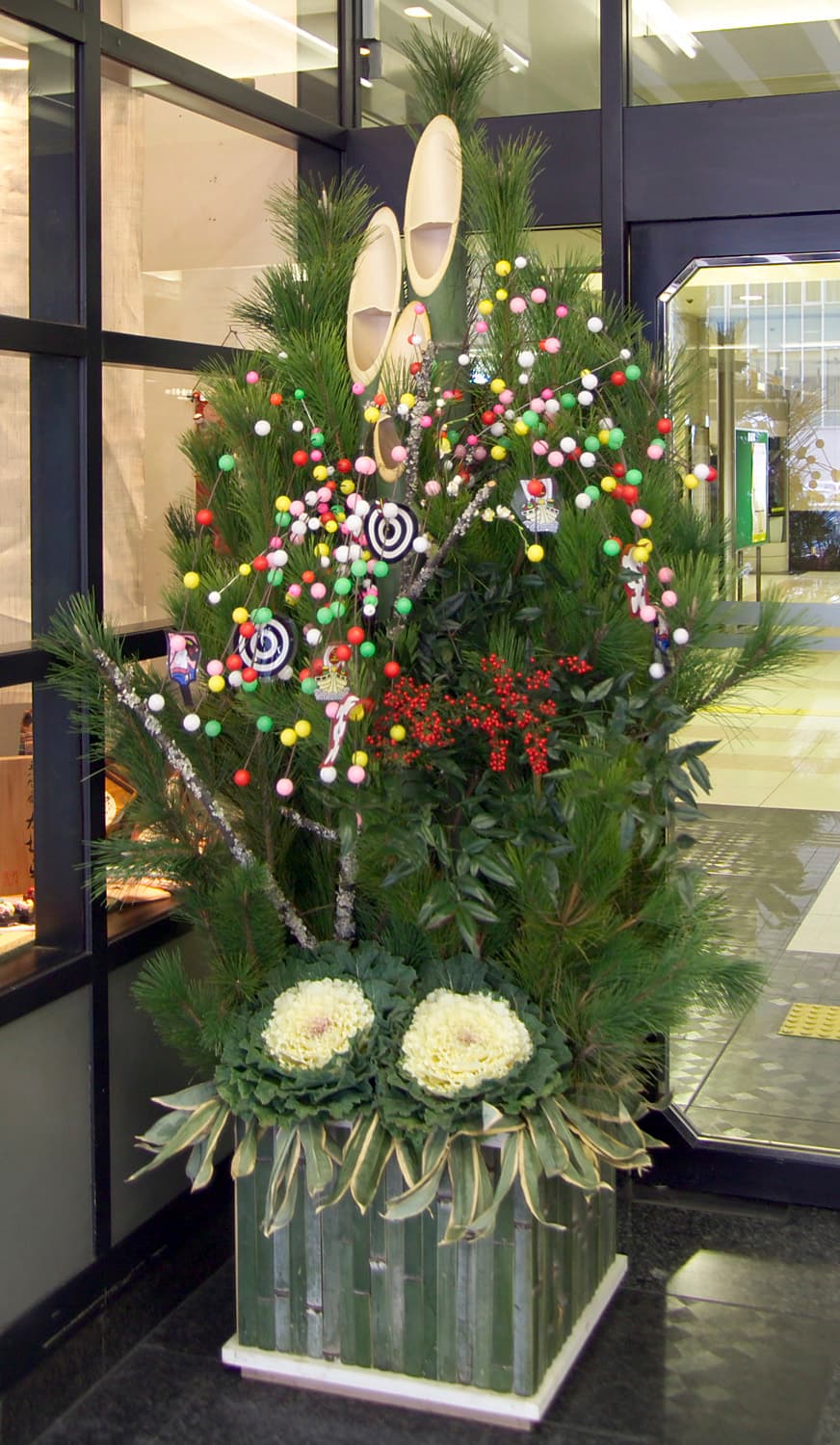
Japanese homes display special decorations during New Year. Kadomatsu (gate pine) arrangements flank entrances to welcome ancestral spirits and gods. Shimenawa (sacred ropes) mark purified spaces. Kagami mochi (rice cake decorations) represent prosperity and longevity. These decorations are typically taken down on January 7th and burned at shrines in ceremonial fires.
Each year is associated with one of twelve zodiac animals, and New Year decorations often feature that year's animal. 2026 is the Year of the Horse, so horse motifs appear on cards, decorations, and merchandise. Nengajo (New Year's cards) featuring zodiac animals are sent to friends and family, arriving on January 1st like a massive wave of greetings delivered together.
Stay Connected in Japan
Yesim eSIMs work on arrival — no physical SIM needed. Japan data plans from $5.