
Japanese Costume Etiquette: Kimono, Yukata, and Traditional Dress
By Tour in Japan editors · Updated
Learn proper etiquette for wearing Japanese traditional clothing. Master kimono and yukata dressing rules, cultural respect, and when to wear each style.
Wearing Japanese traditional clothing offers a beautiful way to connect with the country's cultural heritage, but it comes with specific etiquette and rules that reflect centuries of tradition. Whether you're renting a kimono for sightseeing, wearing a yukata at a ryokan, or attending a formal event, understanding proper dress and behavior shows respect for the culture and ensures you feel confident in your attire. This guide covers everything you need to know about Japanese costume etiquette for visitors.
Kimono vs. Yukata: Understanding the Difference
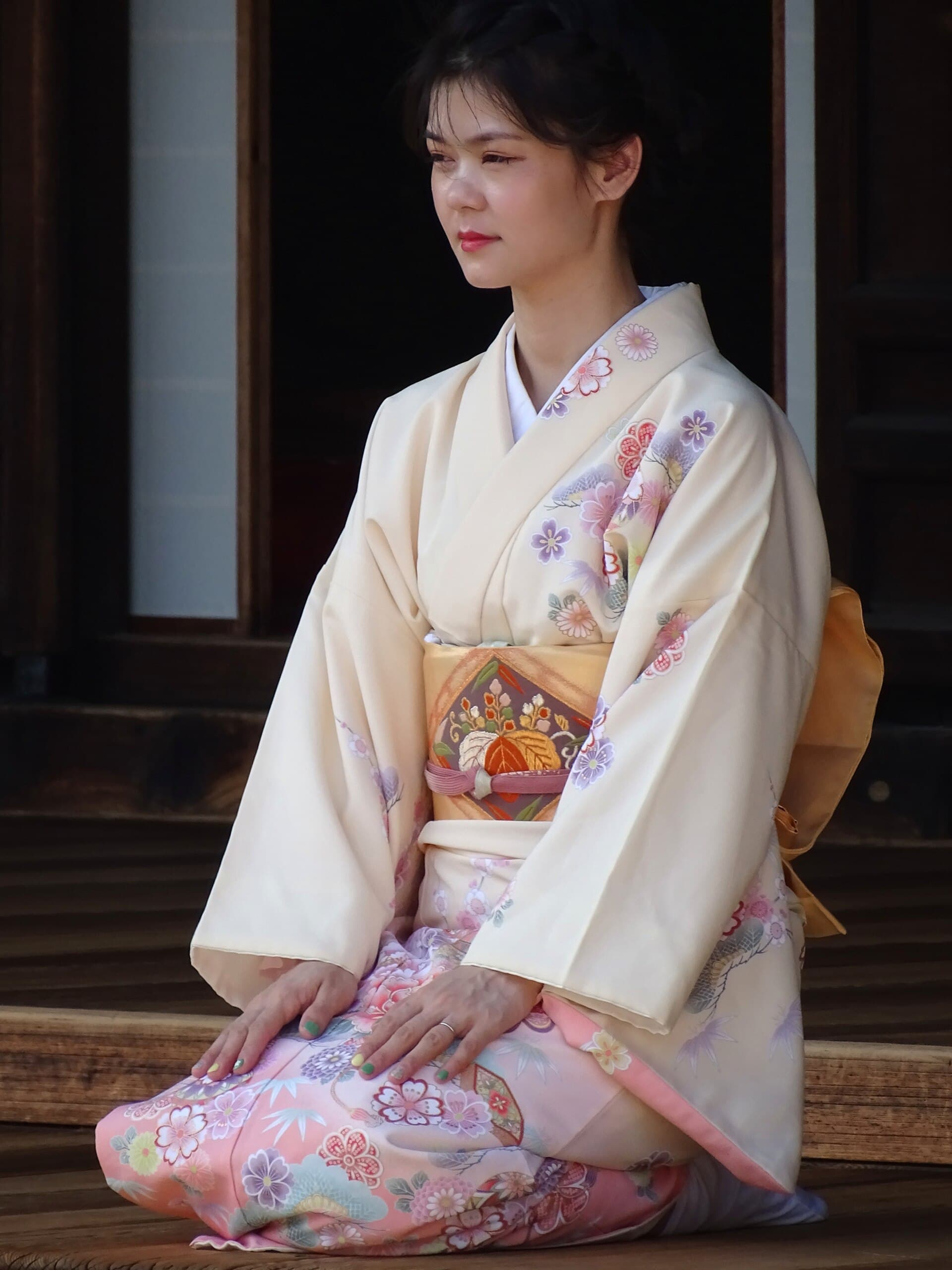
Kimono and yukata may look similar to outsiders, but they serve different purposes and follow distinct rules. Kimono are formal garments made from high-quality silk, worn for special occasions like weddings, tea ceremonies, and coming-of-age ceremonies. The dressing process is complex, often requiring assistance, and specific rules govern everything from color combinations to the direction of collar wrapping.
Yukata are casual summer garments made from cotton, traditionally worn after bathing at onsen or during summer festivals. They're much simpler to put on and don't require the layered undergarments of formal kimono. Yukata are appropriate for casual summer outings, ryokan stays, and fireworks viewing, but not for formal events. Understanding this distinction helps you choose appropriate attire for any situation.
Dressing Rules and Proper Fit
The left-over-right wrapping rule is absolute in Japanese clothing—always wrap the left side over the right. The reverse (right over left) is used exclusively for dressing the deceased. This mistake is considered deeply offensive, so double-check your wrapping before leaving the house. The obi (sash) should be tied according to your gender and the formality of the occasion—women's obi are more elaborate and tied in the back, while men's are simpler and tied lower.
Proper fit is crucial for both appearance and comfort. The garment should fit snugly but allow comfortable movement. The collar should sit at the base of the neck, not too high or low. Sleeves should fall to the wrist when arms are relaxed. When renting, staff will help you achieve the correct fit—don't hesitate to ask for adjustments if something feels wrong.
Behavior and Movement in Traditional Dress
Moving in kimono or yukata requires adjusting your normal walking and sitting patterns. Take smaller steps and avoid long strides that can disrupt the garment's drape. When sitting, kneel on the floor (seiza) rather than crossing your legs, which can wrinkle the fabric and is considered impolite in formal settings. For women, keep knees together when sitting to maintain modesty.
Be mindful of your sleeves when eating or drinking—tuck them back or use the provided sleeve ties to keep them out of your food. When using stairs, hold the hem of your garment slightly to prevent tripping. In narrow spaces, gather your sleeves close to your body to avoid catching them on doorframes or other obstacles.
Appropriate Occasions and Settings
Kimono rental has become popular for sightseeing in areas like Kyoto, Asakusa, and Kamakura. This is perfectly acceptable for tourists, and many rental shops cater specifically to visitors. However, avoid wearing formal kimono to casual settings like convenience stores or fast food restaurants—it creates an awkward contrast. Yukata are more versatile and appropriate for casual summer activities.
When attending formal events, observe what others are wearing and follow their lead. If you're unsure about the formality level, slightly overdressing is safer than underdressing. At ryokan, yukata are provided for wearing within the property and to nearby onsen, but not for venturing far from the accommodation unless specifically permitted.
Accessories and Grooming
Traditional Japanese accessories complete the look and should be chosen with care. Geta (wooden sandals) or zori (straw sandals) are appropriate footwear, though modern shoes are acceptable for walking long distances. Tabi (split-toe socks) are worn with traditional footwear but can be omitted with modern shoes. Hair should be styled neatly—women often use decorative hairpins (kanzashi) while men may wear traditional caps.
Makeup should be natural and understated, especially with formal kimono. Avoid heavy perfume, as Japanese aesthetics value subtlety. Small handbags or drawstring pouches complement the outfit without overwhelming it. When in doubt, simpler is better—let the beautiful fabric and traditional silhouette be the focus.
Stay Connected in Japan
Yesim eSIMs work on arrival — no physical SIM needed. Japan data plans from $5.