
Japanese Bath Culture: A Complete Guide to Onsen and Sento
By Tour in Japan editors · Updated
Discover the art of Japanese bathing. Learn onsen etiquette, sento traditions, and how to enjoy Japan's therapeutic hot springs like a local.
Japanese bath culture is more than just getting clean—it's a deeply rooted tradition that offers relaxation, social connection, and spiritual renewal. From natural hot springs (onsen) to neighborhood public baths (sento), understanding Japanese bathing etiquette will transform your travel experience. Whether you're soaking in a mountainside onsen or visiting a historic sento in Tokyo, this guide covers everything you need to know about Japanese bath culture.
Onsen vs. Sento: Understanding the Difference
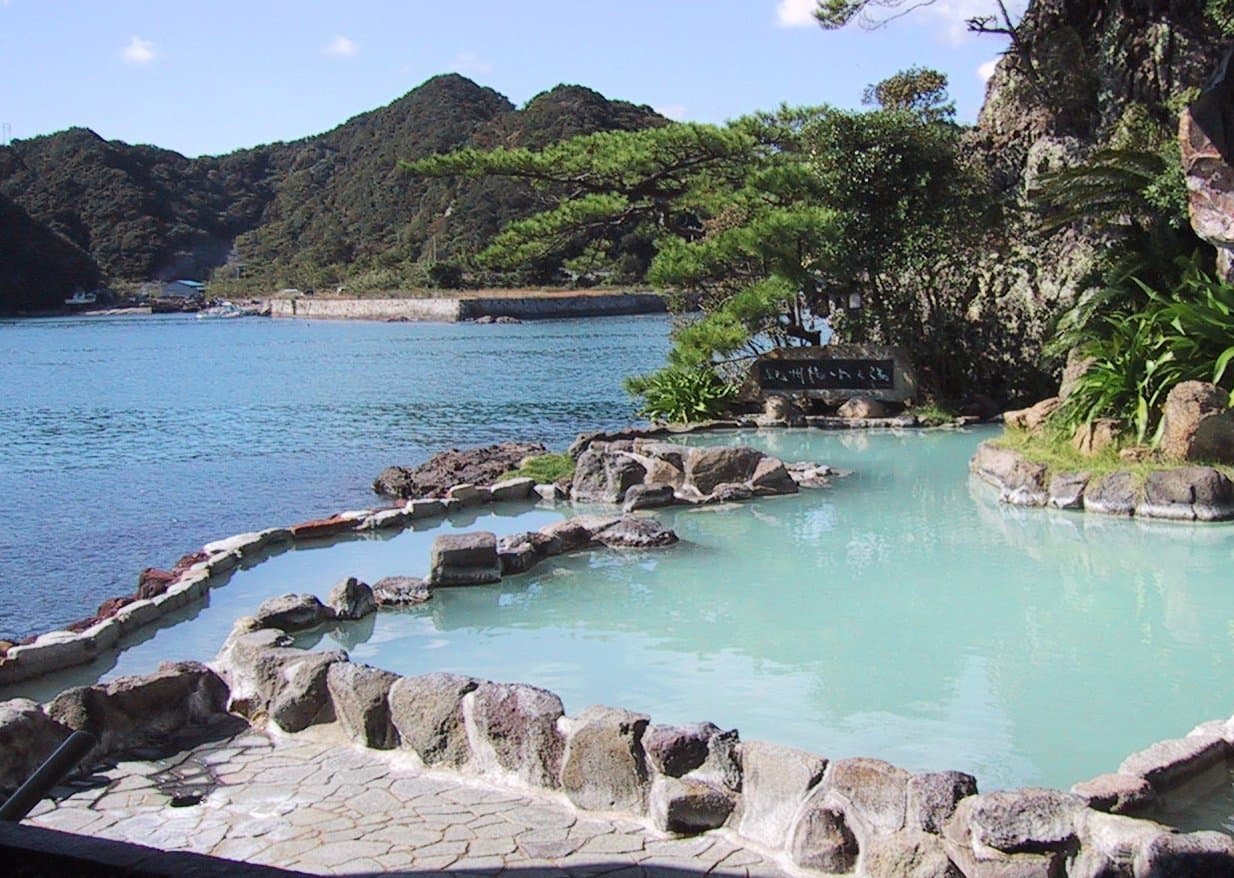
While both offer the quintessential Japanese bathing experience, onsens and sentos serve different purposes. Onsen are natural hot springs fed by geothermal waters, often located in scenic rural areas. The mineral-rich waters are believed to have therapeutic properties, making onsens popular destinations for health and wellness. Sento, on the other hand, are public bathhouses typically found in urban neighborhoods. They use heated tap water rather than natural spring water, but they serve as important community gathering spaces where locals socialize and unwind.
The experience at both venues follows similar patterns, but onsens often boast more elaborate facilities, outdoor rotenburo (open-air baths), and stunning natural settings. Sento tend to be more modest, focusing on the essential bathing experience with a nostalgic, retro atmosphere that reflects Japan's Showa-era charm.
Essential Bathing Etiquette
Japanese bathing etiquette is strict but simple once you understand the basics. The golden rule: never enter the bath water without washing and rinsing your body first. Bathing areas are divided into washing stations with stools, buckets, and handheld showers. Sit on the stool (never stand), lather up thoroughly, and rinse completely before moving to the soaking area. The bath itself is for relaxation, not cleaning.
Other important rules include:
- Tattoos are often prohibited—check ahead or use tattoo covers
- Keep your small towel out of the water—place it on your head or beside the bath
- Enter quietly and maintain a peaceful atmosphere
- Don't swim or splash—soaking is a meditative experience
- Rinse off briefly after soaking before leaving the bath area
Health Benefits of Japanese Bathing
The health benefits of Japanese bathing extend beyond simple relaxation. The hot water improves circulation, relieves muscle tension, and can help with conditions like arthritis and rheumatism. Many onsens contain specific minerals—sulfur for skin conditions, radium for pain relief, iron for anemia—that have been valued for centuries. The practice of moving between hot baths and cooler areas stimulates the immune system and improves cardiovascular function.
Mentally, the ritual of bathing provides a meditative escape from daily stress. The combination of warm water, quiet atmosphere, and the act of slowing down creates a mindful experience that resets both body and mind. Many Japanese people visit baths regularly as part of their wellness routine, viewing it as essential for maintaining balance in life.
Top Onsen Destinations in Japan
Japan offers countless onsen destinations, each with unique characteristics and appeal. Hakone, just 90 minutes from Tokyo, combines stunning views of Mount Fuji with numerous high-end resorts and public baths. Kinosaki Onsen in western Japan features seven public baths that you can visit in a yukata while walking through charming streets. Beppu in Kyushu is famous for its diverse hot spring types, including sand baths and mud baths. For a truly remote experience, head to Kawayu Onsen in Wakayama, where you can dig your own bath in the riverbed.
When choosing an onsen destination, consider what matters most to you: mountain scenery, ocean views, historic architecture, or specific mineral waters. Each region offers something unique, from the snow monkeys of Jigokudani in Nagano to the coastal onsen of Izu. Researching beforehand helps you find the perfect bathing experience for your preferences.
Stay Connected in Japan
Yesim eSIMs work on arrival — no physical SIM needed. Japan data plans from $5.