
Japanese Art and Architecture: A Cultural Journey
By Tour in Japan editors · Updated
Explore Japan's rich artistic heritage from ancient temples to contemporary design. Complete guide to traditional arts, modern architecture, and cultural landmarks.
Japan's artistic heritage spans thousands of years, encompassing traditional crafts, religious art, and cutting-edge contemporary design. From ancient temples to modern skyscrapers, Japanese art and architecture reflect a unique aesthetic that values harmony, simplicity, and attention to detail. This journey through Japan's artistic landscape reveals the deep cultural values that shape the country's visual identity.
Traditional Japanese Architecture
Japanese architecture is characterized by its harmony with nature, use of natural materials, and sophisticated joinery techniques. Traditional buildings feature wooden construction, tiled roofs, and sliding doors that blur the boundary between interior and exterior spaces.
Temple Architecture
Buddhist temples feature distinctive elements like the pagoda (multi-story tower), main hall (kondo), and gates (mon). The use of natural wood, curved roofs, and careful proportioning creates buildings that seem to grow from their surroundings. Famous examples include Kinkaku-ji (Golden Pavilion) and Horyu-ji, the world's oldest wooden building.
Shrine Architecture
Shinto shrines are characterized by torii gates, which mark the transition from the secular to the sacred. The distinctive curved roofs, unpainted wood, and simple design reflect Shinto values of purity and harmony with nature. Ise Jingu, rebuilt every 20 years, represents the ultimate expression of this architectural tradition.
Traditional Houses
Machiya (townhouses) and minka (farmhouses) showcase traditional domestic architecture. Features include tatami mat flooring, shoji screens, engawa (verandas), and irori (hearth). The gassho-zukuri style of Shirakawa-go, with its steep thatched roof, is particularly distinctive and designed to withstand heavy snow.
Traditional Japanese Arts
Calligraphy (Shodo)
Japanese calligraphy is more than writing—it's an art form that expresses character and emotion through brushwork. Using traditional tools (fude brush, sumi ink, washi paper), calligraphers create characters that balance form, rhythm, and spiritual expression. It's considered a path to self-cultivation and mental discipline.
Ikebana (Flower Arrangement)
Unlike Western flower arranging, ikebana emphasizes minimalism, asymmetry, and the spaces between elements. Different schools (Ikenobo, Ohara, Sogetsu) have distinct philosophies, but all share an appreciation for natural beauty and seasonal awareness. The practice is considered a form of meditation.
Tea Ceremony Utensils
The tea ceremony has spawned numerous art forms, including ceramics (raku, hagi, karatsu ware), bamboo crafts (chasen whisks, flower containers), and lacquerware. Each utensil is carefully chosen for its aesthetic and functional qualities, reflecting the wabi-sabi aesthetic of finding beauty in imperfection.
Ukiyo-e (Woodblock Prints)
These "pictures of the floating world" captured Edo-period urban life, landscapes, and famous beauties. Artists like Hokusai and Hiroshige created iconic images that influenced Western artists like Van Gogh and Monet. The bold compositions and flat perspective continue to inspire contemporary artists.
Modern Japanese Architecture
Japan's modern architecture continues to innovate while respecting traditional values. Contemporary architects like Tadao Ando, Kengo Kuma, and SANAA have gained international recognition for buildings that blend modern technology with Japanese aesthetic principles.
Notable Modern Buildings
- Tokyo Skytree: Modern engineering meets traditional aesthetics
- 21_21 Design Sight: Tadao Ando's minimalist concrete masterpiece
- National Art Center Tokyo: Kisho Kurokawa's innovative glass facade
- TeamLab Borderless: Digital art redefining space
Contemporary Japanese Art
Japan's contemporary art scene is vibrant and diverse, from traditional crafts reimagined for modern audiences to cutting-edge digital installations. Artists like Yayoi Kusama, Takashi Murakami, and Yoshitomo Nara have achieved international fame while maintaining distinctly Japanese perspectives.
Art Museums
Japan's museums showcase both traditional and contemporary art:
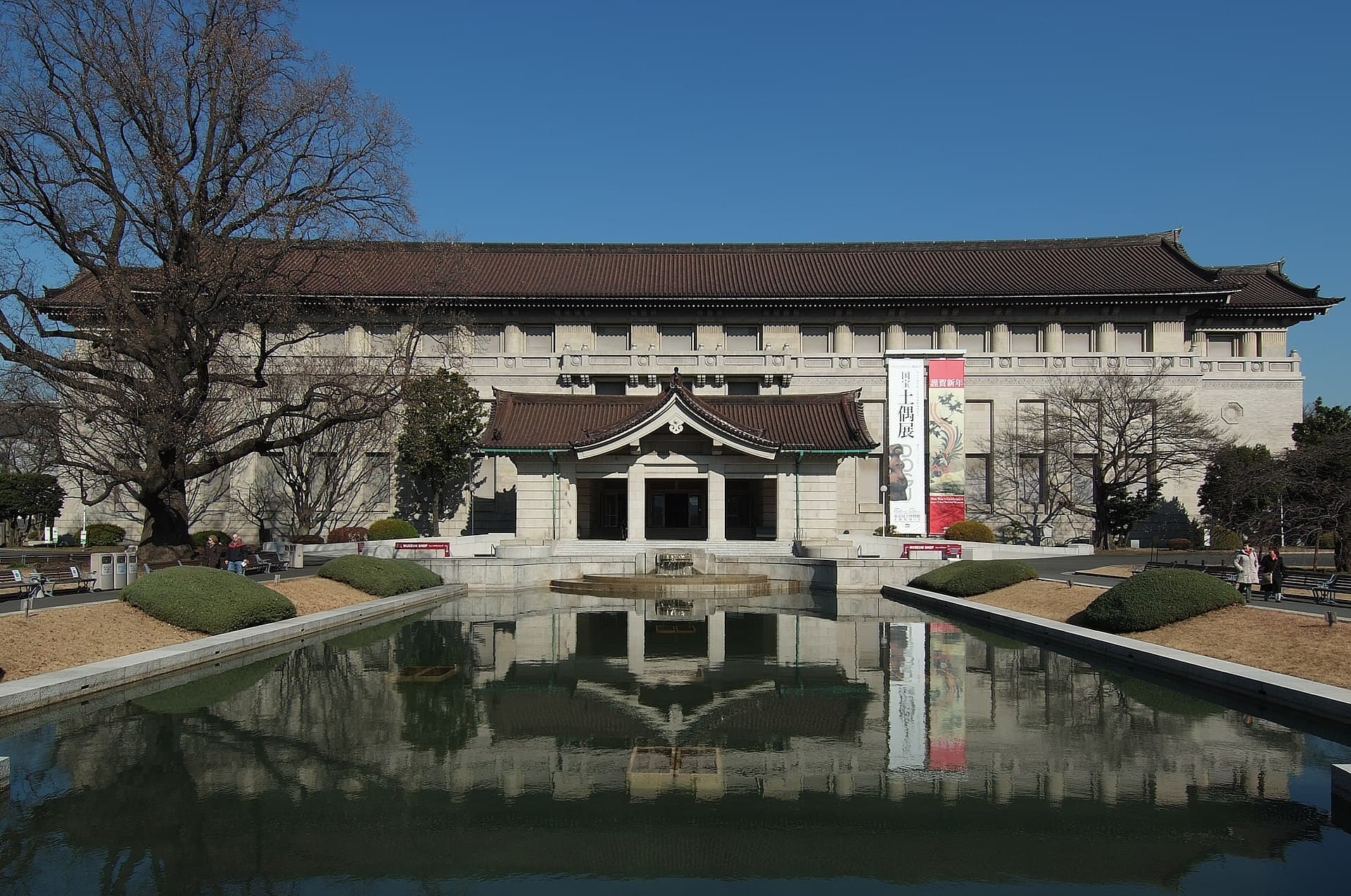
- Tokyo National Museum: Japan's oldest and largest museum
- Mori Art Museum: Contemporary art in Roppongi Hills
- 21_21 Design Sight: Design-focused exhibitions
- Adachi Museum of Art: Perfect integration of art and garden
Key Aesthetic Principles
Understanding Japanese aesthetics requires knowing these core concepts:
- Wabi-sabi: Finding beauty in imperfection and transience
- Ma: The importance of empty space
- Shibui: Subtle, unobtrusive beauty
- Yugen: Profound, mysterious grace
- Kanso: Simplicity and elimination of clutter
Where to Experience Japanese Art
- Kyoto: Traditional temples, gardens, and crafts
- Tokyo: Contemporary art and design
- Kanazawa: Traditional crafts and gardens
- Naoshima: Art island with outdoor installations
Japanese art and architecture offer a profound window into the country's culture and values. From ancient temples that have stood for centuries to contemporary buildings pushing architectural boundaries, Japan's visual landscape reflects a society that honors tradition while embracing innovation. Whether you're admiring a Zen garden, exploring a modern museum, or simply walking through historic streets, Japan's artistic heritage provides endless opportunities for discovery and appreciation.
Stay Connected in Japan
Yesim eSIMs work on arrival — no physical SIM needed. Japan data plans from $5.