
Japan Wheelchair Accessibility: What's Barrier-Free and What's Not
By Tour in Japan editors · Updated
Japan has made significant progress in accessibility, but challenges remain. Here's a realistic guide for travelers with mobility needs.
Japan has made significant progress in accessibility, but challenges remain. Here's a realistic guide for travelers with mobility needs.
Overall Assessment
Japan is moderately accessible — major cities and new infrastructure are good, but older areas and rural regions can be challenging.
What's Good
- New metro stations — most stations built after 2000 have elevators and ramps
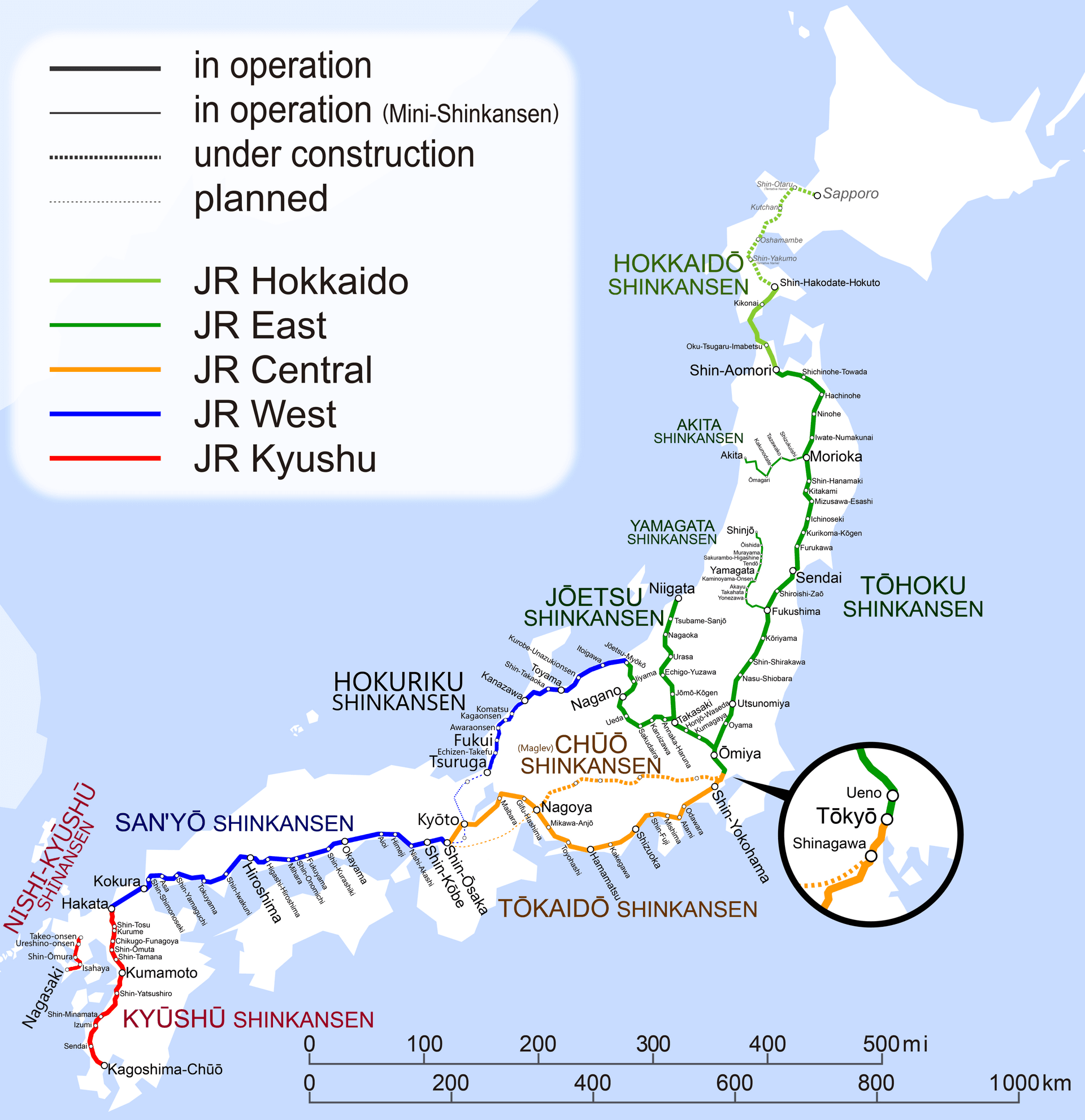
- Shinkansen — all trains are wheelchair accessible with priority seating
- Hotels — major chains have accessible rooms
- Restaurants — ground-floor restaurants are usually accessible
- Public toilets — most modern buildings have accessible restrooms
What's Challenging
- Old stations — some lack elevators (check before traveling)
- Kyoto temples — many have gravel paths, stairs, and no ramps
- Rural areas — limited accessible infrastructure
- Crowded trains — rush hour makes wheelchair boarding difficult
- Traditional ryokan — many have steps, futons on floor, no roll-in showers
Accessible Transport
Shinkansen
- All Shinkansen trains are wheelchair accessible
- Wheelchair spaces in cars 11 and 12 (most trains)
- Priority seating in cars 1–3 and 9–10
- Accessible restrooms in wheelchair cars
- Station elevators — available at all major Shinkansen stations
Metro (Tokyo, Osaka, Kyoto)
| City | Elevators | Ramps | Accessible Toilets |
|---|---|---|---|
| Tokyo Metro | 95% of stations | Most | Most stations |
| Toei Subway | 90% of stations | Most | Most stations |
| Osaka Metro | 85% of stations | Most | Most stations |
| Kyoto Metro | 80% of stations | Some | Most stations |
Buses
- Low-floor buses available in major cities
- Wheelchair ramps on many city buses
- Driver assistance — drivers will deploy ramps
Taxis
- Wheelchair-accessible taxis available (require advance booking)
- JapanTaxi app — filter for accessible vehicles
- Cost — same as regular taxis
Accessible Attractions
Generally Accessible
- Tokyo Skytree — elevator to observation deck
- TeamLab Borderless — ground floor accessible
- Osaka Aquarium — fully accessible
- Hiroshima Peace Memorial Museum — fully accessible
- Meiji Shrine — paved paths, mostly flat
- Nara Park — flat, open areas
Partially Accessible
- Kyoto temples — some have accessible paths, many don't
- Fushimi Inari — first section accessible, full climb is stairs only
- Osaka Castle — elevator to top floor, but some areas have stairs
- Hakone — some ropeways have wheelchair spaces
Not Accessible
- Most traditional ryokan — steps, futons, no roll-in showers
- Mountain temples — steep stairs, gravel paths
- Fushimi Inari full trail — 10,000+ stairs
- Many izakaya — narrow, steps at entrance
Accessible Hotels
Major Chains with Accessible Rooms
| Chain | Accessible Rooms | Features |
|---|---|---|
| Hotel Mystays | Yes | Roll-in shower, grab bars |
| Dormy Inn | Some locations | Accessible rooms, onsen |
| APA Hotels | Some locations | Barrier-free rooms |
| Hilton Japan | Yes | Full accessibility |
| Marriott Japan | Yes | Full accessibility |
| Hyatt Japan | Yes | Full accessibility |
Booking Tips
- Book directly and request accessible room in advance
- Call ahead — confirm specific accessibility features
- Request ground floor — if elevator access is uncertain
- Check photos — some "accessible" rooms have narrow doorways
Planning Tools
Apps
- Accessibility Map Japan (ac-map.jp) — crowdsourced accessibility info
- Google Maps — search for "wheelchair accessible" in filters
- Japan Accessible Tourism Center (japan-accessible.com) — trip planning assistance
Websites
- Japan Accessible Tourism Center — detailed accessibility reviews
- Access Japan (access-japan.jp) — accessibility information by region
- JNTO — official tourism accessibility guide
Tips
- Plan ahead — check accessibility of each attraction before visiting
- Travel with a companion — some situations require assistance
- Carry a card — Japanese phrase "車椅子です" (kurumaisu desu = I use a wheelchair)
- Avoid rush hour — 7:30–9:30 AM, 5:30–7:30 PM
- Contact hotels directly — email in advance to confirm accessibility
- Use accessible taxis for difficult routes — book via JapanTaxi app
- Bring supplies — accessible restrooms may lack grab bars or supplies
- Wheelchair rental — available at major stations and tourist spots (¥500–1,000/day)
📱Get a Japan eSIM
Stay Connected in Japan
Yesim eSIMs work on arrival — no physical SIM needed. Japan data plans from $5.