
Japan Travel Planning Guide
Plan your Japan trip with current costs, transit rules, and seasonal forecasts. Experience highlights like Osaka's 360-degree light shows and Shimanami Kaido cycling. Budget ¥10,000 to ¥20,000 (~$65 to ~$130 USD) daily for mid-range travel while navigating IC cards and late autumn foliage.
Affiliate link — we may earn a commission at no extra cost to you. Affiliate disclosure
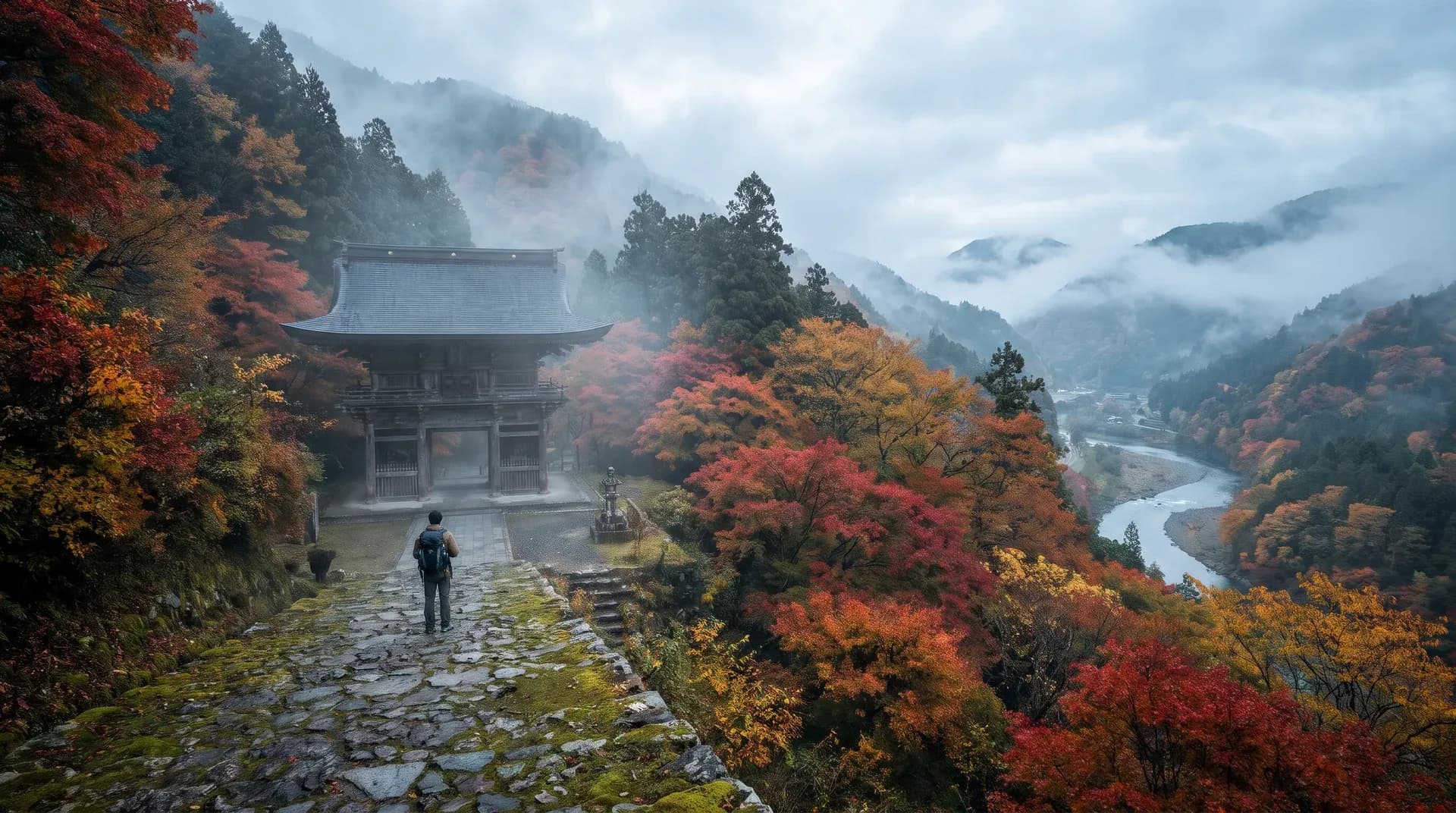
The autumn air in Japan carries a distinct crispness, though above-average temperatures in November 2026 mean the bright yellows and crimsons of autumn arrive slightly later than usual, as reported by the Japan Times in November 2026. This guide covers a comprehensive journey through western Japan and major cultural hubs, blending urban digital art experiences with island cycling adventures. This is for independent travelers looking to move past generic tourist itineraries and navigate real-world transport logistics, network reliability, and seasonal shifts across Osaka and the Seto Inland Sea.
Stepping off the train at Osaka Station, the immediate hum of the Kansai urban network sets the pace. For travelers looking to understand foundational urban planning before heading west, reviewing a structured [Osaka 3‑Day Budget Itinerary: Costs, Transit & Food](/blog/osaka-3day-budget-itinerary) helps anchor your initial days. The city's transit relies on the JR Osaka Loop Line and municipal subways, easily tapped through a digital or physical Suica or Icoca card. A standard subway ride within central Osaka costs roughly ¥180 to ¥330 (~$1.20 to ~$2.20 USD, 2026). Network connectivity remains vital for navigating these lines; major carriers like NTT Docomo experienced temporary network glitches in November 2026, making offline maps and physical station signage essential backups for foreign visitors.
Essential Highlights & Local Itinerary
Tennoji Park and Osaka City Museum of Fine Arts
Located in the heart of Tennoji Ward, Osaka, the Osaka City Museum of Fine Arts serves as a primary cultural anchor. To get there from central Osaka, take the JR Osaka Loop Line from Osaka Station or your hotel near Umeda to Tennoji Station, which takes approximately 15 to 20 minutes depending on your starting point; the journey costs ¥180 for an adult fare. Upon exiting Tennoji Station via the North Exit, the museum is a straightforward seven-minute walk, passing beneath the elevated railway tracks and through the entrance gate of Tennoji Park. The museum itself occupies a sleek modern building with panoramic windows, offering views over the expansive Tennoji Park grounds that stretch towards the historic Osaka Castle ruins. The best time to visit is during the late afternoon, ideally between 3:30 PM and 5:00 PM, allowing you to transition straight into evening exhibition slots and catch the golden hour light filtering through the park's trees. Through January 11, 2027, the museum hosts Projektil's projection-mapped 360-degree light show featuring Vivaldi's Four Seasons, as covered by Japan Forward in November 2026. Five shows run daily: one at 3:00 PM, two at 4:00 PM, one at 5:30 PM, and a final show at 7:00 PM. These shows typically last 25 to 30 minutes each. Ticket prices vary by exhibition, but special immersive digital art shows typically range from ¥2,000 to ¥2,500 (~$13 to ~$16 USD, 2026). Advance online reservations are recommended as evening slots can sell out, especially on weekends. Plan to spend roughly two hours exploring the galleries and the surrounding historic park grounds, which include the Osaka Museum of History, Shitenno-ji Temple ruins, and the iconic Osaka City Observatory.
Shimanami Kaido Cycling Road
Stretching across the Seto Inland Sea, the 70-kilometer (43.5-mile) Shimanami Kaido ties together seven different islands from Onomichi in Hiroshima Prefecture to Imabari in Ehime Prefecture. To reach the starting point from Osaka, take the JR Sanyo Shinkansen from Shin-Osaka Station to Shin-Onomichi Station, which takes approximately 45 minutes and costs ¥5,440 for an adult unreserved seat. Upon arriving at Shin-Onomichi Station, transfer to the JR Kure Line or take the Onomichi City Loop Bus (Route 1) to Onomichi Station, adding another 15 minutes and ¥260 to your journey. The cycling route officially begins at Onomichi Station's north exit, where the dedicated Shimanami Kaido cycling path departs. This route is widely considered Japan's best cycling course, and it is fully accessible to bicycling beginners who take advantage of the numerous rental hubs along the route. Rental bikes cost approximately ¥1,000 to ¥3,000 (~$6.50 to ~$20 USD, 2026) per day, plus a ¥5,000 deposit if dropped off at a different terminal; bike shops like Lawson Cycle and Shimanami Kaido Rental operate daily from 8:00 AM to 6:00 PM, though some locations close earlier during winter months. The route features 59 scenic bridges, including the iconic Seto Ohashi Bridge, and is completely flat with gentle inclines of no more than 3%, making it ideal for leisurely exploration. Allocate two full days to complete the span comfortably at a beginner pace, stopping at island citrus orchards and shrines along the way. Overnight stays are available in traditional minshuku accommodations on islands like Innoshima and Ikuchijima, with dinner and breakfast typically costing ¥8,000 to ¥12,000 per person. The route includes ferry connections between certain islands, which are integrated into the cycling pass system and operate from 9:00 AM to 5:00 PM on weekdays.
Tokyo Capital Transition and Capital Parks
If your itinerary includes a capital stop before heading west, exploring central green spaces provides a necessary contrast to the concrete density. For travelers mapping out an autumn capital excursion, consulting the Tokyo Autumn Festivals Itinerary: Halloween, Food, Godzilla offers specific timing for seasonal neighborhood events. Navigating Tokyo requires mastering the Yamanote Line, where fares range from ¥160 to ¥200 (~$1.05 to ~$1.30 USD, 2026) for a single ride between major stations like Shinjuku and Shibuya. The Yamanote Line operates from 5:00 AM to midnight, with trains running every 3 to 5 minutes during peak hours. Visiting historic gardens during peak foliage—which runs later into December due to lingering warmth—costs roughly ¥300 (~$2.00 USD, 2026) for entry at municipal sites like Hama-rikyu. Hama-rikyu Gardens, located in Chuo Ward near Shimbashi Station on the Yurakucho Line, open at 9:00 AM and close at 5:00 PM from April through October, and from 9:00 AM to 4:30 PM from November through March. The garden features a picturesque tidal pond, traditional teahouses, and seasonal plantings that showcase autumn colors from mid-November through early December. A short 10-minute walk from Hama-rikyu leads to the historic Tsukiji Outer Market, where you can sample fresh sushi and regional delicacies before continuing your exploration of Tokyo's eastern districts.
Practical Details & Dual-Currency Budget
Best Season & Weather
Autumn peak foliage generally shifts later into November and early December due to above-average temperatures reported by weather forecasters in 2026. The Kanto region (Tokyo and surrounding areas) typically sees peak colors between late November and early December, while the Kansai region (Osaka, Kyoto, Kobe) peaks slightly earlier, from mid-November to late November. Spring (March to May) brings cherry blossoms but intense crowds, with hanami viewing parties drawing millions to parks like Ueno Park, Shinjuku Gyoen, and Kyoto's Maruyama Park. Summer is humid and prone to typhoons, with the rainy season typically running from early June to mid-July, bringing daily downpours that can disrupt travel plans. Winter offers crisp, clear days with fewer tourists, making it an ideal shoulder season for budget travelers; December and January see significantly reduced accommodation prices in major cities, though winter festivals like the Sapporo Snow Festival and the Tokyo Snowlight draw domestic visitors.
Budget Breakdown
Budget travelers staying in hostels and eating convenience store bento boxes or casual ramen can expect to spend ¥6,000 to ¥9,000 (~$40 to ~$60 USD, 2026) per day. This budget includes dormitory-style accommodation at facilities like Book and Bed Kyoto or Osaka Guesthouse Downtown, which offer beds from ¥2,500 to ¥4,000 per night. Meals consist primarily of convenience store onigiri, supermarket bento boxes, and 500 yen ramen shops like Ichiran or Ippudo. Transportation is limited to walking and occasional subway rides using prepaid IC cards. Mid-range travelers utilizing business hotels, sit-down dining, and regional trains should budget ¥15,000 to ¥25,000 (~$100 to ~$165 USD, 2026) daily. This includes stays at business hotels like APA Hotel or Toyoko Inn, which cost ¥8,000 to ¥12,000 per night, meals at mid-tier restaurants and department store food floors, and unlimited access to regional transit via 1-day or 3-day passes. Cash remains necessary for smaller shrines, coin lockers, and rural vending machines, though IC cards and credit cards are widely accepted in convenience stores and chain restaurants. ATMs that accept foreign cards are available at 7-Eleven, Japan Post Offices, and major banks throughout urban centers.
Transit & Access
Regional IC cards (Suica, Pasmo, Icoca) cover almost all urban subways, buses, and convenience store purchases. For travelers entering Japan, purchasing an Icoca card at Kansai International Airport costs ¥500 for the card plus the value loaded, and it works smoothly on the JR West network including the Haruka Express airport train. The JR Pass remains cost-effective for extensive intercity travel, with a 7-day ordinary pass priced at ¥29,650 (~$195 USD, 2026). However, individual ticket purchases often rival or beat the cost of a nationwide JR Pass following recent price hikes in October 2025. Ride-hailing apps like Go operate in major cities, but traditional taxis are clean, metered, and widely available at railway stations. Taxi fares begin at ¥410 for the first 1.05 km, with additional charges of ¥80 per 280 meters thereafter; a typical ride across central Osaka costs ¥1,500 to ¥2,500 depending on traffic conditions. For airport transfers, the Nankai Airport Express from Kansai International Airport to Namba costs ¥1,430 and takes 36 minutes, while the Haruka Express to Osaka Station costs ¥2,850 and takes 50 minutes.
Where to Eat & Local Food Secrets
Osaka Street Food Staples
Osaka is famously known as Japan's kitchen, driven by a culture of hearty, affordable street food. Head to the Dotonbori canal or Shinsekai district to find specialized vendors. The Dotonbori area, accessible via the Keihan Line to Dotonbori Station or the Osaka Metro Midosuji Line to Umeda Station followed by a 10-minute walk, comes alive after sunset with neon-lit billboards and the iconic Glico Man sign. The surrounding streets are lined with yatai (street food stalls) that open from 5:00 PM until late evening.
Takoyaki and Okonomiyaki
Takoyaki (octopus dumplings) typically cost ¥500 to ¥700 (~$3.30 to ~$4.60 USD, 2026) for an eight-piece boat served piping hot from open-griddle street stalls. The legendary Takoyaki Juhachiban, located near Dotonbori Station, has been serving customers since 1966 and uses a proprietary batter recipe that delivers a crispy exterior and gooey interior. Okonomiyaki (savory cabbage pancakes layered with pork or seafood) ranges from ¥900 to ¥1,500 (~$6.00 to ~$10.00 USD, 2026) at neighborhood counter spots where chefs cook on a hot iron teppan right in front of you. The historic district of Denden Town in Namba offers several okonomiyaki specialists, including Mizuno, which has been operating since 1945 and attracts long queues during lunch hours. For a more upscale experience, the Okonomiyaki Kiji restaurant in Umeda Sky Building's Kitchen Street offers premium ingredients and panoramic city views, with prices starting at ¥2,000 per person.
Dining Etiquette
Always place cash or cards on the small tray provided at cash registers rather than handing money directly to the cashier. Tipping does not exist in Japan and can cause confusion if attempted. Slurping noodles is considered polite and signals that you are enjoying the meal. When dining at ramen shops, it's customary to say "itadakimasu" before eating and "gochisousama deshita" after finishing your meal. At sushi restaurants, dipping soy sauce and wasabi directly into the fish is acceptable, though many traditional sushi masters prefer mixing a small amount of soy sauce into wasabi beforehand.
Essential Traveler Checklist
- Pack comfortable slip-on walking shoes because you will remove footwear frequently at temples, traditional inns, and historic sites. Many temples require you to cleanse your hands and mouth at temizuya water basins before entering, and some traditional accommodations provide slippers but require you to wear them only in common areas.
- Secure a data-enabled eSIM before departure, keeping in mind that major domestic carriers like NTT Docomo can occasionally experience unexpected network maintenance or glitches. Pre-ordering an eSIM from providers like Sakura Mobile or B-Mobile ensures you have internet access upon arrival at Kansai International Airport or Narita International Airport.
- Carry a physical wallet with at least ¥10,000 (~$65 USD, 2026) in cash, as rural vending machines, temple entry boxes, and small food stalls often do not accept credit cards. ATMs that accept foreign cards are available 24 hours at 7-Eleven stores throughout Japan, making it easy to withdraw yen even late at night.
- Dress modestly when entering sacred spaces by covering your shoulders and knees, and always remove hats before stepping into temple halls. At major shrines like Fushimi Inari Taisha in Kyoto, visitors are expected to perform purification rituals at the temizuya before ascending the thousands of torii gates.
- Memorize essential Japanese phrases, starting with sumimasen (excuse me / thank you) and arigatou gozaimasu (thank you very much). Learning basic phrases like "eigo ga hanasemasu ka?" (Do you speak English?) and "komugiwai no e"
Check train schedules and exhibition dates directly at station counters or official museum portals before you depart.
Frequently Asked Questions
How much does a mid-range trip to Japan cost per day?
A mid-range traveler spending money on business hotels, sit-down meals, and regional train transit should budget between ¥15,000 and ¥25,000 (~$100 to ~$165 USD, 2026) per day. This covers comfortable lodging, transit, and standard sightseeing fees.
Is the Shimanami Kaido suitable for beginner cyclists?
Yes, the 70-kilometer route across the Seto Inland Sea is considered Japan's best cycling course and is accessible to beginners. Numerous rental hubs allow you to rent bikes for ¥1,000 to ¥3,000 (~$6.50 to ~$20 USD, 2026) and complete the journey across multiple days at an easy pace.
What are the operating dates for the Osaka Museum light show?
Projektil's projection-mapped 360-degree light show featuring Vivaldi's Four Seasons runs five shows daily at the Osaka City Museum of Fine Arts through January 11, 2027, as reported by Japan Forward.
How do I pay for public transit in Japan?
You can use IC cards such as Suica, Pasmo, or Icoca across almost all urban subways, buses, and trains. Simply tap your card or phone at the ticket gates upon entry and exit.
Related reading
- [Tokyo Forest Escape: From Imperial Palace Cafe to Ogasawara ](/blog/tokyo-forest-escape-imperial-palace-cafe-ogasawara)
- [Tokyo November Travel Guide: Weather, Costs & Festival Logis](/blog/tokyo-november-travel-guide-weather-costs-festivals)
- [Tokyo Autumn Festivals Itinerary: Halloween, Food, Godzilla ](/blog/tokyo-autumn-festivals-itinerary)
- [Asuka Fujiwara UNESCO Itinerary: Heritage, Pop Culture, and ](/blog/asuka-fujiwara-unesco-itinerary)
Sources
Ready to explore Japan?
Browse tours and activities, or tell us what you're looking for and we'll suggest the best options.
Stay Connected in Japan
Airalo eSIMs work on arrival — no physical SIM needed. Data plans from $5 for 7 days.
Travel Insurance for Japan
Medical, trip cancellation, and adventure sports covered. Plans from $1.5/day.