
Japan Itinerary for First-Timers: What to See, Skip, and Prioritize
By Tour in Japan editors · Updated
First-time visitors to Japan face an overwhelming choice of sights. This guide cuts through the noise to explain what genuinely deserves your limited time and what can safely wait for trip two.
Planning a first-timer Japan itinerary means making ruthless choices. Every guidebook lists 200 must-sees; every blog post promises the definitive list. The reality is that Japan is so rich and varied that you cannot do it justice on a single trip, and the attempt to see everything leaves most first-timers exhausted and vaguely dissatisfied. The smarter approach: understand what categories of experience matter most to you, identify the best two or three examples of each, and commit fully to those rather than collecting partial visits to a dozen alternatives. This guide explains what each major category actually delivers, what can be skipped on a first trip, and how to prioritize ruthlessly.
What Every First-Timer Should Actually Do
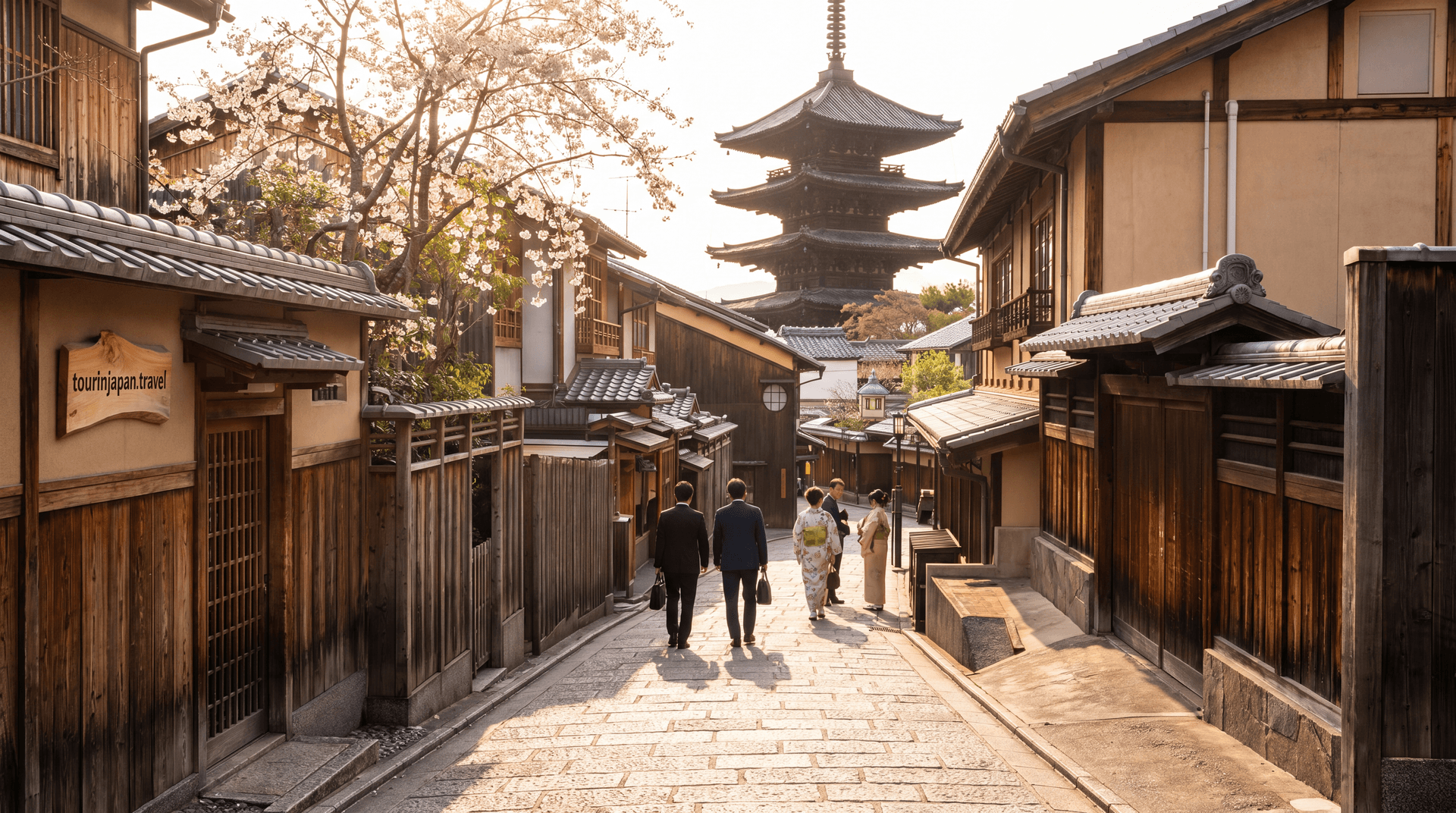
Walk Shibuya Crossing at night: nothing communicates Tokyo's scale and energy better than standing in the middle of the world's busiest pedestrian crossing as thousands of people flow around you. Senso-ji temple in Asakusa at 6-7 AM: the temple's red lantern gate in morning light with incense smoke drifting upward is the Japan of imagination made real. A sushi breakfast at Tsukiji Outer Market: 1,500-2,000 yen buys the finest tuna sashimi you will eat in your life at a small counter stand. Fushimi Inari's upper gates at dawn: crowds thin completely above the first 20 minutes of walking. Gion at dusk: the preserved teahouse architecture of Hanamikoji Street, correctly timed, is genuinely Japan's most beautiful streetscape.
A night in an onsen ryokan: the combination of a hot spring bath, futon on tatami floors, and a multi-course kaiseki dinner at around 25,000-40,000 yen per person is one of the most distinctly Japanese experiences available and represents a level of hospitality that exists nowhere else. Hakone, Arima Onsen near Kobe, or any of dozens of rural hot spring towns make this accessible as a single-night detour.
What Can Be Skipped on Your First Trip
TeamLab digital art museums are impressive but require 2-3 hours and 3,800 yen; skip on a first visit unless digital art is a specific interest. Most people are disappointed by the actual view of Mount Fuji—it is visible less than half the days from the popular Kawaguchiko Lake viewpoints and cannot be climbed October-May. Include it only if you are genuinely set on the mountain. The Imperial Palace in Tokyo has limited access; the grounds are pleasant but not essential. Kyoto's most crowded temples (Arashiyama bamboo grove midday, Kinkaku-ji at 11 AM) are genuinely hard to enjoy—either visit at 6-7 AM or deprioritize.
The Best First-Timer Framework by Trip Length
7 days: Tokyo 3 nights, Kyoto 2 nights, Osaka 1 night, fly home. Tight but doable; focus on fewer sights done well. 10 days: add Hiroshima or Hakone overnight to the above. 14 days: the sweet spot—add Nara, a ryokan night, and one regional detour. 21+ days: add a full Kyushu or Hokkaido circuit.
- The real highlight of any Japan trip: the food. Budget more time and yen for meals than you think necessary
- Convenience stores (konbini): 7-Eleven, FamilyMart, Lawson sell excellent onigiri, sandwiches, and hot food for 150-400 yen
- Temple fatigue is real: most first-timers visit too many temples; 4-5 per trip is plenty, chosen carefully
- Cash is still king: carry 10,000-15,000 yen in cash at all times; many small restaurants and shrines are cash-only
- Etiquette: no eating or phone calls on trains; shoes off in tatami rooms; line up calmly at every queue
- Over-planning is the main mistake: leave 20-30% of each day unscheduled for spontaneous discoveries
- Second trip thinking: whatever you miss on trip one gives you a reason to return, and Japan rewards repeat visits
The best Japan itinerary for a first-timer is always the one you can actually enjoy rather than endure. Three well-chosen sights per day, unhurried transit, proper mealtimes, and a willingness to get lost will produce better memories than a crammed schedule that leaves you too tired to appreciate what you've seen.
Stay Connected in Japan
Yesim eSIMs work on arrival — no physical SIM needed. Japan data plans from $5.