
Japan Expressway Guide: Tolls, ETC, and Driving Tips
By Tour in Japan editors · Updated
Everything you need to know about Japan's expressway toll system — from ETC cards to discount programs and cost calculators.
Everything you need to know about Japan's expressway toll system — from ETC cards to discount programs and cost calculators.
Expressway Basics
Japan's expressways (高速道路 — kōsokudōro) are well-maintained but expensive. The toll system is distance-based.
Toll Calculation
| Factor | Details |
|---|---|
| Base fare | ¥150 per section |
| Distance rate | ¥25–30 per km |
| Typical city trip | ¥300–1,000 |
| Typical long-distance | ¥3,000–10,000 |
Cost Examples
| Route | Distance | Toll (regular) | Toll (ETC) |
|---|---|---|---|
| Tokyo → Yokohama | 30 km | ¥1,310 | ¥1,010 |
| Tokyo → Nagoya | 340 km | ¥11,410 | ¥10,550 |
| Tokyo → Osaka | 500 km | ¥16,500 | ¥15,150 |
| Osaka → Hiroshima | 330 km | ¥11,000 | ¥10,100 |
ETC (Electronic Toll Collection)
What Is ETC?
An electronic payment system — you drive through dedicated gates without stopping. Automatic payment from your account.
How to Get an ETC Card
- Rent with your rental car — most rental companies offer this (¥300–500/day)
- Buy at highway service areas — ETC card vending machines
- Purchase online — from ETC card providers
ETC Card Types
| Type | Payment | Notes |
|---|---|---|
| Prepaid | Load in advance | Good for tourists |
| Postpaid | Pay monthly | Requires Japanese address |
| Credit card linked | Auto-bill | Requires Japanese credit card |
For tourists: Prepaid ETC cards are easiest — load at service areas or convenience stores.
ETC Benefits
- Automatic discount — ¥5–10% off regular tolls
- Time-based discount — 25% off during off-peak hours (midnight–4 AM)
- Weekend/holiday discount — 30% off on some routes
Discount Programs
One-Night Discount (ディスカウント)
- 25% off tolls for driving between midnight and 4 AM
- Automatic with ETC card
Weekend/Holiday Discount
- 30% off on designated routes
- Check current availability at highway service areas
Flat-Rate Tolls
Some expressways offer flat-rate tolls:
| Expressway | Flat Rate | Route |
|---|---|---|
| Higashi-Kanto | ¥1,320 | Full route |
| Nexco West | ¥1,000 | Some routes |
| Kan-Etsu | ¥2,200 | Some sections |
Highway Service Areas (SA/PA)
Japanese highway rest stops are excellent.
What You'll Find
- Restrooms — always clean, often with hot water bidets
- Food courts — local specialties, ramen, udon
- Souvenir shops — regional products
- Gas stations — self-service and full-service
- EV charging — growing number of charging stations
- Observation decks — some SAs have scenic viewpoints
- Napping areas — some have rest lounges
Notable Service Areas
| SA | Location | Famous For |
|---|---|---|
| Hijiri-hama | Tohoku | Largest in Japan |
| Skyland Iida | Chubu | Mountain views |
| Iruma | Saitama | Theme park-like |
| Ebina | Kanagawa | Enormous food court |
Driving Tips
Toll Gates
- Yellow lights = ETC lane (automatic)
- Blue lights = regular lane (manual payment)
- Red lights = exit
- If you don't have ETC, take the regular lane and pay cash at the gate
Speed Limits
- General road: 60 km/h
- Residential: 30 km/h
- Expressway: 100 km/h (some sections 80–120 km/h)
- Speed cameras are everywhere — don't speed
Rest Stops
- Stop every 2 hours — fatigue is a major cause of accidents
- Use the parking areas (PA) for quick stops
- Use the service areas (SA) for meals and longer breaks
- All rest stops have clean restrooms — a surprising luxury
Cost Comparison: Expressway vs Alternatives
| Route | Expressway (car) | Shinkansen | Highway Bus |
|---|---|---|---|
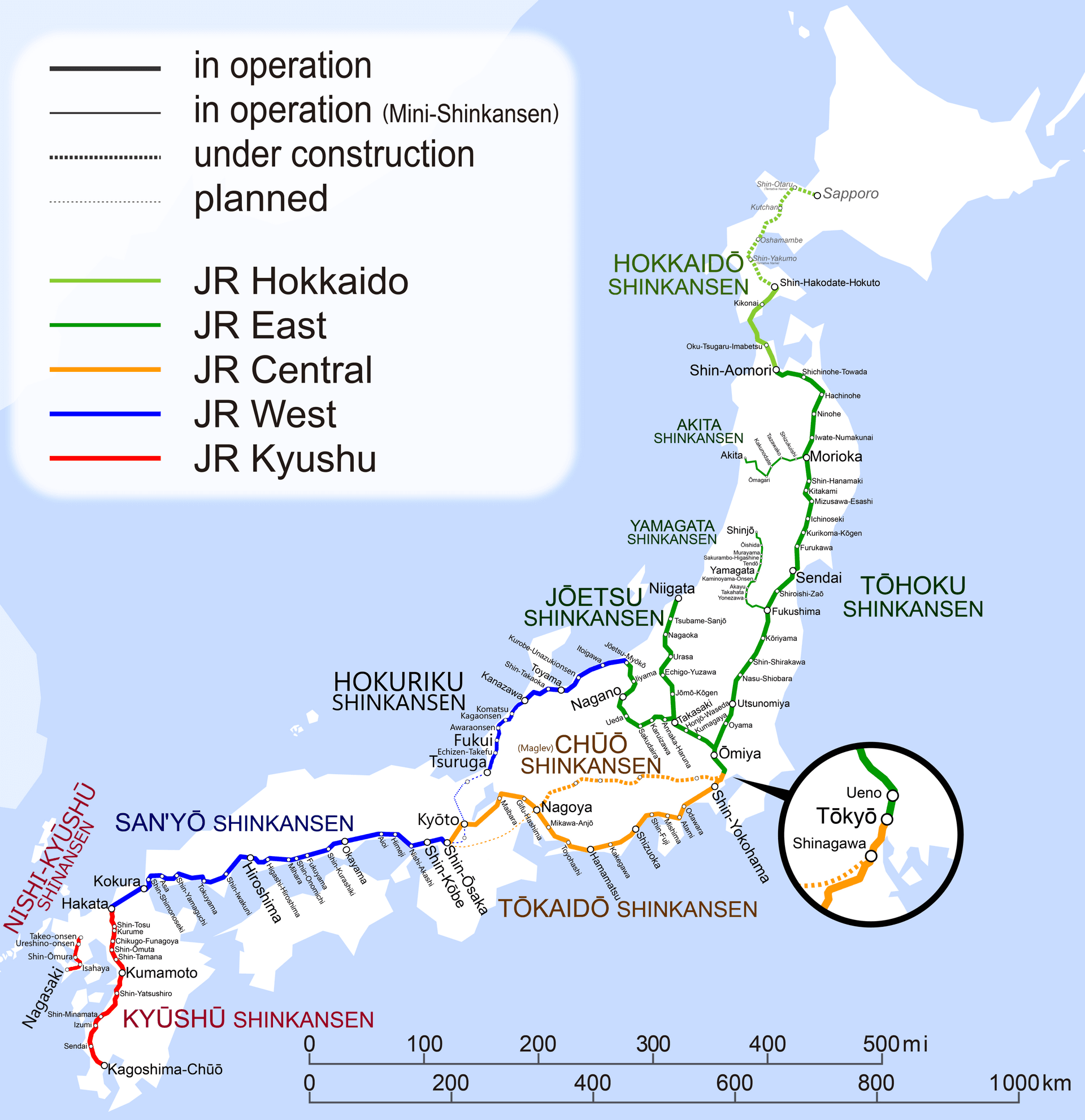
| Tokyo → Osaka | ¥15,150 + gas | ¥13,870 | ¥5,000 |
| Tokyo → Nagoya | ¥10,550 + gas | ¥11,300 | ¥4,000 |
| Osaka → Hiroshima | ¥10,100 + gas | ¥10,640 | ¥3,500 |
Verdict: Expressways are usually more expensive than trains for solo travelers, but cheaper for groups of 3–4.
Stay Connected in Japan
Yesim eSIMs work on arrival — no physical SIM needed. Japan data plans from $5.