
Craft Sake in Japan: New Wave Breweries and Tasting Rooms
By Tour in Japan editors · Updated
Japan's craft sake revolution is producing bold, experimental brews alongside refined traditionals. Discover the best new-wave breweries and tasting rooms to visit.
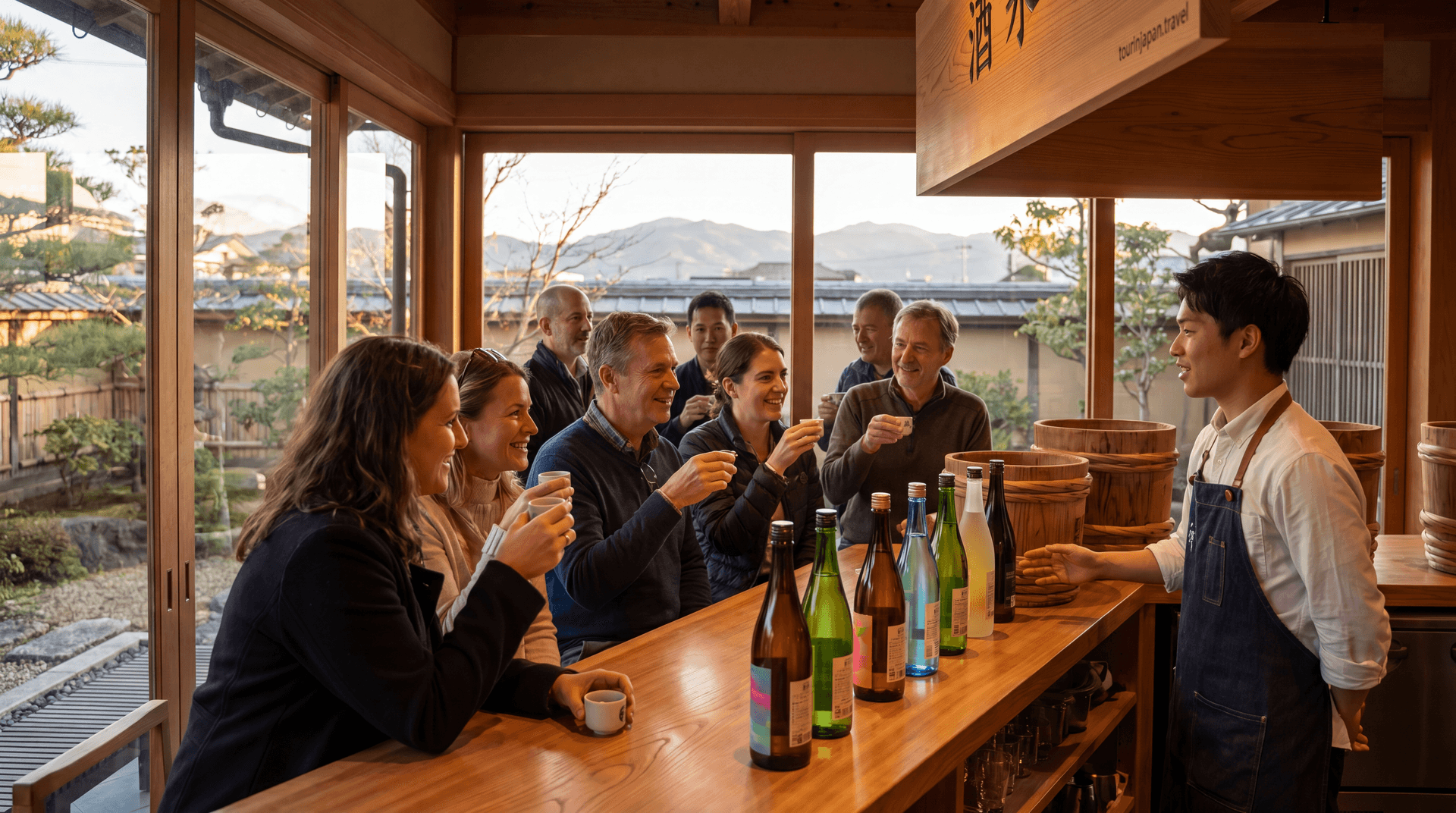
Japan's sake industry is experiencing a quiet revolution. While the craft sake movement lacks the global visibility of craft beer or natural wine, it has produced a generation of young brewers experimenting with wild fermentation, unusual rice varieties, and winemaking techniques that are generating extraordinary results. Craft sake in Japan means both honoring traditional methods refined over centuries and pushing boundaries in ways that would astonish the brewers of the Edo period. For visitors, this boom has created a new category of experience: dedicated sake bars, on-site tasting rooms, and brewery tours that go far beyond the standard tourist sake stop. Entry fees for tasting experiences typically run 1,500 to 4,000 yen, with premium tours reaching 8,000 yen including meals.
What Makes Craft Sake Different
Traditional sake production centers on four elements: water, rice, koji mold, and yeast. The craft movement experiments with all of them. New-wave brewers are using heirloom rice varieties like Omachi, and kimoto (the original natural lactic acid fermentation method abandoned by most brewers in the 20th century). Some are aging sake in wine or whisky barrels, while others are creating sparkling styles that challenge the category entirely.
The concept of terroir is also gaining ground, with brewers in regions like Yamagata, Niigata, and Hiroshima emphasizing the unique character of local water sources and microclimates. This has created a compelling parallel to the fine wine world, where geography and tradition intersect with technical skill. For visitors who enjoy wine tourism, sake brewery visits offer a similarly rich experience.
Tokyo's Craft Sake Bar Scene
Tokyo has become the best place to sample sake from across Japan without traveling to each region. A handful of excellent bars have built their identities around curating the most interesting small-producer bottles from the country's approximately 1,400 remaining breweries.
- Sake no Ana (Ginza): Long-running specialist bar with 200+ sake varieties. Staff speak English and guide newcomers expertly. Glasses from 600 yen.
- Kurand Sake Market (multiple locations): All-you-can-drink sake bar for 90-minute sessions around 2,000-3,000 yen. Brilliant for tasting many styles quickly.
- Isojiman (Ginza): Focused selection from premium breweries, presented with sommelier-style guidance. Ideal for serious enthusiasts.
- Nishi Azabu Tenku: Natural sake specialist, pours from small-batch kimoto and yamahai breweries. Excellent food pairing menu.
- Hasegawa Saketen (Tokyo Station): Retail and tasting bar at Gransta shopping area — perfect if you are arriving or departing by Shinkansen.
Notable New-Wave Breweries to Visit
Uehara Shuzo in Shiga Prefecture produces Taka, a highly sought-after junmai sake made with kimoto method from local rice grown without pesticides. The brewery is small and visits must be arranged in advance, but the tasting experience is exceptional. In Yamagata, Juyondai (Fourteen Generations) by Takagi Shuzo has become so coveted that bottles rarely appear on menus and sell instantly when they do.
For more accessible brewery visits, Hakkaisan in Niigata (one of Japan's most visitor-friendly breweries) offers comprehensive tours with English guides, ending in tastings of their full range from basic honjozo to premium daiginjo. The experience costs around 1,000 yen and includes a museum section covering sake history. Gekkeikan Okura Sake Museum in Fushimi, Kyoto offers a similar educational experience in a more tourist-ready format.
Sake Tasting Vocabulary for Visitors
Understanding a few key terms will dramatically improve your tasting experience. Junmai means pure rice sake with no added alcohol, generally richer in flavor. Daiginjo indicates the rice has been polished to at least 50% of its original size, producing delicate, floral aromas. Nigori means unfiltered, with a cloudy white appearance and sweeter, creamier texture. Nama means unpasteurized, lively, and best consumed fresh — these are usually refrigerated and not exported. Asking bar staff about these categories will open up genuine conversation and often result in better recommendations tailored to your taste.
Stay Connected in Japan
Yesim eSIMs work on arrival — no physical SIM needed. Japan data plans from $5.